Source Neon Touch Light Socket with Switch for Hotels, Homes, and Offices
Find and compare 30 Neon Touch Light Socket with Switch options featuring BS 1363 compliance and PC materials. Evaluate models like Z407 and VT104Y for residential, commercial, and industrial applications with customizable colors and fire-retardant properties.
Key considerations
Products List


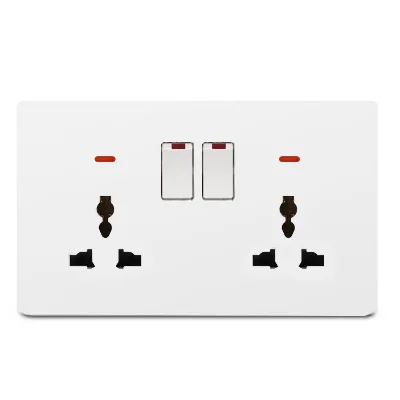
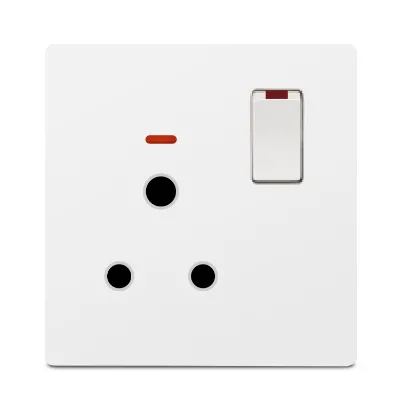
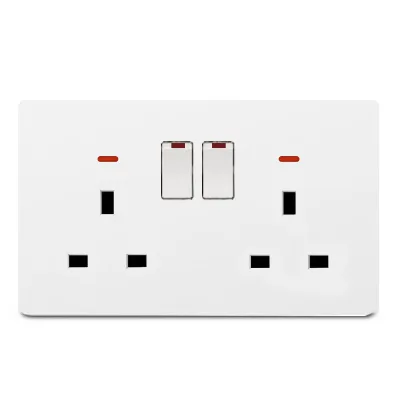


Comprehensive Sourcing Guide
Neon Touch Light Socket with Switch Sourcing Guide
Sourcing neon touch light sockets with switches requires a nuanced understanding of the intersection between traditional electrical hardware and modern capacitive control interfaces. While the term "neon" may suggest a specific aesthetic or illumination style, the core functional component is a touch-sensitive switch integrated into a power socket assembly. Buyers must distinguish between products that merely feature a neon indicator light and those that utilize capacitive touch technology for user interaction. The provided data indicates that the underlying mechanism for these switches is often capacitive, relying on the electrical properties of the human body to detect input without physical pressure. This distinction is critical for procurement teams evaluating user experience, durability, and compatibility with smart home ecosystems or industrial control panels.
The market for these components is diverse, ranging from simple residential outlets to complex industrial control units. The observed product range includes models with standard grounding, fire-retardant PC materials, and various certification marks such as CCC, CE, and RoHS. However, the listing signals also reveal a mix of attributes, including "ordinary socket" functions and specific switch types like rocker or single-pole on-off switches. Procurement specialists must carefully map the specific model numbers, such as Z407, Z408, or VT104Y, to their intended application environments. Whether the end-use is residential, commercial, or industrial, the verification of the switch principle—whether it is truly capacitive touch or a standard mechanical switch with a neon indicator—is the first step in ensuring the product meets the technical requirements of the final assembly.
Product Scope and Observed Listing Signals
The observed product listings reveal a broad spectrum of socket and switch configurations, indicating that "neon touch light socket" is often used as a broad category descriptor rather than a precise technical definition. The data shows products ranging from basic ordinary sockets with standard grounding to more specialized units with specific IP ratings and switch types. For instance, some models are described as having a "Power Built-in Type" structure with a "Capacitive" principle, while others are listed with "Rocker" features or "Single Control Switch" attributes. This variability suggests that buyers will encounter a mix of true touch-sensitive devices and traditional sockets equipped with neon indicator lights. It is essential to scrutinize the product model and detailed specifications to determine if the "touch" functionality is genuine capacitive sensing or merely a visual indicator feature.
Furthermore, the application scope extends across multiple sectors, including residential, commercial, industrial, and hospital environments. The materials used are predominantly Polycarbonate (PC), chosen for their fire-retardant properties and durability, which aligns with safety standards for electrical components. The color options are primarily white, though customization is available, allowing for integration into various interior design schemes. The presence of models like JA16YS and D17 suggests a focus on specific form factors, with dimensions such as 433524mm and 118*75mm being common. Buyers should note that while the core keyword implies a specific aesthetic, the actual products may vary significantly in terms of switch mechanism, mounting style, and electrical rating, requiring careful selection based on the specific project needs.
Technical Specifications to Verify
When evaluating technical specifications, the first priority is to confirm the switch mechanism and its operational principle. The data indicates that some products utilize a capacitive principle, which offers a sleek, button-less interface but may require specific design considerations for sensitivity and interference. Buyers must verify if the switch is normally open or if it has a specific mechanical life expectancy, such as the 10,000 cycles mentioned for certain models. Additionally, the wiring configuration is crucial; some products are designed for null line and live line connections, while others may have different internal architectures. Understanding the "Single Pole" or "Double Pole" nature of the switch is vital for ensuring compatibility with the intended circuit design and load requirements.
Electrical ratings and physical dimensions are equally important for successful integration. The maximum voltage for many of these sockets is listed as 220-250V, which is standard for many international markets, but buyers must confirm the exact rating for their specific region. The physical size, such as the 118*75mm standard for some models, dictates the required cutout size in panels or wall boxes. It is also necessary to verify the IP rating, as some products are described as having "Porous" holes or specific switch types that may affect their ingress protection level. For applications in humid or dusty environments, such as hospitals or industrial sites, confirming the IP rating and the durability of the touch interface against cleaning agents is essential to prevent premature failure.
Compliance and Safety Documentation
Compliance with regional safety standards is non-negotiable for electrical components, and the observed listings highlight a variety of certification marks including CCC, CE, RoHS, and SAA. These certifications indicate that the products have undergone testing for electrical safety, electromagnetic compatibility, and hazardous substance restrictions. However, the presence of multiple certifications does not guarantee that every model in a supplier's catalog is certified for all regions. Buyers must verify that the specific model they intend to purchase holds the relevant certification for their target market. For example, products intended for the Australian market should have SAA certification, while those for Europe must comply with CE and RoHS directives. The BS 1363 standard is also mentioned, which is critical for products designed for the UK market, ensuring compatibility with British plug and socket systems.
In addition to product-level certifications, buyers should request evidence of independent laboratory testing. The data mentions "Independent Laboratory" and "Certificated Proof" as advantages, suggesting that reputable suppliers can provide test reports from recognized bodies. These reports should cover critical safety parameters such as dielectric strength, temperature rise, and flame resistance. For fire-retardant PC materials, verifying the UL94 flammability rating is advisable to ensure the product meets fire safety requirements. Buyers should also inquire about the quality management systems in place, such as ISO certification, which indicates a structured approach to manufacturing consistency and quality control. This documentation is essential for risk mitigation and for passing regulatory audits in the final product assembly.
Cost Drivers and Commercial Terms
The cost of neon touch light sockets with switches is influenced by several factors, including the complexity of the touch mechanism, the quality of materials, and the level of customization required. Products with genuine capacitive touch interfaces may command a higher price than those with simple neon indicators due to the additional electronic components and testing involved. The material choice, such as high-grade fire-retardant PC, also impacts cost, as does the inclusion of features like standard grounding and robust mechanical switches. Buyers should be aware that customization options, such as specific colors or branding, may incur additional setup fees or minimum order quantity (MOQ) requirements. The observed MOQ range of 100 to 10,000 units suggests that economies of scale play a significant role in pricing, with larger orders typically benefiting from lower unit costs.
Commercial terms, including packaging and logistics, also affect the total cost of ownership. The data shows various packaging methods, from individual poly bags to master cartons, which can influence handling efficiency and protection during transit. Suppliers located near ports may offer logistical advantages, potentially reducing shipping costs and lead times. Buyers should negotiate clear terms regarding payment methods, warranty periods, and after-sales support. It is also important to clarify who is responsible for obtaining and maintaining the necessary certifications for the target market. Understanding these commercial dynamics allows procurement teams to make informed decisions that balance cost, quality, and supply chain reliability.
Supplier Qualification and Quality Control
Selecting a reliable supplier is critical for ensuring the consistency and safety of neon touch light sockets with switches. Buyers should prioritize suppliers who demonstrate a strong track record in electrical component manufacturing and who can provide comprehensive documentation of their quality control processes. The mention of "More Then 15 Years" of experience in the data suggests that longevity in the industry can be a proxy for reliability and technical expertise. However, buyers should verify this claim through independent sources and request references from existing clients. It is also advisable to conduct factory audits or third-party inspections to assess the supplier's manufacturing capabilities, quality management systems, and testing facilities.
Quality control measures should be clearly defined in the purchase agreement, including incoming material inspections, in-process checks, and final product testing. Buyers should specify the acceptable quality limit (AQL) for defects and require that the supplier provides inspection reports for each batch. For touch-sensitive products, testing for sensitivity consistency and durability is particularly important. Suppliers should also have a robust process for handling non-conforming products and for implementing corrective actions. By establishing clear quality expectations and verification steps, buyers can minimize the risk of receiving defective goods and ensure that the final products meet the required performance standards.
Long-Term Procurement Checks
Long-term procurement success depends on continuous monitoring of supplier performance and product reliability. Buyers should establish key performance indicators (KPIs) such as on-time delivery rates, defect rates, and responsiveness to issues. Regular reviews of these metrics can help identify potential problems early and allow for proactive management of the supply chain. It is also important to stay updated on changes in regulatory standards and certification requirements, as these can impact the compliance status of the products. Buyers should maintain open communication with suppliers to discuss any necessary updates or modifications to the product design to ensure ongoing compliance and market relevance.
Additionally, buyers should consider the lifecycle management of the products, including the availability of spare parts and the supplier's ability to support long-term orders. For products with a specified mechanical life, such as 10,000 cycles, understanding the expected lifespan and failure modes is crucial for maintenance planning. Buyers should also evaluate the supplier's innovation capabilities, as the touch control market is evolving with new technologies and features. By maintaining a strategic relationship with suppliers and continuously evaluating their performance, buyers can ensure a stable supply of high-quality neon touch light sockets with switches that meet their evolving business needs.
FAQs
What certifications do these neon touch light sockets have?
These sockets carry CCC, ROHS, CE, and SAA certifications. They also meet BS 1363 standards and include ISO contact types for Type C plugs. This ensures compliance with international safety requirements for commercial and residential use.
Can I customize the color of the neon touch light socket?
Yes, customization is available for the product color. While white is a standard option, buyers can request specific colors to match their design needs. This flexibility supports diverse applications in hotels, homes, and industrial settings.
What is the mechanical life of the neon touch light socket switch?
The mechanical life is rated for 10,000 operations. This durability ensures reliable performance for long-term use in general-purpose and commercial environments. The switch operates on a capacitive principle with a single control mechanism.
Which models are available for the neon touch light socket?
Available models include Z407, Z408, Z411, Z412, JA16YS, VT104Y, VT105Y, VC11L, and D17. These models vary in specifications like dimensions and packing methods to suit different installation requirements and voltage ratings up to 250V.
How is the neon touch light socket packaged for shipping?
Packaging options include master cartons, plastic bags, inner boxes, and outer cartons. Specific configurations range from 1 piece per bag to 100 pieces per carton. This ensures safe transport and easy inventory management for bulk orders.
What is the origin and location of the neon touch light socket?
The products originate from China and are located near the port. This strategic location facilitates efficient logistics and reduces shipping times. Buyers can expect reliable supply chain management for their procurement needs.
What is the minimum order quantity for the neon touch light socket?
The minimum order quantity ranges from 100 to 10,000 units depending on the specific model and customization. This flexible MOQ allows buyers to scale orders according to their project size and budget constraints effectively.