Source No Fading Gold Plated Ring for Wedding, Gift, and Decoration
Compare 30 listings for no fading gold plated ring options suitable for wedding ceremonies, promotional gifts, and daily decoration. Buyers can evaluate customization services, material types like stainless steel or 925 silver, and OEM/ODM capabilities from verified manufacturers in Guangzhou.
Key considerations
Products List


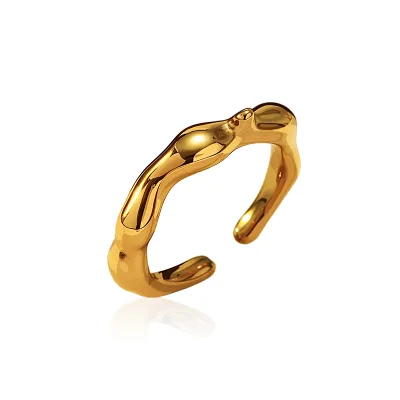
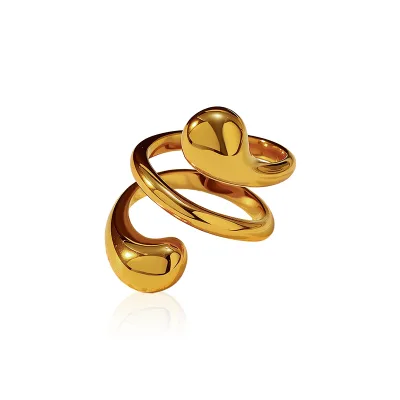
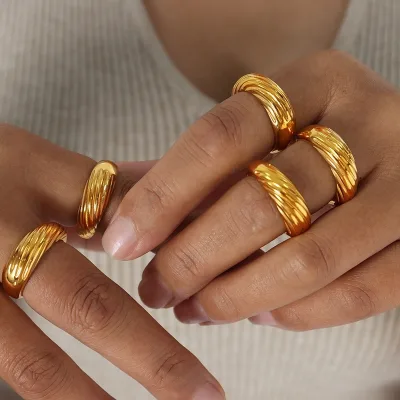
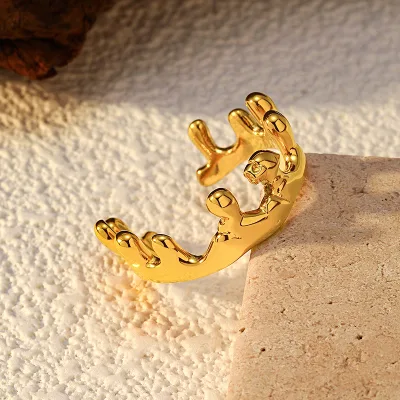
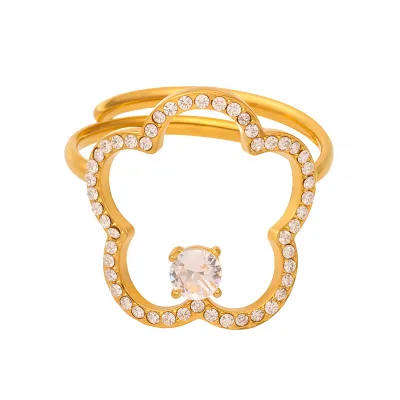
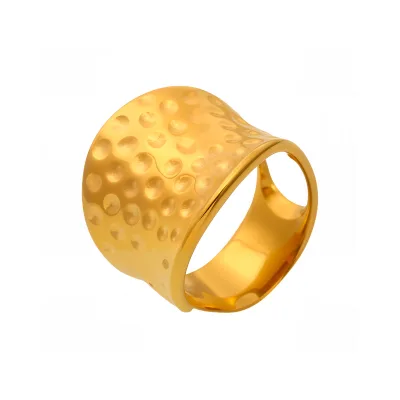
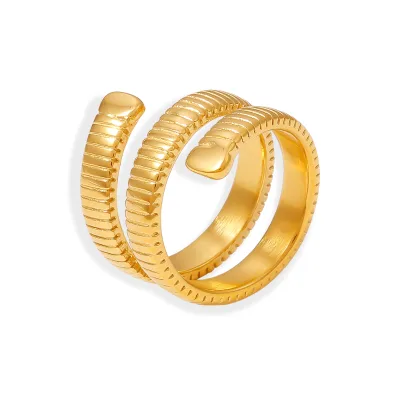
Comprehensive Sourcing Guide
No Fading Gold Plated Ring Sourcing Guide
Sourcing durable gold-plated rings requires a strategic approach to material selection and surface treatment, as the primary buyer concern is preventing the plating from wearing off during regular wear. The market offers various options, ranging from simple geometric designs to intricate 3D unique styles, with materials including stainless steel and 925 sterling silver. Buyers must distinguish between base metals that may tarnish and noble metals that provide a stable foundation for electroplating. Understanding the specific plating process, such as rhodium or rose gold finishes, is essential for ensuring the final product meets aesthetic and longevity expectations.
Procurement teams should also evaluate the customization capabilities of potential suppliers, as many manufacturers welcome OEM and ODM requests to create exclusive inventory. The availability of custom sizes, such as 6# or tailored dimensions, allows for better fitment and reduced return rates. Additionally, the choice between alloy components and pure silver cores significantly impacts the ring’s weight, durability, and perceived value. By focusing on suppliers who offer robust electroplating services and clear material specifications, buyers can secure products that maintain their luster and resist fading over time.
Product Scope and Observed Listing Signals
The current market landscape for gold-plated rings includes a diverse array of styles, from simple fashion rings to prime inlaid designs featuring AAA cubic zirconia stones. Listings indicate a wide price range, with some items starting as low as $0.01, suggesting a mix of promotional samples and bulk wholesale pricing structures. Buyers should note that while some products are marketed as unisex, others are specifically tailored for female demographics, requiring careful alignment with target customer segments. The presence of unique 3D designs and various plating options like black or yellow gold highlights the importance of visual appeal in driving sales.
Observed minimum order quantities (MOQs) vary significantly, ranging from 30 pieces for specialized inlaid rings to 1000 pieces for standard alloy options. This variance allows small businesses to test new designs with lower risk while larger distributors can secure better economies of scale. The availability of customization services, including custom packaging and specific stamping requirements like 925 purity marks, indicates a mature supply chain capable of meeting branded retail needs. Buyers must carefully review these signals to determine which suppliers align with their volume requirements and branding strategies.
Technical Specifications to Verify
Verifying the core material is the first critical step in ensuring the ring’s durability and resistance to fading. Buyers should confirm whether the base is stainless steel or 925 sterling silver, as these materials offer superior corrosion resistance compared to cheaper alloys. The plating thickness and type, such as rhodium or rose gold, directly influence the ring’s lifespan and color stability. Additionally, the purity of silver components, often marked as 92.5%, must be validated to ensure compliance with international standards for precious metal jewelry.
The fabrication process, typically involving casting and electroplating, plays a crucial role in the final product’s quality. Buyers should request details on the electroplating technique to ensure even coverage and strong adhesion of the gold layer. Stone types, such as AAA cubic zirconia, should be inspected for clarity and secure setting to prevent loss during wear. Furthermore, verifying the stamping accuracy, whether it is 925 or customer-specific, helps in authenticating the product’s material claims and maintaining brand integrity.
Compliance and Safety Documentation
Ensuring that the jewelry complies with international safety standards is vital for protecting consumers and avoiding legal liabilities. Buyers must verify that the plating materials are free from harmful substances like lead, cadmium, and nickel, which can cause allergic reactions or health issues. Documentation such as REACH compliance or CPSIA certification may be required depending on the target market, particularly for products sold in the European Union or the United States. Requesting third-party test reports from accredited laboratories provides objective evidence of material safety and regulatory adherence.
Packaging and labeling must also meet specific regulatory requirements, including clear identification of material composition and country of origin. The use of individual OPP bags and strong cartons helps protect the rings during transit while providing a professional presentation for retail. Buyers should ensure that all product markings, such as purity stamps and model numbers, are accurate and legible. Proper documentation not only facilitates customs clearance but also builds trust with end consumers who are increasingly conscious of product safety and ethical sourcing practices.
Cost Drivers and Commercial Terms
The cost of gold-plated rings is influenced by several factors, including the base material, plating thickness, and complexity of the design. Stainless steel rings generally offer a more affordable option compared to 925 sterling silver counterparts, while intricate 3D designs or stone inlays increase production costs. Buyers should negotiate clear pricing structures that account for variations in material costs and plating processes. Understanding the breakdown of costs helps in identifying areas where savings can be achieved without compromising quality.
Commercial terms, such as payment methods and delivery times, also impact the overall procurement strategy. Common payment options include T/T, Western Union, and PayPal, offering flexibility for different transaction sizes. Delivery times typically range from 20 to 35 days after receiving the deposit, depending on the order volume and customization requirements. Buyers should establish clear agreements on lead times and shipping methods, such as DHL or FedEx, to ensure timely delivery and minimize inventory holding costs.
Supplier Qualification and Quality Control
Selecting a reliable supplier involves assessing their manufacturing capabilities, quality control processes, and customer service responsiveness. Suppliers who offer OEM and ODM services demonstrate flexibility and a commitment to meeting specific buyer requirements. Buyers should request samples to evaluate the quality of the electroplating, stone setting, and overall finish before placing large orders. Establishing a strong relationship with suppliers who provide consistent quality and timely communication is essential for long-term success.
Quality control measures should include regular inspections of raw materials, in-process checks during fabrication, and final audits before shipment. Buyers should define clear acceptance criteria for defects, such as plating imperfections or loose stones, and implement a robust return or replacement policy. Collaborating with suppliers who have a proven track record in producing high-quality jewelry ensures that the final products meet brand standards. Regular feedback and performance reviews help maintain high levels of quality and drive continuous improvement in the supply chain.
Long-Term Procurement Checks
Maintaining a competitive edge in the jewelry market requires ongoing evaluation of supplier performance and product quality. Buyers should regularly review sales data and customer feedback to identify trends and adjust procurement strategies accordingly. Monitoring changes in material costs and plating technologies can help in anticipating price fluctuations and sourcing more cost-effective alternatives. Building a diversified supplier base reduces dependency on single sources and mitigates risks associated with supply chain disruptions.
Continuous improvement initiatives, such as exploring new designs or enhancing sustainability practices, can differentiate a brand in a crowded marketplace. Buyers should stay informed about industry regulations and consumer preferences to ensure their product offerings remain relevant and compliant. Establishing long-term partnerships with suppliers who share a commitment to quality and innovation fosters mutual growth and success. By prioritizing strategic procurement and rigorous quality management, buyers can sustain profitability and brand reputation in the dynamic jewelry industry.
FAQs
Can I get custom designs for no fading gold plated rings?
Yes, customization is available for these rings with unique 3D designs. The service welcomes OEM and ODM requests, allowing clients to specify styles like simple or fashion. Production typically takes within 15 work days for samples before full delivery.
What materials are used for no fading gold plated rings?
These rings are crafted from stainless steel or 925 sterling silver with alloy accessories. The plating options include rhodium, rose gold, yellow gold, and black finishes. Some models feature AAA cubic zirconia stones to enhance the decorative appeal for wedding or gift usage.
How long does delivery take for no fading gold plated rings?
Delivery occurs within 30 to 35 days after receiving the deposit for standard orders. Sample times are shorter, usually completed within 15 work days. Shipping is handled via DHL, FedEx, TNT, or UPS to ensure timely arrival at your specified location.
Which payment methods are accepted for no fading gold plated rings?
Accepted payment methods include T/T, Western Union, PayPal, and Money Gram. Bank transfers are also supported for secure transactions. These options facilitate smooth processing for wholesalers and distributors purchasing rings in various quantities starting from low minimum order requirements.
What is the minimum order quantity for no fading gold plated rings?
The minimum order quantity varies by product, ranging from 30 to 50 pieces for specific models. Some listings indicate a general range of 1 to 1000 pieces depending on customization needs. This flexibility supports both small buyers and large jewelry wholesalers seeking unique inventory.
How are no fading gold plated rings packaged for shipment?
Rings are packed individually in OPP bags and then placed in strong cartons. Custom packaging requests are welcome to meet specific client needs. This method ensures protection during transit via major carriers like DHL or FedEx while maintaining the quality of the gold plating.