Source Non-Aligning Single Linear Bearing Carriage for Cranes
Compare 30 listings for the Non-Aligning Single Linear Bearing Carriage suitable for workshop cranes, warehouse cranes, and shipboard cranes. Buyers can evaluate specifications like hardness, precision, and surface treatment from verified manufacturers in Zhejiang; compare the available evidence and request quotations based on your requirements.
Key considerations
Products List


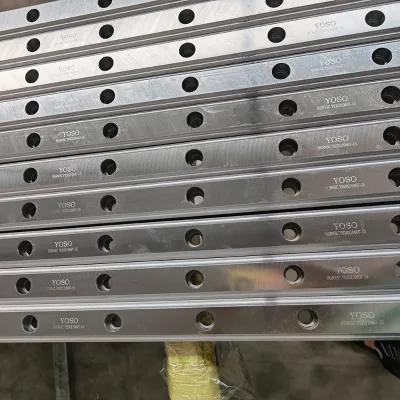


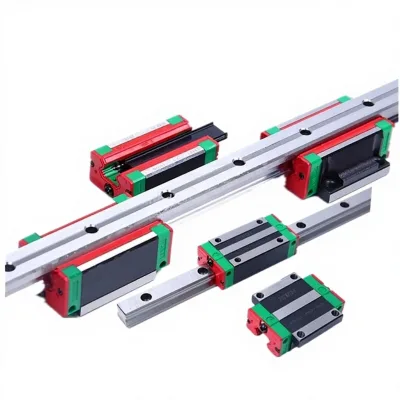
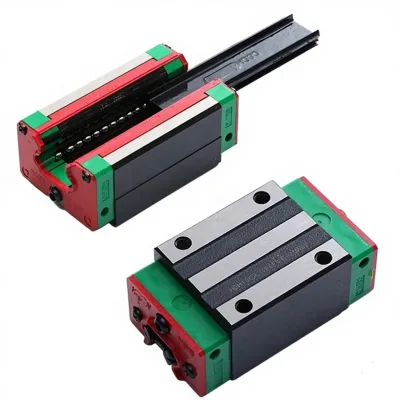
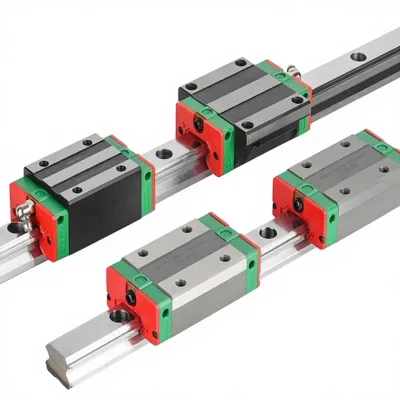


Comprehensive Sourcing Guide
Non-Aligning Single Linear Bearing Carriage Sourcing Guide
Sourcing non-aligning single linear bearing carriages requires a precise understanding of rigid motion control needs. These components are designed for applications where angular misalignment is not permitted, ensuring straight-line accuracy. Buyers must distinguish between self-aligning variants and fixed-structure units to match their mechanical constraints. The decision hinges on whether the mounting surface can maintain perfect parallelism under load.
Procurement teams should evaluate the specific linear shaft compatibility before placing orders. The bearing carriage must interface seamlessly with chrome-plated shafts, typically ranging from six to sixty millimeters in diameter. Verifying the inner diameter tolerance against the shaft specification prevents premature wear. This alignment check is critical for maintaining low friction and ensuring the longevity of the linear motion system in industrial environments.
Product Scope and Observed Listing Signals
Market listings for linear bearings often highlight features such as high speed, corrosion resistance, and low-temperature performance. Observed product names frequently include specific model codes like LM12L-UU or SC20LUU, indicating standardized dimensions. These signals suggest a focus on universal applications across various machinery types. Buyers should interpret these labels as indicators of general capability rather than guaranteed performance for every unique installation scenario.
The observed price range spans from zero point five to twelve hundred fifty US dollars, reflecting significant variation in quality and volume. Minimum order quantities typically range from one to one hundred units, offering flexibility for both prototyping and bulk production. High stock availability is often advertised, suggesting ready-to-ship options for urgent procurement needs. However, buyers must verify if these stock levels apply to custom configurations or standard off-the-shelf items.
Technical Specifications to Verify
Hardness and surface roughness are critical technical parameters that dictate bearing durability. Specifications often cite a hardness range of HRC fifty-eight to sixty-two for the rolling elements. Surface roughness is typically limited to a maximum of one point four micrometers to ensure smooth operation. Buyers must confirm that these metrics apply to the specific material, such as carbon steel or aluminum alloy, used in their chosen carriage design.
Precision and roundness tolerances directly impact the accuracy of linear transmission. Observed data indicates a maximum roundness of three point zero micrometers for high-quality units. The cage material, often nylon plastic, supports the steel balls and reduces friction. Procurement specialists should verify the compatibility of the cage material with the operating temperature and chemical environment to prevent degradation over time.
Compliance and Safety Documentation
Certification status is a primary indicator of manufacturing quality and process control. Many suppliers provide ISO ninety thousand one two thousand eight certification, demonstrating adherence to international quality management standards. Buyers should request valid certificates to ensure the supplier maintains consistent production practices. This documentation is essential for industries with strict regulatory requirements or those seeking to integrate components into certified final products.
Safety and operational standards must be verified through technical datasheets and material safety data sheets. While specific safety certifications are not always listed, the use of materials like clear anodized or nickel-plated surfaces suggests attention to corrosion resistance. Buyers should ensure that the chosen surface treatment meets the environmental demands of the application, whether it involves exposure to moisture, chemicals, or extreme temperatures.
Cost Drivers and Commercial Terms
Packaging and shipping methods significantly influence the total landed cost of linear bearings. Standard options include PVC bags, small boxes, and export-standard packing for individual units. For larger orders or fragile components, wooden box packaging may be required to prevent damage during transit. Buyers should clarify packaging requirements early in the negotiation to avoid unexpected fees or product damage upon arrival.
Lead times and payment terms are key commercial factors affecting procurement efficiency. While specific lead times are not provided, the availability of plenty stock suggests faster delivery for standard models. Customization options, such as linear blocks with locking mechanisms, may extend production time. Buyers should negotiate clear delivery schedules and payment structures to align with their production cycles and cash flow requirements.
Supplier Qualification and Quality Control
Supplier origin and manufacturing location provide insights into supply chain reliability. Many linear bearing manufacturers are based in regions like Zhejiang, known for industrial component production. Buyers should assess the supplier’s production capacity and quality control processes to ensure consistent output. Visiting facilities or requesting third-party audits can provide additional confidence in the supplier’s ability to meet specifications.
Quality control checks should include verification of product models and standards. Common standards include LM-UU, LM-AJ-UU, and LM-OP-UU series, each with specific dimensional requirements. Buyers must ensure that the delivered products match the ordered specifications exactly. Implementing incoming inspection protocols helps catch discrepancies early, preventing assembly issues and downstream failures in the final machinery.
Long-Term Procurement Checks
Monitoring performance metrics over time is essential for maintaining operational efficiency. Features like long life and high speed should be validated through regular maintenance checks. Buyers should track friction levels and wear patterns to identify potential issues before they cause downtime. Establishing a routine inspection schedule helps extend the service life of the linear bearing carriages and reduces replacement costs.
Supplier relationship management plays a crucial role in long-term procurement success. Maintaining open communication with suppliers ensures timely support for technical queries and order adjustments. Buyers should evaluate supplier responsiveness and service quality, such as twenty-four-hour support availability. A reliable supplier partnership facilitates smoother procurement processes and better handling of future customization or volume changes.
FAQs
What is the hardness of the linear bearing 12?
The hardness is HRC58-62 for the linear bearing 12. This ensures durability during high-speed operations. The product features low friction linear motion and is made from carbon steel with a clear anodized or nickel plating surface treatment for corrosion resistance.
Can I customize the linear pillow block with locking?
Yes, you can customize the linear pillow block with locking features. The product offers available customization options to meet specific machinery needs. It supports linear transmission and is suitable for CNC machines with shafts ranging from Dia6 to Dia60.
Which certification does the manufacturer hold for quality?
The manufacturer holds ISO9001:2008 certification for quality management. This standard ensures consistent production processes for the linear bearing series. The brand Ersk provides these certified products with plenty stock available for immediate shipment from Zhejiang.
How is the linear bearing packed for export?
The linear bearing is packed in PVC bags, small boxes, or export standard packing. Some items like the SC20LUU model use wooden boxes for protection. This packaging ensures safe transport while maintaining the product's precision and surface treatment integrity.
What is the minimum order quantity for these bearings?
The minimum order quantity ranges from 1 to 100 units depending on the specific model. This flexible MOQ allows buyers to test products or place larger orders. The product is available in plenty stock to support various order sizes without long delays.
Which application scenarios suit this linear guide structure?
This linear guide structure suits all kinds of machinery including workshop cranes and shipboard cranes. It is designed for high-speed and high-temperature environments. The product features magnetically resistant properties and supports moving running modes for diverse industrial applications.
What is the roughness limit for the linear shaft?
The roughness limit is a maximum of 1.4um for the linear shaft. This precision ensures smooth linear motion and reduces wear. The product maintains a roundness of max 3.0um to guarantee high performance in CNC machines and other precision equipment.