Source Noise Isolation Mass Loaded Vinyl for KTV, Hotel, and Studio
Find Noise Isolation Mass Loaded Vinyl from 30 verified listings. Compare EPDM rubber and polymer options with thicknesses from 1.2mm to 3mm. Evaluate tensile strength, fireproof grades, and acoustic features for soundproofing projects; compare the available evidence and request quotations based on your requirements.
Key considerations
Products List
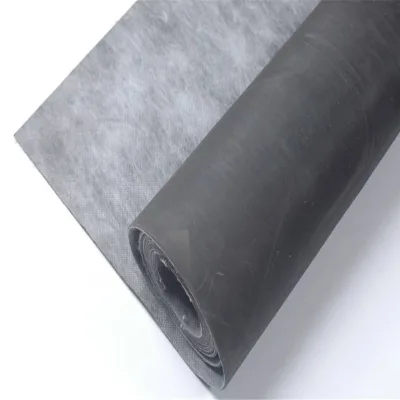
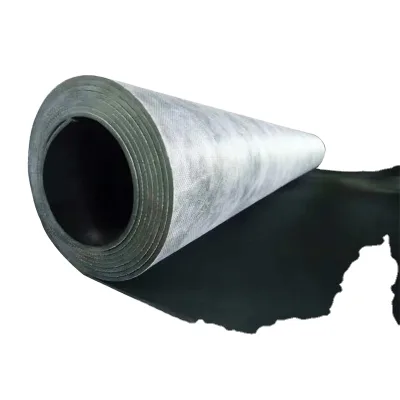
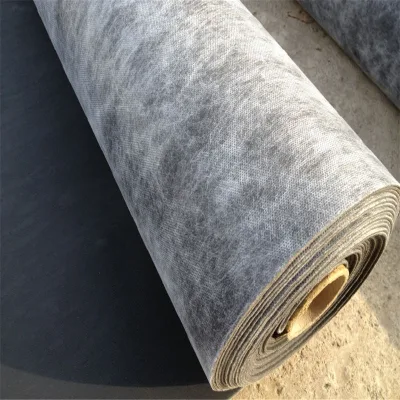
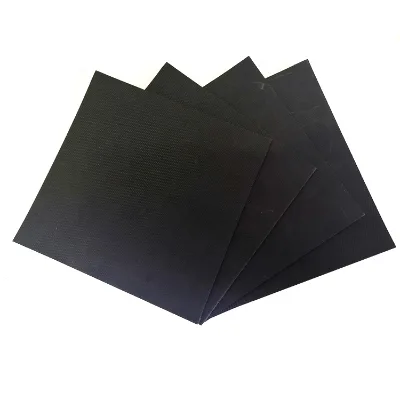
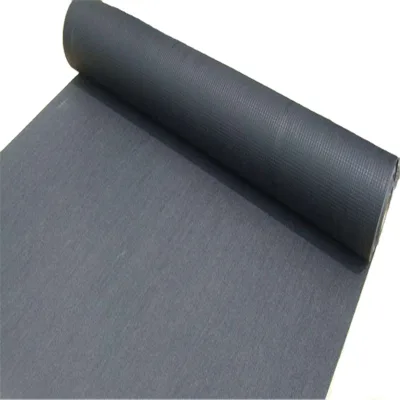
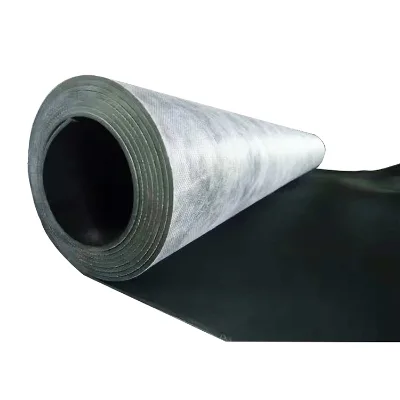


Mlv Underlayment Sound Deadening Felt Sound Barrier Mass Loaded Vinyl Flooring
$1.00 - $10.00
MOQ: 100 Square Meters

4mm Thickness Mass Loaded Vinyl with Great Noise Barrier Wall Sound Insualtion
$1.00 - $10.00
MOQ: 100 Square Meters


Eco Friendly Sound Insulation 2lb Acoustic Rubber Underlayment Mass Loaded Vinyl
$2.50 - $3.80
MOQ: 10 Square Meters


Wall Ceiling Sound Insulation Soundproof Waterproof Mass Loaded Vinyl
$2.50 - $3.80
MOQ: 10 Square Meters
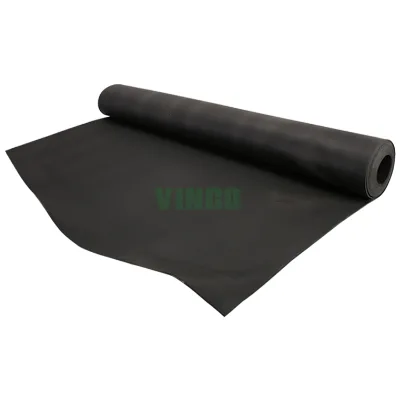


Acoustic Noise Deadening Isolation Barrier Insulation Vinyl Sound
$1.90 - $3.60
MOQ: 100 Square Meters


Factory Sound Reducer Soundproofing Materials Soundproof Felt Acoustic
$1.90 - $3.60
MOQ: 100 Square Meters

High Density Mass Loaded Vinyl for Wall Soundproofing
$5.80 - $10.00
MOQ: 1 Square Meters
Hebei Huashuo Xingye Thermal Insulation Building Materials Co., Ltd.

Durable Acoustic Mass Loaded Vinyl for Long-Term Projects
$5.80 - $10.00
MOQ: 1 Square Meters
Hebei Huashuo Xingye Thermal Insulation Building Materials Co., Ltd.

Soundproofing Mass Loaded Vinyl for Commercial Buildings
$5.80 - $10.00
MOQ: 1 Square Meters
Hebei Huashuo Xingye Thermal Insulation Building Materials Co., Ltd.

Eco-Friendly Mass Loaded Vinyl for Green Building Projects
$5.80 - $10.00
MOQ: 1 Square Meters
Hebei Huashuo Xingye Thermal Insulation Building Materials Co., Ltd.


Comprehensive Sourcing Guide
Noise Isolation Mass Loaded Vinyl Sourcing Guide
Procurement professionals must first distinguish between mass-loaded vinyl (MLV) products designed for sound blocking and those marketed for acoustic absorption, as the supplied listings reveal distinct material compositions and performance claims. While some entries explicitly identify EPDM rubber or polymer bases with features labeled "Sound Acoustic," others specify "Sound Blocking" capabilities suitable for KTV or hotel environments, requiring buyers to align product selection with the specific isolation or absorption needs of their project.
Buyers should carefully scrutinize the listed weight variations, which range from 24kg to 35.7kg per roll, alongside thickness options of 1.2mm, 2mm, and 3mm, to ensure the selected mass density matches the required transmission loss for the intended application. The presence of different single package sizes and gross weights in the data suggests that logistics planning must account for significant variance in shipping dimensions and handling requirements depending on the specific model number and material density chosen.
Product Scope and Observed Listing Signals
The observed product listings indicate a diverse range of applications, including KTV venues, hotels, and audiometric soundproof rooms, which necessitates verifying that the specific MLV variant supports the intended acoustic environment. Some products are described with a "Modern" design style and black coloration, while others offer white options or a black vinyl with silver backer, requiring buyers to confirm that the aesthetic finish aligns with the interior design constraints of the target installation site.
Procurement teams must also evaluate the stated project solution capabilities, which range from graphic design services to total project solutions, to determine if the supplier can provide the necessary integration support for complex acoustic installations. The availability of customization and varying after-sale services, such as online technical support or onsite training, serves as a critical signal for the level of vendor engagement and technical assistance available during the implementation phase.
Technical Specifications to Verify
Buyers must rigorously verify the tensile strength and tear strength values, as the data indicates specific metrics like 400 P.S.I. tensile strength and 12.9 Kg/Cm tear strength that are essential for ensuring the material's durability during installation and long-term use. The temperature range of -40 to 180 degrees Fahrenheit is a critical specification that must be confirmed against the environmental conditions of the installation site to prevent material degradation or failure in extreme climates.
Thickness consistency is another vital parameter, with listings showing options of 1.2mm, 2mm, and 3mm, alongside weight per square meter figures of 5kg/Sqm for 3mm and 3.5kg/M2 for 2mm, which directly influence the sound transmission class rating. Procurement specialists should request physical samples to validate that the actual product weight and thickness match the advertised specifications, as discrepancies in these core attributes can significantly compromise the acoustic performance of the final assembly.
Compliance and Safety Documentation
Safety compliance is paramount, and buyers should verify that the acoustic panels or vinyl materials meet the B1 fireproof grade standard explicitly mentioned in the product data, ensuring they adhere to local building codes for fire safety in commercial and residential spaces. The presence of certifications such as CE, ASTM, ISO, and BS in the listings provides a baseline for regulatory adherence, but procurement teams must confirm that these certifications are current and applicable to the specific batch of materials being purchased.
Eco-friendly attributes, such as the E0 rating noted for polyester fiber acoustic panels, should be cross-referenced with the specific material composition of the MLV to ensure the product meets sustainability goals and indoor air quality standards. Buyers must also confirm that the surface finishing processes, including polyester fiber treatments, do not introduce hazardous substances that could violate environmental regulations or compromise the health of occupants in the treated space.
Cost Drivers and Commercial Terms
The observed price range of 0.5 to 30 USD and MOQs varying from 1 to 500 units suggest that cost is heavily influenced by order volume and specific material density, requiring buyers to negotiate based on the total square footage required for their project. The variation in single gross weights, ranging from 0.400 kg to 4.000 kg per package, indicates that shipping costs will fluctuate significantly based on the selected thickness and packaging method, necessitating a detailed logistics cost analysis before finalizing the purchase.
Warranty terms, which range from 1 year to more than 5 years depending on the product type, represent a significant factor in the total cost of ownership and should be weighed against the initial purchase price and expected lifespan of the material. Buyers should clarify whether the warranty covers material defects, installation errors, or performance degradation over time, as the specific terms can vary widely between suppliers offering different levels of after-sale support and technical assistance.
Supplier Qualification and Quality Control
Supplier qualification should focus on the availability of comprehensive after-sale services, including online technical support and onsite training, which are critical for ensuring proper installation and long-term performance of the noise isolation materials. The presence of project solution capabilities, such as total solutions for projects, indicates a supplier's ability to manage complex procurement needs, but buyers must verify the depth of their technical expertise through case studies or references from similar KTV or hotel installations.
Quality control processes must be validated by reviewing the supplier's adherence to the listed standards and certifications, ensuring that the production of MLV and acoustic panels consistently meets the specified tensile strength, tear strength, and fireproof grade requirements. Buyers should request detailed quality assurance reports and inspection protocols to confirm that the product dimensions, weight, and material composition remain consistent across all batches, minimizing the risk of performance variability in the final acoustic assembly.
Long-Term Procurement Checks
Long-term procurement strategies should include regular audits of the supplier's ability to maintain consistent product specifications, particularly regarding the weight per square meter and thickness variations that directly impact acoustic performance over time. Buyers must establish clear communication channels for reporting any deviations in material quality or performance, ensuring that the supplier can provide timely replacements or adjustments to maintain the integrity of the soundproofing system.
It is essential to monitor the supplier's inventory levels and lead times to prevent project delays, especially given the observed variations in single package sizes and gross weights that affect shipping logistics. Procurement teams should also track the supplier's responsiveness to warranty claims and after-sale service requests, ensuring that the long-term support provided aligns with the initial expectations set during the sourcing phase to guarantee the durability of the noise isolation solution.
FAQs
What materials are used for Noise Isolation Mass Loaded Vinyl?
Noise Isolation Mass Loaded Vinyl is primarily constructed from EPDM rubber or polymer compounds. These dense materials provide effective sound blocking for acoustic applications. The product is available in black or white colors with a silver backer option. It is designed for modern or traditional design styles in venues like KTVs and hotels. The material ensures durability while maintaining acoustic performance standards.
How thick is the Noise Isolation Mass Loaded Vinyl available?
The Noise Isolation Mass Loaded Vinyl is available in thicknesses of 1.2mm, 2mm, and 3mm. The 3mm variant weighs approximately 5kg per square meter, while the 2mm version weighs about 3.5kg per square meter. These options allow buyers to select the appropriate density for specific sound absorption or blocking requirements in their projects.
Can Noise Isolation Mass Loaded Vinyl be customized for projects?
Yes, Noise Isolation Mass Loaded Vinyl customization is available for specific project needs. Buyers can request specific dimensions, such as 1000mm by 5000mm or 1000mm by 10000mm rolls. The supplier offers online technical support and onsite training to assist with installation. Graphic design and total project solutions are also provided to ensure proper application in various acoustic environments.
What certifications does the Noise Isolation Mass Loaded Vinyl have?
The Noise Isolation Mass Loaded Vinyl holds CE, ASTM, ISO, and BS certifications. These credentials verify compliance with international quality and safety standards. The product also features a B1 fireproof grade and is classified as eco-friendly with an E0 rating. These certifications ensure the material is suitable for commercial and residential acoustic installations.
Where is the Noise Isolation Mass Loaded Vinyl manufactured?
The Noise Isolation Mass Loaded Vinyl is manufactured in Hebei, China. The brand name for these products is WANER. The goods are typically packed on pallets, in cartons, and wrapped in plastic film for safe transport. The single package size varies, with common dimensions being 30x30x5 cm or 34x24x2 cm depending on the specific product variant.
What is the warranty period for Noise Isolation Mass Loaded Vinyl?
The warranty period for Noise Isolation Mass Loaded Vinyl varies by product type. Some variants offer a 1-year warranty, while others provide coverage for more than 5 years. This difference depends on the specific model and material composition, such as EPDM rubber or polymer. Buyers should verify the warranty terms for their selected thickness and application to ensure adequate protection.