Source Oil-Proof Waffle Dish Box Towel for Kitchen, Car, Hotel
Compare 25 Oil-Proof Waffle Dish Box Towel options from verified suppliers. These towels feature high absorbency, quick-dry capabilities, and customizable sizes for kitchen, car, and hotel applications.
Key considerations
Products List


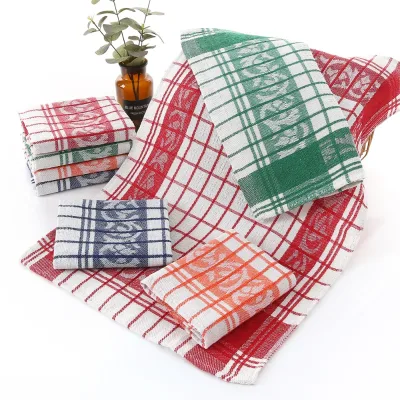
Microfiber Waffle Microfiber Woven Tea Towel Dishcloth Custom Personal Logo
$0.27 - $0.50
MOQ: 1000 Pieces


Comprehensive Sourcing Guide
Oil-Proof Waffle Dish Box Towel Sourcing Guide
Sourcing oil-proof waffle dish towels requires a nuanced understanding of material science, textile construction, and commercial supply chain dynamics. These products are distinct from standard cotton or microfiber cloths due to their specialized surface texture and functional coatings or weaves designed to repel grease while maintaining high absorbency for water and cleaning agents. Buyers must navigate a market where terminology can be ambiguous, with some suppliers conflating "waffle" textures with actual absorbency capabilities, while others may use "oil-proof" to describe simple stain resistance rather than true hydrophobic performance. This guide provides a structured approach to evaluating suppliers, verifying technical claims, and ensuring that the final product meets the rigorous demands of commercial kitchens, hospitality sectors, or retail distribution.
The procurement process for these items involves balancing aesthetic appeal with functional durability. The waffle weave is not merely a design choice; it increases surface area to enhance drying efficiency and provides a textured surface that can help lift grease from dishes. However, the "oil-proof" attribute often implies a treatment or a specific synthetic blend that resists oil penetration, allowing the towel to be washed and reused without retaining stains. Buyers need to distinguish between towels that are simply easy to clean and those that actively repel oil, as this distinction impacts cleaning protocols, lifespan, and end-user satisfaction. Understanding these operational differences is critical before initiating supplier negotiations or placing bulk orders.
Product Scope and Observed Listing Signals
The current market landscape for dish towels includes a diverse range of materials, primarily microfiber and cotton, with varying degrees of customization and functional claims. Observed listings indicate a strong presence of microfiber products marketed for their super strong water absorption and sustainability, alongside cotton-based options that emphasize softness and quick-drying properties. The price range observed spans from $0.15 to $4.00 USD, reflecting significant variation in material quality, branding, and order volume. Minimum Order Quantities (MOQs) typically range from 100 to 5,000 units, suggesting that suppliers cater to both small boutique buyers and large-scale commercial distributors. This wide variance requires buyers to carefully align their volume requirements with supplier capabilities to avoid premium pricing or stockouts.
Specific product attributes observed in the market highlight the importance of verifying the exact composition and intended use. For instance, some products are explicitly labeled as "Microfiber Towels" with square shapes and standardized dimensions like 60x40cm, while others are described as "Cotton Towels" with rectangular shapes and custom sizes. The presence of "Customized Color" and "Custom Logo" options indicates that many suppliers offer OEM and ODM services, which is crucial for brands looking to differentiate their products. However, buyers must be cautious when interpreting "oil-proof" claims, as many listed products focus on general cleaning applications in kitchens and cars rather than specialized grease resistance. Verifying the specific material blend and weave structure is essential to ensure the product meets the "oil-proof" requirement.
Technical Specifications to Verify
When evaluating technical specifications, the material composition is the primary determinant of performance. Buyers should verify whether the towel is made from 100% cotton, microfiber, or a blended fabric, as each material interacts with oil and water differently. Microfiber towels, often cited for their high absorbency and quick-drying features, may offer better oil resistance due to their synthetic nature, but they can sometimes trap grease if not washed correctly. Cotton towels, particularly those with a waffle weave, provide excellent absorbency but may require specific treatments to achieve oil-proof characteristics. The "waffle" structure itself should be examined for consistency, as an irregular weave can lead to uneven cleaning performance and reduced durability.
Dimensions and packaging details are also critical technical factors that impact logistics and end-user experience. Standard sizes observed include 35x35cm, 28x40cm, and 60x40cm, with some suppliers offering fully customized dimensions. Buyers must ensure that the selected size aligns with their target market's preferences and functional needs, such as the ability to wrap around a hand or cover a large dish. Packaging options, ranging from simple OPP bags to custom branded cartons, affect both the product's presentation and its protection during shipping. Additionally, the "woven" technique and specific model numbers (e.g., ES030, GL-KT004) should be cross-referenced with supplier catalogs to ensure consistency in future orders and to facilitate quality control checks.
Compliance and Safety Documentation
Compliance and safety documentation are non-negotiable aspects of sourcing dish towels, especially those intended for food-contact environments. Buyers must request relevant certifications to ensure that the materials used are safe for kitchen use and do not contain harmful chemicals. While some listings mention CE certification, this is typically relevant for electronic goods and may not apply to textile products; therefore, buyers should seek out textile-specific certifications such as OEKO-TEX Standard 100, which verifies that the fabric is free from harmful substances. It is crucial to clarify with suppliers which certifications are actually held and to request valid certificates rather than relying on marketing claims.
In addition to material safety, buyers should inquire about the manufacturing standards and quality control processes employed by the supplier. Documentation regarding the production origin, such as Hebei or other regions in China, can provide insights into the supply chain's reliability and regulatory environment. Buyers should also verify if the supplier adheres to international quality management standards, such as ISO 9001, which indicates a structured approach to maintaining product quality. Understanding the supplier's commitment to safety and compliance helps mitigate risks associated with product recalls, legal liabilities, and brand reputation damage.
Cost Drivers and Commercial Terms
The cost of oil-proof waffle dish towels is influenced by several key drivers, including material costs, customization requirements, and order volume. Microfiber materials may be more expensive than basic cotton due to their superior performance characteristics, but they can offer better long-term value due to durability and ease of cleaning. Customization, such as specific colors, logos, or packaging, adds to the production cost and may increase the MOQ. Buyers should negotiate clearly on these variables to understand the total landed cost, including shipping and duties, rather than focusing solely on the unit price.
Commercial terms, including payment methods, lead times, and shipping options, play a significant role in the overall procurement strategy. Suppliers typically offer various shipping methods, such as sea, air, truck, or express delivery, each with different cost and time implications. Lead times for samples are often around 3-5 days for existing stock, while production lead times can vary based on order size and customization complexity. Buyers should establish clear agreements on these terms to avoid delays and ensure that inventory levels are maintained. Additionally, understanding the supplier's policy on returns or defects is essential for managing risk in case of quality issues.
Supplier Qualification and Quality Control
Supplier qualification is a critical step in ensuring a reliable supply chain for dish towels. Buyers should conduct thorough due diligence on potential suppliers, verifying their business licenses, production capacity, and past performance. Requesting references from existing clients, particularly those in similar industries, can provide valuable insights into the supplier's reliability and product quality. It is also important to assess the supplier's ability to handle customization requests, as this indicates their flexibility and commitment to meeting specific buyer needs.
Quality control measures should be established before placing large orders. Buyers should request pre-production samples to evaluate the material, weave, and finish of the towels. During production, implementing random sampling inspections can help identify and address any defects early. Establishing clear quality standards, such as acceptable levels of color variation or stitching defects, ensures that the final product meets expectations. Regular communication with the supplier regarding quality issues and continuous improvement initiatives can help maintain high standards and build a strong partnership.
Long-Term Procurement Checks
Long-term procurement success depends on continuous monitoring and evaluation of supplier performance. Buyers should regularly review key performance indicators (KPIs) such as on-time delivery rates, product quality consistency, and responsiveness to issues. Establishing a feedback loop with the supplier allows for timely adjustments and improvements. Additionally, staying informed about market trends and technological advancements in textile manufacturing can help buyers identify new opportunities for product enhancement or cost savings.
Building a diversified supplier base can mitigate risks associated with single-source dependencies. By engaging with multiple suppliers, buyers can compare prices, quality, and service levels, ensuring they have alternatives in case of disruptions. Regularly revisiting commercial terms and negotiating better rates based on volume growth or improved performance can enhance profitability. Finally, maintaining strong relationships with suppliers through fair and transparent communication fosters loyalty and collaboration, leading to a more resilient and efficient supply chain.
FAQs
What materials are used for these kitchen towels?
These towels are available in microfiber and cotton materials. Microfiber options offer super strong water absorption, while cotton variants provide ultra-soft and quick-dry features suitable for various kitchen and home applications.
Can I request a custom logo on the product?
Yes, custom logos are available for these cleaning cloths. Buyers can request OEM and ODM designs with customized colors and packaging options to meet specific branding requirements for kitchen or car use.
What are the standard dimensions for these towels?
Standard sizes include 60 by 40 cm, 35 by 35 cm, and 28 by 40 cm. Custom sizes are also available to accommodate specific needs for waffle kitchen towels or multi-purpose cleaning cloths.
How long does it take to receive samples?
Samples of existing products typically take about 3 to 5 days to prepare. This lead time allows buyers to verify quality features like high absorbency and quick-dry capabilities before placing larger orders.
What certifications do these products hold?
Some of the listed products hold CE certifications. This indicates compliance with specific safety and quality standards, ensuring the towels are suitable for use in kitchens, hotels, and other commercial environments.
Is customization available for the product packaging?
Yes, customized packaging is available for these items. Options include OPP bags, custom bags, or carton packaging, allowing buyers to tailor the presentation for retail or wholesale distribution channels.
Where are these towels manufactured?
These towels are manufactured in China, with specific origins noted in Hebei. This location supports the production of various types including microfiber and cotton towels with high absorbency and sustainable features.