Source One-Time Casting Acrylic Pool Wall for Commercial Pools, Gyms, and Gardens
Compare 29 listings for One-Time Casting Acrylic Pool Wall options with varying thicknesses, tensile strengths, and certifications. Buyers can evaluate specifications for commercial pools, gyms, and garden installations to find suitable transparent plastic sheet solutions; compare the available evidence and request quotations based on your requirements.
Key considerations
Products List


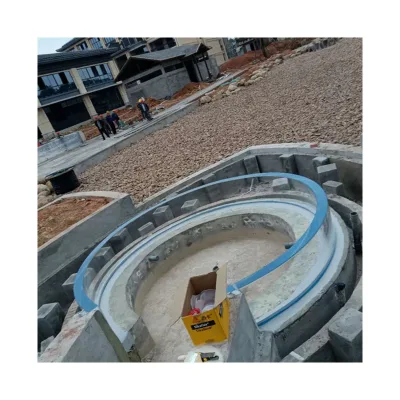


$50.00 - $100.00
MOQ: 1 Pieces

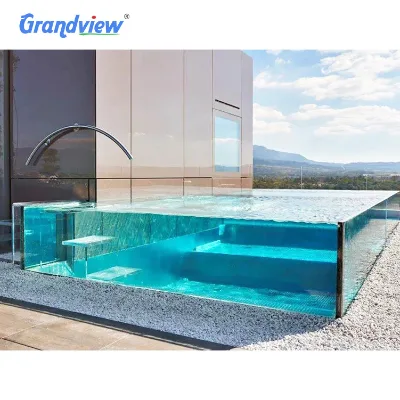
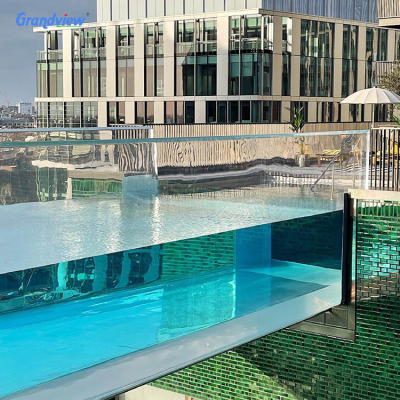



Comprehensive Sourcing Guide
One-Time Casting Acrylic Pool Wall Sourcing Guide
Procuring one-time casting acrylic pool walls requires a strategic approach that balances optical clarity with structural integrity. Buyers must recognize that this specialized component serves as the primary visual and physical barrier in commercial and high-end residential aquatic environments. The manufacturing process involves pouring liquid acrylic monomer into a mold, allowing it to polymerize into a solid, homogeneous sheet. This method eliminates the internal stresses and layer delamination risks associated with extruded alternatives, ensuring a product that maintains its transparency and strength over decades of exposure to water and UV radiation.
The sourcing landscape for these walls is niche, dominated by manufacturers who possess specialized casting equipment and rigorous quality control protocols. Unlike standard plastic sheets, pool walls must withstand significant hydrostatic pressure and thermal expansion. Therefore, buyers should prioritize suppliers who demonstrate expertise in large-format casting rather than general plastic sheet producers. Understanding the distinction between continuous casting and batch casting is essential, as the former often yields more consistent thickness and optical properties, which are critical for the seamless aesthetic required in modern pool designs.
Product Scope and Observed Listing Signals
Market listings for acrylic pool walls reveal a wide variance in technical parameters, requiring careful filtering to identify suitable candidates. Observed data indicates that thickness ranges typically span from 1.8mm to 300mm, with specific pool applications often utilizing thicker sections for structural stability. Buyers should note that while some listings advertise standard sheet sizes like 1220x2440mm, custom dimensions are frequently available to meet specific pool geometries. The presence of keywords such as "tunnel" or "commercial pool" suggests that suppliers may offer specialized variants designed for high-traffic or unique architectural features, necessitating a review of the specific model numbers and origin locations provided.
Light transmission and surface quality are critical visual indicators of product grade. High-quality casting acrylic typically exhibits light transmission rates exceeding 93%, providing the crystal-clear appearance expected in premium aquatic installations. Listings often highlight surface treatments such as high hardness and glossy finishes, which contribute to both aesthetic appeal and ease of maintenance. However, buyers must verify that these claims are backed by actual product specifications rather than generic marketing text. The observed density of approximately 1.2kg/cm³ and low water absorption rates of 0.1% to 0.3% are key indicators of material purity and durability, distinguishing true casting acrylic from lower-grade copolymers or extruded sheets.
Technical Specifications to Verify
Tensile and flexural strength are paramount for ensuring the wall can withstand operational loads without cracking or deforming. Verified data suggests tensile strength values ranging from 51MPa to 130MPa, with specific high-performance grades reaching up to 130MPa. Buyers must confirm the exact strength metrics for the selected thickness, as thinner sheets may require higher material grades to compensate for reduced structural mass. Flexural strength, observed around 88.6MPa in some listings, indicates the material's ability to resist bending under pressure, a crucial factor for large, unsupported spans in pool walls.
Thermal and mechanical stability must also be rigorously evaluated. The contraction percentage, typically less than 0.4% for high-quality casting, ensures dimensional stability during temperature fluctuations, preventing warping or joint failure. Additionally, the material's resistance to weathering and UV exposure is vital for outdoor installations, with many suppliers claiming excellent resistance to environmental degradation. Buyers should request detailed technical data sheets that specify the coefficient of thermal expansion and impact resistance, ensuring the selected acrylic can endure the dynamic stresses of pool operation, including water hammer effects and potential physical impacts from users or maintenance equipment.
Compliance and Safety Documentation
Safety certifications are non-negotiable for pool components that interact directly with users and drinking water systems. Buyers must verify that the acrylic material holds relevant certifications such as SGS, RoHS, and CE, which attest to the absence of harmful substances and compliance with international safety standards. These certifications ensure that the material does not leach toxic chemicals into the water, maintaining water quality and protecting user health. It is essential to request valid, up-to-date certification documents from the supplier, as counterfeit or expired certificates are a risk in the global supply chain.
Water safety and hygiene standards must also be strictly adhered to. While specific water contact certifications were not explicitly detailed in the observed listings, buyers should inquire about compliance with local health department regulations and international standards for materials in contact with potable water. The material's low water absorption rate of 0.1% to 0.3% helps prevent bacterial growth within the sheet itself, but surface treatments and edge sealing are equally important. Buyers should ensure that the supplier provides documentation on the material's biocompatibility and resistance to algae and mold accumulation, which are common concerns in aquatic environments.
Cost Drivers and Commercial Terms
The cost of one-time casting acrylic pool walls is influenced by several factors, including material purity, thickness, and customization requirements. Virgin acrylic raw materials are more expensive than recycled alternatives, but they offer superior optical clarity and mechanical properties. Thickness is a primary cost driver, with thicker walls requiring more material and longer curing times, significantly increasing the unit price. Buyers should expect price variations based on the specific model and origin, with products from established manufacturing hubs like Guangdong or Jiangsu potentially offering competitive pricing due to economies of scale.
Commercial terms such as minimum order quantity (MOQ) and packaging details also impact the total procurement cost. Observed MOQs range from 1 to 1000 units, allowing for flexibility in small-scale projects or large commercial installations. Packaging is critical to prevent damage during transit, with suppliers using methods such as PE film masking, kraft paper, and iron pallets to protect the high-gloss surface. Buyers should clarify who bears the risk of damage during shipping and ensure that the packaging is robust enough to handle the weight and fragility of large acrylic sheets. Lead times may vary based on production capacity and customization needs, so early planning is essential to avoid project delays.
Supplier Qualification and Quality Control
Evaluating supplier capability is crucial for ensuring consistent quality in large-format acrylic casting. Buyers should assess the manufacturer's production capacity, with some suppliers advertising supply abilities of up to 500,000 pieces per month, indicating robust manufacturing infrastructure. It is important to verify that the supplier has dedicated casting lines for pool walls rather than relying on general sheet production. Experience in producing large, defect-free sheets is a key indicator of technical proficiency, as casting large areas without bubbles, inclusions, or thickness variations requires advanced process control.
Quality control protocols must be transparent and rigorous. Buyers should inquire about the supplier's internal testing procedures, including checks for light transmission, tensile strength, and surface defects. Requesting sample batches for independent testing is a prudent step to verify the supplier's claims before committing to a large order. Additionally, buyers should assess the supplier's ability to provide customized solutions, as pool walls often require specific dimensions and edge treatments. A reliable supplier will offer comprehensive technical support and after-sales service, ensuring that any issues are addressed promptly and professionally.
Long-Term Procurement Checks
Establishing a long-term relationship with a reliable supplier requires ongoing performance monitoring and periodic audits. Buyers should track key performance indicators such as delivery times, defect rates, and responsiveness to technical queries. Consistent quality over multiple orders is a strong indicator of a supplier's stability and commitment to excellence. Regular communication with the supplier can help identify potential issues early, allowing for corrective actions before they impact the project timeline or budget.
Future-proofing the procurement strategy involves staying informed about advancements in acrylic technology and market trends. Buyers should periodically review the supplier's product portfolio for new innovations, such as improved UV resistance or enhanced mechanical properties. Additionally, maintaining a diversified supplier base can mitigate risks associated with supply chain disruptions. By continuously evaluating supplier performance and market conditions, buyers can ensure that their procurement strategy remains effective and cost-efficient, supporting the long-term success of their aquatic projects.
FAQs
What is the light transmission of the acrylic sheet?
The acrylic sheet offers a light transmission of 93 percent. This high clarity ensures excellent visibility for pool applications. The material maintains transparency while providing structural integrity for commercial pool walls.
Can the product be customized for specific pool sizes?
Yes, the product supports customized dimensions for various pool requirements. Standard sizes include 1220 by 2440 millimeters, but custom orders are available. Buyers can request specific thicknesses ranging from 1.8 to 300 millimeters.
Which certifications does the acrylic material hold?
The material holds SGS, RoHS, and CE certifications for safety and quality. These standards ensure the product meets international requirements for commercial use. Buyers can verify these credentials before placing large orders.
How does the material resist weather conditions?
The acrylic sheet provides excellent resistance to weather exposure. It maintains stability under varying environmental conditions without degrading quickly. This durability makes it suitable for outdoor playgrounds, gardens, and gym facilities.
What is the tensile strength of the acrylic sheet?
The tensile strength ranges between 81 and 130 megapascals for standard grades. Some variants show values around 70.6 megapascals or 51 to 80 megapascals depending on the specific formulation. This strength supports structural pool wall applications.
How is the product packed for shipping?
Products are packed using cartons, iron pallets, PE film, and kraft paper. Some variants use KT board with angle protection and masking film on both sides. This packaging ensures safe transport and prevents surface scratches during delivery.
Where is the product manufactured?
The product originates from Guangdong, China, with some items from Jiangsu. These locations are known for acrylic manufacturing capabilities. Buyers can expect consistent quality from these established production regions.