Source Oral Surgery Endodontic Motor for Root Canal, Cleaning, and Filling
Find and compare 30 Oral Surgery Endodontic Motor options for root canal treatment, cleaning, and filling procedures. Evaluate features like working modes, power sources, and certifications to select the right equipment for your clinic.
Key considerations
Products List


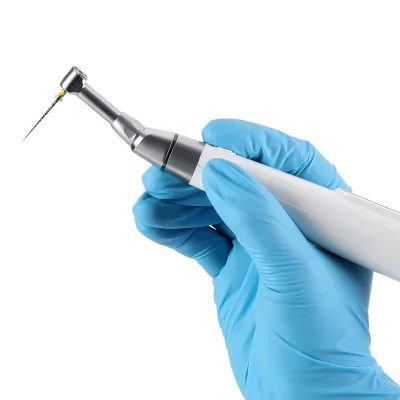


Dental Rotary Endo Motor Apex for Dental Treatment Endo Motor Endodontic
$275.00 - $350.00
MOQ: 1 Pieces
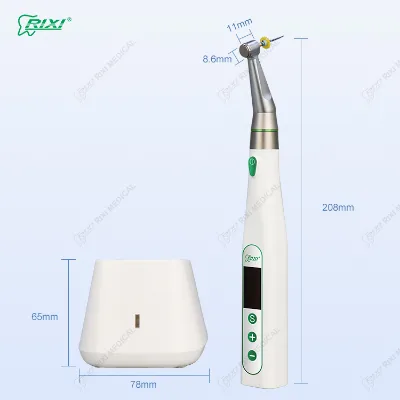


New Design Dental Endodontic Treatment Device Endo Motor with Apex Locator
$300.00 - $320.00
MOQ: 2 Pieces
Comprehensive Sourcing Guide
Oral Surgery Endodontic Motor Sourcing Guide
Procuring an Oral Surgery Endodontic Motor requires a precise understanding of the device's role in root canal treatments and the specific operational demands of modern dental clinics. These electric instruments are designed to drive standard Ni-Ti files with high precision, ensuring efficient cleaning and shaping of the root canal system. Buyers must recognize that while the core function remains consistent, the market offers distinct variations in motor models, such as the Endo AZ-1 and XLY-UM series, which cater to different workflow preferences and clinical environments.
The decision to source these devices hinges on balancing technical performance with commercial viability, as the observed market presents a wide price range from 34 to 490 USD. This variance often reflects differences in build quality, material composition, and the inclusion of advanced features like multiple working modes or wireless capabilities. A strategic approach involves identifying whether the clinic requires a single-item purchase or a bulk setup, as the minimum order quantity (MOQ) can range from a single piece to a full set, directly impacting initial capital expenditure and inventory planning.
Product Scope and Observed Listing Signals
The product scope for endodontic motors in the current market encompasses both wired and wireless electric units designed for endodontic and oral surgery applications. Listings frequently highlight specific attributes such as "Mini Head" sizes and "Standard Ni-Ti Files" compatibility, which are critical for accessing complex canal structures. Buyers should note that while some units are marketed specifically for "Root Canal Treatment," others are broadly categorized under "Cleaning & Filling Teeth Equipments," indicating a versatile utility that extends beyond basic instrumentation to include broader restorative procedures.
Observed listing signals reveal a diversity in physical specifications and packaging that can influence logistics and storage decisions. For instance, product dimensions vary significantly, with some models measuring 18.810.88cm while others are packaged in boxes of 19X13X10 cm, and weights range from 0.65kg to 2100g depending on the inclusion of accessories or battery packs. The material composition is typically a combination of metal and plastic, or in some cases, PVC, which affects durability and sterilization protocols. Understanding these physical variances is essential for ensuring the equipment fits within existing clinic infrastructure and meets the spatial constraints of the operating theater.
Technical Specifications to Verify
When evaluating technical specifications, the primary focus must be on the motor's power source and operational modes, as these directly dictate clinical efficiency. The supplied data indicates that these devices are electrically powered and often feature multiple working modes, with some models offering up to six distinct settings to accommodate different file types and treatment stages. Buyers should verify the cycle frequency, which is typically listed as 50-60Hz, to ensure compatibility with the local electrical grid and to prevent performance issues during high-demand procedures.
Another critical technical verification involves the model number and head size, which determine the instrument's precision and reach. Specific models like the M7 or XLY-UM3 are identified in listings, and the "Mini Head" specification is a key differentiator for accessing narrow canals. Additionally, the distinction between "Non-Disposable" usage and the specific "Instrument classification" of Class II is vital for maintenance planning. Procurement teams must confirm that the selected model supports the intended file systems and that the single package size aligns with the clinic's sterilization and storage capabilities.
Compliance and Safety Documentation
Compliance and safety documentation are non-negotiable elements when sourcing medical devices for oral surgery and endodontic treatments. The market listings consistently highlight certifications such as CE and ISO, which serve as fundamental indicators that the product meets international safety and quality standards. Buyers must ensure that the specific unit they are purchasing carries valid certification marks, as the presence of these credentials is a prerequisite for legal operation in many jurisdictions and is essential for maintaining patient safety standards.
Beyond general certifications, the quality certification status and the specific product standard details must be scrutinized to avoid regulatory pitfalls. While some listings mention a standard of "20x15x10cm" which likely refers to packaging dimensions rather than a technical standard, others explicitly cite CE as the product standard. It is imperative to verify that the "Quality Certification" matches the regulatory requirements of the destination country. Furthermore, the "Instrument classification" of Class II confirms the device's risk profile, necessitating a review of the manufacturer's quality management system to ensure ongoing compliance with medical device regulations.
Cost Drivers and Commercial Terms
Cost drivers for endodontic motors are multifaceted, influenced by factors such as brand reputation, material quality, and the complexity of the electronic components. The observed price range of 34 to 490 USD suggests that budget-friendly options may lack advanced features like wireless connectivity or multiple working modes, while premium models likely offer enhanced durability and precision. Buyers should analyze the total cost of ownership, considering that higher initial costs may be offset by longer shelf lives, such as the 3-year shelf life noted in some listings, and robust warranty periods.
Commercial terms, particularly regarding Minimum Order Quantity (MOQ) and after-sales support, play a significant role in the procurement strategy. Listings indicate an MOQ as low as 1 piece or 1 set, providing flexibility for clinics looking to test new equipment without significant inventory commitment. However, the availability of "Return and Replacement" services and a standard 1-year warranty are critical safeguards against product failure. Buyers must negotiate clear terms regarding customization availability and the logistics of returns, ensuring that the supplier can support the device throughout its operational lifecycle.
Supplier Qualification and Quality Control
Supplier qualification begins with verifying the origin and manufacturing capabilities of the vendor, as the majority of listed products originate from China, with specific mentions of Hebei as a production hub. While the specific supplier names should not be assumed, the presence of established brands like Azdent and Umg in the listings suggests a competitive market with varying levels of quality control. Buyers should request evidence of the supplier's adherence to the stated ISO and CE standards and verify their capacity to maintain consistent product quality across different batches.
Quality control processes must be validated through the supplier's documentation of their manufacturing standards and testing procedures. The "Instrument classification" of Class II implies a regulated manufacturing environment, and buyers should ensure the supplier has a robust system for tracking product attributes like weight, color, and material composition. The availability of "Customization" options also serves as a proxy for a supplier's flexibility and technical competence. Establishing a clear communication channel for quality assurance and defect resolution is essential to mitigate risks associated with importing medical devices from international markets.
Long-Term Procurement Checks
Long-term procurement success relies on establishing a reliable supply chain that can support the clinic's evolving needs over time. Buyers should prioritize suppliers who offer a "Shelf Life" of at least 3 years and provide a "Warranty" of 1 year or more, ensuring that the investment remains viable for the duration of the device's expected use. Regular audits of the supplier's ability to maintain stock levels and provide timely replacements are necessary to prevent operational disruptions in the dental practice.
Continuous monitoring of product performance and supplier responsiveness is crucial for maintaining high standards of patient care. The "After-sale Service" of return and replacement must be tested and verified early in the relationship to ensure it functions effectively when needed. Additionally, buyers should stay informed about updates to the "Product name" or "Model Number" to ensure compatibility with existing accessories and files. By maintaining a proactive approach to supplier management, clinics can ensure a steady supply of high-quality endodontic motors that support their clinical objectives.
FAQs
What certifications do these endodontic motors have?
These devices carry CE and ISO certifications, ensuring compliance with international safety and quality standards. The products are classified as Class II instruments, which is typical for dental equipment requiring moderate control. This certification status helps buyers verify regulatory adherence before procurement, supporting smoother customs clearance and clinical deployment in various regions.
Can the device be customized for specific clinics?
Yes, customization is available for these dental endo motors. Buyers can request specific configurations to match their clinic's workflow or branding needs. This flexibility allows for tailored solutions, ensuring the equipment integrates seamlessly into existing dental setups. It is advisable to discuss specific requirements with the supplier during the inquiry phase to confirm feasibility.
What is the minimum order quantity for these motors?
The minimum order quantity is typically one piece or one set, depending on the specific model. This low MOQ allows clinics to test the equipment with minimal initial investment. It supports flexible purchasing strategies, enabling buyers to acquire single units for evaluation or small batches for immediate clinical use without committing to large inventory volumes.
How many working modes does the motor offer?
The motor features six working modes, providing versatility for various endodontic procedures. These modes allow clinicians to adjust speed and torque settings according to the specific requirements of root canal treatments. This adaptability ensures precise control during instrumentation, enhancing treatment outcomes and patient comfort while accommodating different file types and clinical scenarios.
What is the warranty period for these devices?
The warranty period is one year, covering manufacturing defects and functional issues. This guarantee provides buyers with confidence in the product's durability and performance. Additionally, return and replacement services are available, ensuring that any defective units can be addressed promptly. This support structure helps minimize downtime and maintains clinical workflow efficiency.
Where are these endodontic motors manufactured?
These devices are manufactured in China, with some specific models originating from Hebei. This location is a major hub for dental equipment production, offering competitive pricing and established supply chains. Buyers should consider shipping logistics and lead times associated with this origin when planning their procurement strategy and inventory management for clinical operations.