Source Peptide Repair Powder Face Cream for Anti-Aging, Firming, and Moisturizing
Explore 30 listings of Peptide Repair Powder Face Cream designed for anti-aging, firming, and moisturizing needs. Buyers can compare features like ingredients, certifications, and customization options to find the right supplier for their skincare business; compare the available evidence and request quotations based on your requirements.
Updated
Key considerations
Products List
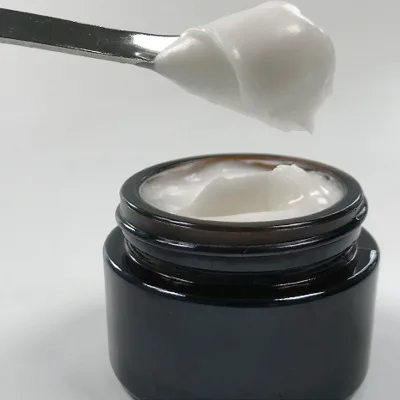

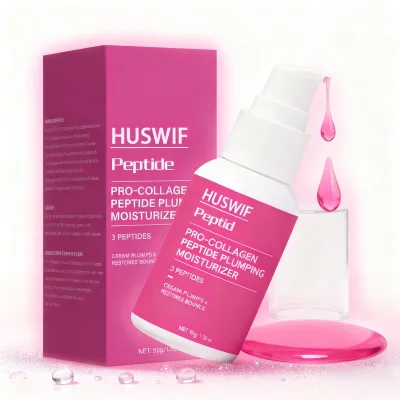
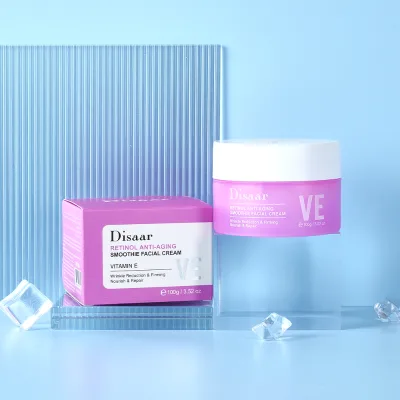


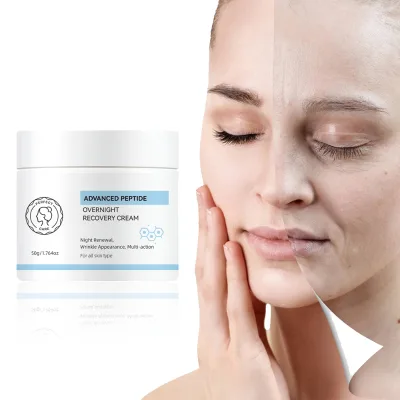
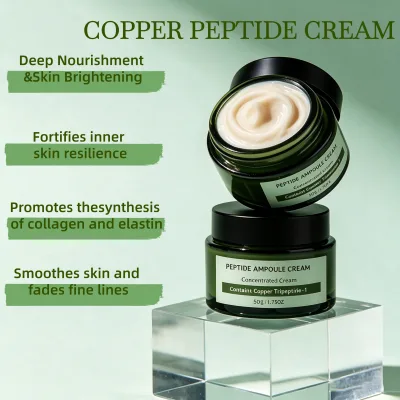
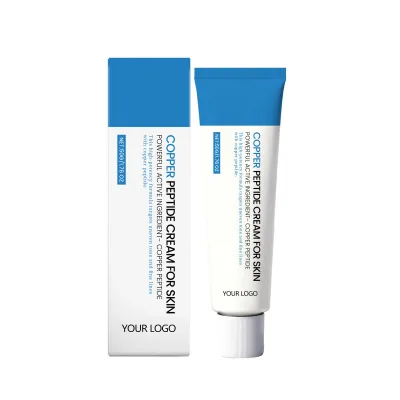
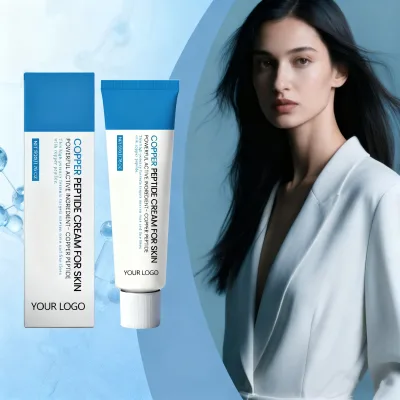
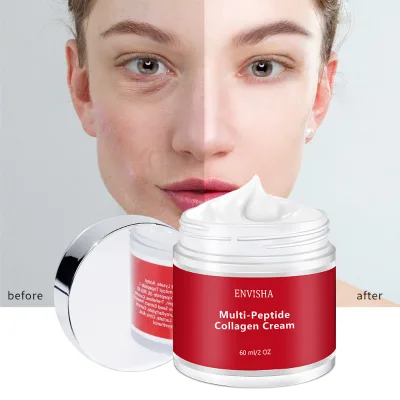
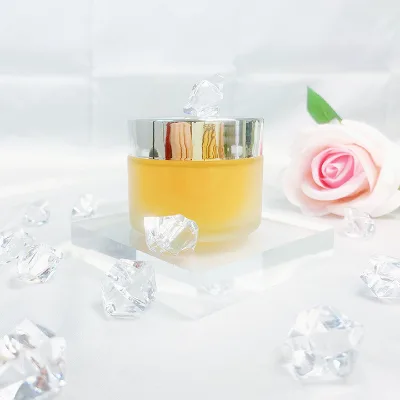


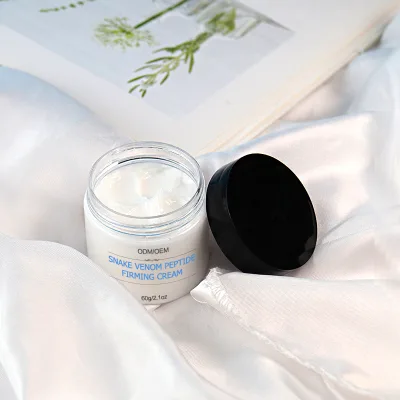
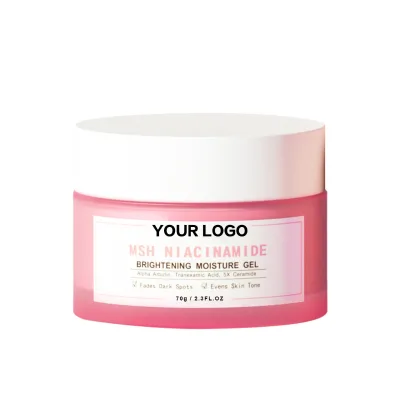
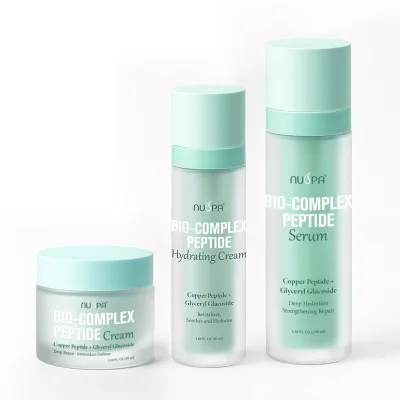
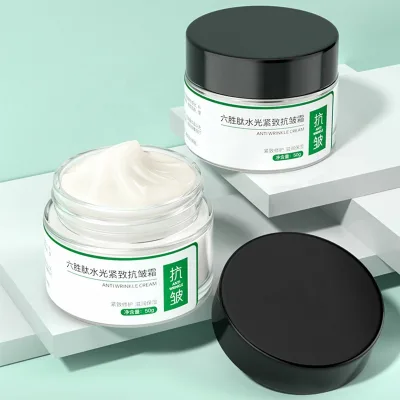
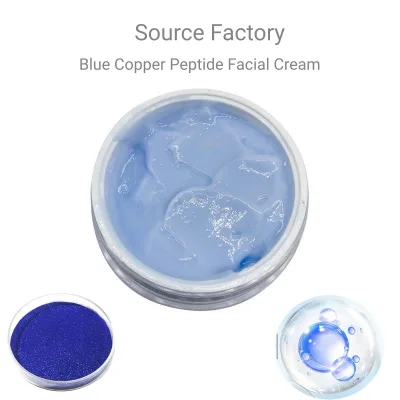
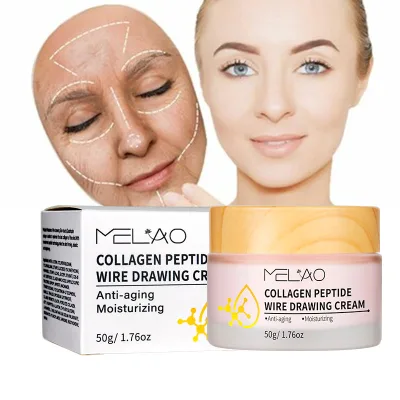
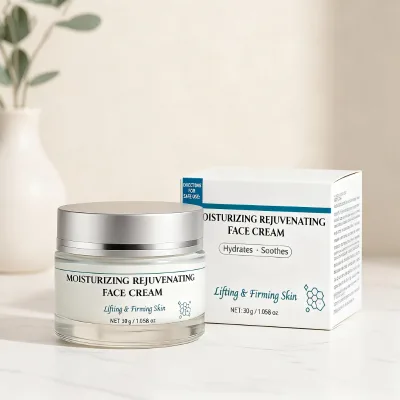
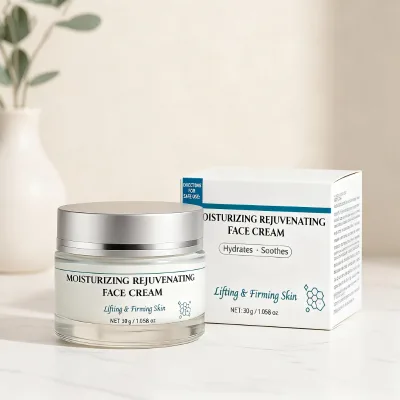
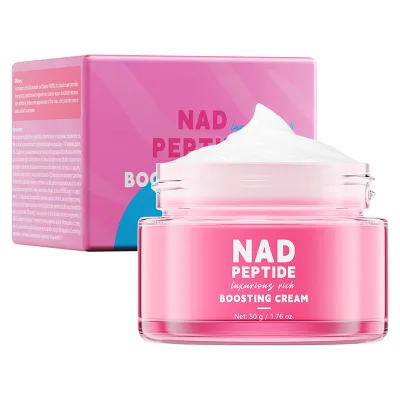
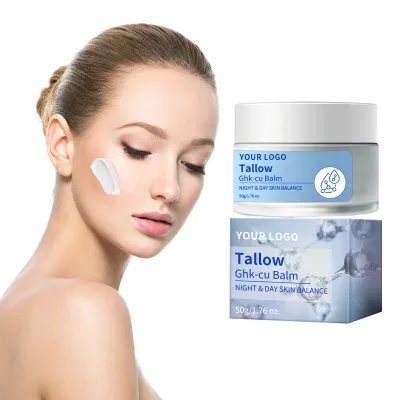
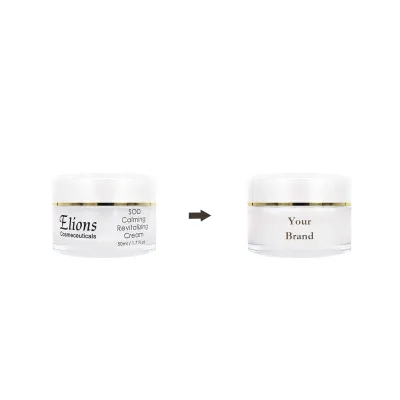
Comprehensive Sourcing Guide
Peptide Repair Powder Face Cream Sourcing Guide
Sourcing Peptide Repair Powder Face Cream requires a nuanced understanding of the intersection between advanced cosmetic actives and traditional cream formulations. Buyers must distinguish between products that utilize peptide powders as primary active ingredients versus those that merely list peptides among numerous other components. The market offers a variety of options, including specialized repair creams and smoothie-style facial products, each with distinct formulation philosophies. Understanding these differences is critical for aligning product selection with specific brand positioning and consumer expectations.
Procurement teams should focus on verifying the specific type and concentration of peptides used, such as oligopeptides or collagen-derived peptides, which are frequently cited in current listings. These ingredients are often paired with complementary actives like hyaluronic acid, niacinamide, and arbutin to enhance efficacy. Buyers need to assess whether the product is designed for night-time repair or day-time protection, as this influences the choice of additional ingredients like retinol or vitamin E, which may require specific stability testing and packaging considerations.
Product Scope and Observed Listing Signals
Current market listings indicate a diverse range of peptide-based facial creams, with observed price points ranging from $0.73 to $77.72 USD. This wide variance suggests significant differences in ingredient quality, packaging sophistication, and brand positioning. Minimum order quantities (MOQs) typically span from 1 to 3,000 units, offering flexibility for both small-scale startups and large-volume distributors. Buyers should carefully evaluate whether the listed price includes customization services, such as private labeling or OEM/ODM development, which can impact the total cost of acquisition.
Product attributes frequently highlight features such as anti-aging, anti-wrinkle, firming, and moisturizing benefits, often targeting all skin types. Common main ingredients include pearl extract, aloe vera, ceramides, and various peptide complexes. Some listings specify a net weight of 30ml or 50g, while others offer 100g volumes. Buyers must verify if the product is intended for home use or professional application, as this affects regulatory classification and marketing claims. The presence of herbal or organic ingredients may also appeal to specific consumer segments seeking natural skincare solutions.
Technical Specifications to Verify
Technical verification begins with confirming the physical specifications of the product, including single package dimensions and gross weight. Listings show variations such as 13x13x11 cm packages weighing 0.500 kg, or smaller 6x8.2x8.2 cm units. Buyers must ensure that the packaging material provides adequate protection for sensitive peptide ingredients, preventing degradation due to light or air exposure. The model numbers, such as pallas-518 or DS4132, serve as unique identifiers for quality control and reorder accuracy, so maintaining precise records is essential for supply chain management.
Shelf life is another critical technical parameter, with observed ranges extending from 3 to 5 years. Buyers should verify the storage conditions required to maintain this shelf life, particularly for products containing retinol or vitamin E, which are prone to oxidation. The form of the product, typically a cream, must be evaluated for texture, spreadability, and absorption rate. Additionally, the color of the cream, often white, ivory, or pink, should align with brand aesthetics. Confirming the exact volume and net weight ensures consistency in dosing and consumer experience, reducing the risk of customer complaints regarding product quantity.
Compliance and Safety Documentation
Compliance documentation is paramount when sourcing peptide repair creams, as these products are subject to strict cosmetic regulations. Buyers must request and verify certifications such as ISO22716, GMPC, CE, FDA, GMP, and MSDS. These certifications indicate adherence to good manufacturing practices and safety standards, ensuring that the product is safe for consumer use. The presence of MSDS is particularly important for understanding the chemical composition and handling requirements of the product, especially if it contains potent actives like retinol or AHAs.
Buyers should also verify that the product meets the specific standards of the target market, such as the EU Cosmetics Regulation or FDA guidelines. Documentation should include ingredient lists, concentration levels, and any potential allergens. It is crucial to confirm that the product is cruelty-free and organic, if these claims are made, as false advertising can lead to legal repercussions. Additionally, buyers should ensure that the supplier provides batch-specific test results for heavy metals, microbial contamination, and stability testing, which are essential for maintaining product integrity and consumer safety.
Cost Drivers and Commercial Terms
Cost drivers for peptide repair creams include the quality and source of active ingredients, packaging complexity, and customization services. Products featuring high-concentration peptides, such as oligopeptides or collagen, typically command higher prices. Buyers should also consider the cost of private labeling, custom logos, and specialized packaging materials, which can significantly impact the final unit cost. Understanding the MOQ requirements is essential, as lower MOQs often come with higher per-unit prices, while bulk orders may offer discounts but require larger capital outlays.
Commercial terms should be clearly defined, including payment methods, shipping terms, and lead times. Buyers must verify if the supplier offers OEM/ODM services, which can add value but may extend lead times. It is important to negotiate clear terms for quality assurance, including procedures for handling defective batches or non-conforming products. Additionally, buyers should consider the total cost of ownership, including storage, handling, and potential returns, to ensure that the procurement strategy aligns with overall business objectives and profitability targets.
Supplier Qualification and Quality Control
Supplier qualification involves assessing the manufacturer’s experience, production capacity, and quality management systems. Buyers should prioritize suppliers with a proven track record in cosmetic manufacturing, ideally with over 20 years of experience, as indicated in some listings. Verification of production facilities, including cleanliness and equipment standards, is crucial to ensure consistent product quality. Buyers should also evaluate the supplier’s ability to provide customized solutions, such as tailored formulations or packaging designs, to meet specific brand requirements.
Quality control processes should be rigorously evaluated, including in-process testing and final product inspection. Buyers must ensure that the supplier conducts regular audits and provides detailed quality reports for each batch. It is essential to establish clear communication channels for addressing quality issues promptly. Additionally, buyers should verify the supplier’s ability to scale production to meet demand fluctuations without compromising quality. Building a strong relationship with the supplier through regular reviews and feedback can help maintain high standards and foster long-term collaboration.
Long-Term Procurement Checks
Long-term procurement checks involve continuous monitoring of product performance, market trends, and supplier reliability. Buyers should regularly review customer feedback and sales data to assess the product’s market acceptance and identify areas for improvement. Tracking changes in ingredient regulations and consumer preferences is essential to ensure that the product remains competitive and compliant. Buyers should also monitor the supplier’s financial stability and operational capacity to mitigate supply chain risks.
Periodic re-evaluation of supplier certifications and quality control processes is necessary to maintain high standards. Buyers should conduct surprise audits or third-party inspections to verify ongoing compliance with agreed-upon specifications. Additionally, staying informed about emerging technologies and ingredients in the peptide skincare sector can help buyers identify opportunities for product innovation. Establishing a robust supplier relationship management system can facilitate proactive issue resolution and foster a collaborative partnership, ensuring long-term success in the competitive skincare market.
FAQs
What certifications do Peptide Repair Powder Face Cream products have?
Products typically hold ISO22716, GMPC, CE, FDA, GMP, and MSDS certifications. These credentials ensure compliance with international manufacturing and safety standards. Buyers should verify specific documentation for each supplier to confirm regulatory alignment for their target export markets and distribution channels.
Can I customize the Peptide Repair Powder Face Cream with my own brand?
Yes, OEM, ODM, and private label services are available. Suppliers offer customized logos and packaging options to meet specific brand requirements. This allows businesses to create unique product identities while leveraging established manufacturing capabilities for consistent quality and professional presentation in the market.
What are the main ingredients in peptide repair face creams?
Common ingredients include peptides, hyaluronic acid, collagen, niacinamide, arbutin, and vitamin E. Some formulations also feature retinol, ceramides, and herbal extracts. These components work together to provide anti-aging, moisturizing, and skin revitalizing benefits suitable for various skin types and concerns.
What is the typical MOQ for Peptide Repair Powder Face Cream orders?
Minimum order quantities range from 1 to 3000 pieces depending on the supplier and customization level. Standard items may have lower MOQs, while private label services often require higher volumes. Buyers should confirm specific thresholds with manufacturers to align with their inventory and budget planning.
Where are peptide repair face cream manufacturers located?
Manufacturers are primarily located in Guangzhou and Guangdong, China. This region is a major hub for cosmetics production with established supply chains. Buyers can access a wide variety of suppliers offering diverse formulations, packaging options, and competitive pricing within this concentrated industrial area.
What shelf life do peptide repair face creams typically offer?
Shelf life generally ranges from 3 to 5 years. This duration ensures product stability and efficacy during storage and distribution. Buyers should check expiration dates on specific batches to guarantee freshness upon receipt and to manage inventory turnover effectively in their supply chain operations.