Source Portable Class II Vein Finder for Home Clinic Hospital
Compare 30 Portable Class II Vein Finder models from Chinese manufacturers. Buyers can evaluate specifications like detection depth, power source, and certifications to select suitable imaging diagnostic equipment for home, clinic, or hospital use.
Key considerations
Products List
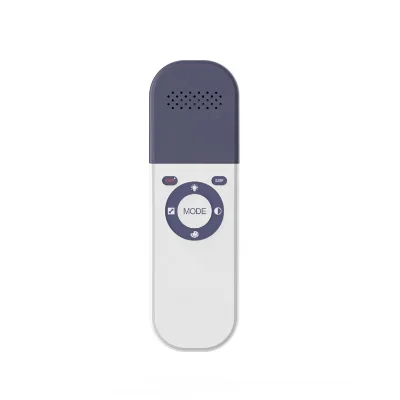


Vein Finder Available Infrared Vein Finder Price Portable Vein Finder Viewer
$99.00 - $1999.00
MOQ: 1 Pieces


Portable Medical Vein Finder for Hospital and Clinic Vein Visualization
$80.00 - $110.00
MOQ: 1 Pieces


Medical Portable Vein Finder Infrared Detector for Clinic and Hospital
$590.00 - $929.00
MOQ: 1 Pieces


Mobile Stand Type Medical Portable Vein Finder Vein Viewer Vein Detector
$750.00 - $800.00
MOQ: 2 Pieces


Professional Medical Equipment Handheld 500 Vein Finder with Wholesale Price
$700.00 - $900.00
MOQ: 2 Pieces
Comprehensive Sourcing Guide
Portable Class II Vein Finder Sourcing Guide
Sourcing portable Class II vein finders requires a disciplined approach to balancing clinical utility with commercial viability. These devices, often classified as imaging diagnostic equipment, utilize infrared technology to project visible maps of subcutaneous veins onto the skin surface. This non-invasive assistance is critical for improving first-pass success rates during venipuncture, particularly in patients with difficult venous access. Buyers must recognize that while the core function remains consistent, the underlying hardware, power systems, and certification statuses vary significantly across suppliers. Understanding these variations is essential for selecting a device that aligns with specific clinical workflows and regulatory requirements.
The procurement landscape for these instruments is characterized by a wide range of price points and technical configurations. Observed market data indicates a price range from approximately $18 to $2,345 USD, reflecting differences in build quality, battery capacity, and certification levels. Minimum order quantities (MOQs) are typically low, ranging from 1 to 2 units, which facilitates initial sampling and small-scale clinical trials. However, buyers should be cautious of extremely low-priced options that may lack robust after-sales support or valid regulatory certifications. A thorough evaluation of the supplier’s supply ability, warranty terms, and technical support infrastructure is necessary to ensure long-term operational reliability.
Product Scope and Observed Listing Signals
The product scope for portable vein finders encompasses a variety of form factors, from handheld units to more robust, cart-based systems, though the focus here is on portable, battery-operated devices. These instruments are designed for use in diverse settings, including home care, clinics, and hospitals. The primary value proposition lies in their ability to reduce procedure time and patient discomfort by accurately locating veins. Buyers should look for devices that offer adjustable infrared wavelengths, typically in the range of 760-940nm, to ensure optimal penetration and visibility for different skin tones and vein depths. The detection depth is a critical specification, with many models offering a range of 0-10mm, which is sufficient for most peripheral venous access needs.
Observed listing signals reveal significant variation in technical specifications and packaging details. For instance, some models feature a power rate of 5W and operate on DC 5V 2A, while others may utilize higher-capacity lithium batteries, such as Samsung 4800mAh units, for extended operational life. The physical dimensions and weight also vary, with some devices weighing around 4kg and others being significantly lighter for enhanced portability. Packaging standards differ as well, with options ranging from simple carton boxes to foam-lined protective cases. Buyers must carefully review these details to ensure the device meets their specific logistical and clinical requirements, avoiding assumptions based on generic product titles.
Technical Specifications to Verify
When evaluating technical specifications, buyers should prioritize the accuracy of blood vessel position detection, which is a key performance indicator for clinical efficacy. Some models claim an accuracy of ±0.3mm, a figure that should be verified through independent testing or supplier-provided validation data. The infrared detection distance is another crucial parameter, with typical ranges falling between 15-35cm depending on the model. Devices with a wider detection range offer greater flexibility for clinicians, allowing them to scan larger areas without needing to reposition the device frequently. It is also important to verify the noise levels, with many modern devices operating at less than 20-30dB, ensuring a quiet and non-disruptive clinical environment.
Power source and battery life are critical considerations for portable devices, especially in settings where access to electrical outlets may be limited. Buyers should confirm whether the device uses a rechargeable lithium battery or requires external power adapters. The adapter specifications, such as 100V-240V AC input with 50Hz-60Hz frequency, should be compatible with the local power infrastructure. Additionally, the shelf life and warranty period of the device should be clearly stated, with many suppliers offering a 1-year warranty and a 1-year shelf life. Buyers should also inquire about the availability of replacement batteries and the cost associated with them, as these can impact the total cost of ownership over time.
Compliance and Safety Documentation
Compliance with regulatory standards is paramount when sourcing medical equipment, as it ensures patient safety and legal market access. Buyers must verify the certification status of each device, looking for recognized marks such as FDA, CE, or EEC approvals. Some suppliers may list certifications as "others" or "ISOCE," which requires further clarification to ensure they meet the specific regulatory requirements of the target market. The classification of the device as Class II indicates a moderate to high risk, necessitating strict quality control and regulatory oversight. Buyers should request copies of the certification documents and verify their validity with the respective regulatory bodies.
In addition to regulatory certifications, buyers should assess the quality management systems employed by the supplier. While ISO 13485 is a trusted standard for medical device quality management, its presence should be confirmed rather than assumed. The supplier’s ability to provide a Certificate of Conformity (CoC) and a Declaration of Conformity (DoC) is essential for customs clearance and market entry. Buyers should also inquire about the supplier’s history of regulatory inspections and any past non-compliance issues. A transparent and proactive approach to regulatory compliance is a strong indicator of a reliable and trustworthy supplier.
Cost Drivers and Commercial Terms
The cost of portable vein finders is influenced by several factors, including the complexity of the technology, the quality of materials used, and the level of regulatory compliance. Devices with higher accuracy, longer battery life, and robust certifications typically command higher prices. Buyers should also consider the total cost of ownership, which includes maintenance, repair, and replacement parts. Some suppliers offer online technical support, which can reduce downtime and maintenance costs, while others may require on-site service visits. Understanding the warranty terms and the scope of after-sales service is crucial for budgeting and risk management.
Commercial terms such as MOQ, lead time, and payment terms also play a significant role in the procurement decision. While observed MOQs are low, buyers should negotiate for volume discounts if they plan to purchase larger quantities. Lead times can vary depending on the supplier’s production capacity and inventory levels, so it is important to confirm the expected delivery date before placing an order. Payment terms should be secure and aligned with industry standards, with options such as letter of credit or escrow services providing additional protection. Buyers should also clarify the port of dispatch, with Guangzhou being a common origin point, and factor in shipping and customs duties in their cost calculations.
Supplier Qualification and Quality Control
Supplier qualification is a critical step in ensuring the reliability and consistency of the supplied devices. Buyers should conduct a thorough due diligence process, including verifying the supplier’s business license, manufacturing capabilities, and quality control procedures. The supplier’s supply ability, such as 1000 pieces per month, should be sufficient to meet the buyer’s demand without compromising quality. Buyers should also assess the supplier’s reputation through customer reviews, industry references, and any available audit reports. A supplier with a strong track record of delivering high-quality products on time is more likely to meet the buyer’s expectations.
Quality control measures should be clearly defined and consistently implemented by the supplier. Buyers should inquire about the testing procedures used to verify the performance and safety of each device before shipment. This may include electrical safety tests, infrared emission tests, and accuracy verification tests. The supplier should provide a quality assurance plan that outlines these procedures and the criteria for acceptance. Buyers should also consider conducting their own incoming quality control inspections upon receipt of the goods to ensure compliance with the agreed-upon specifications. A robust quality control system is essential for maintaining patient safety and device performance.
Long-Term Procurement Checks
Long-term procurement success depends on establishing a sustainable and collaborative relationship with the supplier. Buyers should regularly review the supplier’s performance against key metrics such as delivery times, product quality, and after-sales support. Any deviations from the agreed-upon standards should be addressed promptly through formal communication and corrective action plans. Buyers should also stay informed about any changes in regulatory requirements or industry standards that may impact the use of the devices. Proactive engagement with the supplier can help mitigate risks and ensure continuous improvement.
Additionally, buyers should plan for the lifecycle management of the devices, including maintenance, upgrades, and eventual replacement. Establishing a clear protocol for handling defective units and obtaining replacements is essential for minimizing operational disruptions. Buyers should also consider the availability of software updates or firmware enhancements that may improve device performance or add new features. By maintaining a strategic approach to procurement and supplier management, buyers can ensure that their portable vein finders continue to deliver value and support clinical excellence over the long term.
FAQs
What is the power source for these vein finders?
The power source is electric, typically utilizing a DC 5V 2A adapter or a Samsung 4800mAh lithium battery. This ensures reliable operation in home clinics and hospitals without requiring complex wiring setups.
Which certifications do these medical devices hold?
Certifications include FDA, EEC, and CE for specific models, while others list ISOCE or general quality certifications. Buyers should verify the specific certification status for each model number like YJ-VF26005 before purchase.
Can I customize the packaging for bulk orders?
Customization is available for packaging details, with options ranging from standard cartons to cartons with foam. The standard package dimensions vary by model, such as 20x20x6cm or 40x30x20cm depending on the specific unit.
What is the shelf life of the vein detector?
The shelf life is one year for the listed medical equipment. This duration applies to the product's functional integrity before use, ensuring safety and performance standards are met within the specified timeframe.
How accurate is the blood vessel position detection?
The accuracy of blood vessel position is typically within plus or minus 0.3mm for infrared detection models. This precision allows for reliable vein visualization at distances ranging from 15 to 35cm from the skin surface.
What is the supply ability for monthly orders?
The supply ability is 1000 pieces per month for the manufacturer. This capacity supports steady procurement needs for single items or larger batches while maintaining the standard packaging and quality control measures.
Where is the port of dispatch for these products?
The port of dispatch is Guangzhou, China. All shipments originate from this location, which is consistent with the place of origin for the MeCan brand and other listed medical equipment models.