Source Portable Pediatric Urethro Cystoscopy Endoscope for Clinics
Find and compare 30 Portable Pediatric Urethro Cystoscopy Endoscope options for urology and gynecology procedures. Evaluate stainless steel and plastic models with CMOS HD cameras, HDMI output, and CE ISO certifications to select the right instrument set for your hospital needs.
Key considerations
Products List

Portable Rigid Cystoscope Endoscopy Medical Device for Urology Surgery
$200.00 - $400.00
MOQ: 1 pieces

Portable Video Cystoscope Autoclavable Rigid Endoscope Endoscopy Instrument Urology
$200.00 - $400.00
MOQ: 1 pieces


Medical Endoscope Cystoscope Abdominal Endoscope Urethro-Cystoscope Sinoscope Urology
$1000.00 - $10000.00
MOQ: 10 Pieces

Medical Endoscope Cystoscope Abdominal Endoscope Urethro-Cystoscope Sinoscope Urology Hina
$1000.00 - $10000.00
MOQ: 10 Pieces

Medical Endoscope Otoscope Abdominal Endoscope Urethro-Cystoscope Sinoscope
$1000.00 - $10000.00
MOQ: 10 Pieces

Medical Endoscope Otoscope Abdominal Endoscope Urethro-Cystoscope Sinoscope Urology
$1000.00 - $10000.00
MOQ: 10 Pieces

Medical Endoscope Otoscope Abdominal Endoscope Urethro-Cystoscope Sinoscope Urology China
$1000.00 - $10000.00
MOQ: 10 Pieces

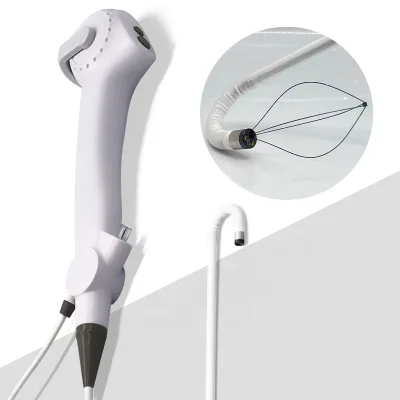


in-P029-1 Urological Pediatric Portable Video Endoscope Digital Flexible Cystoscope Set Price
$3000.00 - $4000.00
MOQ: 1 Pieces


Urology Flexible Cystoscope USB Port Portable Hospital Flexible Cystoscope
$500.00 - $2000.00
MOQ: 1 Pieces

Portable Ureteroscope Endoscopic Camera Video Ureteroscope Flexible Endoscope
$500.00 - $2000.00
MOQ: 1 Pieces

Single Use Urology Endoscope Flexible Disposable Ureteroscope Cystoscopy Percutaneous Nephroscopy
$500.00 - $2000.00
MOQ: 1 Pieces


Medical Urology Endoscope Equipment Digital USB Portable Video Flexible Ureteroscope
$500.00 - $2000.00
MOQ: 1 Pieces


Sy-P004 Cystoscope for Cystoscopy Use Pediatric Urethro Cystoscope Set
$55.00 - $2055.00
MOQ: 1 Pieces

IN-P China endoscope portable video flexible cystoscope/ choledochoscope / ureteroscope
$4000.00 - $6000.00
MOQ: 1 Pieces


Image Diagnostic Equipment Medical Cystoscope Endoscope for Urology
$5000.00 - $10000.00
MOQ: 1 Pieces


Advanced Medical Disposable HD Flexible Cystoscope for Urology Diagnostics
$220.00 - $330.00
MOQ: 1 Pieces

Comprehensive Sourcing Guide
Portable Pediatric Urethro Cystoscopy Endoscope Sourcing Guide
Sourcing a Portable Pediatric Urethro Cystoscopy Endoscope requires distinguishing between reusable stainless steel systems and disposable plastic variants, as the supplied market data reveals a split in product construction and intended usage. Buyers must carefully evaluate whether the clinical need prioritizes the durability and cost-efficiency of reusable Class I or Class II instruments, or the infection-control benefits of single-use plastic devices designed for specific urological and anorectal applications. The observed product range includes models with varying classifications, such as those labeled for physiological diagnosis and monitoring, which necessitates a clear definition of the procedural environment before selecting a supplier.
The procurement landscape for these devices is characterized by a wide variance in pricing and minimum order quantities, ranging from single-item purchases to bulk orders with significant price disparities. While some listings indicate a price range between 29 and 10,000 USD, this spread reflects differences in material composition, such as stainless steel versus plastic, and the inclusion of integrated components like CMOS HD cameras or 10-inch monitors. Procurement teams must align their budget constraints with the specific clinical requirements, ensuring that the selected unit, whether a Cysto4 or a Sy-P004 model, matches the intended application of urology or gynecological examination without compromising on essential features like bending angles or channel dimensions.
Product Scope and Observed Listing Signals
When evaluating product listings, buyers should verify the specific instrument classification and material composition to ensure alignment with pediatric safety standards. The market data indicates the presence of both reusable stainless steel instruments and disposable plastic endoscopes, with some units explicitly marketed as single-use cystoscopes while others are designed for repeated sterilization cycles. It is critical to confirm the "Instrument Classification" field, as listings vary between Class I, Class II, and general physiological monitoring equipment, which directly impacts the regulatory pathway and clinical suitability for pediatric patients.
Buyers must also scrutinize the application tags and functional attributes to ensure the device supports the specific procedural needs of pediatric urethro cystoscopy. Observed listings frequently cite applications in urology, anorectal procedures, and gynecological examinations, with some models featuring specific sheath sizes like 16.5fr and bending angles ranging from 180 to 270 degrees. The presence of advanced features such as HDMI video output and CMOS HD cameras suggests a shift toward video endoscopy systems, which may require additional infrastructure in the operating room, whereas simpler mechanical scopes might be more appropriate for specific portable or resource-limited settings.
Technical Specifications to Verify
Technical verification must begin with the physical dimensions and channel configurations, as pediatric procedures demand precise fit and minimal trauma. Buyers should confirm the outer diameter and instrumentation channel size, noting that observed specifications include an outer diameter of 2.8mm and an instrumentation channel of 1.2mm, which are critical for navigating the smaller anatomical structures of pediatric patients. Additionally, the bending angle of the distal tip, observed in some listings as 180-270 degrees, must be validated to ensure adequate maneuverability during complex diagnostic or therapeutic interventions.
The integration of imaging and display components is another vital technical consideration, particularly for video endoscope systems that rely on external monitors. Procurement teams should verify the compatibility of the endoscope with the provided monitor size, such as the 10-inch displays noted in some listings, and confirm the video output capabilities, including HDMI connectivity for high-definition transmission. The material of the camera sensor, often cited as CMOS HD, should be cross-referenced with the intended image quality requirements, ensuring that the system provides sufficient resolution for detailed visualization of the urethra and bladder in a pediatric context.
Compliance and Safety Documentation
Regulatory compliance is paramount when sourcing medical devices, and buyers must verify the presence of valid certifications such as CE and ISO standards before finalizing any purchase. The observed market data includes products with CE certification and ISO13485 safety standards, which are essential for demonstrating that the device meets international quality management and safety requirements. However, buyers should not assume that all listed products possess these certifications; instead, they must request current, valid certificates for the specific model number, such as Cysto2 or Sy-P004, to ensure regulatory adherence in their target market.
Safety documentation must also address the classification of the device as either a reusable or disposable instrument, as this dictates the sterilization protocols and infection control measures required in the clinical setting. Listings indicate a mix of "Reusable" and "Disposable" features, with some products explicitly labeled as single-use cystoscopes made of plastic, while others are constructed from stainless steel for repeated use. Procurement teams must ensure that the supplier provides clear instructions on sterilization for reusable items or confirms the sterility and single-use nature of disposable units to prevent cross-contamination and ensure patient safety.
Cost Drivers and Commercial Terms
The total cost of ownership for pediatric endoscopes is influenced by the material composition, with stainless steel reusable systems often carrying a higher upfront cost but lower long-term expense compared to disposable plastic alternatives. Buyers should analyze the price range observed in the market, which spans from 29 to 10,000 USD, to understand how factors like the inclusion of cameras, monitors, and specialized channels affect the final price. It is essential to calculate the cost per procedure by factoring in the number of uses for reusable devices versus the unit cost of disposable ones, ensuring the chosen model aligns with the facility's budget and volume of pediatric cases.
Commercial terms, including minimum order quantities (MOQ) and warranty provisions, play a significant role in the procurement strategy and must be negotiated based on the specific needs of the facility. The observed MOQ range of 1 to 10 units suggests flexibility for smaller clinics or hospitals, while warranty periods of one year are commonly offered for both reusable and disposable systems. Buyers should verify the after-sale service policies, such as return and replacement options, and confirm the lead times and shipping origins, which are noted as Jiangsu, Guangdong, or Guangzhou in China, to manage inventory levels and logistical expectations effectively.
Supplier Qualification and Quality Control
Supplier qualification requires a rigorous assessment of the manufacturer's location and their adherence to quality management systems, as the origin of the product can impact consistency and support. The observed data lists origins in Jiangsu, Guangdong, and Guangzhou, regions known for medical device manufacturing, but buyers must verify that the specific supplier maintains ISO13485 certification and has a track record of producing Class I or Class II medical devices. It is advisable to request audit reports or quality control documentation to ensure that the manufacturing processes for stainless steel or plastic components meet the required safety and performance standards.
Quality control measures should extend to the packaging and labeling of the devices, ensuring that each unit is clearly identified with its model number, material, and intended use. Listings indicate that products are packed in cartons with specific single package sizes, such as 45x35x12 cm, and weights around 5.000 kg, which are important for logistics and storage planning. Buyers should confirm that the packaging protects the delicate optical and mechanical components during transit and that the labeling includes all necessary regulatory information, including the brand name and warranty details, to facilitate easy identification and traceability in the clinical environment.
Long-Term Procurement Checks
Long-term procurement success depends on establishing a reliable supply chain that can consistently deliver devices with the required specifications and certifications over time. Buyers should monitor the supplier's ability to maintain stock levels of specific models, such as the Cysto4 or Sy-P004, and ensure that the supply chain is resilient to potential disruptions in the manufacturing regions of Jiangsu, Guangdong, or Guangzhou. Regular reviews of the supplier's performance, including delivery times and product consistency, are essential to maintain the operational continuity of pediatric urology and anorectal services.
Continuous evaluation of the device's performance and the supplier's after-sales support is crucial for maintaining high standards of patient care and operational efficiency. Buyers should track the warranty claims and return rates for the purchased endoscopes to identify any recurring quality issues with the stainless steel or plastic components. Additionally, staying informed about updates to safety standards and regulatory requirements ensures that the procurement strategy remains compliant and that the facility can adapt to new technologies or clinical guidelines without significant disruption to their pediatric care services.
FAQs
What certifications do these endoscopes hold?
These endoscopes hold CE and ISO certifications, including ISO13485 for quality management. This ensures compliance with international medical device standards. Buyers can verify these credentials to ensure regulatory adherence for their specific regional markets and hospital procurement requirements.
Can these devices be customized for specific needs?
Yes, customization is available for these medical instruments. Manufacturers offer tailored solutions to meet specific clinical or operational requirements. Buyers should contact suppliers directly to discuss custom specifications, ensuring the final product aligns with their unique procedural needs.
What is the typical warranty period for these units?
The typical warranty period is one year. This coverage applies to manufacturing defects and ensures product reliability during initial use. Buyers should review specific warranty terms with the supplier to understand the scope of support and replacement policies.
Where are these endoscopes manufactured?
These endoscopes are manufactured in China, specifically in regions like Jiangsu and Guangdong. This location indicates the supply chain origin. Buyers should consider logistics and shipping implications when sourcing from these specific manufacturing hubs in China.
What materials are used in construction?
Construction materials include stainless steel, metal, and plastic. Stainless steel is used for durability in reusable sets, while plastic is used for disposable single-use models. This variety allows buyers to choose based on their reuse strategy and infection control protocols.
What is the minimum order quantity for these items?
The minimum order quantity ranges from 1 to 10 units. This flexibility supports both trial orders and bulk procurement. Buyers can start with small quantities to test quality before committing to larger orders for their hospital or clinic inventory.