Source Post Bed Walking Sewing Foot for Industrial Use
Find reliable Post Bed Walking Sewing Foot options for heavy-duty manufacturing. Compare 30 models with CE certification, electric or foot drive, and single needle configurations. Ideal for service industry and factory applications requiring thick or middle thickness material handling; compare the available evidence and request quotations based on your requirements.
Key considerations
Products List


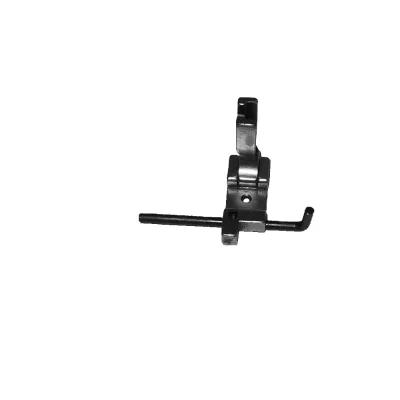


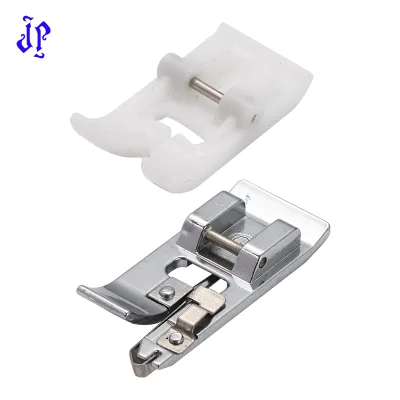
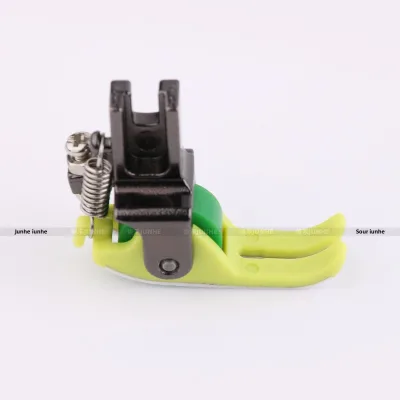


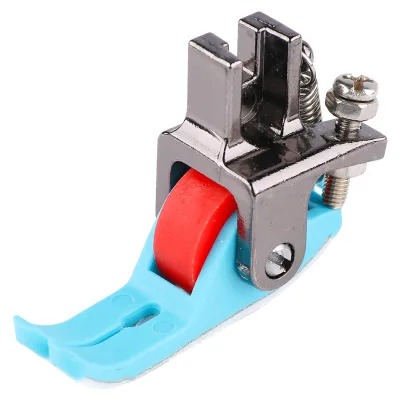
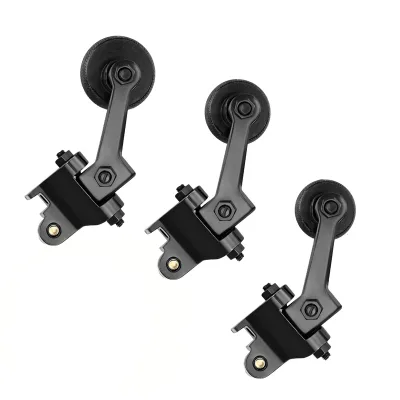
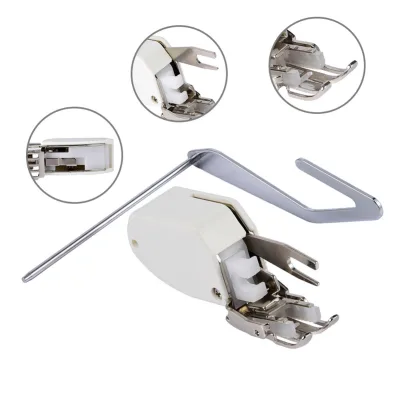
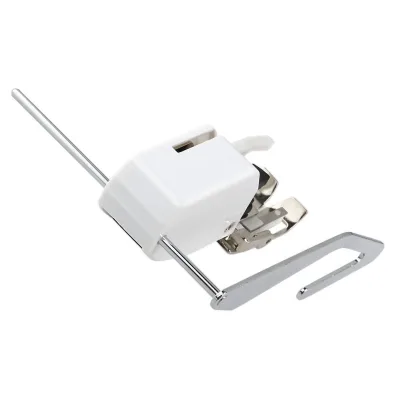
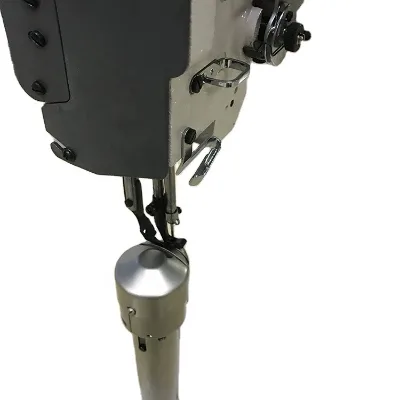
Comprehensive Sourcing Guide
Post Bed Walking Sewing Foot Sourcing Guide
Procurement professionals evaluating post bed walking foot sewing machines must first distinguish between industrial-grade units designed for heavy-duty fabrication and lighter models intended for service industry applications. The available market data indicates a diverse range of specifications, including models capable of handling thick materials alongside those optimized for middle thickness applications. Buyers should carefully review the drive mechanism, as observed listings feature both electric drives and traditional foot step operations, which significantly impacts operational workflow and operator fatigue in high-volume environments.
When assessing product listings, it is critical to verify the specific stitch type and needle configuration to ensure compatibility with the intended fabric or material. The observed inventory includes machines utilizing lock type stitches with single needles, as well as chain type configurations with double threads, each serving distinct manufacturing needs. Furthermore, the physical dimensions and weight of the units, ranging from compact 130kg models to larger industrial setups, must align with the available floor space and load-bearing capacity of the facility where the equipment will be installed.
Product Scope and Observed Listing Signals
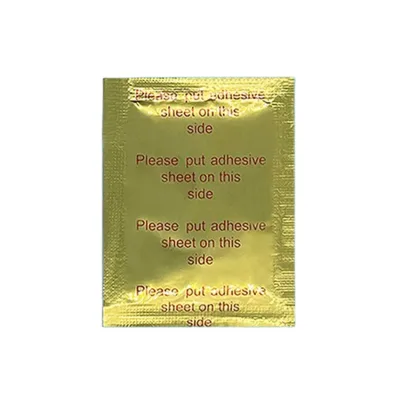
The observed product scope reveals a clear segmentation between heavy industrial sewing equipment and specialized consumables, requiring buyers to filter listings based on their specific operational requirements. While the core keyword points toward industrial sewing machinery, the data also includes unrelated items such as sleep detox foot patches, which feature different packaging standards and shelf lives. Buyers must rigorously exclude non-machinery items by checking the product name and application place, ensuring they focus solely on units designated for factory or service industry use rather than home or personal care applications.
Listing signals regarding transportation and delivery times provide early indicators of supplier logistics capabilities and inventory readiness. Most industrial sewing units listed specify sea or air transportation options with a standard delivery time of seven days, suggesting a relatively agile supply chain for these specific models. However, variations exist, with some items indicating a broader delivery window of seven to fifteen days, which may impact production scheduling. Procurement teams should prioritize suppliers who clearly define these logistics parameters to avoid unexpected delays in equipment deployment.
Technical Specifications to Verify
Technical verification begins with confirming the applicable material thickness and stitch type, as these factors directly determine the machine's suitability for specific production tasks. The market data highlights models explicitly rated for thick materials, which are essential for upholstery or heavy canvas work, while other units are specified for middle thickness materials suitable for lighter garments. Buyers must cross-reference the listed stitch type, such as lock or chain configurations, with their current production requirements to ensure the machine can execute the necessary seam patterns without requiring complex retooling or additional attachments.
Further technical due diligence requires a detailed examination of the drive system, needle count, and thread configuration to match the machine's capabilities with operator skill levels. The observed listings include single-needle electric drives and foot-step operated units with varying thread numbers, ranging from single to double threads. These mechanical differences influence the speed and complexity of the sewing process. Additionally, verifying the physical dimensions and weight, such as the 130kg specification for certain models, is crucial for ensuring the equipment fits within the designated workspace and can be safely integrated into the existing production line.
Compliance and Safety Documentation
Compliance verification is paramount when sourcing industrial sewing equipment, particularly regarding electrical safety and mechanical standards. The available data confirms that several models carry CE certification, indicating adherence to European health, safety, and environmental protection standards. Buyers should request current certification documents for all units to ensure they meet the regulatory requirements of their specific destination market, as compliance is not universal across all listed models. Relying solely on the presence of a certification mark without verifying the validity and scope of the certificate can expose the buyer to significant legal and operational risks.
Safety documentation must also address the physical handling and operational safety of the machinery, especially for units with foot-step drives or heavy components. While the provided facts do not explicitly list all safety features, the presence of standard export wooden case packaging suggests that manufacturers are aware of the need for secure transport to prevent damage. Procurement teams should verify that the supplier provides comprehensive operation manuals and safety warnings, particularly for machines with high weight or complex drive systems, to ensure that operators are trained on safe usage protocols and that the equipment is installed according to manufacturer specifications.
Cost Drivers and Commercial Terms
Cost drivers for post bed walking foot sewing machines are heavily influenced by the customization options, material specifications, and packaging requirements. The data indicates that customization is available, which can significantly alter the final price depending on the complexity of the requested modifications. Additionally, the choice between carton and wooden packing affects the overall cost, with wooden cases typically commanding a higher price due to the materials and labor involved. Buyers should clarify whether the quoted price includes these customization and packaging elements to avoid unexpected cost overruns during the finalization of the purchase order.
Commercial terms regarding minimum order quantities and lead times vary widely across the observed listings, necessitating careful negotiation to align with production schedules. While some models list a minimum order of just one set, others require a substantial commitment of 1000 pieces, which may be prohibitive for small-scale operations or prototype development. The delivery time is generally cited as seven days, but variations exist, and buyers must confirm the exact lead time for their specific configuration. Understanding these commercial constraints is essential for accurate budgeting and ensuring that the procurement timeline supports the overall production plan.
Supplier Qualification and Quality Control
Supplier qualification should focus on verifying the origin and manufacturing standards of the equipment to ensure consistent quality and reliability. The data points to origins in Zhejiang and Henan, China, regions known for their manufacturing capabilities, but buyers must confirm the specific factory credentials and production history of the supplier. It is advisable to request evidence of quality control processes, such as pre-shipment inspections or factory audits, to validate that the machines meet the advertised specifications and performance standards. This due diligence helps mitigate the risk of receiving substandard equipment that could disrupt production workflows.
Quality control measures must extend to the physical condition and packaging of the delivered units to prevent damage during transit. The observed listings specify that products are new and packed in either cartons or standard export wooden cases, which are designed to protect the machinery. Buyers should insist on a detailed packing list and visual inspection upon receipt to confirm that the equipment is in pristine condition and that all components, including needles and threads, are present. Establishing a clear protocol for reporting any discrepancies or damage immediately upon delivery is critical for maintaining a strong supplier relationship and ensuring timely resolution of any issues.
Long-Term Procurement Checks
Long-term procurement success depends on establishing a robust framework for ongoing supplier performance evaluation and equipment maintenance. Buyers should implement a system to track the reliability of the machines over time, noting any recurring issues with the drive system, stitch quality, or material handling capabilities. Regular maintenance schedules should be developed in collaboration with the supplier to ensure that the equipment remains in optimal working condition, thereby extending its lifespan and minimizing downtime. This proactive approach helps maintain high productivity levels and protects the initial investment in the machinery.
Continuous communication with the supplier is essential for adapting to changing production needs and technological advancements. Buyers should maintain an open dialogue regarding potential upgrades, spare parts availability, and any updates to the machine models. The availability of customized logos and specific product benefits, such as high quality assurances, should be leveraged to build a strategic partnership that supports long-term growth. By fostering a collaborative relationship, procurement teams can ensure that their equipment remains competitive and aligned with evolving industry standards and operational requirements.
FAQs
What models are available for Post Bed Walking Sewing Foot machines?
Available models include FX-1760N, FX-2341L, FX-204-370S, FX-205-420, FX-246L, FX-205-635, SR-GZJ, and SR-CFJ. These machines support various stitch types like lock and chain stitches. They are designed for thick and middle thickness materials, offering versatile industrial solutions for different sewing requirements and production needs.
Can I customize the logo on Post Bed Walking Sewing Foot products?
Yes, customization is available for logos on these products. Buyers can request customized branding to suit their specific business identity. This service allows for personalization while maintaining the high quality and standard specifications of the equipment, ensuring that the final product meets both functional and branding requirements effectively.
What is the typical delivery time for Post Bed Walking Sewing Foot orders?
The typical delivery time is seven days for standard orders. Some specific items may require seven to fifteen days for processing and shipping. This efficient turnaround supports timely project completion. Buyers should confirm exact timelines based on the specific model and order volume to ensure alignment with their production schedules and logistical planning.
Where are Post Bed Walking Sewing Foot machines manufactured?
These machines are manufactured in Zhejiang and Henan, China. The origin ensures access to established industrial manufacturing hubs with robust supply chains. Buyers can expect consistent quality and reliable production capabilities from these regions, which are known for their expertise in producing high-performance industrial sewing equipment and related accessories.
What certifications do Post Bed Walking Sewing Foot machines hold?
The machines hold CE certification, ensuring compliance with European safety and quality standards. This certification indicates that the equipment meets rigorous regulatory requirements for industrial machinery. Buyers can rely on these certified products for safe operation and integration into various industrial settings, providing confidence in the machine's performance and regulatory adherence.
What is the minimum order quantity for Post Bed Walking Sewing Foot items?
The minimum order quantity varies, starting from one set for some machines. Other items may require a minimum of one thousand pieces. This flexibility allows buyers to order based on their specific needs, whether for small-scale testing or large-scale production runs, ensuring that the procurement process remains adaptable to different business scales.