Source Post-Impressionism Buddha Oil Painting for Home, Gift, Collection
Find 30 Post-Impressionism Buddha Oil Painting options from Chinese manufacturers. Compare custom sizes, framed and stretched canvas styles, and traditional brushwork techniques to select the best fit for your decor needs; compare the available evidence and request quotations based on your requirements.
Key considerations
Products List


Buddhism Portrait Abstract Oil Painting Texture Buddha Meditation Canvas
$19.90 - $29.90
MOQ: 1 Pieces


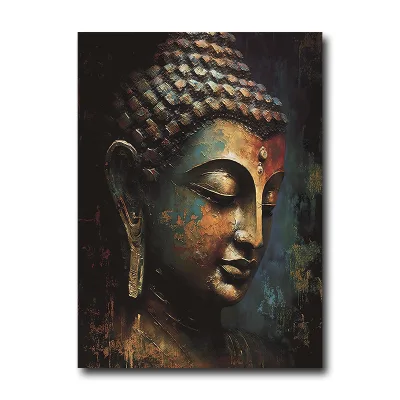
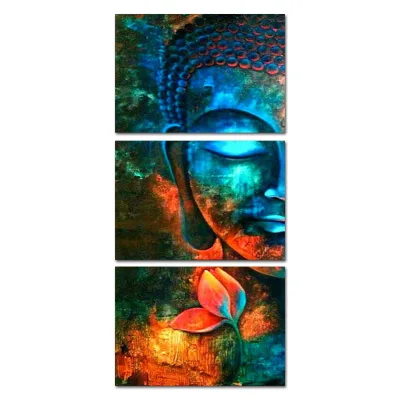


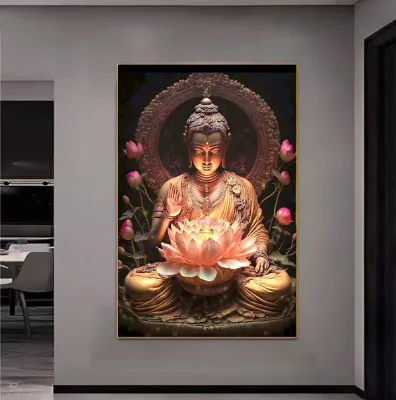
Comprehensive Sourcing Guide
Post-Impressionism Buddha Oil Painting Sourcing Guide
Sourcing hand-painted wall art that blends spiritual iconography with artistic heritage requires careful evaluation of both aesthetic fidelity and production logistics. Buyers often seek pieces that serve as focal points for home decor, offering a blend of traditional craftsmanship and modern interior design needs. The market presents a variety of options, ranging from strict reproductions to original interpretations by local artist teams. Understanding the distinction between these categories is essential for aligning procurement goals with budget and timeline constraints.
This guide focuses on the specific intersection of post-impressionist styles and Buddha-themed oil paintings, highlighting key verification steps for B2B buyers. We examine observed listing signals, technical specifications, and commercial terms to provide a robust framework for decision-making. By adhering to evidence-based procurement practices, buyers can mitigate risks associated with quality inconsistencies and ensure that the final delivered goods meet the intended decorative and collection standards.
Product Scope and Observed Listing Signals
The observed product landscape includes a diverse array of hand-painted canvases, with prices ranging from $1.1 to $360 USD and minimum order quantities (MOQs) as low as one piece. Listings frequently highlight customization availability, allowing buyers to specify sizes such as 80x80cm, 90x60cm, or 50x120cm, catering to varied interior dimensions. The primary subjects often feature Buddha figures, rendered in styles that may include post-impressionist influences or realism, with support bases typically being canvas stretched on wooden frames.
Visual attributes observed in listings include opaque coating colors, tempera brushwork, and specific color palettes like grey and red. Many products are described as framed, stretched, and ready to hang, emphasizing convenience for end-users. The origin is predominantly China, with some items sourced from Xiamen, indicating a concentrated manufacturing hub. Buyers should note that while some items are labeled as reproductions, others are marketed as original works by local artists, requiring clear verification of intellectual property and artistic authenticity.
Technical Specifications to Verify
Technical verification begins with confirming the medium, which is often specified as oil or acrylic, and the brushwork technique, such as tempera or opaque coating. Buyers must verify the exact dimensions, as observed sizes vary significantly, including 16x24 inches, 12x32 inches, and 12x40 inches, alongside metric equivalents like 50x150cm. The support base is consistently canvas, but the framing status—whether stretched, framed, or unframed—must be explicitly confirmed to avoid installation issues upon delivery.
Model numbers such as dafen81, ADA9024, and BU-001 appear in listings, serving as internal identifiers for suppliers. Buyers should request high-resolution images to assess the quality of the brushwork and the integrity of the canvas texture. Additionally, verifying the production time, which ranges from 15 to 30 days depending on order quantity, is crucial for supply chain planning. Ensuring that the product matches the described style, whether traditional, impressionist, or post-impressionist, requires detailed visual inspection before finalizing orders.
Compliance and Safety Documentation
While specific certification statuses are not universally provided in the observed listings, buyers should request documentation related to material safety, particularly for oil and acrylic paints. Ensuring that the paints used are non-toxic and compliant with international standards for decorative goods is vital, especially for products intended for residential use. Buyers should inquire about the presence of any relevant environmental or safety certifications, such as those governing volatile organic compound (VOC) emissions in paints.
Packaging standards are another critical area for compliance verification. Observed packing methods include standard export cartons and individual packing, with some items described as canvas stretched on wooden frames ready to hang. Buyers must ensure that the packaging protects the artwork from damage during transit, particularly for fragile canvas edges and frames. Requesting photos of the packaging process can help assess the adequacy of protective measures, reducing the risk of transit damage and associated returns.
Cost Drivers and Commercial Terms
Costs are influenced by several factors, including the complexity of the brushwork, the size of the canvas, and the level of customization required. The observed price range of $1.1 to $360 USD reflects variations in artistic detail and material quality. Buyers should consider that hand-painted items, especially those by skilled artist teams, may command higher prices due to the labor-intensive nature of the production process. Custom sizes and designs, which are available, may also incur additional costs due to the bespoke nature of the work.
Commercial terms such as MOQ and production time are flexible, with MOQs starting at one piece and production times ranging from 15 to 30 days. Buyers should negotiate clear terms regarding payment schedules, shipping responsibilities, and return policies. Understanding the cost implications of different packing options, such as standard export cartons versus individual packaging, can also impact the total landed cost. Transparent communication with suppliers about these variables helps in accurate budgeting and cost control.
Supplier Qualification and Quality Control
Supplier qualification involves verifying the capabilities of the artist team and the consistency of their output. Many suppliers highlight their skilled artist teams and the availability of customization, indicating a focus on quality and flexibility. Buyers should request samples or previous work portfolios to assess the consistency of brushwork and color application. Verifying the supplier’s location, such as Xiamen, China, can also provide insights into their logistical capabilities and access to raw materials.
Quality control measures should include pre-shipment inspections to ensure that the final product matches the agreed-upon specifications. Buyers should establish clear acceptance criteria for aspects such as canvas tension, frame integrity, and color accuracy. Implementing a robust quality control process helps in identifying and addressing potential issues before the goods are shipped, reducing the risk of receiving substandard products. Regular communication with suppliers during the production phase can also help in maintaining quality standards.
Long-Term Procurement Checks
Long-term procurement success depends on establishing strong relationships with suppliers who can consistently deliver high-quality products. Buyers should monitor supplier performance over time, tracking metrics such as on-time delivery, product quality, and responsiveness to issues. Building a reliable supply chain involves diversifying suppliers to mitigate risks associated with single-source dependencies. Regularly reviewing and updating procurement strategies based on market trends and supplier performance ensures continued alignment with business goals.
Continuous improvement in the procurement process involves staying informed about new artistic styles and techniques, such as post-impressionism and realism, to meet evolving customer demands. Buyers should also remain vigilant about changes in regulations and standards related to decorative goods, ensuring ongoing compliance. By maintaining a proactive approach to supplier management and quality assurance, buyers can sustain a competitive edge in the market for hand-painted wall art.
FAQs
Can I order a custom size Post-Impressionism Buddha Oil Painting?
Yes, custom sizes and designs are available. Listings support customized dimensions, and models are offered in sizes such as 16X24, 12X32, and 12X40 inches, with original sizes ranging from 50X120cm to 90X60cm. Confirm your required dimensions with the supplier before ordering, since larger canvases may affect the 15~30 day production time depending on order quantity.
What is the minimum order quantity for a buddha oil painting?
The minimum order quantity is 1 piece, so single-piece orders are accepted. This suits buyers testing designs or purchasing individual wall art for home decoration. Note that production time of 15~30 days depends on order quantity, and packing is typically 10 pieces per carton, with individual packing available on request for retail-ready shipments.
How are the paintings packed for shipping?
Packing follows export standards, typically with 10 pieces per carton and individual packing available. Many listings ship canvas stretched on wooden frames, ready to hang, while others use standard export cartons. If you need retail packaging or extra protection for framed pieces, confirm the packing method with the supplier before confirming your order.
Where are these post impressionism buddha oil paintings produced?
The paintings are produced in China, with one listed origin being Xiamen, a region known for oil painting reproduction and original art. Both originals and reproductions appear in listings, painted by local artists and skilled artist teams. Buyers can compare suppliers based on location, production capacity, and customization options during sourcing.
Which materials and framing options are offered?
The medium is oil or acrylic on a canvas support base, with brushwork described as opaque coating color or tempera. Framed options are available, and many pieces come stretched on wooden frames and ready to hang. If you prefer unframed canvases or specific frame finishes, request customization, since framed and stretched variants are both listed.
How long does production take after I place an order?
Production time is 15 to 30 days, depending on order quantity. Small orders, including the minimum of 1 piece, generally fall toward the shorter end, while bulk quantities for decoration, gift, or collection use may need the full window. Ask the supplier to confirm the exact schedule for your quantity and customization requirements before ordering.