Source Potassium Polyacrylate Hydrogel for Agriculture, Horticulture, Forestry
Compare 30 listings of Potassium Polyacrylate Hydrogel from verified Chinese suppliers. Buyers can evaluate specifications like purity, viscosity, and absorption rates for agricultural and horticultural applications. Detailed product data includes molecular weight, pH levels, and packaging options to help you select the right super absorbent polymer for your specific water retention needs in various sectors.
Updated
Key considerations
Products List


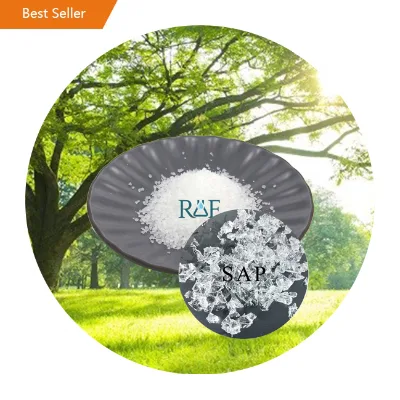
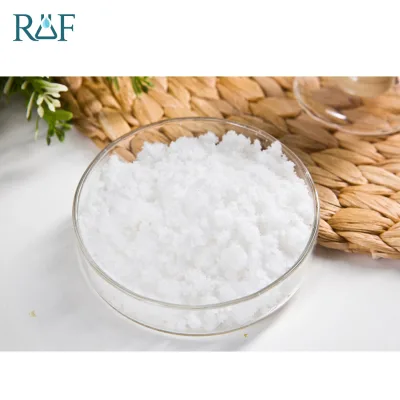
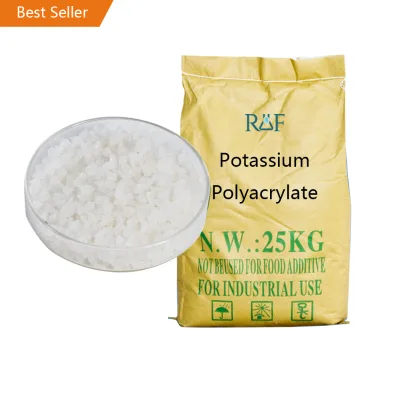
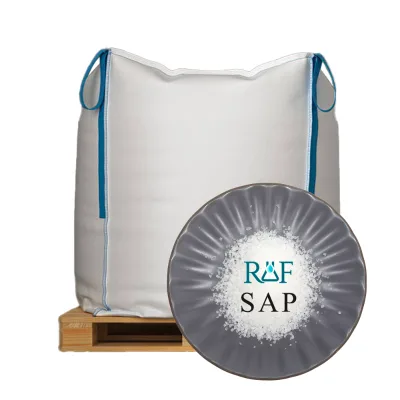
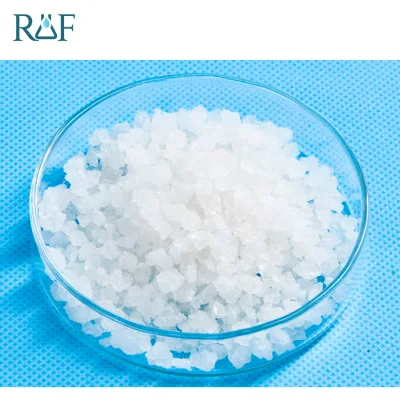
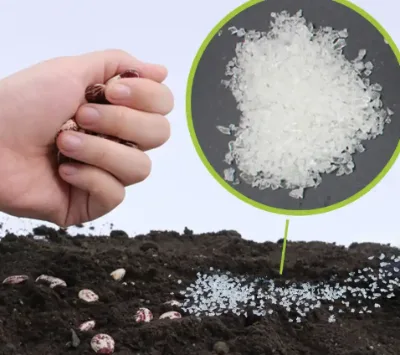
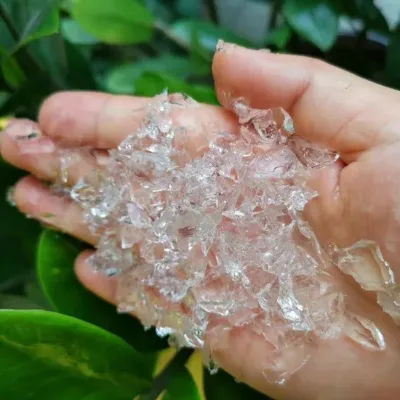

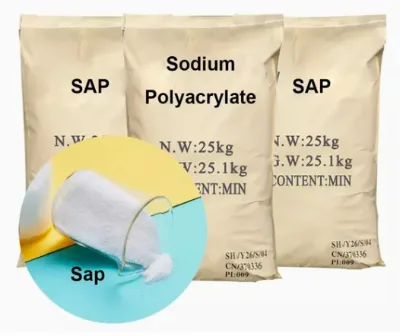
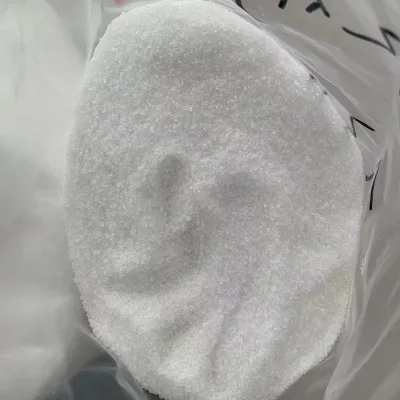
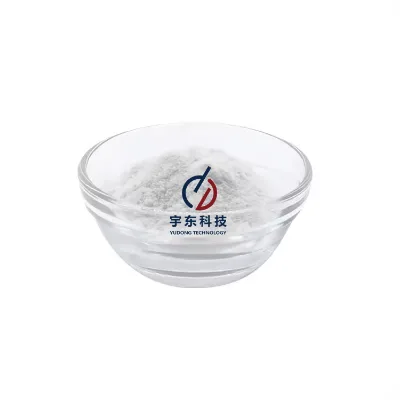
Hydrogel Solid Rain Containing Potassium Polyacrylate Water-Storing Crystals
$1.2861 - $2.4599
MOQ: 1 Minimum


Comprehensive Sourcing Guide
Potassium Polyacrylate Hydrogel Sourcing Guide
Procuring Potassium Polyacrylate Hydrogel requires distinguishing it from sodium-based variants, as the molecular formula (C3H4KO2)n indicates a distinct chemical composition. Buyers must verify that the listed product explicitly states Potassium Polyacrylate rather than generic super absorbent polymer, as the latter often refers to sodium polyacrylate with different solubility and ion-exchange properties. The observed listings confirm this material is classified as a chemical auxiliary agent with a purity of 99.9% to 99.99%, ensuring high-grade performance for specialized agricultural and horticultural applications.
When evaluating suppliers, focus on those offering free samples for testing, as the physical properties of the hydrogel, such as viscosity and absorption capacity, are critical for specific use cases. The observed data indicates a molecular weight of 3500 Million and a viscosity range of 650-750, which are essential parameters for determining the gel's effectiveness in water retention. Buyers should prioritize suppliers who provide detailed technical sheets that align with these specific numerical ranges to avoid receiving substandard or incorrectly formulated products.
Product Scope and Observed Listing Signals
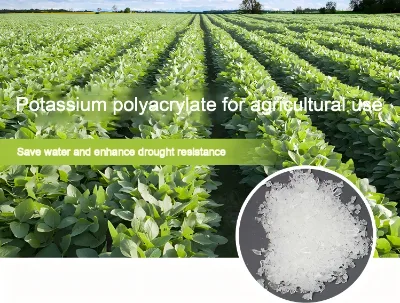
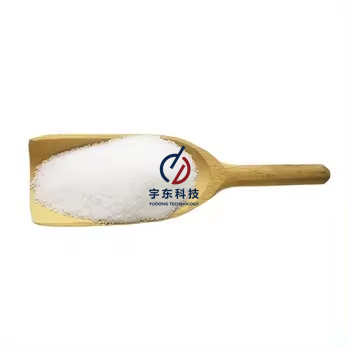
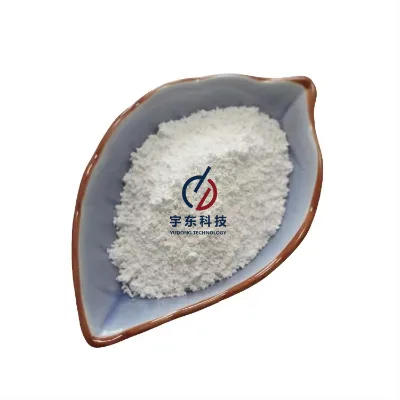
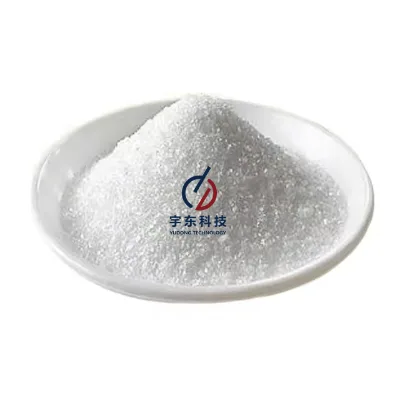
The product scope for Potassium Polyacrylate Hydrogel encompasses applications in agriculture, horticulture, and forestry where water retention is paramount. Observed listings describe the material as a non-toxic, harmless, and nonpolluting substance with an imperceptible odour, making it suitable for sensitive environmental applications. The physical appearance is noted as a powder or granular form before absorbing liquid, which facilitates easy handling and distribution in bulk packaging.
Buyers should note that the observed listings include specific packaging details, such as plastic woven bags with inner linings and a net weight of 25 kg, alongside smaller single package sizes. The supply ability of 3000 tons per month suggests that established manufacturers can support large-scale procurement needs, though the minimum order quantity may vary significantly between 1 ton and 5000 units depending on the supplier. Understanding these logistical signals helps in planning inventory and managing storage requirements effectively.
Technical Specifications to Verify
Verification of the molecular formula and CAS number is the first step in confirming the chemical identity of the hydrogel. The observed data lists CAS No. 25608-12-2 and 9003-04-7, which correspond to different polyacrylate variants; buyers must ensure the specific CAS number matches the potassium-based product required for their application. Additionally, the EINECS No. 208-750-2 provides a regulatory reference point that should be cross-referenced with the supplier's documentation to confirm the exact chemical composition.
Technical performance metrics such as pH levels and absorption function must be rigorously checked against project requirements. The observed pH range of 6.0-7.5 indicates a neutral profile, which is generally safe for soil and plant interaction, while the function is explicitly defined as absorbing, retaining, or blocking liquid. Buyers should request test results for the specific batch to confirm that the viscosity and molecular weight align with the observed ranges of 650-750 and 3500 Million, ensuring consistent performance in field conditions.
Compliance and Safety Documentation
Safety documentation is critical when sourcing chemical auxiliary agents, as the material is described as harmless and non-flammable. Buyers must request the Material Safety Data Sheet (MSDS) to verify storage and handling instructions, which include keeping the product in a cool, ventilated warehouse away from oxidants, acids, and alkalis. The observed safety attributes confirm the product is non-toxic, but the MSDS provides the necessary legal and operational framework for safe transport and storage.
Regulatory compliance extends beyond safety to include environmental standards and certification. The observed listings mention certifications such as BV, TUV, ISO9001, ISO14001, and REACH, which indicate adherence to international quality and environmental management systems. Buyers should verify that these certifications are current and applicable to the specific product batch, ensuring that the supplier maintains a robust quality management system that meets global regulatory requirements for chemical distribution.
Cost Drivers and Commercial Terms
Cost drivers for Potassium Polyacrylate Hydrogel are influenced by the purity level, which ranges from 99.9% to 99.99%, and the specific packaging requirements. Higher purity grades typically command a premium, and the choice between bulk bags and smaller single packages affects the unit price and shipping logistics. The observed price range of 1 to 5.15 USD suggests variability based on order volume and specific product specifications, requiring buyers to negotiate based on their exact quantity needs.
Commercial terms such as the minimum order quantity (MOQ) and port of dispatch are significant factors in total procurement costs. The observed MOQ ranges from 1 ton to 5000 units, and the port of dispatch is listed as Shanghai Port, which impacts freight costs and lead times. Buyers should clarify the Incoterms and payment terms to understand the full cost structure, ensuring that the supplier can meet the required delivery schedule without incurring unexpected logistical expenses.
Supplier Qualification and Quality Control
Supplier qualification involves assessing the supply ability and production capacity to ensure consistent availability of the hydrogel. The observed supply ability of 3000 tons per month indicates a substantial production capacity, but buyers should verify the supplier's ability to maintain this output during peak demand periods. Checking the supplier's history and reputation for delivering on time is essential to mitigate the risk of supply chain disruptions.
Quality control measures should be integrated into the procurement process, starting with the request for free samples for testing. The observed listings offer free samples, which allow buyers to verify the physical properties and performance of the hydrogel before committing to a large order. Implementing a rigorous quality control protocol that includes batch testing for purity, viscosity, and absorption capacity ensures that the received product meets the specified technical requirements.
Long-Term Procurement Checks
Long-term procurement checks focus on maintaining consistent product quality and supplier reliability over time. Buyers should establish a schedule for periodic re-verification of the product's chemical composition and physical properties to ensure they remain within the observed ranges. This proactive approach helps in identifying any deviations in the manufacturing process early, allowing for timely corrective actions to maintain product integrity.
Building a strategic relationship with the supplier is crucial for long-term success in sourcing Potassium Polyacrylate Hydrogel. Regular communication regarding market trends, supply chain updates, and potential changes in regulatory requirements ensures that both parties remain aligned. By fostering a collaborative partnership, buyers can secure a stable supply of high-quality hydrogel that supports their agricultural and horticultural operations effectively.
FAQs
What is the purity level of Potassium Polyacrylate Hydrogel?
The product typically achieves a purity of 99.9% or 99.99%. This high-grade chemical auxiliary agent is classified as non-toxic, harmless, and nonpolluting. It features an imperceptible odour and is safe for use in agriculture and horticulture applications without posing flammability risks.
How is the product packaged and stored?
It is packed in plastic woven bags with an inner lining, with a net weight of 25 kg per bag. Storage requires a cool, ventilated warehouse away from fire, heat, oxidants, acids, and alkalis. The material should be kept in a cool, dry place to maintain stability.
Can I get a free sample for testing?
Yes, free samples are available for testing purposes. This allows buyers to verify the powder or granular appearance before absorbing liquid. The sample facilitates quality checks for viscosity, molecular weight, and absorption capabilities, ensuring the material meets specific industrial or agricultural requirements before bulk ordering.
What certifications does the supplier hold?
The supplier holds BV, TUV, ISO9001, ISO14001, MSDS, and REACH certifications. These credentials verify compliance with international quality and environmental standards. The product originates from Jiangsu, China, and is dispatched via Shanghai Port, ensuring traceable and regulated supply chain operations for global buyers.
What is the minimum order quantity for this polymer?
The minimum order quantity is one ton. This MOQ applies to the super absorbent polymer used for water retention in agroforestry. Buyers can customize orders within the supply ability of 3000 tons per month. The product is sold as a single item with flexible sourcing options for bulk needs.
What are the physical properties of the hydrogel?
The hydrogel appears as a white powder or granular substance before absorbing liquid. It has a molecular weight of 3500 million and a viscosity of 650-750. The pH level ranges from 6.0 to 7.5. It functions by absorbing, retaining, or blocking liquids effectively in various applications.