Source Activated Alumina Molecular Sieve 3A for Drying, Dehydration, and Adsorption
Compare 30 listings of Activated Alumina Molecular Sieve 3A from verified Chinese suppliers. Buyers can evaluate specifications like water adsorption, particle size, and packing options for industrial drying and ethanol dehydration applications; compare the available evidence and request quotations based on your requirements.
Updated
Key considerations
Products List


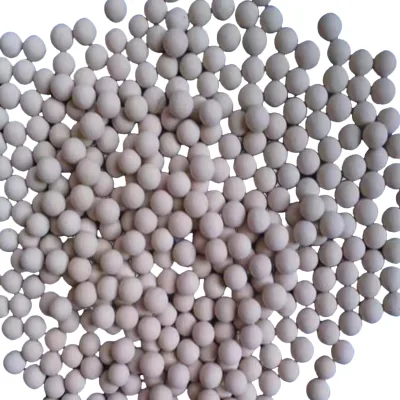
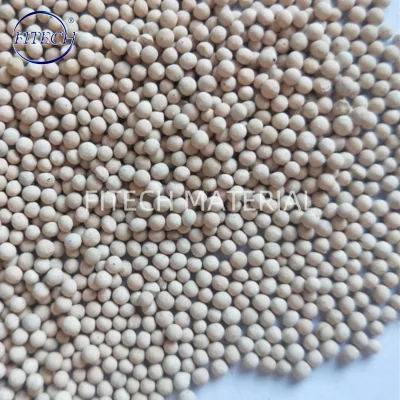
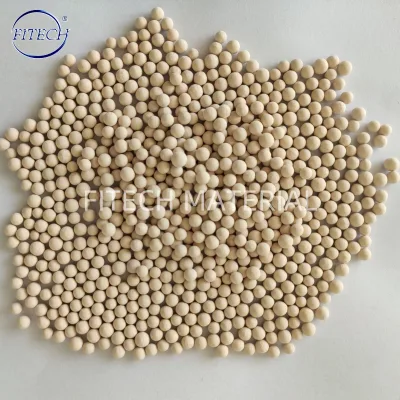
5A Molecular Sieve Used for Desorption of Water, Carbon Dioxide in Psa Industry.
$56.00 - $67.00
MOQ: 1 Minimum



Comprehensive Sourcing Guide
Activated Alumina Molecular Sieve 3A Sourcing Guide
Procuring molecular sieve 3a requires a clear understanding of its specific adsorption properties, particularly its ability to selectively adsorb water molecules while excluding larger organic compounds. This material is critical for applications such as the dehydration of ethanol and the drying of liquid alcohol, where precise moisture control is essential for product quality and process efficiency. Buyers must distinguish between different molecular sieve types, such as 3a, 4a, and 5a, as their pore sizes dictate their specific utility in industrial settings.
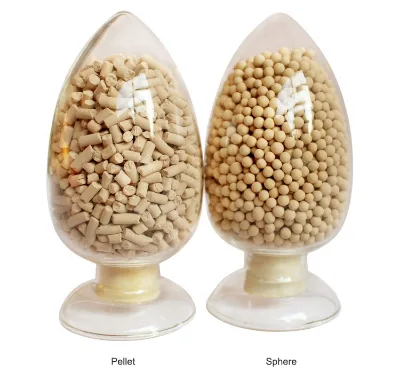
The observed market signals indicate a diverse range of product forms, including spherical granules, pellets, and beads with varying size distributions. Listings frequently highlight attributes like static water adsorption rates, bulk density, and compressive strength, which are vital for evaluating performance in fixed-bed adsorption systems. Understanding these physical characteristics helps buyers select the right grade for their specific drying or purification needs, ensuring optimal capacity and longevity in their operational environments.
Product Scope and Observed Listing Signals
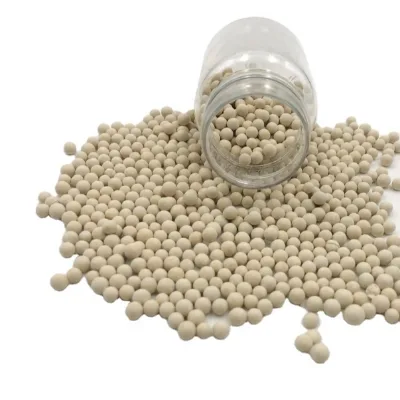
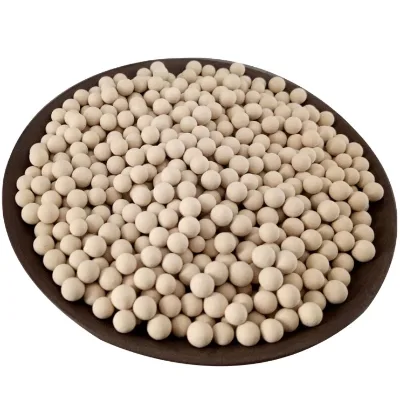
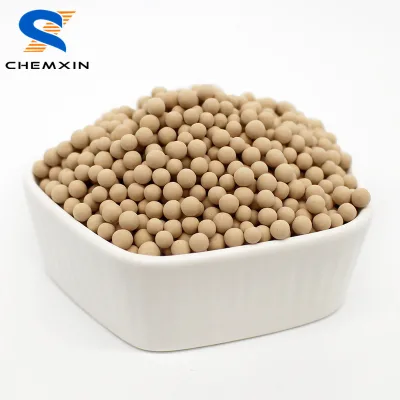
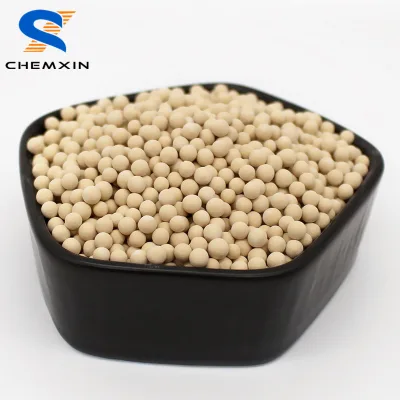
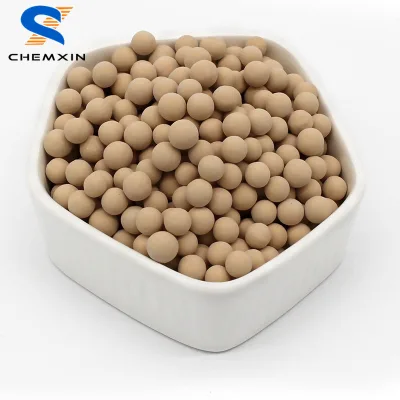
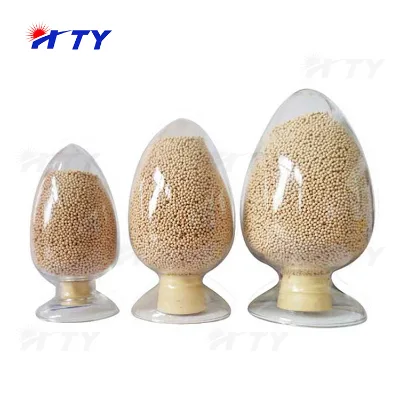
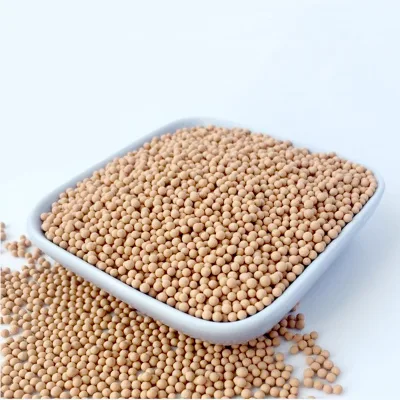
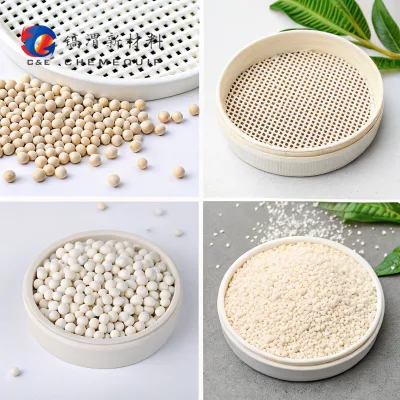
The product scope for molecular sieve 3a encompasses a variety of physical forms and packaging options, reflecting the diverse needs of industrial buyers. Observed listings describe the material as appearing in light yellow, spherical, or pellet shapes, with particle sizes ranging from fine granules like 0.4-0.8mm to larger pellets such as 3-5mm. These variations allow for customization based on flow dynamics and pressure drop requirements in adsorption towers, ensuring that the selected form factor aligns with the specific engineering constraints of the buyer’s equipment.
Packaging solutions observed in the market include plastic bags, carton boxes, steel drums, and double-layer inner-film woven bags, often with a net weight of 25kg per unit. This variety in packaging supports different logistical needs, from small-scale laboratory use to large-scale industrial deployment. Buyers should verify the integrity of these packaging methods to prevent moisture ingress during transit, as the hygroscopic nature of molecular sieves means that exposure to ambient humidity can significantly degrade their adsorption capacity before installation.
Technical Specifications to Verify
When evaluating technical specifications, buyers must prioritize key performance indicators such as static water adsorption, bulk density, and compressive strength. Observed data points suggest that static water adsorption should be greater than or equal to 21.5%, ensuring high efficiency in moisture removal. Additionally, bulk density values around 0.70 to 0.75 g/ml provide insight into the material’s packing efficiency and volume requirements for storage and installation. These metrics are fundamental for calculating the required quantity of sieve media to achieve desired drying performance in a given system.
Compressive strength is another critical parameter, with observed values indicating a minimum of 80 to 90 Newtons per pellet. This strength ensures that the beads can withstand the mechanical stresses of loading, unloading, and long-term operation without generating excessive fines that could increase pressure drop. Buyers should also verify the water content as shipped, which is typically less than 1.5%, to ensure the product arrives in a ready-to-use state. Confirming these specifications against supplier data sheets is essential to avoid performance shortfalls in critical drying applications.
Compliance and Safety Documentation
Safety and compliance documentation are paramount when handling chemical desiccants and molecular sieves. Buyers should request test reports that confirm the material’s purity and absence of harmful contaminants, especially for applications in electronics, pharmaceuticals, or food-grade ethanol production. The availability of test reports is a strong indicator of supplier transparency and quality control, providing assurance that the product meets the necessary safety standards for the intended use case.
Furthermore, understanding the material’s classification under international transport regulations is crucial for logistics planning. While specific certification names are not detailed in the observed data, buyers must ensure that suppliers provide appropriate Safety Data Sheets (SDS) that outline handling, storage, and emergency response procedures. Verifying that the product is classified correctly as an industrial or reagent grade chemical helps in determining the level of regulatory compliance required for importation and use in different jurisdictions.
Cost Drivers and Commercial Terms
Cost drivers for molecular sieve 3a include the raw material quality, manufacturing process, and packaging complexity. The observed price range of 0.54 to 1800 USD reflects significant variation based on quantity, purity, and specific grade requirements. Buyers should analyze the cost per unit of adsorption capacity rather than just the price per kilogram, as higher-quality sieves with superior static water adsorption rates may offer better long-term value despite a higher upfront cost.
Commercial terms such as Minimum Order Quantity (MOQ) and lead times also impact the total cost of ownership. Observed MOQs range from 1 to 1000 units, offering flexibility for both trial orders and bulk procurement. Lead times of 7-10 days are typical, but buyers should confirm these estimates with their specific supplier to avoid production delays. Negotiating favorable payment terms and shipping arrangements can further optimize the overall procurement cost, especially for large-volume contracts.
Supplier Qualification and Quality Control
Supplier qualification involves assessing the manufacturer’s production capabilities, quality management systems, and track record. Buyers should verify the supplier’s origin, with many listings indicating production in Jiangxi, China, a known hub for mineral-based chemical products. Evaluating the supplier’s ability to provide consistent product quality across batches is essential, as variations in pore size distribution or impurity levels can significantly affect performance in sensitive applications.
Quality control measures should include regular testing of key parameters such as wear ratio, which is observed to be less than or equal to 0.2%, indicating good durability. Buyers should request samples for preliminary testing to validate the supplier’s claims regarding compressive strength, bulk density, and adsorption capacity. Establishing a clear quality agreement that defines acceptable tolerances and rejection criteria helps mitigate the risk of receiving substandard material and ensures long-term supply chain reliability.
Long-Term Procurement Checks
Long-term procurement success depends on continuous monitoring of supplier performance and product consistency. Buyers should establish a routine for reviewing test reports and conducting periodic audits of the supplier’s quality control processes. Tracking key performance indicators such as delivery times, defect rates, and customer support responsiveness helps identify potential issues early and fosters a collaborative relationship with the supplier.
Additionally, staying informed about industry trends and technological advancements in molecular sieve production can provide competitive advantages. Buyers should regularly reassess their technical requirements to ensure that the selected molecular sieve grade continues to meet their evolving needs. Engaging in open communication with suppliers about future volume projections and potential product improvements can lead to better pricing, priority service, and access to new innovations in drying and purification technologies.
FAQs
What is the static water adsorption capacity of molecular sieve 3A?
The static water adsorption capacity is greater than 20 percent. This high absorption rate ensures efficient dehydration of liquid alcohol and other solvents. The product maintains a water content of less than 1.5 percent when shipped, guaranteeing immediate usability upon opening the packaging for industrial drying applications.
Which specifications are available for the 3A molecular sieve product?
Available specifications include sizes ranging from 0.4-0.8mm up to 4-6mm. The product model is identified as molecular sieve 3A with a bulk density of 680kg/M3. These varied particle sizes allow for customization based on specific drying equipment requirements, ensuring optimal flow and adsorption performance in various industrial setups.
Can I get a test report for the molecular sieve 3A?
Yes, a test report is available for the molecular sieve 3A. This documentation supports quality assurance for buyers requiring verified performance data. The product meets industrial grade standards and features a compressive strength of at least 80 Newtons per pellet, ensuring durability during handling and installation in commercial drying systems.
What packaging options are provided for the molecular sieve 3A?
Packaging options include steel drums, carton drums, carton boxes, and kraft bags. Each carton typically holds a net weight of 25kg. Double-layer inner-film woven bags are also used for secure containment. These robust packaging methods protect the spherical granules from moisture ingress during transit and storage.
Where is the molecular sieve 3A manufactured and shipped from?
The product originates from Jiangxi, China. The lead time for orders is typically 7-10 days. This location serves as the primary production hub for these chemical desiccants. Buyers can expect consistent supply from this region, which is known for its industrial chemical manufacturing capabilities and efficient logistics networks.
What are the primary applications for molecular sieve 3A?
Primary applications include the drying of liquid alcohol and water adsorption. It is also used in hollow glass manufacturing, adsorption dryers, and air compressors. The material serves as a versatile chemical desiccant for textile auxiliaries, surfactants, and electronics chemicals, providing reliable moisture control across diverse industrial processes.