Source Poultry Dinitolmide Premix for disease prevention, growth promotion, and feed mixing
Find 30 verified listings for Poultry Dinitolmide Premix to compare specifications, prices, and packaging options. Buyers can evaluate formulations for disease prevention, growth promotion, and feed mixing applications from multiple suppliers.
Key considerations
Products List


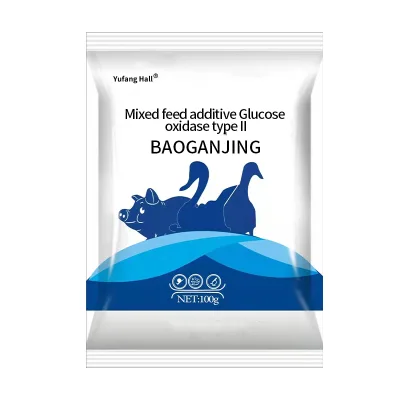


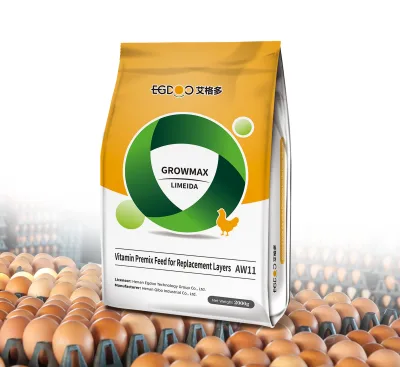
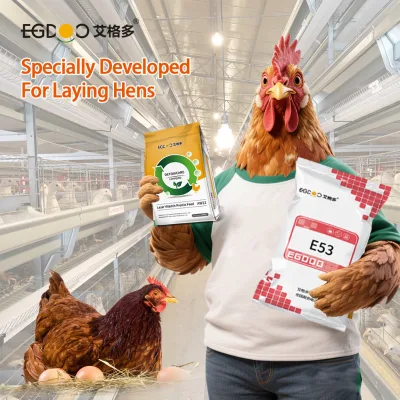
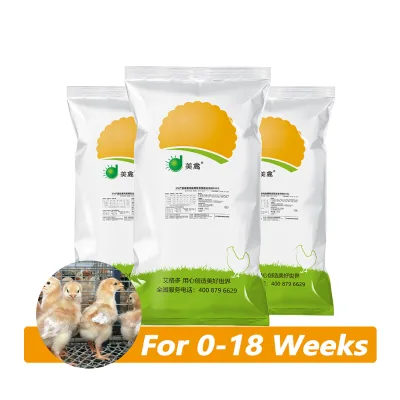
Cage-Free & Barn System Formula: 5% Premix for Energetic Hens & Sustainable Egg Production
$902.49 - $943.51
MOQ: 1 Minimum

Comprehensive Sourcing Guide
Strategic Sourcing Guide for Poultry Dinitolmide Premix Procurement
Navigating the global market for Poultry Dinitolmide Premix requires a disciplined approach that balances technical efficacy with rigorous supply chain verification. Buyers entering this sector must distinguish between general animal health supplements and specific therapeutic agents designed for parasite control. The core product category often intersects with growth-promoting premixes and disease prevention medicines, necessitating a clear understanding of the specific pharmacological profile, regulatory classification, and formulation standards. This guide outlines the essential parameters for sourcing dinitolmide-based products, ensuring that procurement decisions are grounded in verifiable data rather than marketing assertions.
Technical Specifications and Formulation Standards
The physical and chemical characteristics of the premix are the primary determinants of its suitability for poultry operations. In the current market, dinitolmide premixes are frequently encountered in powder forms, though liquid variants exist for specific application scenarios. The standard concentration for these therapeutic agents is often observed at 20%, a specification that aligns with common industry formulations for treating trichomoniasis and other parasitic infections. Buyers must verify the exact percentage of the active ingredient, as deviations can significantly alter the dosage requirements and therapeutic outcomes.
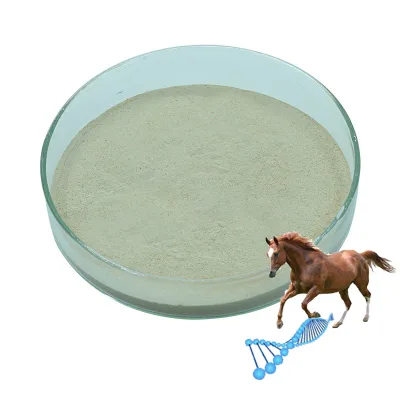
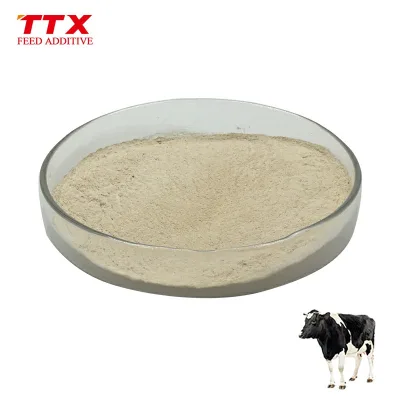
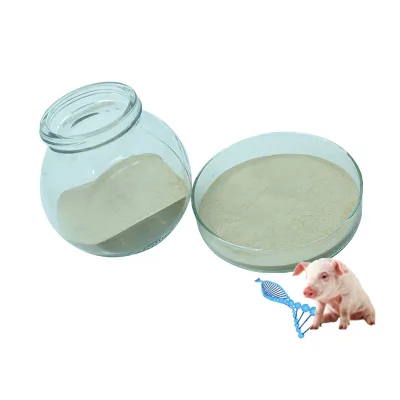
Packaging standards play a critical role in maintaining product integrity during transit and storage. Common packaging configurations include 100g bags, 1kg bags, or drums, with options for OEM customization to meet specific logistical needs. The physical form is typically described as a powder feed, often characterized by a light yellow or brown color and a good flavor to ensure palatability when mixed with feed. The mixing ratio is a crucial technical parameter; standard usage instructions often suggest mixing 100g of the premix with 100kg of feed, though this varies based on the severity of the infection and the specific animal species involved.
| Attribute | Typical Observation | Verification Requirement |
|---|---|---|
| Form | Powder or Liquid | Confirm physical state matches application method. |
| Concentration | 20% (Active Ingredient) | Verify assay results for exact potency. |
| Color | White, Light Yellow, or Brown | Visual inspection upon receipt. |
| Packaging | 100g/1kg Bag, Drum, or OEM | Check seal integrity and moisture barrier. |
| Mixing Ratio | 100g per 100kg Feed | Validate against local veterinary guidelines. |
Regulatory Classification and Pharmacodynamic Factors
Understanding the regulatory status of dinitolmide is essential for compliance in various jurisdictions. In some classification systems, this substance is categorized under specific drug classes, such as the Fifth Class for certain veterinary applications, while other related products may fall under the First Class for general disease prevention. The pharmacodynamic profile indicates that the medication is influenced by repeated medication schedules and the specific animal species being treated. This means that dosage protocols must be strictly adhered to, as the efficacy is dependent on the biological response of the poultry.
The primary application of these premixes is the treatment of trichomoniasis disease, a parasitic infection that can severely impact flock health and productivity. The product functions specifically as a parasite disease prevention medicine and a therapeutic agent. Buyers should note that while some listings describe the product as a "growth promoting medicine," the primary pharmacological action is therapeutic. The distinction is vital for regulatory compliance, as growth promoters and therapeutic drugs are often subject to different approval processes and withdrawal periods. The component is identified as a chemical synthetic drug, which necessitates strict adherence to residue limits in meat and eggs.
Compliance, Certification, and Quality Assurance
When sourcing dinitolmide premix, verifying the supplier's adherence to international and local quality standards is non-negotiable. High-confidence data indicates that many reputable suppliers operate under ISO certification frameworks, and some explicitly list GMP (Good Manufacturing Practice) as a core certification. These certifications are not merely administrative; they reflect a commitment to consistent quality control, traceability, and safe manufacturing processes. Buyers should request current certification documents and verify their validity with the issuing bodies.
The production origin is a significant factor in the supply chain. A substantial portion of the global supply for these chemical synthetic drugs originates from China, where manufacturing capabilities are extensive. However, the origin alone does not guarantee quality. Buyers must evaluate the specific manufacturing site's track record. The product standard often cited is 25kg per bag or 1250ml for liquid forms, but these are logistical standards rather than chemical purity metrics. The true quality assurance lies in the "Top Grade" material classification and the adherence to specific production standards that ensure the active ingredient is evenly distributed throughout the premix.
Cost Drivers and Economic Considerations
The pricing structure for dinitolmide premix is influenced by several variables, including the concentration of the active ingredient, the complexity of the packaging, and the scale of the order. The observed market price range is broad, spanning from $0.50 to $7,000 USD, reflecting the difference between small sample orders and bulk industrial shipments. The Minimum Order Quantity (MOQ) also varies significantly, ranging from 1 unit for testing purposes to 10,000 units for large-scale distribution.
Buyers must recognize that the lowest unit price is not always the most economical choice. Factors such as shipping time, which can range from 1 to 3 months, and the risk of product degradation during transit must be factored into the total cost of ownership. High-quality premixes often come in specialized packaging, such as OEM bottles or boxes, which may increase the unit cost but reduce the risk of contamination. Additionally, the "Feed Class" is often labeled as "High Quality," which can command a premium but ensures better bioavailability and consistent performance in the flock.
Supplier Evaluation and Supply Chain Reliability
Selecting a supplier requires a multi-faceted evaluation process that goes beyond price comparison. The supplier's ability to provide customization is a key indicator of their flexibility and capacity to meet specific client needs. Many suppliers offer customization options for the product model, such as "ssilom" or "vit-20% Dimetridazole premix," allowing buyers to tailor the product to their specific branding or formulation requirements. The availability of OEM services for packaging, including bottles, boxes, and drums, is another critical capability to assess.
Logistical reliability is paramount in the animal health sector. The shipping time of 1 to 3 months suggests that lead times can be substantial, requiring buyers to plan their inventory well in advance. Suppliers should demonstrate a robust logistics network capable of handling shipments by land, sea, and air. The product origin being China implies a need for careful coordination of customs clearance and import regulations. Buyers should verify the supplier's track record in handling international shipments and their ability to provide timely updates on the status of orders.
Quality Control Protocols and Long-Term Procurement
Effective quality control is the backbone of successful procurement in the veterinary pharmaceutical sector. Buyers must insist on a comprehensive quality assurance protocol that includes batch testing for active ingredient potency, uniformity of mix, and absence of contaminants. The product's storage method requires protection from high or low temperatures, which can degrade the chemical stability of the dinitolmide. This necessitates a cold chain or climate-controlled storage environment during transit and at the destination.
Long-term procurement considerations involve building a sustainable relationship with suppliers who can consistently deliver high-grade materials. The "Main Nutrients" and "Main Ingredient" classifications, such as "Compound Premix" or "Premix Feed," indicate that the product is part of a broader nutritional or therapeutic strategy. Buyers should evaluate the supplier's ability to support ongoing needs, including the provision of technical documentation, usage and dosage guidelines, and support for any adverse event reporting. The "Immune Improve" keyword associated with some products suggests a secondary benefit, but the primary focus must remain on the therapeutic efficacy against trichomoniasis.
Conclusion
Sourcing dinitolmide premix for poultry operations is a complex task that demands a thorough understanding of technical specifications, regulatory requirements, and supply chain dynamics. By focusing on verified certifications like ISO and GMP, confirming the 20% concentration standard, and ensuring robust packaging and storage protocols, buyers can mitigate risks and secure high-quality products. The broad price and MOQ ranges observed in the market highlight the importance of strategic planning and supplier evaluation. Ultimately, the goal is to secure a reliable supply of effective parasite disease prevention medicine that safeguards flock health while maintaining compliance with international standards.
FAQs
What is the standard concentration for Poultry Dinitolmide Premix?
The standard concentration is 20% active ingredient. This specification aligns with common industry formulations for treating trichomoniasis and other parasitic infections in poultry flocks.
How should the premix be mixed with animal feed?
Mix 100g of the premix with 100kg of feed. This ratio ensures proper dosage for treating trichomoniasis disease while maintaining feed palatability for the animals.
Which certifications should suppliers of this product possess?
Suppliers should possess ISO and GMP certifications. These standards verify adherence to consistent quality control, traceability, and safe manufacturing processes for chemical synthetic drugs.
Can the product packaging be customized for specific needs?
Yes, customization is available for packaging requirements. Options include OEM bottles, boxes, drums, or specific bag sizes like 100g or 1kg per bag.
What is the typical lead time for shipping this product?
The typical shipping time ranges from 1 to 3 months. Buyers must plan inventory well in advance due to these substantial lead times for international logistics.
How must the product be stored to maintain quality?
The product must be stored by preventing exposure to high or low temperatures. This storage method protects the chemical stability of the dinitolmide from degradation.
What is the primary application of this veterinary medicine?
The primary application is the treatment of trichomoniasis disease. It functions specifically as a parasite disease prevention medicine and therapeutic agent for poultry.