Find white crystals l-threonine for Feed Additives, Nutrition, and Preservation
Source 30 listings of white crystals l-threonine for feed processing and preservation. Buyers can compare specifications, purity levels, and packaging options from verified suppliers in China.
Key considerations
Products List




Comprehensive Sourcing Guide
Strategic Sourcing Guide for White Crystals L-Threonine in Feed Applications
Understanding the Product Profile and Technical Specifications
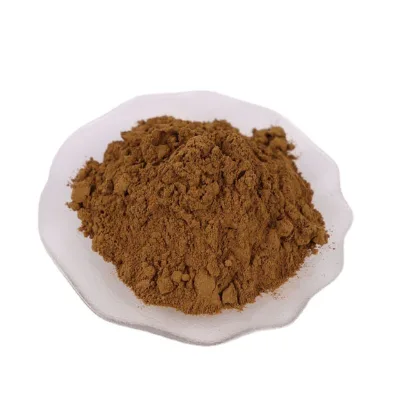
When sourcing white crystals L-threonine, buyers must first establish a clear understanding of the product's fundamental identity and physical characteristics. The core keyword points to a specific amino acid additive used primarily in feed processing and preservation. In the context of industrial procurement, this substance is categorized as a feed processing and preservation agent, functioning specifically as an amino acid additive to enhance nutritional profiles in animal feed formulations. The physical form is consistently observed as a powder feed, often described as white crystals or a white powder depending on the specific processing stage and purity level.
Technical specifications are the bedrock of any successful procurement strategy for this commodity. The supplied data indicates that the product model is frequently identified as "amino acid" or specifically "L-Threonine," with some listings referencing "L-Valine" as a related category, though the focus remains on L-Threonine. A critical observation for buyers is the variance in purity claims across different listings. Some specifications cite a purity on a dry matter basis of 99.3%, while others reference a feed grade standard of 98.5% Threonine. This discrepancy highlights the necessity for buyers to verify the exact assay percentage required for their specific application. The assay percentage is a vital metric, with observed values ranging from 91.9% to higher purity levels, necessitating a clear definition of the minimum acceptable threshold before engaging with suppliers.
Furthermore, the chemical and physical constants provide a baseline for quality verification. The specific rotation, a measure of optical activity, is a key identifier for L-Threonine. Data points show values such as -27.71 degrees and 28.0 degrees, indicating that buyers must confirm the specific rotation range relevant to the grade they are purchasing. Other critical physical attributes include the loss on drying, which has been observed at 0.08%, 0.13%, and similar low percentages, and the residue on ignition, noted at 0.05%. These figures are essential for ensuring the product is not overly hydrated or contaminated with inorganic impurities. The pH level is another parameter to monitor, with observed values around 6.5, which is typical for amino acid solutions in feed applications.
Compliance Framework and Certification Verification
Navigating the compliance landscape for L-Threonine requires a rigorous approach to certification verification. The product is subject to various standards, with "feed" being a primary classification standard. Additionally, specific chemical standards such as "70% sulphate" or "98.5% Threonine Feed Grade" may appear in product descriptions, requiring buyers to distinguish between general feed standards and specific chemical purity standards. The origin of the product is predominantly China, which influences the regulatory framework and certification expectations.
Buyers must scrutinize the certification claims provided by suppliers. The available data lists a broad range of certifications including RoHS, QS, ISO, CE, and CCC. However, the reliability of these claims varies. While ISO is frequently cited, particularly for L-Valine and related amino acids, the presence of RoHS is noted as a low-confidence background fact in some contexts. This distinction is crucial; buyers should not assume that every listed product automatically satisfies all certification requirements without requesting valid, up-to-date documentation. The "QS" certification is particularly relevant for food and feed safety in certain markets, while "CCC" indicates compliance with Chinese Compulsory Certification standards.
The verification process should extend beyond the certificate itself to the scope of the certification. For instance, a supplier may hold an ISO certification for their general manufacturing processes, but this does not automatically guarantee that every batch of L-Threonine meets specific feed grade purity standards. Buyers should request certificates that explicitly cover the product model and the specific grade being purchased. Furthermore, the standard "feed" designation implies that the product must meet the safety and nutritional requirements set forth by local feed regulations in the destination country. In markets with strict chemical residue limits, the presence of certifications like CE or CCC may be mandatory, but their validity must be confirmed against the specific product batch.
Cost Drivers and Pricing Dynamics
The pricing structure for L-Threonine is influenced by a complex interplay of factors, including purity, packaging, and order volume. The observed price range in the market is extensive, spanning from $0.92 to $2,200 USD. This wide variance is not indicative of a single product but rather reflects differences in concentration, packaging size, and the specific grade of the amino acid. A price at the lower end of this spectrum likely corresponds to bulk industrial grades or specific packaging configurations, while the higher end may reflect specialized high-purity grades or smaller, more convenient packaging units.
Minimum Order Quantity (MOQ) is a significant driver of unit cost. The observed MOQ range is from 1 to 5,000 units, suggesting that suppliers offer flexible entry points for small-scale buyers while incentivizing large-volume purchases through economies of scale. Buyers should understand that the unit price is often inversely proportional to the order volume. A purchase of 1 unit may carry a significantly higher per-unit cost compared to a bulk order of 5,000 units. Additionally, the packaging format plays a role in cost determination. Common packaging options include 25kg bags, 600kg bags, 800kg bags, and 1000kg bags. The choice of packaging affects logistics costs and handling efficiency, which in turn influences the final landed cost.
Other cost drivers include the specific chemical standards met by the product. For example, a product meeting a "70% sulphate" standard or a "98.5% Threonine Feed Grade" standard may command a different price point than a generic amino acid product. The purity level, such as the 99.3% observed in some listings, is a premium attribute that typically increases the cost. Buyers must balance the need for high purity against the budget constraints, recognizing that the cost of L-Threonine is not static but varies based on the specific technical requirements of the feed formulation.
Typical Applications in Feed Processing
L-Threonine serves a specialized function within the animal feed industry, primarily as an amino acid additive. Its role is to supplement the amino acid profile of feed formulations, ensuring that livestock receive the necessary nutrients for optimal growth and health. As a feed processing and preservation agent, it helps maintain the nutritional integrity of the feed during storage and processing. The product is specifically identified as "Feed: L-Threonine," indicating its targeted use in this sector.
The application of L-Threonine is critical in monogastric animal feed, such as for poultry and swine, where threonine is often a limiting amino acid. By adding L-Threonine to the feed, producers can improve protein utilization, reduce nitrogen excretion, and enhance overall feed efficiency. The white crystal or powder form of the product makes it easy to mix into various feed types, ensuring uniform distribution of the nutrient. The specific rotation and purity levels are particularly important in these applications, as the biological activity of the amino acid depends on its stereochemical configuration.
In addition to direct nutritional supplementation, L-Threonine may play a role in feed preservation. As a feed processing agent, it can help stabilize the feed mixture, preventing degradation of other nutrients and maintaining the quality of the final product. The specific applications may vary based on the target animal species and the specific nutritional requirements of the feed formulation. Buyers should consult with nutritionists to determine the optimal inclusion rate of L-Threonine in their specific feed recipes, ensuring that the product meets the necessary performance criteria.
Supplier Evaluation and Quality Control Protocols
Evaluating suppliers for L-Threonine requires a multi-faceted approach that combines technical verification with supply chain reliability. The first step is to verify the supplier's ability to meet the specific technical specifications of the product. This includes confirming the purity levels, such as the 99.3% or 98.5% Threonine Feed Grade, and ensuring that the specific rotation, loss on drying, and residue on ignition values align with the buyer's requirements. Buyers should request detailed test reports for each batch, including data on heavy metals, arsenic, cadmium, and mercury levels. The observed data indicates that heavy metals (as Pb) should conform to specific limits, with lead levels observed at <0.5 ppm and other heavy metals at <15 ppm.
Quality control protocols must also address the microbial safety of the product. The total plate count is a critical parameter, with observed values of <20 Cfu/G. This low microbial load is essential for feed products to prevent contamination and ensure the safety of the animals consuming the feed. Buyers should verify that the supplier has robust quality control measures in place, including regular testing for transmittance, pH, and sulfate content. The transmittance percentage, observed at 98.1%, and sulfate content, observed at <0.03%, are indicators of the product's clarity and chemical purity.
Supplier evaluation should also consider the consistency of the product model and packaging. The data shows various product models, including "dt057" and "DITAI94," which may indicate different production lines or formulations. Buyers should ensure that the supplier can consistently deliver the same product model and packaging configuration. The shelf life of the product, observed as >12 months, is another factor to consider, as it impacts inventory management and storage requirements. Finally, buyers should assess the supplier's ability to provide documentation for all certifications, ensuring that the claims of ISO, QS, or other standards are valid and current.
Long-Term Procurement Considerations and Risk Management
Sourcing L-Threonine is not a one-time transaction but a long-term partnership that requires careful risk management. One of the primary considerations is the stability of the supply chain. Given that the product origin is predominantly China, buyers must be aware of potential geopolitical or logistical disruptions that could affect delivery times and costs. The observed lead times and MOQ ranges suggest that suppliers may have varying capacities, and buyers should plan for potential fluctuations in supply availability.
Another critical aspect is the management of product variability. The wide range of observed specifications, from purity levels to packaging formats, indicates that the market is not standardized. Buyers must establish clear specifications and contracts that define the acceptable range of variation for each parameter. This includes setting strict limits on heavy metals, arsenic, and other contaminants, as well as defining the minimum purity and specific rotation values. Regular audits and third-party testing can help ensure that the supplier consistently meets these standards.
Financial risk management is also essential. The wide price range and varying MOQs mean that buyers must carefully plan their purchasing strategy to optimize costs while maintaining supply security. Buyers should consider hedging strategies or long-term contracts to lock in prices and ensure a steady supply of L-Threonine. Additionally, buyers should monitor market trends and regulatory changes that could impact the availability or cost of the product. By staying informed and proactive, buyers can mitigate risks and ensure a reliable supply of high-quality L-Threonine for their feed production needs.
Comparative Analysis of Product Attributes
To facilitate informed decision-making, the following table summarizes key product attributes observed in the market for L-Threonine. This comparison highlights the variability in specifications and helps buyers identify the critical parameters that require verification.
| Attribute | Observed Value/Range | Significance for Buyer |
|---|---|---|
| Purity (Dry Matter) | 99.3% | High purity indicates premium grade; verify assay requirements. |
| Feed Grade Standard | 98.5% Threonine | Common industry standard; ensures nutritional adequacy. |
| Specific Rotation | -27.71° to 28.0° | Critical for confirming L-isomer configuration and optical purity. |
| Loss on Drying | 0.08% to 0.13% | Indicates moisture content; affects storage and stability. |
| Heavy Metals (Pb) | <0.5 ppm | Safety limit; must be verified for animal health compliance. |
| Total Plate Count | <20 Cfu/G | Microbial safety; essential for feed hygiene. |
| Packaging | 25kg to 1000kg Bags | Impacts logistics, handling, and unit cost. |
| Shelf Life | >12 Months | Influences inventory planning and storage conditions. |
| Origin | China | Affects regulatory compliance and supply chain logistics. |
| Certifications | ISO, QS, CE, CCC, RoHS | Verify validity and scope for specific market requirements. |
This table serves as a reference point for buyers to compare different offerings and prioritize the attributes that are most critical for their specific application. By focusing on these key parameters, buyers can make more informed decisions and select suppliers that best meet their quality and operational needs.
FAQs
What is the typical purity level for white crystals l-threonine?
The typical purity on a dry matter basis reaches 99.3% for high-grade options. Some feed grade listings specify 98.5% threonine content, so buyers must verify the exact assay percentage required for their specific feed formulation needs.
Which certifications are commonly available for this feed additive?
Common certifications include ISO, QS, CE, CCC, and RoHS for various product batches. Buyers should request valid documentation for each specific batch, as certification coverage varies and does not automatically apply to every listed product model.
How is white crystals l-threonine typically packaged for shipment?
Standard packaging options include 25kg bags, 600kg bags, 800kg bags, and 1000kg bags. The choice of packaging affects logistics costs and handling efficiency, influencing the final landed cost for the buyer.
Can suppliers customize the product specifications for white crystals l-threonine?
Yes, customization is available for this feed processing and preservation agent. Buyers should confirm specific requirements with suppliers, as product models and standards like 70% sulphate or 98.5% threonine may vary by manufacturer.
What is the shelf life of white crystals l-threonine powder?
The shelf life is typically greater than 12 months when stored correctly. This duration impacts inventory management and storage requirements, ensuring the amino acid additive remains effective for animal feed applications.
How does the MOQ affect the unit price of white crystals l-threonine?
Minimum Order Quantities range from 1 to 5000 units, significantly influencing the unit cost. Larger orders generally benefit from economies of scale, resulting in lower per-unit prices compared to small quantity purchases.
Where are white crystals l-threonine products primarily manufactured?
The product origin is predominantly China, which influences the regulatory framework and certification expectations. Buyers must consider potential logistical disruptions and verify that the supplier meets destination country safety standards.