Source Powder Optical Brightener for Plastics, coatings, and textiles
Find 30 listings for Powder Optical Brightener for Plastics used in coatings, textiles, and detergents. Compare specifications like CAS numbers, grades, and packaging from suppliers in Shandong, China.
Key considerations
Products List
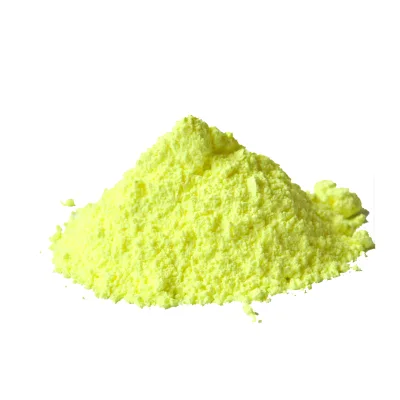
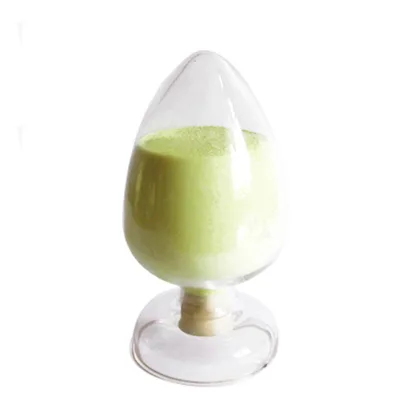
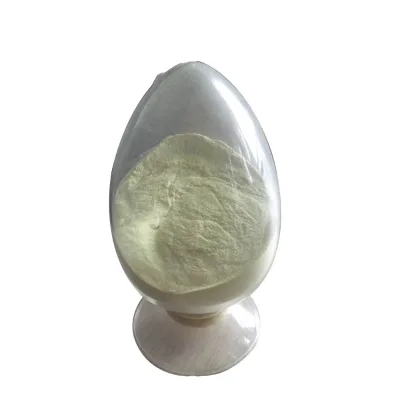
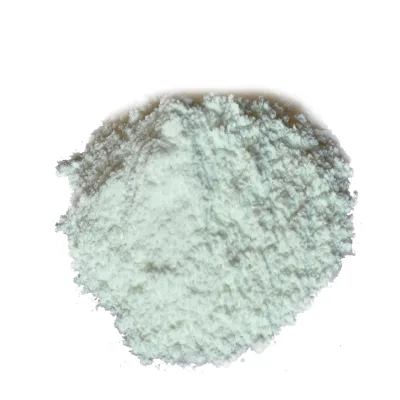
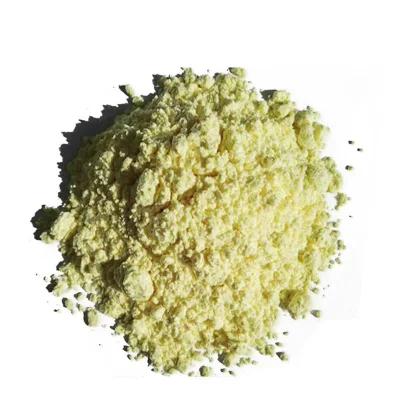
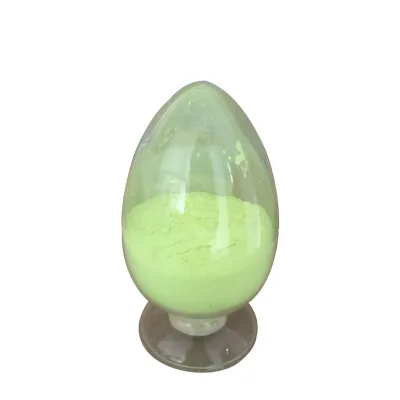


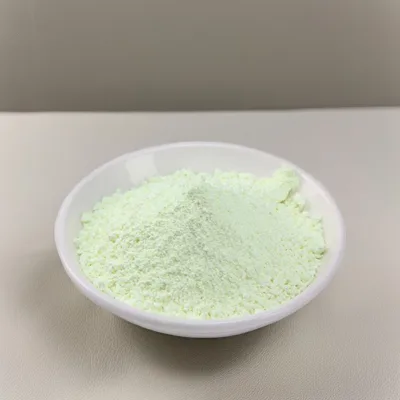
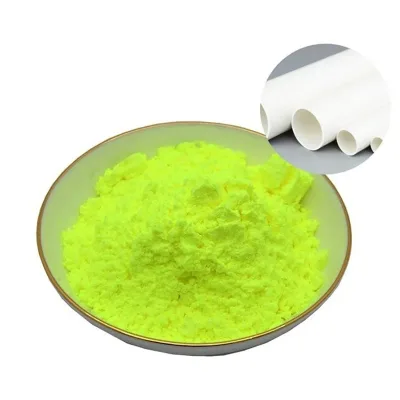
Chemical Supplier Kelly Powder Oba Optical Brightening Agent Ob-1 for PVC
$6.09 - $11.89
MOQ: 20 Minimum
Comprehensive Sourcing Guide
Strategic Sourcing Guide for Powder Optical Brighteners in Plastics
Understanding Product Variants and Technical Specifications
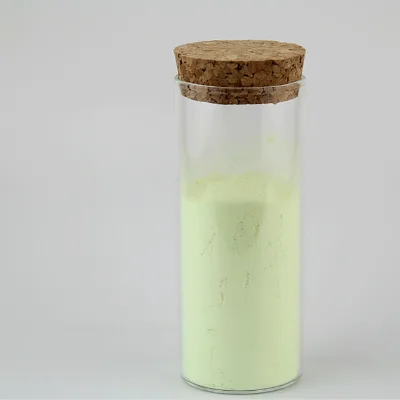
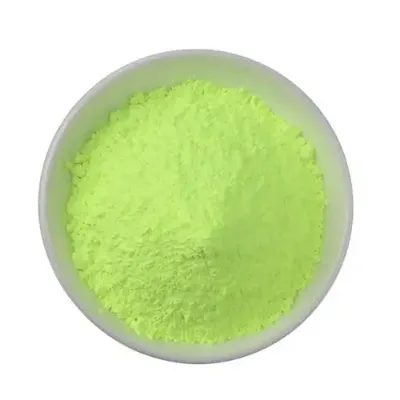
When sourcing powder optical brighteners for plastics, buyers must first navigate the significant diversity in chemical formulations and physical presentations available in the global market. The core keyword "powder optical brightener" encompasses a range of benzoxazole and stilbene derivatives, each designed to enhance the visual brightness and whiteness of polymer matrices. Based on observed market data, the physical form is predominantly a fine powder, though some listings indicate a liquid state or variations such as light yellowish green, milk white, or brown powders. This variance is critical because the specific chemical structure dictates compatibility with different plastic types and processing temperatures.
A primary technical differentiator is the molecular formula and CAS number, which serve as the unique fingerprint for each brightener. For instance, one common variant is identified by the CAS number 1533-45-5 with the molecular formula C28H18N2O2, often marketed under model numbers like OB-1. Another distinct variant carries the CAS number 7128-64-5 with the formula C26H26N2O2S. These chemical differences result in varying fluorescence properties and thermal stability. Buyers should verify the specific model number, such as OB, KCB, KSN, or 4BK, against their resin specifications. The grade is typically classified as Industrial Grade, suitable for applications where extreme purity is not the primary constraint, but performance consistency is required. The appearance is generally described as a powder, but the specific hue—ranging from white to light yellowish green—can influence the final color tone of the plastic product, particularly in white or light-colored applications.
Compliance, Certification, and Regulatory Verification
In the B2B procurement of chemical additives, regulatory compliance is a non-negotiable pillar of supplier evaluation. While the supply chain for optical brighteners is global, specific regional regulations can dictate market access. For example, the European Union's REACH regulation is a critical benchmark for chemical safety, though buyers must verify the specific compliance status of each supplier, as certification is not universally guaranteed across all product listings. The EINECS number, such as 216-245-3, serves as a vital reference for chemical inventory registration in Europe, confirming that the substance has been previously assessed for inclusion in the European inventory.
Buyers must also scrutinize the documentation provided for the specific batch. The presence of a CAS number and EINECS number is standard, but the absence of a specific certification claim does not automatically imply non-compliance; rather, it necessitates a direct request for the Safety Data Sheet (SDS) and a Certificate of Analysis (CoA). The "Industrial Grade" classification suggests that the product is intended for general manufacturing use, but this does not preclude the need for food-contact or toy-safety compliance if the final plastic application falls into those categories. Therefore, the procurement strategy must include a mandatory verification step where the buyer requests proof of compliance with the specific regulatory framework of their target market, whether it be EU REACH, US TSCA, or other local standards.
Cost Drivers and Economic Parameters
The economic landscape for sourcing powder optical brighteners is influenced by several distinct factors, including minimum order quantities (MOQ), packaging configurations, and the unit price structure. Market observations indicate a wide range in MOQs, with some suppliers offering samples freely, while others require substantial bulk commitments. The observed MOQ range spans from 1 unit to 1,000 units, with specific listings citing an MOQ of 1 Ton for certain industrial-grade variants and others setting a threshold at 25 kg. This disparity requires buyers to align their procurement volume with their production needs; small-batch prototyping may be feasible with lower MOQs, whereas mass production demands negotiating for bulk pricing tiers.
Packaging also plays a significant role in the total landed cost. Standard packaging is frequently listed as 25 kg per bag or fiber drum, with a gross weight per batch often recorded around 1.0 kg for sample units but scaling up to 100 kg or more for full batches. The selling units are sometimes structured as multiples, such as multiples of 2,000 items, which can complicate ordering for smaller buyers. The observed price range in the market is broad, spanning from $1 to $85 USD, reflecting differences in chemical purity, brand reputation, and volume discounts. Buyers should be aware that the "free sample" offer is a common strategy to secure larger orders, but the transition from sample to bulk production involves a shift in pricing dynamics that must be clarified before finalizing a contract.
Typical Applications and Performance Expectations
The versatility of powder optical brighteners is evident in their extensive application across various industries beyond just plastics. While the core focus for this guide is plastics, the same chemical agents are frequently utilized in ceramic pigments, coating pigments, cosmetic pigments, ink pigments, and leather pigments. In the context of plastics, these brighteners are essential for enhancing the whiteness and brightness of polymers, making them appear cleaner and more vibrant. The specific application areas for these products include plastic usage, acetate fiber, paint, coating, and printing ink.
The performance of the brightener is heavily dependent on the processing conditions of the plastic. For instance, the product is often applied in paint coatings, printing inks, and plastic manufacturing. The chemical characteristics, such as being a benzoxazole compound, determine its ability to absorb UV light and re-emit it as visible blue light, thereby masking yellowing. However, the physical state of the product, whether it is a powder or liquid, affects how it is dispersed within the plastic matrix. Buyers should verify that the specific brightener model is compatible with their resin type, as some variants are optimized for specific polymer families. The usage list also includes textile and paper applications, indicating a broad spectrum of utility, but the specific formulation for plastics must be selected to ensure thermal stability during extrusion or injection molding processes.
Supplier Evaluation and Quality Control Protocols
Evaluating suppliers for powder optical brighteners requires a rigorous approach to quality control and operational reliability. The place of origin for many listed products is Shandong, China, a region known for its chemical manufacturing capabilities. However, the geographic location should not be the sole determinant of supplier quality. Buyers must assess the supplier's ability to provide consistent product attributes, such as the specific appearance (fine powder vs. light yellowish green) and the accuracy of the molecular formula and CAS number.
Quality control should begin with the request for samples. Many suppliers offer samples freely, which allows the buyer to test the brightener in their own production environment. The sample should be compared against the product specifications, including the model number (e.g., OB-1, OB, KCB) and the physical form. Once a sample is approved, the buyer must establish a protocol for batch-to-batch consistency. This includes verifying the gross weight per batch and the packaging integrity, as moisture or contamination can degrade the performance of the optical brightener. The "Industrial Grade" classification implies that the product meets standard industry requirements, but buyers should not assume this without requesting a Certificate of Analysis for each shipment. Additionally, the supplier's ability to handle the selling units, whether as single items or multiples of 2,000, is a logistical consideration that impacts supply chain efficiency.
Long-Term Procurement and Supply Chain Resilience
Sourcing powder optical brighteners is not merely a transactional activity but a strategic partnership that requires long-term planning. The variability in MOQs and selling units suggests that buyers must develop flexible procurement strategies to accommodate fluctuating production demands. For instance, a supplier requiring an MOQ of 1 Ton may be suitable for large-scale manufacturers, while a supplier with a 25 kg MOQ might be better for smaller operations or those testing new product lines. The lead time and availability of samples are also critical factors; the offer of freely available samples indicates a supplier's confidence in their product, but the speed of delivery and the reliability of the supply chain must be verified.
Buyers should also consider the potential for price volatility. The observed price range of $1 to $85 USD highlights the sensitivity of the market to raw material costs and supply chain disruptions. Establishing a long-term contract with a supplier who can guarantee consistent quality and pricing is essential for maintaining product stability. Furthermore, the buyer should maintain a diversified supplier base to mitigate risks associated with single-source dependencies. Regular audits of the supplier's quality control processes and compliance documentation will ensure that the optical brighteners continue to meet the required specifications for plastic applications. By focusing on these long-term considerations, buyers can secure a reliable supply of high-performance optical brighteners that enhance the visual quality of their plastic products while maintaining operational efficiency.
Comparative Analysis of Product Attributes
To facilitate informed decision-making, the following table summarizes key attributes observed in the market for powder optical brighteners. This comparison highlights the variations in chemical identity, physical form, and packaging that buyers must consider during the sourcing process.
| Attribute Category | Variant A (OB-1) | Variant B (General OB) | Variant C (Detergent/Paper) |
|---|---|---|---|
| CAS Number | 1533-45-5 | 7128-64-5 | Varies by application |
| Molecular Formula | C28H18N2O2 | C26H26N2O2S | Varies |
| Appearance | Fine Powder | Light Yellowish Green Powder | Light Yellow or Milk White |
| Model Number | OB-1 | OB, KCB, KSN, 4BK | 515245 |
| Primary Usage | Plastic, Paint, Ink | Plastic, Textile, Paper | Detergent, Plastic |
| Packaging | 25kg/bag | 25kg Fiber Drum | 25kg/bag |
| MOQ | 1 Ton | 25kg | Multiple of 2,000 |
| Grade | Industrial Grade | Industrial Grade | Industrial Grade |
This table underscores the necessity for buyers to specify their exact requirements. A mismatch in CAS number or molecular formula can lead to performance failures in the final plastic product. Similarly, the packaging and MOQ differences necessitate a tailored approach to inventory management and logistics planning. By carefully analyzing these attributes, buyers can select the most suitable optical brightener for their specific plastic applications, ensuring optimal brightness and whiteness while maintaining cost efficiency and supply chain reliability.
FAQs
What is the typical appearance of Powder Optical Brightener for Plastics?
The product typically appears as a fine powder, though some variants are light yellowish green or milk white. Buyers should verify the specific hue against their resin requirements to ensure the final plastic color tone meets expectations.
Which model numbers are available for Powder Optical Brightener for Plastics?
Common model numbers include OB-1, OB, KCB, KSN, and 4BK. These identifiers correspond to specific chemical structures like benzoxazole compounds, so buyers must match the model to their processing temperature and polymer type.
Can buyers obtain samples of Powder Optical Brightener for Plastics?
Yes, samples are freely offered or available for many listings. This allows buyers to test fluorescence and compatibility before committing to bulk orders, though transition to production involves specific pricing and minimum order quantities.
How is Powder Optical Brightener for Plastics typically packaged?
Standard packaging is 25 kg per bag or fiber drum. The gross weight per batch varies, often starting at 1 kg for samples and scaling up to 100 kg or more for full industrial shipments.
What is the minimum order quantity for Powder Optical Brightener for Plastics?
MOQs vary significantly, ranging from 25 kg to 1 ton depending on the supplier and grade. Buyers should align their procurement volume with production needs, as some sellers require multiples of 2,000 items.
Where are Powder Optical Brightener for Plastics typically manufactured?
Many listed products originate from Shandong, China, a region known for chemical manufacturing. Buyers should verify the specific place of origin and request documentation to ensure the product meets their regional regulatory standards.