Source Powder Metallurgy Sintering Furnace for steel, copper, iron
Compare 30 verified listings for Powder Metallurgy Sintering Furnace options tailored for steel, copper, and iron processing. Evaluate specifications like temperature accuracy, voltage, and customization to find the right induction furnace for your industrial needs.
Key considerations
Products List
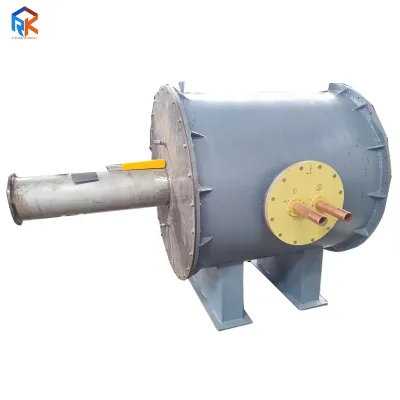


High Temperature Batch Type Sintering Furnace for Magnetic Experiment
$5000.00 - $20000.00
MOQ: 1 Pieces


Premium Reducer Induction Melting Furnace for Efficient Metal Processing
$5999.00 - $79999.00
MOQ: 1 Sets



Comprehensive Sourcing Guide
Strategic Sourcing Guide for Powder Metallurgy Sintering Furnaces
The procurement of industrial heating equipment, specifically powder metallurgy sintering furnaces, requires a rigorous approach that balances technical precision with supply chain reliability. Buyers entering this market must navigate a complex landscape of specifications, certifications, and operational requirements. The following guide outlines the critical factors for sourcing these high-value assets, drawing upon observed market data and established industry standards to ensure informed decision-making.
Technical Specifications and Operational Parameters
When evaluating a sintering furnace for powder metallurgy applications, the core technical specifications define the machine's capability to meet production targets. The primary distinction in the current market lies between induction-based systems and traditional resistance heating, though induction technology is increasingly prevalent for its efficiency and control. A critical observation in the available product data indicates that modern units often feature a PLC (Programmable Logic Controller) as a core component. This integration is essential for maintaining the precise thermal profiles required during the sintering process, where temperature deviations can compromise the structural integrity of the final sintered product.
Temperature accuracy is a paramount specification. Market observations suggest that high-performance units claim an accuracy range of 1 to 3 degrees Celsius. For powder metallurgy, where the sintering temperature must be maintained within a narrow band to ensure proper densification without melting the material, this level of precision is non-negotiable. Buyers should verify that the control system can sustain this accuracy across the entire heating cycle, not just at the setpoint.
Power and voltage requirements vary significantly based on the furnace capacity and type. Data indicates a voltage range spanning from 220V to 480V, with 380V being a common standard for industrial three-phase applications. Power ratings observed in the market range widely from 15kW to 300kW, reflecting the diversity of production scales from small-batch prototyping to high-volume manufacturing. The physical dimensions of these units are frequently non-standard, necessitating careful planning for facility integration. Weight is another critical factor, with some observed units weighing up to 5 tons, which impacts floor load requirements and shipping logistics.
Compliance, Certification, and Safety Standards
Navigating the regulatory landscape is a fundamental step in the procurement process. International trade and safety compliance are often dictated by the certifications held by the manufacturer. The market data reveals a mix of standards, including ROHS, SGS, CE, CCC, UL, and ISO. The presence of these certifications is not merely a formality; they serve as evidence that the equipment meets specific safety, environmental, and quality benchmarks.
For buyers operating in or exporting to the European Union, CE certification is a mandatory requirement. Similarly, products intended for the North American market often require UL listing, while the Chinese domestic market may look for CCC certification. The observation of "Advanced National Standard" in some listings suggests that certain manufacturers adhere to rigorous local specifications that may exceed minimum international requirements. However, buyers must treat these claims as observations of specific listings rather than universal guarantees for all products in the category.
Environmental compliance is also a growing concern. The ROHS (Restriction of Hazardous Substances) standard, frequently cited in product data, ensures that the equipment does not contain specific hazardous materials. This is particularly relevant for the electrical components and wiring within the furnace assembly. Buyers should request valid, up-to-date certification documents from the supplier to verify that the specific model being purchased holds the claimed status. The absence of a specific certification should not be assumed to mean non-compliance, but it does require a deeper investigation into the manufacturing quality control processes.
Cost Drivers and Pricing Structures
Understanding the cost structure of sintering furnaces is essential for budgeting and total cost of ownership (TCO) analysis. The observed price range in the market is exceptionally broad, spanning from $0.01 to $3,500,000. This vast disparity highlights the difference between small-scale laboratory units and large-scale industrial systems. The price is heavily influenced by the power rating, the complexity of the control system, the materials used for the furnace body, and the level of customization required.
MOQ (Minimum Order Quantity) values observed range from 1 to 1000 units. While some suppliers offer single-item purchasing for custom or prototype units, larger orders may trigger different pricing tiers or require specific production runs. The "Selling Units" are typically listed as single items, indicating that these are capital goods rather than consumables.
Beyond the initial purchase price, buyers must consider the cost of customization. The market data confirms that customization is available, which can significantly impact the final cost. Customizations may include specific dimensions, unique voltage configurations, or specialized control interfaces. Additionally, the packaging method, ranging from wooden cases with plastic foam to plywood cases and nude shipping, affects logistics costs. Heavy units, such as those weighing 5 tons, will incur substantial freight and handling charges that must be factored into the procurement budget.
Typical Applications and Industry Use Cases
While the core keyword focuses on powder metallurgy sintering, the observed product data reveals a broader application spectrum. These furnaces are versatile and are utilized for various high-temperature processes. Specific applications noted include induction sintering, iron, steel, and copper melting, and general induction heating. The distinction between a sintering furnace and a melting furnace is critical; while both use high heat, the thermal profile and atmosphere control differ significantly.
For powder metallurgy, the furnace must provide a controlled atmosphere to prevent oxidation while heating the metal powder compact to a temperature just below its melting point. The "Accurate temperature control" is listed as a key selling point, directly addressing the needs of this application. Other applications, such as the melting of iron and steel, require different thermal dynamics and may utilize different furnace body types, such as the Aluminum Shell Furnace Body or Crucible Melting Furnace observed in the data.
The type of furnace also dictates its suitability for specific materials. Induction furnaces, which are prevalent in the data, are particularly effective for conductive materials like copper and steel. The structure of the furnace, whether horizontal or vertical, also influences the process. Horizontal types are often preferred for continuous processing or specific loading configurations, while the data also mentions tilting mechanisms, including mechanical, electric gear motor, and hydraulic options, which facilitate the pouring of molten metal in melting applications.
Supplier Evaluation and Geographic Considerations
Evaluating suppliers requires a careful analysis of their geographic origin and production capabilities. The market data indicates a concentration of manufacturers in China, specifically in provinces such as Henan, Fujian, and Shanghai. These regions have developed robust industrial ecosystems for heavy machinery and electrical equipment. However, buyers should be aware that product attributes like "Place of Origin" and "Prod Origin" may vary even within the same listing, suggesting a complex supply chain or multiple manufacturing facilities.
Brand names observed include "RONGKE" and "China Electric," though these should be treated as specific examples rather than endorsements. When evaluating a supplier, buyers should look for evidence of a machinery test report, which is listed as "Provided" in the data. This report is a crucial document that validates the performance of the equipment before shipment. Additionally, the availability of after-sales service is a key differentiator. Suppliers offering "Engineers Available to Service Machinery Overseas" provide a significant advantage for international buyers who may face challenges with local technical support.
The warranty period is another critical metric. A standard warranty of 1 year is observed in the data, which serves as a baseline for buyer expectations. Buyers should negotiate warranty terms that cover critical components like the PLC and heating elements, as these are the most expensive parts to replace.
Quality Control and Long-Term Procurement Considerations
Ensuring long-term reliability requires a focus on quality control mechanisms and the durability of the equipment. The "Condition" of the units is typically listed as "New," but buyers must verify the manufacturing date and the storage conditions prior to shipment. The composition of the furnace components, described as "Permanent" in some contexts, likely refers to the magnetic properties of induction coils or the structural integrity of the core components, which must withstand repeated thermal cycling.
For long-term procurement, the availability of spare parts is essential. The complexity of the equipment, with its PLC systems and specialized heating elements, means that downtime can be costly. Buyers should inquire about the lead time for spare parts and the supplier's inventory levels. The packaging, whether "Wooden Case and Plastic Foam" or "Neutral Packing with Wooden Cases & Paper Carton," plays a vital role in protecting the equipment during transit. Proper packaging ensures that sensitive components like the control panel and sensors arrive without damage.
Furthermore, the standard of the product, whether it adheres to "Advanced National Standard" or international certifications like CE and ISO, is a proxy for the overall quality of the manufacturing process. Buyers should request detailed documentation on the manufacturing standards and quality assurance protocols used by the supplier. This due diligence helps mitigate the risk of receiving equipment that does not meet the required performance specifications.
Conclusion
Sourcing a Powder Metallurgy Sintering Furnace is a multifaceted process that demands a deep understanding of technical specifications, regulatory compliance, and supplier capabilities. The market offers a wide array of options, from small, single-item units to large, customized industrial systems. By focusing on key attributes such as temperature accuracy, PLC integration, and certification status, buyers can identify equipment that meets their specific production needs. The geographic concentration of manufacturers in China offers competitive pricing and a wide range of options, but it also necessitates rigorous supplier evaluation to ensure quality and after-sales support. Ultimately, a successful procurement strategy relies on balancing the initial cost with the long-term value provided by reliable, high-performance equipment.
FAQs
What core components control the sintering furnace temperature?
The furnace utilizes a PLC as its core component for precise temperature management. This system ensures the accurate temperature control required for powder metallurgy processes, maintaining deviations within 1 to 3 degrees Celsius.
Which certifications verify the safety and compliance of these units?
Units often carry CE, ROHS, SGS, UL, and ISO certifications to meet international standards. Some listings also reference Advanced National Standard compliance, ensuring the equipment adheres to rigorous safety and environmental regulations.
Can the furnace dimensions be customized for specific facility needs?
Yes, customization is available for these induction furnaces to accommodate non-standard dimensions. Buyers can request specific configurations while noting that the standard voltage typically operates at 380V or ranges up to 480V.
How is the machinery tested before it is shipped to buyers?
A machinery test report is provided for the equipment to validate performance prior to shipment. This documentation serves as a critical quality assurance step, confirming that the unit meets the specified operational parameters.
What warranty coverage is typically included with the purchase?
A standard warranty of 1 year is commonly provided for these industrial heating units. This coverage helps protect the investment against early failures, though specific terms may vary by manufacturer and component type.
Which packaging methods protect the furnace during international shipping?
Furnaces are typically packed in wooden cases with plastic foam or plywood cases for protection. Some units may also be shipped nude or with neutral packing, depending on the specific model and supplier requirements.
What is the typical weight range for these industrial sintering units?
Observed units can weigh up to 5 tons, requiring careful floor load planning. The heavy weight impacts shipping logistics and necessitates robust packaging to ensure the equipment arrives without damage during transit.