Source Precision Die Casting Compressor Head for Industrial, Automotive, and HVAC
Explore 30 verified listings for Precision Die Casting Compressor Head options including 10HP, 15HP, and 5.5HP piston models. Buyers can compare specifications like air flow, pressure, and weight to find suitable units for various industrial applications.
Key considerations
Products List


Precision Machined Compressor Crosshead for Reciprocating Piston Compressor Spare Parts
$800.00 - $30000.00
MOQ: 1 Pieces


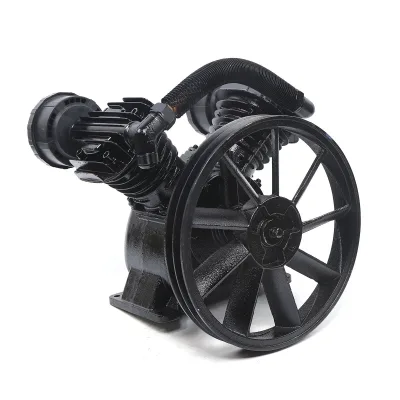


Comprehensive Sourcing Guide
Strategic Sourcing Guide for Precision Die Casting Compressor Heads
The global market for industrial air compression systems relies heavily on the reliability of core components, with the piston air compressor pump head serving as the mechanical heart of these units. For procurement professionals targeting precision die casting compressor heads, the selection process requires a rigorous understanding of material science, dimensional tolerances, and operational parameters. The supply chain for these components is characterized by a diverse range of configurations, from small-scale 10HP units to heavy-duty 15HP industrial pumps. Buyers must navigate a landscape where attributes such as cylinder position, cooling systems, and lubrication styles vary significantly between models. This guide provides a structured approach to evaluating potential suppliers and products, ensuring that the final procurement aligns with specific operational demands without relying on unverified market claims.
Technical Specification Analysis and Material Verification
The foundation of a successful procurement strategy lies in the precise interpretation of technical specifications. In the current market, compressor heads are frequently categorized by their power output and airflow capacity. Observed data indicates a spectrum of models, including a 10HP Piston Air Compressor Pump with an air flow of 64L/Min and a working pressure of 115psi. In contrast, higher-capacity units, such as the 15HP Piston Air Compressor Pump Head, demonstrate an air flow of 1597L/Min and a working pressure of 10bar. These discrepancies highlight the necessity for buyers to define their exact requirements before engaging with suppliers.
Material composition is a critical differentiator. While some units are constructed from Cast Iron, others utilize Aluminum for weight reduction and thermal efficiency. For instance, specific models are identified with Aluminum construction, weighing 45kg, while heavier counterparts reach 169kg. The choice between Cast Iron and Aluminum often depends on the application environment; Cast Iron offers durability for stationary, high-load operations, whereas Aluminum may be preferred for applications requiring portability or reduced vibration. Buyers must verify the material grade and casting quality, as these factors directly influence the longevity and thermal management of the compressor head.
Furthermore, the physical configuration of the unit plays a vital role. The cylinder position is typically vertical, and the structure type is often open, facilitating maintenance and inspection. Cooling systems are predominantly air-cooled, which simplifies the design but requires adequate ventilation in the installation area. Lubrication styles vary, with lubricated systems being common, necessitating regular oil checks and maintenance schedules. The speed of operation, measured in revolutions per minute (RPM), also varies; observed models range from 730rpm to 950rpm, impacting the overall efficiency and noise profile of the equipment.
Compliance, Certification, and Regulatory Standards
Navigating the regulatory landscape is essential for international procurement. Compliance with international standards ensures that the equipment meets safety and quality benchmarks required in various markets. The presence of CE certification is a notable observation in the current product pool, indicating adherence to European health, safety, and environmental protection standards. However, buyers should not assume that all listed products automatically possess this certification or others like RoHS or ISO 9001:2008 without explicit verification from the supplier. These certifications should be treated as attributes that require active confirmation rather than guaranteed defaults.
When evaluating compliance, procurement teams must request valid certification documents and verify their authenticity. The standard component nature of many units suggests that they are designed to fit existing systems, but this does not exempt them from local regulatory requirements. For example, machinery test reports are provided for some units, offering evidence of performance validation. Buyers should prioritize suppliers who can provide comprehensive documentation, including test results for pressure tolerance, airflow consistency, and thermal stability.
Additionally, the origin of the product influences regulatory compliance. Many units originate from Jiangsu, China, a major manufacturing hub. While this region has a robust supply chain, buyers must ensure that the specific factory adheres to the required export standards. The packaging, often described as Carton/Wooden Case or 1 Set Per Carton, also plays a role in compliance, particularly regarding international shipping regulations for hazardous materials or heavy machinery. Ensuring that the packaging meets safety standards for transport is a crucial, yet often overlooked, aspect of the procurement process.
Cost Drivers and Pricing Structure Evaluation
Understanding the cost drivers for precision die casting compressor heads is vital for budget planning and negotiation. The observed price range in the market is extensive, spanning from $0.1 to $30,000. This wide variance reflects differences in power output, material quality, and included features. A 5.5HP Piston Air Compressor Pump Head, weighing 34kg, represents a mid-range option, while larger, more complex units with higher airflow capacities command significantly higher prices.
The Minimum Order Quantity (MOQ) is another critical factor influencing total cost. The observed MOQ range is between 1 and 100 units. For small-scale projects or pilot programs, suppliers with an MOQ of 1 offer flexibility, though the unit price may be higher. Conversely, bulk purchases with an MOQ of 100 can leverage economies of scale, reducing the per-unit cost. Buyers must balance the initial investment against the volume requirements of their project.
Other cost drivers include the complexity of customization. While customization is available for many models, specific requests for unique dimensions or specialized materials can increase production costs and lead times. The warranty of core components, typically ranging from 1 year, also impacts the long-term cost of ownership. A longer warranty period may indicate higher manufacturing quality but could come with a premium price. Buyers should analyze the total cost of ownership, including maintenance, energy consumption, and potential downtime, rather than focusing solely on the initial purchase price.
Typical Applications and Operational Context
Precision die casting compressor heads are versatile components used across various industrial sectors. The 10HP models, with their compact design and 64L/Min airflow, are suitable for smaller workshops or applications requiring moderate air pressure. These units are often used in pneumatic tools, light manufacturing, and assembly lines where space is limited. The 15HP models, with their substantial 1597L/Min airflow, are designed for heavy-duty industrial applications, such as large-scale manufacturing, automotive plants, and construction sites.
The configuration of the compressor head also dictates its application. Stationary units, like the 5.5HP model with a 769L/Min airflow, are ideal for fixed installations where continuous operation is required. The open structure type facilitates easy access for maintenance, making these units suitable for environments where regular servicing is necessary. The vertical cylinder position and air cooling system are standard features that support efficient operation in various climates.
Buyers must consider the specific operational environment when selecting a compressor head. Factors such as ambient temperature, humidity, and dust levels can affect the performance and lifespan of the unit. For instance, air-cooled systems require adequate airflow to prevent overheating, making them less suitable for enclosed or poorly ventilated spaces. Additionally, the lubrication style must match the maintenance capabilities of the facility; lubricated systems require regular oil changes, while non-lubricated options may be preferred for applications where oil contamination is a concern.
Supplier Evaluation and Quality Assurance Protocols
Evaluating suppliers requires a multi-faceted approach that goes beyond price comparisons. Buyers should assess the supplier's production capabilities, quality control processes, and after-sales support. The availability of online support as an after-warranty service is a positive indicator of supplier commitment to customer satisfaction. However, buyers should verify the scope and responsiveness of this support, as it can vary significantly between providers.
Quality assurance protocols are paramount when sourcing precision components. Buyers should request detailed information about the manufacturing process, including casting techniques, machining tolerances, and testing procedures. The provision of machinery test reports is a strong indicator of a supplier's commitment to quality. These reports should include data on pressure testing, airflow measurements, and durability assessments.
Furthermore, the condition of the product is a critical factor. All observed units are listed as "New," but buyers should ensure that the products are factory-fresh and have not been stored in conditions that could compromise their integrity. The warranty of core components, typically 1 year, provides a baseline for quality assurance, but buyers should negotiate terms that align with their specific risk tolerance.
Long-Term Procurement Considerations and Maintenance
Long-term procurement considerations extend beyond the initial purchase to include maintenance, spare parts availability, and lifecycle management. The weight of the units, ranging from 34kg to 169kg, impacts installation and logistics planning. Heavier units may require specialized handling equipment and reinforced flooring, adding to the initial setup costs.
Maintenance requirements vary based on the lubrication style and cooling system. Lubricated units require regular oil changes and filter replacements, which must be factored into the operational budget. Air-cooled systems need periodic cleaning of cooling fins to maintain efficiency. Buyers should ensure that the supplier provides a comprehensive maintenance manual and has a reliable supply chain for spare parts.
The customization options available, such as specific dimensions or configurations, can also influence long-term procurement. Customized units may have longer lead times and higher costs for spare parts. Buyers should weigh the benefits of customization against the potential risks of supply chain disruptions. Additionally, the packaging, whether Carton/Wooden Case or 1 Set Per Carton, should be evaluated for its ability to protect the unit during storage and transport, ensuring that the product remains in optimal condition until installation.
Comparative Analysis of Key Product Attributes
To facilitate decision-making, the following table summarizes key attributes of the observed compressor head models. This comparison highlights the diversity in specifications and helps buyers identify the most suitable options for their specific needs.
| Attribute | Model A (10HP) | Model B (15HP) | Model C (5.5HP) | Model D (Aluminum) |
|---|---|---|---|---|
| Power | 10HP | 15HP | 5.5HP | 5.5HP |
| Air Flow | 64L/Min | 1597L/Min | 769L/Min | 573L/Min |
| Working Pressure | 115psi | 10bar | 8 Bar | N/A |
| Material | Cast Iron | Cast Iron | Cast Iron | Aluminum |
| Weight | N/A | 169kg | 34kg | 45kg |
| Speed (RPM) | N/A | 730rpm | 850 Rpm | 950 |
| Cooling System | Air Cooling | Air Cooling | Air Cooling | Air Cooling |
| Cylinder Position | Vertical | Vertical | Vertical | Vertical |
| Certification | CE | CE | CE | CE |
| Origin | Jiangsu, China | Jiangsu, China | Jiangsu Yancheng | Jiangsu, China |
| Warranty | Online Support | Online Support | 1 Year | 1 Year |
This table illustrates the significant variations in performance and specifications. Buyers should use this data as a starting point for further investigation, verifying each attribute with the supplier to ensure accuracy. The diversity in power, airflow, and material composition underscores the importance of a tailored procurement strategy that aligns with specific operational requirements.
In conclusion, sourcing precision die casting compressor heads requires a meticulous approach that balances technical specifications, compliance, cost, and long-term operational needs. By leveraging the observed data and adhering to rigorous evaluation protocols, buyers can make informed decisions that enhance the efficiency and reliability of their industrial air compression systems. The key lies in understanding the nuances of each model and engaging with suppliers who demonstrate a commitment to quality and transparency.
FAQs
What materials are used for precision die casting compressor heads?
These heads are commonly constructed from Cast Iron or Aluminum. Cast Iron units offer durability for heavy-duty stationary operations, while Aluminum models provide weight reduction and improved thermal efficiency for specific applications.
Which certifications are available for these compressor pump heads?
CE certification is observed for specific models in the current product pool. Buyers must verify this explicitly with suppliers as it is not a guaranteed default for all listed units and requires active confirmation.
How does the power output affect the air flow capacity?
Higher power outputs generally yield greater air flow capacities. For instance, a 15HP model achieves 1597L/Min, whereas a 10HP unit provides only 64L/Min, requiring buyers to match power to operational needs.
Can these units be customized for specific dimensions?
Customization is available for many models to meet unique requirements. However, specific requests for unique dimensions or specialized materials can increase production costs and extend lead times compared to standard components.
What is the typical warranty period for core components?
The warranty for core components typically ranges from 1 year. This baseline provides quality assurance, but buyers should negotiate terms that align with their specific risk tolerance and long-term maintenance plans.
Which cooling systems are standard for these piston pumps?
Air cooling is the predominant system used for these piston air compressor pump heads. This design simplifies the unit but requires adequate ventilation in the installation area to prevent overheating during operation.