Source Precision Titanium Weld Neck Flange for Oil Gas
Find 30 Precision Titanium Weld Neck Flange options for industrial piping. Compare materials like titanium alloy and stainless steel, standards such as ANSI and DIN, and sealing surfaces including RF and FM to select the right fit for your project.
Key considerations
Products List


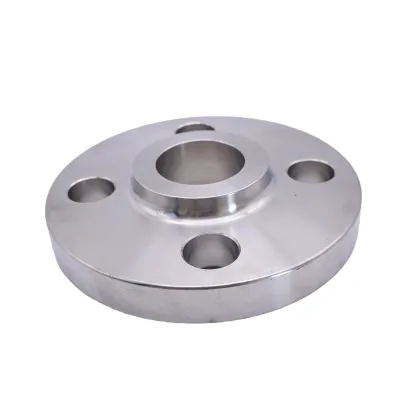
Weld Neck Flange Welding Neck Flanges in Titanium and Titanium Alloy Material
$10.00 - $10000.00
MOQ: 1 Pieces




Comprehensive Sourcing Guide
Precision Titanium Weld Neck Flange Sourcing Guide
Procuring precision titanium weld neck flanges requires a rigorous approach to material verification, as the supply chain often lists mixed alloys including standard titanium and titanium alloys. Buyers must distinguish between products explicitly marked as "Titanium" and those labeled "Titanium Alloy" to ensure the component meets specific corrosion resistance and strength requirements for high-performance applications. The observed market data indicates that customization is widely available, allowing for tailored dimensions and surface finishes that align with complex piping systems.
The manufacturing process for these components is predominantly forging, which significantly influences the grain structure and mechanical integrity of the final product. Sourcing teams should verify that the supplier utilizes forging techniques rather than casting or machining from bar stock, as forging provides superior fatigue resistance essential for high-pressure environments. Additionally, the connection type is frequently listed as flanged or welding, necessitating a clear definition of the interface requirements before initiating any procurement contract to avoid compatibility issues during installation.
Product Scope and Observed Listing Signals
The observed product listings reveal a broad spectrum of specifications, with model numbers such as ELWNTF1 and ETLNF1 indicating distinct design variations available in the market. Buyers should note that the size range extends from DN15 to 3000mm, covering a vast array of industrial needs from instrumentation accessories to heavy-duty processing machinery. The presence of multiple standard references, including GOST, GB, DIN, ANSI, BSW, and JIS, suggests that suppliers cater to diverse international markets, yet the specific standard applicable to a project must be explicitly confirmed in the purchase order.
Packaging and delivery conditions vary significantly across listings, with options ranging from polywood packages and pallets to wooden boxes, all aimed at protecting the delicate surface finish of the titanium components. Lead times are observed to be as short as 15 days for certain configurations, though this is highly dependent on the level of customization and the specific alloy selected. Procurement professionals must carefully review the "Supplied Condition" field, as some items are delivered as finished machining while others may require additional surface treatments like anodizing or polishing to meet project specifications.
Technical Specifications to Verify
Technical verification must begin with the sealing surface type, as the market data highlights both Raised Face (RF) and Flat Face (FM) options which dictate the gasket selection and bolt torque requirements. The welding type is another critical parameter, with listings specifying either butt-welded or plain welded configurations that must match the piping design code. Buyers should explicitly request the forging tolerance, which is observed to be around +/-0.5mm, to ensure that the flange dimensions will align perfectly with the mating pipe ends without requiring excessive field modification.
Surface treatment and finishing processes are equally vital, with options ranging from "Without Treatment" to polished or anodized finishes depending on the corrosive environment of the application. The head type is typically round, but the thread flange availability and specific connection methods like welding or flanged connections must be cross-referenced against the system design. It is essential to confirm the "Processing Object" is strictly metal and that the heat treatment, such as annealing, has been applied correctly to relieve internal stresses and enhance the material's ductility for the intended service life.
Compliance and Safety Documentation
Compliance documentation for titanium flanges often includes ISO 9001 and RoHS certifications, which serve as indicators of a supplier's quality management system and adherence to environmental standards. However, buyers must verify that these certifications are current and specific to the manufacturing facility producing the titanium components, rather than generic corporate claims. The presence of CE marking in some listings suggests compliance with European safety directives, but this should be validated against the specific product batch to ensure the safety requirements for pressure equipment are met.
Safety and traceability are further supported by the availability of material test reports that confirm the chemical composition and mechanical properties of the titanium or titanium alloy used. While some listings mention "ISOCondition:New," this is a general status that does not replace the need for detailed mill certificates. Procurement teams should demand documentation that explicitly links the heat number of the raw material to the finished flange, ensuring that the forging process and subsequent heat treatments were performed according to the agreed-upon technical specifications.
Cost Drivers and Commercial Terms
The cost of precision titanium weld neck flanges is heavily influenced by the raw material price of titanium, which fluctuates based on global market conditions and the specific alloy grade selected. Customization is a primary cost driver, as the ability to produce non-standard models or specific surface finishes adds significant value but also increases the unit price. The observed price range of 0.5 to 20,000 USD reflects the vast difference between small instrumentation flanges and large-scale industrial components, requiring buyers to budget based on the exact size and complexity of their order.
Commercial terms such as Minimum Order Quantity (MOQ) and delivery time are critical factors in the total cost of ownership, with observed MOQs ranging from 1 to 1000 units. Buyers should negotiate lead times carefully, as the 15-day delivery window observed for some items may not apply to custom orders requiring extended forging or heat treatment cycles. Packaging costs, whether for polywood, pallets, or wooden boxes, should also be factored into the final quote, as improper packaging can lead to damage during transit, resulting in additional replacement costs and project delays.
Supplier Qualification and Quality Control
Supplier qualification should focus on their manufacturing capabilities, specifically their experience with forging titanium and their ability to maintain tight tolerances. The observed data indicates that many suppliers offer customized solutions, but the buyer must verify the supplier's capacity to handle the specific forging tolerance of +/-0.5mm consistently across large batches. It is advisable to request a site audit or a detailed quality plan that outlines the inspection points for the welding, sealing surfaces, and final dimensional checks before shipment.
Quality control processes must include rigorous testing of the surface finish and structural integrity, particularly for applications involving metal casting, coating, or drawing machinery. The "Supplied Condition" of finished machining implies that the supplier has completed all necessary processing, but the buyer should still verify the final inspection reports. Ensuring that the supplier adheres to the stated standards, whether GB, DIN, or ANSI, is essential, as deviations in these standards can lead to catastrophic failures in high-pressure piping systems.
Long-Term Procurement Checks
Long-term procurement strategies should prioritize suppliers who demonstrate consistency in material quality and adherence to the specified standards over time. Since the market offers a wide variety of standards and materials, maintaining a relationship with a supplier who can reliably deliver titanium or titanium alloy flanges that meet the exact project requirements is crucial for operational continuity. Buyers should establish a periodic review process to audit the supplier's performance against the agreed-upon specifications, including the sealing surface type and welding configuration.
Continuous monitoring of the supply chain is necessary to ensure that the "Customized" nature of the products does not lead to variability in quality or delivery times. As the application scope expands to include metal processing machinery parts and metal cutting machines, the procurement team must verify that the supplier can scale production without compromising the forging tolerance or surface treatment quality. Establishing clear communication channels for technical queries and quality disputes will help mitigate risks and ensure that the long-term supply of precision titanium weld neck flanges remains stable and reliable.
FAQs
What materials are used for these flanges?
The flanges are manufactured from titanium, aluminum, and stainless steel. Titanium alloy is also available for specialized applications. These materials ensure high strength and corrosion resistance for demanding industrial environments and metal processing machinery parts.
Can the flanges be customized to specific drawings?
Yes, customization is available for these flanges. They can be produced according to specific customer drawings or customized standards. This flexibility allows for precise integration into unique metal casting, forging, or processing machinery setups.
What certifications do the flanges hold?
The flanges hold ISO 9001 certification and comply with RoHS and CE standards. They are manufactured in China and meet various international standards including GOST, GB, DIN, ANSI, BSW, and JIS for quality assurance.
What is the typical delivery time for orders?
The typical delivery time is 15 days. This lead time applies to standard orders and ensures timely supply for metal processing machinery parts. Packaging is provided in polywood packages, pallets, or wooden boxes depending on the order size.
What sealing surfaces are available for these flanges?
Available sealing surfaces include RF and FM types. The flanges feature a flanged structure and can be welded or threaded. They are suitable for instrument accessories and various metal processing applications requiring secure connections.
What is the size range for these flanges?
The size range spans from DN15 to 3000mm. Specific models include ELWNTF1 and ETLNF1. This wide range supports diverse industrial needs, from small instrument accessories to large-scale metal processing machinery connections.