Find Profibus Single Motor Module for Automation, Robotics, and Control
Source 30 verified Profibus Single Motor Module units from global suppliers. Buyers can compare specifications, pricing, and lead times for industrial automation applications.
Key considerations
Products List


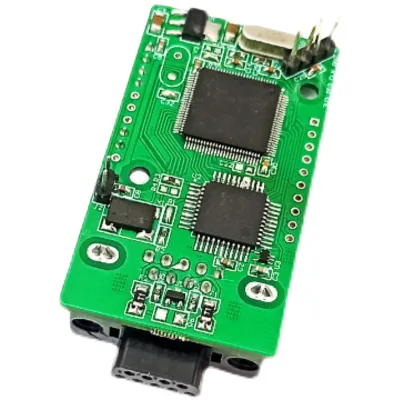
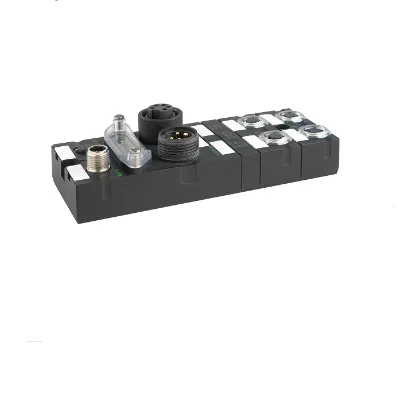
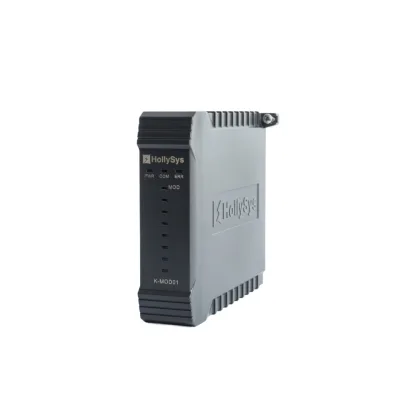

GE PLC Module IC200BEM003 IC200BEM103 IC200BEM002 Profibus Master Module
$1.00 - $10000.00
MOQ: 1 Pieces


GE PLC Module IC676PBO082 Output Block Module - 24 VDC Positive Logic - 8 Pt 2A - Profibus
$1.00 - $10000.00
MOQ: 1 Pieces


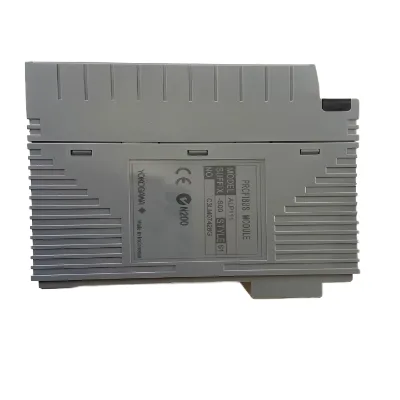
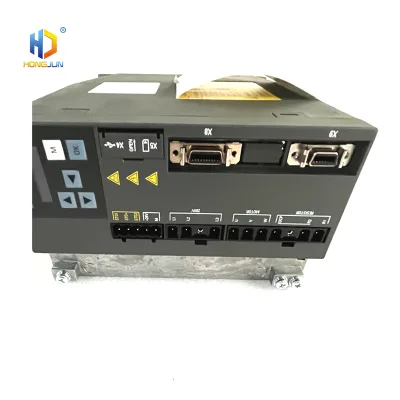
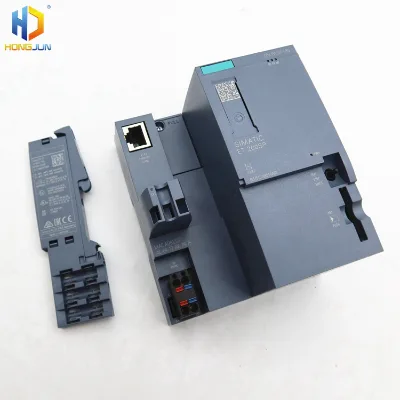


Expansion Module for Automation Control with Universal Bus Compatibility
$45.00 - $249.00
MOQ: 1 Pieces


Precision Io Module for Compact Control Systems with Modular Bus Support
$45.00 - $249.00
MOQ: 1 Pieces


Siemns Single Motor Modules 6SL3320-1te32-1AA3 High Quality a Good Price
$5375.00 - $5380.00
MOQ: 1 Pieces


1. Precision Straight Module with Integrated Motor for Tc-Klm60 Model
$100.00 - $10000.00
MOQ: 1 Pieces


Comprehensive Sourcing Guide
Strategic Sourcing Guide for Profibus Single Motor Modules
Understanding the Technical Landscape of Profibus Motor Control
When researching the core keyword "Profibus Single Motor Module," buyers must first distinguish between the communication protocol and the physical hardware components that execute motor control tasks. The term often refers to specific interface modules or I/O devices that facilitate communication between a central controller and individual motor drives within an industrial automation ecosystem. Based on observed market data, these modules frequently appear under various model identifiers such as RPBA-01, UFP11A-00 DP-V1, and IC200BEM003. It is critical to understand that a "single motor module" in this context may not always be a standalone drive but rather a bridge or a specific I/O point that manages signal transmission for a single axis or motor unit.
The technical specifications for these devices vary significantly depending on their origin and intended application. For instance, some units are designed with an input voltage of 380 V, indicating they are built for heavy-duty industrial environments where high-voltage power distribution is standard. Conversely, other modules, such as those with the specification "szmrs-" or "mrs-", may serve different functions within the same network topology. The physical dimensions are equally variable; observed packing standards range from compact units measuring 30cm by 20cm by 10cm to larger configurations like 45cm by 20cm by 10cm. Weight is another critical factor for logistics and mounting; observed weights span from lightweight components at 0.12kg to heavier industrial units reaching 8kg. Buyers must verify the specific power loss characteristics, as some modules operate with approximately 1 W of power loss, which is essential for thermal management in enclosed control cabinets.
Compliance and Certification Verification Protocols
In the realm of industrial automation, compliance is not merely a formality but a prerequisite for operational safety and legal liability. When sourcing Profibus modules, buyers should prioritize verification of international certifications. The market data indicates that certain products carry ISO and CE certifications, which are standard markers for quality and safety compliance in European and global markets. The CE mark, in particular, suggests conformity with health, safety, and environmental protection standards for products sold within the European Economic Area. However, the presence of these certifications should be validated against the specific batch or serial number of the unit being purchased, as certification status can vary between production runs.
Furthermore, the Harmonized System (H/S) code provides a standardized method for classifying traded products. For electrical control units like these, the code 8537101190 is a relevant reference point, indicating the classification of boards, panels, consoles, and similar apparatus for electric control or distribution. This classification is vital for customs clearance and import duty calculations. Buyers must also scrutinize the "Connecting Capacity" specifications, which for some units are listed as 1X 0.2-2.5 mm². This specification dictates the wire gauge compatibility and ensures that the module can safely handle the current load without overheating or causing connection failures. Ignoring these electrical standards can lead to system instability or safety hazards in an industrial setting.
Cost Drivers and Pricing Dynamics in the Market
The pricing structure for Profibus single motor modules is influenced by a complex array of factors, including origin, condition, and supply chain logistics. The observed price range in the market is extensive, spanning from $1 to $10,000 USD. This wide variance suggests that the category encompasses everything from simple interface adapters to complex, high-performance control units with integrated processing capabilities. A unit priced at the lower end of the spectrum might be a basic I/O module, whereas a unit approaching the upper limit likely includes advanced features, proprietary software integration, or is sourced from a premium manufacturer.
Several specific cost drivers impact the final price. The condition of the product is a primary determinant; "New" units command a premium over refurbished or used items. Additionally, the origin of the product plays a significant role. Modules originating from China, such as those with origins in Guangdong, often compete on price due to manufacturing economies of scale. In contrast, units with an origin listed as the USA, like the IC200BEM003, may carry a higher price tag due to domestic manufacturing costs or brand positioning. The packaging also influences cost; some units come in standard "Carton Box" packaging, while others are supplied in "Original + Amikon" packaging, which may imply a higher level of protection or authenticity assurance. Buyers should also consider the Minimum Order Quantity (MOQ), which ranges from 1 to 20 units. A lower MOQ of 1 allows for smaller, more flexible purchases but may result in a higher per-unit cost compared to bulk orders.
Typical Applications in Industrial Automation
The primary application for Profibus single motor modules is within the broader scope of Industrial Automation. These devices are integral to systems requiring precise control over motor operations, such as conveyor systems, robotic arms, and automated assembly lines. The "Marketing Type" designation of "Pressure Regulator" for some units in this category suggests that these modules may also be involved in fluid or pneumatic control systems where motor-driven pumps or valves are regulated based on pressure feedback. This dual functionality highlights the versatility of the hardware in managing complex industrial processes.
Specific applications are often dictated by the module's mounting type and connectivity. For example, the "Umc100.3/Single Mounting" type indicates a design optimized for DIN-rail or panel mounting in control cabinets, suitable for environments where space is at a premium. The "Support Network" capability of Ethernet suggests that these modules are part of a hybrid network architecture, allowing for seamless integration between legacy Profibus networks and modern Ethernet-based systems. This interoperability is crucial for facilities undergoing digital transformation, where data integrity and real-time communication are paramount. The "Information content" being labeled as "Data" reinforces the role of these modules in transmitting critical operational metrics, enabling predictive maintenance and process optimization.
Supplier Evaluation and Origin Considerations
Evaluating suppliers for Profibus modules requires a rigorous assessment of their logistical capabilities and product authenticity. The "Place of Origin" is a key indicator of supply chain reliability. For instance, suppliers based in Guangdong, China, are known for high-volume production, but buyers must verify the consistency of quality control measures. Similarly, suppliers offering products with a USA origin may provide different levels of support and warranty coverage. The "Stock" status is another critical evaluation metric; units listed as "In Stock" offer immediate availability, reducing lead times and production downtime.
When assessing a supplier, buyers should examine their payment terms and shipping methods. Standard payment terms like T/T (Telegraphic Transfer) are common, but the flexibility of these terms can vary. Shipping options such as DHL, UPS, FedEx, and TNT indicate a supplier's ability to handle international logistics efficiently. However, the "Lead Time" should be carefully verified; while some items are listed as "In Stock," others may have variable lead times depending on the specific model number. Buyers should also look for evidence of a "Support Network," as technical support is essential for troubleshooting integration issues. The "Selling Units" being listed as "Single item" suggests that suppliers are willing to accommodate small orders, which is beneficial for prototyping or replacement needs.
Quality Control and Long-Term Procurement Strategy
Ensuring long-term reliability requires a robust quality control strategy that extends beyond the initial purchase. The "Warranty" period is a significant indicator of a supplier's confidence in their product. Observed warranty periods range from 6 months to 12 months, with some units offering up to 12 months of coverage. A longer warranty period often correlates with higher quality components and better after-sales support. Buyers should also inspect the "Customization" availability; the ability to customize modules can be a sign of a supplier's flexibility and technical depth, allowing for tailored solutions that meet specific operational requirements.
For long-term procurement, buyers should consider the "Quality" rating of the products. While "Good" is a common descriptor, it is essential to define what this means in the context of the specific application. This involves verifying the durability of the "prod_packing" and the robustness of the "prod_standard" dimensions. Regular audits of the supplier's inventory and quality assurance processes are recommended to ensure consistency. Additionally, the "Part Number" accuracy is crucial; discrepancies in part numbers like "Ufp11A-00 Dp-V1" versus "1saj242000r0001" can lead to compatibility issues. Buyers should maintain a detailed inventory of part numbers and specifications to facilitate future reordering and system upgrades.
Comparative Analysis of Key Product Attributes
To assist in the decision-making process, the following table summarizes the key attributes observed across different Profibus single motor modules in the market. This comparison highlights the diversity in specifications, origins, and support features available to buyers.
| Attribute | Product A (RPBA-01) | Product B (UFP11A-00 DP-V1) | Product C (IC200BEM003) | Product D (1SAJ242000R0001) |
|---|---|---|---|---|
| Origin | China | China | USA | China (Guangdong) |
| Input Voltage | Not Specified | 380 V | Not Specified | Not Specified |
| Weight | Not Specified | 8 kg | 0.12 kg | 0.12 kg |
| Warranty | 6 Months | 1 Year | 12 Months | Not Specified |
| Packing | Carton Box | Box | Original + Amikon | Not Specified |
| Standard | 30cm20cm10cm | 302010 | 0.12kg | 452010 |
| Certification | ISO, CE | Not Specified | Not Specified | ISO, CE |
| Mounting | Not Specified | Not Specified | Umc100.3/Single | Not Specified |
| Stock Status | In Stock | In Stock | In Stock | In Stock |
This table illustrates that while all products fall under the general category of industrial automation modules, their specific attributes vary widely. Buyers must align these attributes with their specific operational needs, ensuring that voltage, weight, and mounting requirements are met before finalizing a procurement decision. The variation in warranty periods and origins also underscores the importance of supplier due diligence to ensure long-term reliability and support.
FAQs
What warranty periods are available for these modules?
Warranty periods range from 6 months to 12 months depending on the specific product model. Some units offer a 1-year warranty while others provide 12 months of coverage, ensuring varying levels of protection for industrial automation applications.
Which certifications do these products typically hold?
Many units carry ISO and CE certifications to ensure compliance with international safety standards. These marks indicate conformity with health and environmental protection requirements, though verification against specific batches is recommended for operational safety.
Can I find these modules with customization options available?
Yes, customization is available for many of the listed product models to meet specific operational needs. This flexibility allows buyers to tailor the modules for unique industrial automation setups without compromising on quality or performance standards.
What is the typical lead time for in-stock items?
Items listed as in stock generally have immediate availability with no additional lead time required. This ensures rapid deployment for critical industrial automation projects, though specific model numbers should be verified for current inventory status.
How does the origin affect the product specifications?
Products originate from locations like China and the USA, influencing dimensions and weight significantly. For example, some units weigh 8kg while others are as light as 0.12kg, requiring careful selection based on mounting and logistics constraints.
Which input voltage levels are supported by these modules?
Some modules support an input voltage of 380 V, suitable for heavy-duty industrial environments. This high-voltage capability ensures compatibility with standard power distribution systems used in large-scale automation facilities and manufacturing plants.
What packaging types are used for these industrial components?
Packaging varies from standard carton boxes to specialized original packaging with additional protection. Specific units may arrive in boxes labeled with original manufacturer details, ensuring safe transport and maintaining the integrity of sensitive electronic components.