Source Profibus DP Slave PLC Controller for Automation
Find 30 verified options for the Profibus DP Slave PLC Controller to compare specifications like communication interfaces and operating voltages. Buyers can evaluate models from China and Germany for industrial automation and process control applications; compare the available evidence and request quotations based on your requirements.
Key considerations
Products List

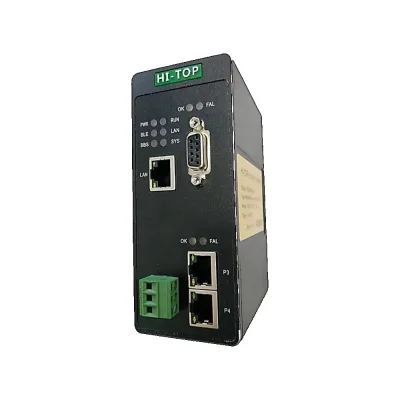
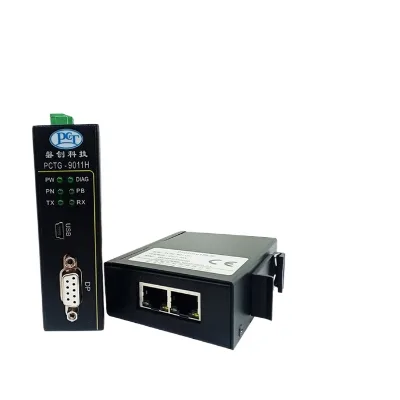


Siemens If964-Dp Profibus Dp Master Interface Submodule 6es79642AA040ab0
$860.00 - $1100.00
MOQ: 1 Pieces

Siemens S7-400 CPU 412-2 PLC Controller 6es7412-2xk07-0ab0 Dp Industrial
$2750.00 - $2800.00
MOQ: 1 Pieces
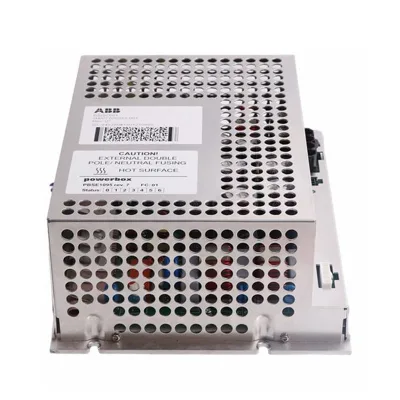

Siemens PLC Communication Modules - Profinet, Profibus Dp for Network Integration
$1000.00 - $1100.00
MOQ: 1 Pieces


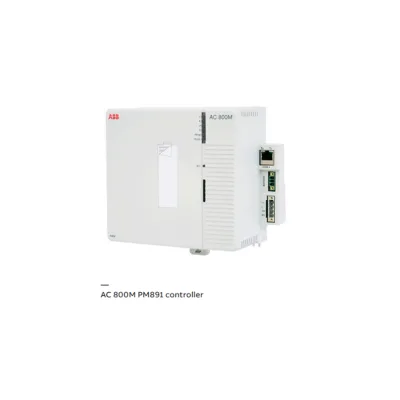


PLC Controller Server Driver Brand
$38.00 - $57.00
MOQ: 1 Pieces
Ji' Nan Tian Chuan Zhong Cheng Electricity Equipment Co., Ltd.
Comprehensive Sourcing Guide
Profibus DP Slave PLC Controller Sourcing Guide
Sourcing a Profibus DP Slave PLC Controller requires careful evaluation of communication protocols and integration capabilities. These devices serve as critical nodes in industrial automation networks, facilitating data exchange between field devices and higher-level control systems. Buyers must prioritize controllers that support standard Profibus DP protocols to ensure seamless connectivity with existing infrastructure. The observed market includes units originating from China and Germany, indicating a diverse supply chain with varying quality tiers. Understanding the specific role of the slave device within the network topology is essential for successful deployment.
Procurement decisions should also consider the physical and logical structure of the controller. Many listed products feature automatic control functions and continuous signal processing, which are vital for real-time industrial applications. Buyers need to verify whether the unit operates as a standalone module or part of a larger combination structure. The presence of customization options suggests that some suppliers can tailor interfaces or housing to meet specific plant requirements. However, standard configurations often provide faster lead times and lower costs, making them preferable for routine replacements or expansions.
Product Scope and Observed Listing Signals
The current market listings reveal a wide range of specifications for Profibus DP slave PLC controllers. Prices observed span from thirty to two thousand eight hundred US dollars, reflecting differences in brand, origin, and technical complexity. Most suppliers indicate a minimum order quantity of one piece, which facilitates small-scale testing or immediate replacement needs. This low MOQ flexibility is particularly useful for maintenance teams requiring urgent parts without committing to large inventory purchases. The single-item selling unit structure further supports this agile procurement approach, allowing buyers to order precisely what is needed.
Product origins vary significantly, with notable listings from Guangdong, China, and Germany. Chinese manufacturers often offer competitive pricing and customizable packaging, such as cartons tailored to customer requirements. In contrast, German-origin modules may carry premium branding and specific warranty conditions, such as brand-new warranty guarantees. Specifications like HT3S-DPS-MTP and Profinet slave-Profibus master variants indicate diverse functional roles within the automation ecosystem. Buyers must carefully match these model numbers to their specific network architecture to avoid compatibility issues during installation.
Technical Specifications to Verify
Verifying technical specifications is crucial for ensuring the controller meets operational demands. Key attributes to check include the input/output configuration, such as twenty-four digital inputs and sixteen digital outputs, which determine the device's capacity to interface with sensors and actuators. Operating voltage is another critical parameter, with many units specified at twenty-four volts DC, a standard in industrial environments. Buyers should also examine the communication interfaces, ensuring support for Profibus DP master protocols and RS485 types to guarantee reliable data transmission across the network.
Memory and processing capabilities further define the controller's performance. Some advanced modules feature speed technology with one megabyte of work memory, expandable for complex tasks. The mathematical model, often linear for these applications, influences how the controller processes data and executes control logic. Structural aspects, such as horizontal or open-loop configurations, must align with the physical installation space and control strategy. Additionally, verifying the condition of goods as brand new ensures that buyers receive functional units without hidden defects or prior wear.
Compliance and Safety Documentation
Compliance with international standards is non-negotiable for industrial automation components. Buyers must verify that the Profibus DP Slave PLC Controller holds relevant certifications, such as ISO, CE, RoHS, and CCC, depending on the target market. These certifications indicate adherence to safety, environmental, and electromagnetic compatibility regulations. Documentation should be readily available from the supplier to facilitate customs clearance and internal safety audits. Lack of proper certification can lead to regulatory penalties and operational shutdowns in strict industrial environments.
Safety features integrated into the controller also warrant attention. Functions like protection, monitoring, and measurement are essential for preventing equipment damage and ensuring personnel safety. Buyers should review the product standard codes, such as XC2-14T-E, to understand the specific regulatory framework the device complies with. Additionally, verifying the automatic grade and material composition, such as plastic or stainless steel, helps assess durability and suitability for harsh industrial conditions. Proper documentation ensures that the controller can be legally and safely deployed in the intended application.
Cost Drivers and Commercial Terms
Several factors influence the total cost of ownership for Profibus DP slave PLC controllers. The country of origin plays a significant role, with German modules often commanding higher prices due to perceived quality and reliability. Chinese manufacturers may offer lower unit costs but could involve different shipping and handling expenses. Buyers should also consider the packaging requirements, as custom carton boxing might incur additional fees. Transportation methods, including DHL, UPS, or FedEx, affect delivery speed and cost, so selecting the appropriate logistics partner is essential for budget management.
Commercial terms such as payment methods and warranty conditions significantly impact procurement strategy. Most suppliers accept standard payment methods, but terms vary regarding deposits and final payments. Warranty coverage, often specified as brand new warranty, provides assurance against manufacturing defects. Buyers should negotiate clear terms for returns or replacements in case of non-conforming goods. Understanding these commercial nuances helps in forecasting total expenses and avoiding unexpected costs during the procurement process. Transparent communication with suppliers regarding these terms is vital for a smooth transaction.
Supplier Qualification and Quality Control
Evaluating supplier qualification is essential for mitigating procurement risks. Buyers should assess the supplier's track record in providing industrial automation components, focusing on their ability to deliver genuine, high-quality products. Verification of certifications and compliance documentation is a primary step in this evaluation. Suppliers who provide detailed product specifications and clear communication interfaces demonstrate professionalism and reliability. Additionally, checking for any history of disputes or negative feedback can provide insights into the supplier's customer service and product consistency.
Quality control measures implemented by the supplier also deserve scrutiny. Buyers should inquire about testing procedures for the Profibus DP slave PLC controllers before shipment. Ensuring that units are brand new and properly packaged in carton boxes helps prevent damage during transit. Suppliers who offer customization options should have robust processes to maintain quality across varied configurations. Establishing a clear quality agreement with the supplier, including acceptance criteria and inspection rights, ensures that the delivered products meet the required standards. This proactive approach minimizes the risk of receiving defective or non-compliant equipment.
Long-Term Procurement Checks
Long-term procurement success depends on establishing reliable supply chains and maintaining technical compatibility. Buyers should regularly review the performance of the installed Profibus DP slave PLC controllers in their operational environment. Monitoring for any communication errors or performance degradation helps identify potential issues early. Maintaining a relationship with qualified suppliers ensures access to spare parts and technical support when needed. Regular audits of supplier certifications and product updates keep the procurement strategy aligned with evolving industry standards and technological advancements.
Strategic inventory management is also crucial for long-term operational continuity. Keeping a stock of critical controllers, especially those with longer lead times, can prevent production downtime. Buyers should periodically reassess the need for customization versus standard models based on changing operational requirements. Engaging with suppliers for feedback on product improvements or new releases can enhance system efficiency. By focusing on these long-term checks, buyers can ensure that their automation infrastructure remains robust, compliant, and cost-effective over time.
FAQs
What certifications do these profibus dp slave plc controllers have?
These controllers typically carry ISO, CE, RoHS, and CCC certifications. The product facts confirm ISO and CE compliance alongside RoHS and CCC standards. Buyers should verify specific certification documents for each unit to ensure regulatory compliance in their target markets before placing orders.
Can I customize the specifications for this industrial automation equipment?
Customization is available for many units, though some models are non-customized. The product attributes list both customized and non-customized options depending on the specific model. Buyers must check individual product details to confirm if their required specifications can be tailored to their unique industrial automation needs.
Which communication interfaces are supported by these PLC controllers?
Supported interfaces include Profibus DP Master, MPI, Ethernet PG/OP, and RS485 types. The product specifications explicitly list these communication protocols for data exchange. This ensures compatibility with various industrial networks and allows seamless integration into existing process control systems requiring robust connectivity options.
How is the packaging handled for single item shipments?
Packaging is either according to customer requirements or standard cartons. The product facts indicate options for custom packing or standard carton boxes. This flexibility ensures safe transport for single items while allowing buyers to specify protective measures needed for their specific logistics and shipping requirements.
What is the origin country for these automatic control devices?
Products originate from China, specifically Guangdong, or Germany. The location facts show origins in both regions depending on the specific model. Buyers should verify the country of origin for each item to understand manufacturing standards and potential shipping logistics associated with the specific unit they intend to purchase.
What is the minimum order quantity for these controllers?
The minimum order quantity is one piece for most items. The observed MOQ range confirms a value of 1, allowing single item purchases. This low threshold enables buyers to test products or fulfill small-scale project needs without committing to large bulk orders immediately.