Source Public Restroom Toilet Sign for Offices, Hotels, and Schools
Compare 30 verified listings for Public Restroom Toilet Sign options featuring stainless steel and acrylic materials. Buyers can evaluate customization, waterproof ratings, and MOQs from suppliers in Guangdong and Anhui to find suitable signage for commercial or residential use.
Key considerations
Products List


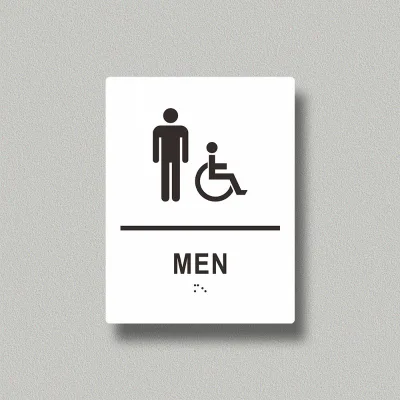
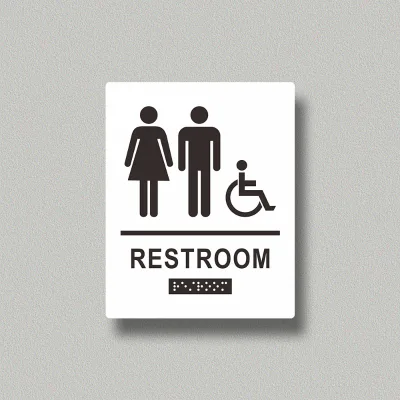
All Gender Restroom Sign Bathroom Sign with Braille Stainless Steel Signs
$2.99 - $3.99
MOQ: 50 Pieces


Custom Bathroom Metal Public Toilet Sign Plate Satinless Steel Accessories
$0.80 - $3.00
MOQ: 300 Pieces

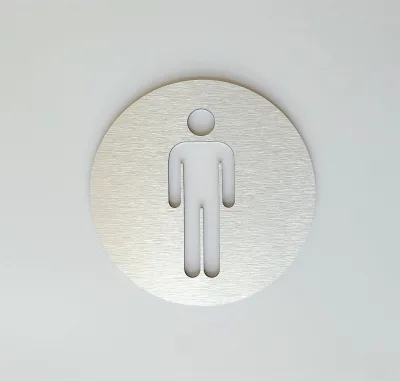
304 Round Toilet Sign Plate Toilet Indication Satinless Steel Accessories
$1.00 - $1.50
MOQ: 1000 Pieces
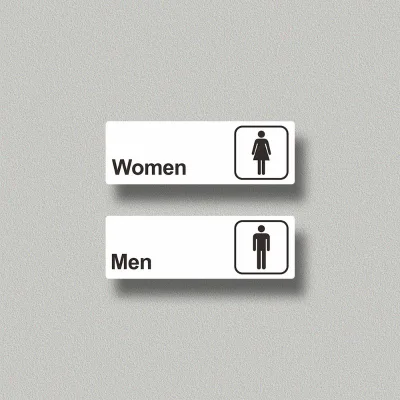
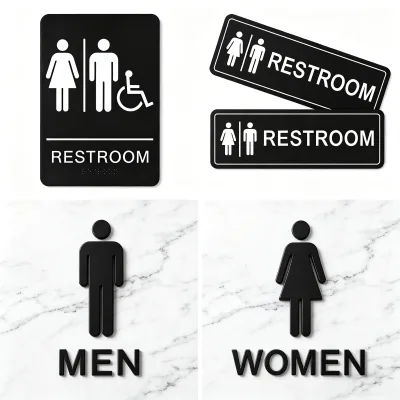
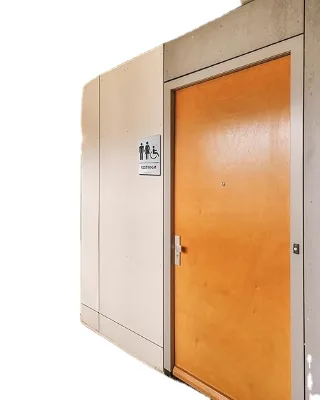
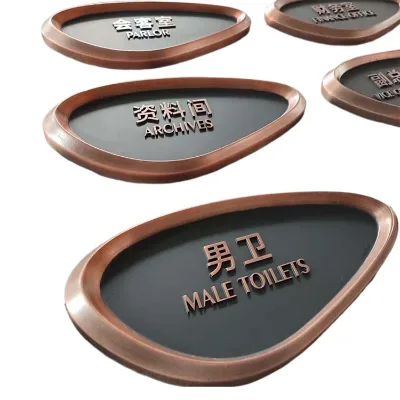
Custom Brass Restroom Door Plates Toilet Washroom Door Signs WC Toilet Sign
$32.00 - $63.00
MOQ: 1 pieces
Comprehensive Sourcing Guide
Strategic Sourcing Guide for Public Restroom Toilet Signage
Procuring signage for public restrooms requires a nuanced approach that balances durability, regulatory compliance, and aesthetic integration. Unlike general interior signage, restroom signs must withstand high-moisture environments, frequent cleaning with harsh chemicals, and heavy foot traffic. The market offers a diverse array of materials and manufacturing techniques, ranging from industrial-grade stainless steel to custom acrylic solutions. Buyers must navigate a complex landscape of specifications, including material types, surface treatments, and certification requirements, to ensure the selected signage meets both functional and safety standards. This guide outlines the critical factors for sourcing public restroom toilet signs, drawing on observed industry data and technical specifications to inform procurement decisions.
Material Selection and Durability Specifications
The foundation of any durable restroom sign lies in the material composition. Stainless steel is a predominant choice for public facilities due to its resistance to corrosion and structural integrity. Observed product data indicates that suppliers frequently utilize grades such as SS201 and SS304. The distinction between these grades is critical; SS304 offers superior corrosion resistance, making it the preferred option for high-humidity environments like restrooms, whereas SS201 may be suitable for lower-moisture areas or budget-constrained projects. The material thickness is another vital specification, with observed standards including dimensions like 9090T1.5mm and 22560T1.2mm. Thicker gauges generally provide better rigidity and resistance to vandalism or accidental impact.
Surface treatment plays an equally significant role in longevity. Brushed finishes are commonly observed in the market, providing a matte appearance that helps conceal fingerprints and minor scratches. This aesthetic choice also contributes to the sign's ability to blend into modern architectural designs. For buyers seeking alternative materials, acrylic is another viable option, particularly for custom designs requiring specific colors or luminous effects. Acrylic signs often feature a "Machine and Handmade" craft approach, allowing for intricate details. However, when selecting acrylic for restroom applications, buyers must verify its resistance to moisture and cleaning agents, as standard acrylic can degrade faster than metal in wet conditions. The choice between metal and acrylic often depends on the specific design style, such as modern minimalist aesthetics versus traditional engraved looks.
Technical Standards and Dimensional Variability
Standardization is essential for ensuring consistency across multiple facilities, yet customization remains a key feature of the signage market. Observed product models reveal a wide range of standard sizes, such as 9090T1.5mm, 44126, and 1001001mm. These dimensions suggest that while some manufacturers adhere to specific standard sizes, many offer fully customized dimensions to fit unique architectural constraints. Buyers should verify that the chosen standard aligns with local building codes, which often dictate minimum sign sizes for accessibility compliance. For instance, signs intended for public use must often meet specific height and contrast requirements to be visible to individuals with visual impairments.
The production models listed, such as HT-27 series and YSP series, indicate that manufacturers often categorize their products by specific design templates. However, the "Standard Size" attribute observed in some listings suggests that buyers can also request non-standard dimensions. When evaluating technical specifications, it is crucial to distinguish between the physical dimensions of the sign plate and the overall assembly size. Some products are listed with specific model numbers like YSP-021SS, which may imply a specific configuration of lettering or mounting hardware. Buyers must ensure that the selected model number corresponds to the required lettering type, whether it is an "Unluminous Letter" or a "Luminous Letter." Luminous options, which may feature changeable emitting colors, are increasingly popular for wayfinding in low-light environments, but they introduce additional electrical components that require careful evaluation.
Compliance, Certification, and Safety Requirements
Safety and regulatory compliance are non-negotiable aspects of sourcing public signage, particularly when the signs involve electrical components or are installed in commercial buildings. The market data highlights a robust set of certifications that buyers should look for, including SAA, VDE, FCC, CCC, LVD, EMC, RoHS, and CE. These certifications indicate that the product meets international standards for electrical safety, electromagnetic compatibility, and environmental restrictions on hazardous substances. For example, RoHS compliance ensures that the materials used do not contain restricted hazardous substances, which is critical for eco-friendly procurement goals.
When sourcing luminous signs, the presence of certifications like CE and LVD is particularly important, as these signs operate on electrical power and must adhere to strict safety protocols. The "Changeable" emitting color feature observed in some products suggests advanced lighting technology, which necessitates rigorous testing for thermal management and electrical stability. Buyers should verify that the supplier provides valid, up-to-date certification documents for the specific batch of products being purchased. It is also important to note that while some products are certified, others may not be, depending on the target market and the complexity of the design. For non-electrical signs, such as those made from stainless steel or acrylic, the focus shifts to material safety and fire resistance, which may be covered under different standards like LVD or local fire codes.
Cost Drivers and Pricing Dynamics
Understanding the cost structure of restroom signage is vital for budget management. The observed price range in the market spans from $0.1 to $300, reflecting the vast difference between simple, mass-produced signs and complex, custom-engineered solutions. Several factors drive these costs, including material type, customization level, and order volume. Stainless steel signs, particularly those made from SS304, generally command a higher price than acrylic or SS201 options due to the raw material cost and processing requirements. Customization is a significant cost driver; products listed with "Customized" attributes for size, color, and design style will inevitably cost more than standard off-the-shelf items.
Order volume plays a crucial role in determining the final unit price. The Minimum Order Quantity (MOQ) varies widely, with observed ranges from 50 pieces to 2000 pieces. Suppliers offering lower MOQs, such as 50 or 100 pieces, may charge a premium per unit to cover setup and production costs. Conversely, larger orders can leverage economies of scale to reduce the per-unit cost. The "Ex-Work Price" is often dependent on the specific design, size, and quantity requested, meaning that buyers should expect a tailored quote rather than a fixed list price. Additionally, packaging requirements, such as wooden boxes or individual plastic bags, can add to the overall cost, especially for fragile items like acrylic signs or those with delicate finishes.
Supplier Evaluation and Production Capabilities
Selecting the right supplier involves more than just comparing prices; it requires a thorough evaluation of their production capabilities and reliability. Geographic origin is a key indicator of supply chain efficiency. The data shows that many suppliers are located in Guangdong, China, a region known for its robust manufacturing infrastructure and expertise in metalworking and signage production. Other suppliers may be based in Jiangmen or Anhui, each offering different logistical advantages depending on the buyer's location. Buyers should verify the "Place of Origin" to ensure it aligns with their shipping and lead time expectations.
Production capabilities are further indicated by the "Craft" and "Surface Treatment" attributes. Suppliers offering a combination of "Machine and Handmade" processes suggest a higher level of attention to detail, which is beneficial for custom designs. The availability of "OEM" (Original Equipment Manufacturer) services is another critical factor, allowing buyers to brand the signage with their own logos or specific design requirements. The "Sample" acceptance attribute is particularly useful for quality verification; buyers should request samples before committing to large orders to assess the actual quality of the material, finish, and lettering. Furthermore, the "Delivery Time" of usually 25 to 35 days should be factored into the project timeline, and buyers should confirm if expedited shipping is available for urgent needs.
Quality Control and Long-Term Procurement Strategy
Ensuring long-term value requires a proactive approach to quality control. The "Feature" attribute, such as "Eco-Friendly" and "Handmade," indicates a commitment to sustainable practices and artisanal quality, which can translate to better durability and aesthetic longevity. For restroom signs, the "Waterproof" attribute is essential to prevent degradation in humid environments. Buyers should verify that the waterproofing is not just a marketing claim but is backed by specific testing or design features, such as sealed edges or water-resistant coatings. The "Usage" attribute, specifying "Outdoor" or "Home, Apartment, Villa," helps buyers match the product to the intended environment, ensuring that the sign is suitable for the specific level of wear and tear it will encounter.
Packaging is another critical aspect of quality control. The observed packaging methods, ranging from "One Piece in One Plastic Bag" to "Wooden Box or Carton," highlight the need for robust protection during transit. For high-value or fragile items, wooden boxes provide superior protection against impact and moisture. Buyers should specify packaging requirements in their purchase orders to ensure that the products arrive in perfect condition. Finally, the "Customization" availability allows for future-proofing the signage; as building layouts change or accessibility standards evolve, the ability to order custom signs ensures that the facility can adapt without replacing the entire signage system. By focusing on these long-term considerations, buyers can secure a reliable supply of high-quality restroom signage that meets both current and future needs.
FAQs
What materials are used for durable restroom signs?
Stainless steel grades SS201 and SS304 are the primary materials used for durable restroom signs. SS304 offers superior corrosion resistance for high-moisture environments, while SS201 is suitable for budget projects. Acrylic is also available for custom designs requiring specific colors or luminous effects.
Can I customize the size and color of the sign?
Yes, customization is available for size, color, and design style to fit unique architectural constraints. Buyers can request specific dimensions like 90*90*T1.5mm or fully custom sizes. The final price depends on the specific design, size, and quantity requested by the buyer.
Which certifications should I look for in luminous signs?
Luminous signs should carry certifications such as SAA, VDE, FCC, CCC, LVD, EMC, RoHS, and CE. These indicate compliance with international electrical safety and environmental standards. RoHS ensures restricted hazardous substances are not used, which is critical for eco-friendly procurement goals.
How does the minimum order quantity affect pricing?
The minimum order quantity varies from 50 to 2000 pieces, directly influencing the unit price. Suppliers with lower MOQs often charge a premium to cover setup costs, while larger orders leverage economies of scale. Buyers should expect tailored quotes based on the specific quantity ordered.
What is the typical delivery time for these signs?
The typical delivery time is usually 25 to 35 days from the order date. This timeline should be factored into the project schedule, and buyers should confirm if expedited shipping is available for urgent needs. Lead times may vary based on customization complexity and order volume.
Are the signs suitable for outdoor or wet environments?
Yes, many signs are designed for outdoor use and feature waterproof capabilities to withstand high-moisture environments. Stainless steel options provide structural integrity against corrosion, while acrylic signs require verification of moisture resistance. Buyers should ensure the selected product matches the specific usage environment.
What surface treatments are available for stainless steel signs?
Brushed finishes are commonly available, providing a matte appearance that conceals fingerprints and minor scratches. This treatment helps the sign blend into modern architectural designs while maintaining durability. The surface treatment contributes significantly to the sign's longevity and aesthetic integration.
Can I request samples before placing a large order?
Yes, suppliers generally accept sample requests to allow buyers to verify material quality and finish. This step is crucial for assessing the actual quality of the lettering and surface treatment before committing to large orders. Buyers should use samples to ensure the product meets their specific requirements.