Source PU Waterproof Patch for Medical, Industrial, and Construction Uses
Find 30 PU Waterproof Patch options from verified Chinese suppliers. Compare transparent adhesive bandages, synthetic fiber fabrics, and polyurethane mounting foams. Evaluate features like anti-static properties, customization availability, and OEM/ODM services for diverse application needs; compare the available evidence and request quotations based on your requirements.
Key considerations
Products List


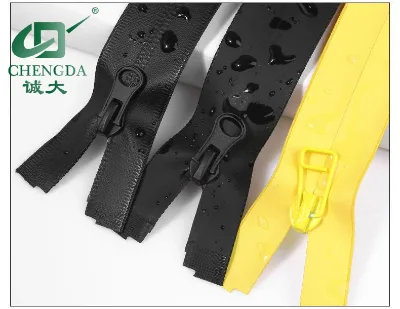


Factory Direct Sales Inexpensive Waterproof Reusable Durable Rubber Patches
$0.20 - $0.45
MOQ: 500 Pieces

Customized Eco-Friendly Soft Rubber Labels PVC Waterproof Rubber Patches
$0.03 - $0.10
MOQ: 500 Pieces

Factory Direct High-Quality Rubber and Silicon Patches with Custom Design
$0.04 - $0.10
MOQ: 500 Pieces


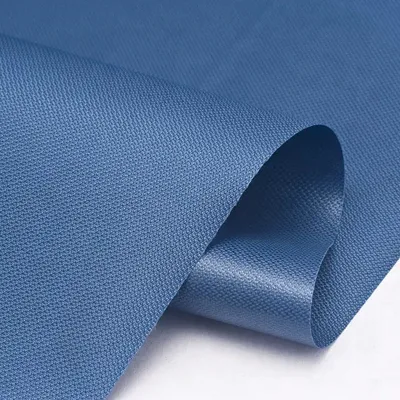


Comprehensive Sourcing Guide
PU Waterproof Patch Sourcing Guide
Buyers evaluating PU waterproof patches must first distinguish between medical-grade fixation devices and industrial bonding materials, as the supplied data reveals a mix of applications ranging from hospital IV cannula fixing to woodworking and automotive assembly. The observed product attributes include specific features like anti-static properties and waterproof characteristics, alongside diverse material compositions such as polyurethane elastomer and synthetic fiber fabrics. This divergence requires a precise definition of the intended use case before engaging with suppliers, as a patch designed for surgical drape packaging will not meet the structural demands of a mounting foam application.
Procurement teams should verify whether the specific listing aligns with the core requirement for a waterproof patch by cross-referencing the stated bonding function and material composition against the project specifications. The available data indicates options with instant adhesive capabilities and room-curing classifications, which are critical for industrial assembly lines, while other entries focus on disposable medical usage with transparent or brown color options. Clarifying the functional layer requirements and the specific shape, such as the absence of a U-port, ensures that the selected product matches the physical constraints of the end-use environment without relying on unverified performance claims.
Product Scope and Observed Listing Signals
The market signals for PU waterproof patches indicate a wide spectrum of product models, including Type D and NA-6 variants, which serve distinct purposes from basic transparent adhesive bandages to specialized mounting foams. Buyers must scrutinize the listed specifications, such as the 6*7cm size or the 75DX75D fiber dimensions, to ensure the physical dimensions and fabric density match the intended application. The presence of customization options and logo printing capabilities suggests that many suppliers offer tailored solutions, but the buyer must confirm if these customizations apply to the specific waterproof and adhesive properties required for the project.
Commercial listings also reveal significant variation in packaging formats, ranging from roll packing and bagged units to carton configurations with specific piece counts like 12 or 20 pieces per bag. These packaging details often correlate with the shelf life and storage requirements, with some products noting a 12-month shelf life and others specifying sterile packaging for surgical contexts. Procurement professionals should analyze these logistical signals to determine if the supplier can support the required volume and storage conditions, as the difference between a roll-packed industrial material and a sterile medical box dictates the downstream handling and inventory management strategy.
Technical Specifications to Verify
Technical verification begins with confirming the material composition, specifically whether the product utilizes polyurethane elastomer or synthetic fiber fabrics, as this dictates the flexibility and durability of the waterproof patch. Buyers must request detailed data on the hardness rating, noting that observed listings include soft classifications, and verify the tack-free time, which ranges from 9 to 10 minutes in some industrial formulations. Ensuring the correct promoter composition and main agent characteristics is essential for achieving the desired waterproof seal, particularly when the application involves exposure to moisture or chemical environments.
Dimensional accuracy and structural features are equally critical, requiring confirmation of the exact size, such as the 6*7cm standard, and the presence or absence of specific design elements like a U-port. The transparency level, whether opaque or transparent, and the layered functional structure must align with the visual and mechanical requirements of the assembly process. Additionally, verifying the bonding function, such as instant adhesive capabilities, ensures that the patch will perform effectively under the specific stress conditions of the application, whether it is fixing an injection needle or securing components in the automotive sector.
Compliance and Safety Documentation
Compliance verification is paramount when sourcing PU waterproof patches, as the supplied data lists multiple certifications including FDA, ISO9001, ISO13485, CE, and TUV, which indicate varying levels of regulatory adherence for medical and industrial use. Buyers must explicitly confirm which certifications apply to the specific product model being purchased, as a patch intended for hospital use requires FDA and ISO13485 clearance, whereas industrial bonding materials may only need ISO or CE marks. Relying on general certification claims without verifying the scope of approval can lead to significant compliance risks, especially in regulated industries like healthcare or automotive manufacturing.
Safety documentation should also include detailed material safety data sheets that outline the EINECS classification and the specific composition of the main agent and promoter. The presence of filler components and the mixture classification require careful review to ensure the product meets environmental and safety standards for the intended region of use. Procurement teams must demand evidence of these safety profiles to confirm that the waterproof patch does not introduce hazardous substances into the production line or the final product, thereby protecting both the manufacturer and the end consumer from potential liability.
Cost Drivers and Commercial Terms
Cost structures for PU waterproof patches are heavily influenced by the complexity of the material composition and the level of customization required, such as logo printing or specific color selections like transparent or brown. The observed price range of 0.03 to 24.07 USD reflects the disparity between basic disposable medical items and specialized industrial bonding solutions, necessitating a clear understanding of the value proposition for each tier. Buyers should analyze whether the higher price points correlate with enhanced features like anti-static properties or specific fiber densities, ensuring that the cost aligns with the technical performance needed for the application.
Commercial terms, including minimum order quantities and packaging configurations, vary significantly across suppliers, with MOQs ranging from 1 to 50,000 units and packaging options from single bags to bulk cartons. The availability of free samples allows for preliminary testing, but the final commercial agreement must account for the lead times and shipping logistics associated with the specific origin, such as Hubei, Wujiang, or Tianjin. Understanding these terms is crucial for budgeting and supply chain planning, as the volume discounts and packaging efficiency can substantially impact the total landed cost of the waterproof patches.
Supplier Qualification and Quality Control
Supplier qualification requires a rigorous assessment of the manufacturing origin and the specific quality control measures in place, given the diverse locations listed such as Hubei, China, and Wujiang. Buyers should verify the supplier's capability to maintain consistent product standards, particularly regarding the classification of the product as a room-curing material or a synthetic fiber fabric. The presence of OEM and ODM services indicates flexibility, but the buyer must ensure that the supplier has the infrastructure to maintain quality consistency across different production runs and custom specifications.
Quality control protocols must be validated through on-site audits or third-party inspections to confirm that the product meets the stated specifications for hardness, transparency, and bonding function. The observed data includes specific standard references like 6*7cm and 20 pcs/bag, which serve as benchmarks for quality assurance. Procurement teams should establish clear acceptance criteria based on these standards and require regular quality reports to ensure that the waterproof patches delivered consistently meet the technical and safety requirements defined in the initial product scope.
Long-Term Procurement Checks
Long-term procurement success depends on establishing a robust relationship with suppliers who can provide consistent supply and adapt to evolving technical requirements over time. Buyers should monitor the shelf life and storage stability of the PU waterproof patches, ensuring that the 12-month shelf life observed in some listings remains valid throughout the supply chain. Regular re-evaluation of the supplier's certification status and compliance documentation is necessary to maintain regulatory adherence, especially as standards in medical and industrial sectors continue to evolve.
Continuous performance monitoring is essential to validate that the waterproof patches continue to meet the application needs, such as fixing IV cannulas or bonding in woodworking and automotive sectors. Buyers should track key performance indicators like bonding strength, tack-free time, and material durability to identify any deviations from the expected quality. By maintaining a proactive approach to supplier management and quality assurance, organizations can mitigate risks and ensure a reliable supply of high-performance PU waterproof patches for their ongoing operations.
FAQs
Can I get free samples of pu waterproof patches?
Yes, free samples are available for potential buyers to evaluate product quality before placing a bulk order. This allows you to verify the material characteristics and adhesive performance. You can request these samples to ensure the patch meets your specific application requirements for hospital or industrial use.
What certifications do these pu waterproof patches have?
These patches typically hold FDA, CE, ISO9001, and ISO13485 certifications. These credentials ensure compliance with international quality and safety standards. The certifications verify that the manufacturing process meets rigorous requirements for medical and industrial applications, providing assurance of product reliability and safety for end users.
What is the standard size for these adhesive patches?
The standard size for these patches is 6*7cm. This dimension is suitable for various applications, including fixing IV cannulas or injection needles. The specific size ensures adequate coverage and secure adhesion while maintaining a compact profile for comfortable use in medical or general industrial settings.
Are these patches customizable for specific branding needs?
Yes, customization is available, including logo printing on the patches. You can select OEM or ODM services to tailor the product to your brand identity. This flexibility allows businesses to add their logos or specific design elements, enhancing brand visibility while maintaining the functional waterproof and adhesive properties of the patch.
What is the shelf life of these polyurethane patches?
The shelf life of these patches is 12 months. This duration ensures the adhesive and material integrity remain stable during storage. Proper storage conditions are recommended to maintain performance. Buyers should check expiration dates upon receipt to ensure the product meets quality standards for immediate use in medical or industrial applications.
What packaging options are available for bulk orders?
Packaging options include roll packing, cartons, and sterile surgical drape packaging. You can select specific configurations such as 72 boxes per carton or 20 pieces per bag. These flexible packaging solutions cater to different logistical needs, ensuring safe transport and easy storage for both medical facilities and industrial users.