Source Pure Abrasive Waterjet Valve for Cutting Stone, Glass, and Metal
Find and compare 30 listings for the Pure Abrasive Waterjet Valve, a critical component for high-pressure cutting heads. These parts, often made from ceramic or diamond, support applications in stone, glass, and metal processing. Review specifications like 60,000 psi pressure ratings and ISO certifications to select the right supplier for your waterjet machine needs.
Key considerations
Products List


Waterjet Mixing Tube; Waterjet Nozzles
$150.00 - $180.00
MOQ: 1 Pieces
Shanghai Yuanhong Ultra High Pressure WaterJet Technology Co., Ltd.


Abrasive Waterjet Machine; Water Jet Cutting Pump
$36000.00 - $44000.00
MOQ: 1 Sets
Shanghai Yuanhong Ultra High Pressure WaterJet Technology Co., Ltd.


Flow Abrasive Waterjet Nozzle Water Jet Cutting Nozzles 7.14X0.76X76.2mm
$34.37 - $36.45
MOQ: 1 Pieces

Carbide Abrasive Nozzle with Flat End Jet Edge Fits Waterjet Cutting Consumable
$35.00 - $50.00
MOQ: 1 Pieces


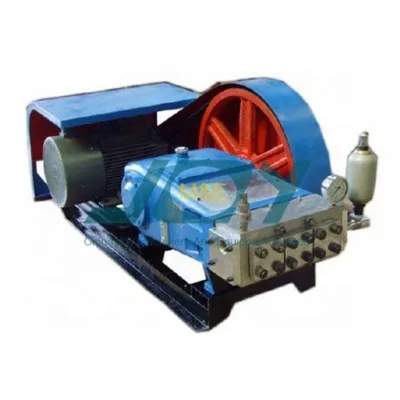
$2000.00 - $20000.00
MOQ: 1 Minimum


Comprehensive Sourcing Guide
Pure Abrasive Waterjet Valve Sourcing Guide
Procuring a Pure Abrasive Waterjet Valve requires distinguishing between the high-pressure fluid control components and the cutting head assemblies often listed under broader terms like "waterjet nozzle" or "cutting head." The observed market data indicates that many listings describe the nozzle body or the entire cutting head rather than the internal valve mechanism itself. Buyers must scrutinize product titles and descriptions to ensure they are sourcing the specific valve component that regulates the abrasive mix, rather than the consumable nozzle tip or the machine frame.
Verification of the component's specific function is critical because the listed "Waterjet Nozzle" and "Water Jet Machine Parts" often refer to the exit orifice or the housing rather than the valve that controls flow. The observed specifications mention pressures up to 60,000 psi, which applies to the system's operating limits, but the valve itself must be rated to handle these conditions without failure. Sourcing guides must clarify that the valve is the critical control element, distinct from the cutting head application where the abrasive is introduced, ensuring the buyer requests the correct internal mechanism for their maintenance needs.
Product Scope and Observed Listing Signals
The current market listings reveal a mix of product types, ranging from specific nozzle bodies with codes like 014194-40-30 to complete cutting head assemblies and machine parts. Buyers should expect to encounter items described as "Waterjet Nozzle Body" or "Water Jet Machine Parts" rather than explicit "valve" listings, necessitating a careful review of the application field to confirm the item is a flow control valve. The observed data shows that many products are categorized under "Cutting Tool" or "Waterjet Cutting Machine," which can obscure the specific nature of the valve component within the broader product scope.
Listing signals such as "Without Logo Printing" and "Customized" suggest that many suppliers offer generic or OEM-compatible parts rather than branded, proprietary valves. The presence of "One PC" as a minimum order quantity indicates that individual component sourcing is feasible, but buyers must verify if the listed item is the valve or a related accessory like a nozzle tip. The variation in packing, from "Paper Cartons" to "Wooden Box," further highlights the need to confirm the exact item description, as the packaging often reflects the fragility and size of the component, which varies significantly between a small valve and a larger cutting head assembly.
Technical Specifications to Verify
When evaluating technical specifications, the maximum operating pressure is a primary verification point, with observed listings citing limits of 60,000 psi and 55,000 psi. Buyers must confirm that the valve's pressure rating matches or exceeds their system's maximum operating pressure to prevent catastrophic failure during high-pressure cycles. The observed standard dimensions of 7.14mm1.02mm76.2mm likely refer to nozzle orifice sizes rather than valve body dimensions, so the valve's internal port size and flow capacity must be explicitly verified against the machine's hydraulic or electric power source requirements.
Material composition is another critical specification, as the observed data frequently lists "Ceramic" as the material for nozzles and cutting heads. While ceramic is common for wear-resistant orifices, the valve body and internal seals often require different materials like hardened steel or specialized alloys to withstand the abrasive slurry and high pressure. Buyers should request detailed material certificates for the valve's internal components, ensuring that the material is suitable for the specific abrasive media being used, such as garnet or aluminum oxide, rather than assuming the ceramic specifications apply to the entire valve assembly.
Compliance and Safety Documentation
Compliance documentation for high-pressure waterjet components must include valid certifications such as CE and ISO 9001, which are frequently observed in the product listings. Buyers should verify that the specific valve component carries these certifications, as they indicate adherence to quality management systems and safety standards for machinery. The observed "Ce ISO" and "ISO 9001:CE" tags suggest that manufacturers are aware of these requirements, but the documentation must explicitly cover the valve's pressure rating and material safety to ensure it meets the operational safety protocols of the facility.
Safety documentation should also address the specific operating conditions, including the maximum pressure limits and the type of power source, whether hydraulic or electric. The observed listings mention "Automatic" and "Semi-Automatic" control types, which implies the valve may be part of an automated system requiring specific safety interlocks. Buyers must ensure that the supplier provides a safety data sheet or compliance statement that details the valve's behavior under extreme pressure and its compatibility with the machine's control system to prevent accidental activation or pressure surges.
Cost Drivers and Commercial Terms
Cost drivers for pure abrasive waterjet valves are heavily influenced by the material quality, pressure rating, and the level of customization required. The observed price range of 1 to 44,000 USD reflects the vast difference between a single nozzle tip and a complete cutting head assembly, making it essential to isolate the cost of the valve component itself. Buyers should anticipate that high-pressure valves rated for 60,000 psi will command a premium due to the engineering precision and material strength required to maintain integrity under such extreme conditions.
Commercial terms such as the minimum order quantity (MOQ) and packaging requirements also impact the total cost of acquisition. The observed "One PC" MOQ suggests flexibility for individual replacements, but buyers must confirm if bulk pricing is available for larger orders to reduce per-unit costs. Packaging variations, ranging from "Soft Packing Inside" to "Wooden Box," indicate that shipping costs and protection requirements will vary, and buyers should factor these logistics into their total cost of ownership when negotiating with suppliers in Shanghai, China.
Supplier Qualification and Quality Control
Supplier qualification should prioritize manufacturers with a proven track record in producing high-pressure waterjet components, as indicated by the "Manufacturer" company type observed in the listings. Buyers should verify the supplier's location, specifically noting the "Shanghai, China" origin, and assess their capacity to provide consistent quality control for precision-engineered parts. The presence of "Customized" options suggests that suppliers can adapt to specific machine requirements, but buyers must ensure that customization does not compromise the standard quality and safety certifications required for high-pressure applications.
Quality control processes must be transparent, with suppliers providing evidence of testing for pressure integrity and material durability. The observed "New" condition and "Automatic" control features imply that the components are manufactured to modern standards, but buyers should request test reports or quality assurance certificates specific to the valve. Ensuring that the supplier adheres to ISO 9001 standards and provides traceability for materials like ceramic or steel is essential to maintain the reliability of the waterjet system and minimize downtime caused by component failure.
Long-Term Procurement Checks
Long-term procurement checks should focus on the consistency of supply and the availability of replacement parts for the waterjet valve system. Buyers must establish a relationship with suppliers who can guarantee the continued availability of specific models, such as those with codes like YH009966-1, to ensure that maintenance and repairs can be performed without significant delays. The observed "One PC" MOQ is beneficial for immediate needs, but long-term contracts should be negotiated to secure pricing and delivery schedules for larger volumes of critical components.
Performance monitoring is another critical aspect of long-term procurement, requiring regular checks on the valve's operational life and wear patterns. Buyers should track the number of cycles or hours of operation before replacement is necessary, using this data to optimize inventory levels and reduce unexpected downtime. By maintaining a detailed record of valve performance and supplier responsiveness, organizations can make informed decisions about switching suppliers or upgrading to higher-specification components that better suit their specific cutting applications and pressure requirements.
FAQs
What is the maximum operating pressure for these waterjet valves?
The maximum operating pressure is 60,000 psi, with some models rated at 55 K Psi. This high-pressure capability ensures efficient cutting performance for hard materials like stone, glass, and ceramics. The valve body is designed to withstand these intense hydraulic forces during continuous industrial waterjet cutting operations.
Can these valves be customized for specific waterjet cutting heads?
Yes, customization is available to meet specific application requirements. The product line includes various models such as ISO standard and specific part codes like 014194-40-30. Buyers can select from different packing options, including paper cartons or wooden boxes, to ensure safe delivery and proper integration with their existing waterjet machinery.
Which certifications do the waterjet valve manufacturers hold?
Manufacturers typically hold ISO 9001 and CE certifications, ensuring quality management and safety standards. These credentials verify that the production processes for ceramic and metal components meet international requirements. Buyers can rely on these documented standards when sourcing replacement parts or new cutting heads for their industrial waterjet systems.
What is the minimum order quantity for waterjet spare parts?
The minimum order quantity is one piece for waterjet parts, allowing for flexible procurement. This low MOQ supports maintenance needs and small-scale testing without requiring bulk purchases. Buyers can order single units of nozzles, valves, or cutting heads directly from manufacturers in Shanghai, China, facilitating easy replenishment of critical spare components.
What materials are used in the construction of these valves?
Ceramic is a primary material used for components like nozzles and valve seats due to its wear resistance. These parts are designed for cutting applications involving ceramics, stones, glass, and metals. The durable construction ensures longevity under high-pressure water and abrasive streams, maintaining precision in cutting heads and tubes during demanding industrial operations.