Source Pvc Ca Zn Heat Stabilizer for Wire, Cable, and Pipe
Find 30 verified Pvc Ca Zn Heat Stabilizer options from Chinese factories. Compare specifications like fineness, packing, and delivery times for wire, cable, and pipe applications. Source reliable chemical auxiliary agents tailored for general and engineering plastics.
Key considerations
Products List


PVC Stabilizers Calcium Zinc Stabilizer Manufacturers PVC Heat Stabilizer
$940.00 - $960.00
MOQ: 1 Tons



Lead Free PVC Stabilizer Liquid Ca Zn PVC Stabilizer PVC Heat Stabilizer for Toys
$2200.00 - $2500.00
MOQ: 1 Tons


Factory Sales Liquid Calcium Zinc Ca Zn PVC Heat Stabilizer for PVC Cling Film
$2200.00 - $2500.00
MOQ: 1 Tons


High Quality PVC Heat Stabilizer Ca/Zn Stabilizer
$1000.00 - $1100.00
MOQ: 3 Tons
Hebei Xiongfa New Materials Technology Development Co., Ltd.

PVC Heat Stabilizer Ca/Zn Compound Stabilizer
$1000.00 - $1100.00
MOQ: 3 Tons
Hebei Xiongfa New Materials Technology Development Co., Ltd.

PVC Ca/Zn Compound Stabilizer Heat Stabilizer Xf-W-04A
$1000.00 - $1100.00
MOQ: 3 Tons
Hebei Xiongfa New Materials Technology Development Co., Ltd.

Xf-W-01A PVC Ca/Zn Compound Stabilizer Heat Stabilizer
$1000.00 - $1100.00
MOQ: 3 Tons
Hebei Xiongfa New Materials Technology Development Co., Ltd.

PVC Ca/Zn Compound Stabilizer Heat Stabilizer Xf-W-04h
$1000.00 - $1100.00
MOQ: 3 Tons
Hebei Xiongfa New Materials Technology Development Co., Ltd.

PVC Ca/Zn Compound Stabilizer Heat Stabilizer Xf-W-01K
$1000.00 - $1100.00
MOQ: 3 Tons
Hebei Xiongfa New Materials Technology Development Co., Ltd.


Calcium Zinc Compound Heat Stabilizer Ca Zn Stabilizer for PVC Profile
$1300.00 - $1800.00
MOQ: 1 Tons


High Performance PVC Stabilizer Liquid Ca/Zn Heat Stabilizer for PVC Film
$2600.00 - $2700.00
MOQ: 1 Tons

PVC Heat Stabilizer Calcium Zinc Stabilizer Ca-Zn for Fitting/Pipe/Profile
$1200.00 - $1600.00
MOQ: 1000 kg
Comprehensive Sourcing Guide
Pvc Ca Zn Heat Stabilizer Sourcing Guide
Procuring PVC Calcium Zinc (Ca Zn) heat stabilizers requires a disciplined approach to balancing regulatory compliance, processing performance, and cost efficiency. As a non-toxic alternative to traditional lead-based or tin-based stabilizers, Ca Zn systems are increasingly mandated in applications where human health and environmental safety are paramount. Buyers must navigate a complex landscape of chemical formulations, ranging from liquid to powder variants, each offering distinct advantages in terms of dispersion, volatility, and final product clarity. The sourcing strategy must therefore begin with a clear definition of the end-use application, as the stabilizer’s performance is inextricably linked to the specific PVC resin grade and processing method employed.
This guide provides a structured framework for evaluating suppliers and products based on observed market signals and technical realities. It focuses on verifying critical attributes such as fineness, volatile content, and thermal stability, which directly impact the quality of the final PVC compound. By adhering to the verification steps outlined herein, procurement teams can mitigate the risk of supply chain disruptions, ensure regulatory conformity, and secure materials that meet stringent performance standards without compromising on budget or delivery timelines.
Product Scope and Observed Listing Signals
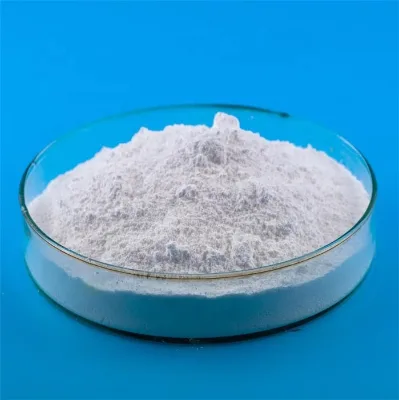
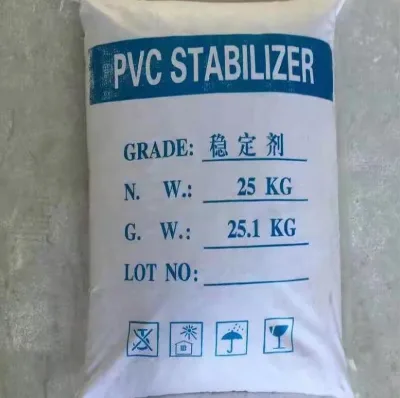
The market for PVC Ca Zn heat stabilizers presents a diverse array of product forms, primarily categorized into powders and particles, with some liquid variants available for specialized applications. Observed listings frequently highlight white powder forms, often described with high fineness metrics such as 90% passing through specific mesh sizes, which is critical for ensuring uniform dispersion within the PVC matrix. These powders are typically packaged in 25kg bags, lined with inner PE film and outer kraft paper or woven bags to protect against moisture and contamination during transit. The presence of customization options suggests that suppliers can tailor the formulation to specific customer requirements, allowing for adjustments in lubricity, transparency, or initial color stability.
Application signals indicate a strong alignment with the wire and cable industry, where the material is used for both general and engineering plastics. Listings also point to broader utility in specialty plastics, including profiles, pipes, hoses, and even medical tubes, reflecting the versatility of the stabilizer system. The observed product models, such as C-50, KG505, and ALC-01, suggest a tiered product portfolio where different grades may offer varying levels of thermal stability or processing aids. Buyers should note that while the core function remains heat stabilization, the specific formulation differences between these models can significantly affect processing parameters and final product properties, necessitating careful selection based on the intended manufacturing process.
Technical Specifications to Verify
Verifying the physical and chemical properties of the stabilizer is the first line of defense against quality issues. Key attributes to confirm include the appearance, which should be a consistent white powder or particle, and the fineness, which impacts dispersion and surface finish. The volatile content is another critical parameter, with observed values around 6.0% indicating the amount of material that may evaporate during processing; lower volatility generally correlates with better long-term stability and reduced equipment fouling. Buyers must also verify the molecular principal chain, typically a carbon chain polymer, to ensure compatibility with the PVC resin and other additives in the compound. These physical characteristics directly influence the ease of mixing and the homogeneity of the final product.
Thermal performance and stability are paramount for Ca Zn stabilizers, as their primary function is to prevent degradation during the high-temperature processing of PVC. Buyers should request data on the stabilizer’s ability to increase stability and resist oxidative degradation, which can lead to discoloration and brittleness in the final product. The classification as a chemical auxiliary agent and its role as a plastic additive require verification of its interaction with other components in the formulation. Additionally, the plastic forming method, such as casting plastic, and the resulting thermoplastic properties after heating should be assessed to ensure the stabilizer performs as expected under specific processing conditions. Confirming these technical details helps prevent processing failures and ensures the final product meets durability standards.
Compliance and Safety Documentation
Regulatory compliance is a non-negotiable aspect of sourcing PVC Ca Zn heat stabilizers, particularly for applications in consumer goods, medical devices, and electrical wiring. Buyers must verify that the supplier holds relevant certifications such as RoHS, REACH, and ISO, which demonstrate adherence to international standards for hazardous substances and quality management. The HS code 3812399000 is commonly associated with these products, but buyers should confirm the specific classification for their region to ensure accurate customs clearance and duty assessment. Documentation should clearly state the absence of heavy metals and other restricted substances, providing assurance that the product meets environmental and safety regulations in the target market.
In addition to certifications, buyers should request detailed safety data sheets (SDS) and technical data sheets (TDS) that outline the handling, storage, and disposal requirements for the stabilizer. These documents provide critical information on potential hazards, first-aid measures, and environmental impact, which are essential for maintaining a safe working environment and complying with local regulations. The supplier’s ability to provide up-to-date and accurate documentation is a strong indicator of their commitment to quality and regulatory compliance. Buyers should also verify if the supplier conducts regular testing to ensure batch-to-batch consistency, as variations in composition can lead to compliance failures in the final product.
Cost Drivers and Commercial Terms
Understanding the cost structure of PVC Ca Zn heat stabilizers is essential for effective budgeting and negotiation. The observed price range of 1-3500 USD reflects significant variation based on product grade, packaging, and order volume. Buyers should analyze the cost drivers, such as the purity of raw materials, the complexity of the formulation, and the level of customization required. Higher fineness and lower volatile content may command a premium, as they require more sophisticated processing and quality control. Additionally, the MOQ, which ranges from 1 to 5000 units, can significantly impact the unit price, with larger orders typically benefiting from economies of scale.
Commercial terms, including delivery time and mode of transportation, also play a crucial role in the total cost of ownership. Observed delivery times of 7-10 days or 7 days suggest a relatively quick turnaround, but buyers should confirm these timelines with the supplier to avoid production delays. The mode of transportation, typically sea freight for bulk orders, should be factored into the logistics cost and lead time planning. Buyers should also inquire about payment terms, warranty policies, and return procedures to mitigate financial risk. Clear communication of these commercial terms ensures that both parties have a shared understanding of the transaction, reducing the potential for disputes and ensuring a smooth procurement process.
Supplier Qualification and Quality Control
Evaluating the supplier’s capability and quality control systems is vital for ensuring a reliable supply of PVC Ca Zn heat stabilizers. Buyers should verify if the supplier is a factory or a distributor, as this affects the level of control over the production process and the ability to provide technical support. Factories typically offer greater flexibility in customization and more direct access to production data, while distributors may provide a wider range of products from multiple manufacturers. The supplier’s location, such as Shandong, Jiangsu, or Guangdong in China, can also influence logistics costs and lead times, so buyers should consider these factors when selecting a partner.
Quality control measures, including in-process testing and final product inspection, should be thoroughly reviewed. Buyers should request information on the supplier’s testing protocols, including how they verify fineness, volatile content, and thermal stability. The availability of samples for testing is a positive indicator, allowing buyers to evaluate the product’s performance in their own processing equipment before committing to a large order. Additionally, buyers should assess the supplier’s ability to provide traceability for each batch, ensuring that any quality issues can be quickly identified and resolved. A robust quality control system is a key differentiator among suppliers and a critical factor in maintaining consistent product quality.
Long-Term Procurement Checks
Establishing a long-term procurement strategy for PVC Ca Zn heat stabilizers requires ongoing monitoring and evaluation of supplier performance. Buyers should implement regular audits of the supplier’s quality control systems and compliance documentation to ensure continued adherence to standards. Periodic testing of received batches against the agreed specifications is essential to detect any drift in product quality over time. Buyers should also maintain open communication with the supplier to stay informed about any changes in formulation, raw material sources, or regulatory requirements that may impact the product.
Furthermore, buyers should diversify their supplier base to mitigate the risk of supply chain disruptions. Developing relationships with multiple qualified suppliers can provide flexibility in sourcing and negotiating power. Regular review of market trends and technological advancements in stabilizer formulations can also help buyers stay ahead of industry developments and identify opportunities for cost savings or performance improvements. By maintaining a proactive approach to supplier management and quality assurance, buyers can ensure a stable and reliable supply of PVC Ca Zn heat stabilizers that meets their long-term business needs.
FAQs
What is the primary usage of this product?
This product serves as a plastic auxiliary agent specifically for PVC wire and cable applications. It functions as a heat stabilizer to increase stability during processing and is suitable for general, engineering, and specialty plastics.
Can I request customization for this stabilizer?
Yes, customization is available for this product to meet specific requirements. Buyers can request tailored hardness levels for soft or hard applications, ensuring the material fits diverse manufacturing needs for profiles and pipes.
What is the standard packaging format for this item?
The standard packaging format is 25 kilograms per bag. Options include woven bags lined with inner PE film and outer kraft paper, ensuring safe transport via sea freight from the factory origin.
How long is the delivery time for orders?
The typical delivery time ranges from 7 to 10 days after order confirmation. Some specific models may have a lead time of just 7 days, depending on current production capacity and stock availability.
Which certifications does this product hold?
This product holds RoHS, Reach, and ISO certifications to ensure compliance with safety and environmental standards. These credentials verify the material meets international requirements for use in wire, cable, and medical tube applications.
What is the minimum order quantity for this stabilizer?
The minimum order quantity is 2 tons for this specific product line. Buyers should note that general MOQs in the category can range from 1 to 5000 units depending on the specific supplier and model selected.
Where is this product manufactured?
This product originates from China, with specific manufacturing locations in Shandong, Jiangsu, and Guangdong provinces. The factory acts as the direct distributor, ensuring supply chain efficiency for international buyers seeking sea freight options.