Source PVC Door Options for Houses, Offices, and Exteriors
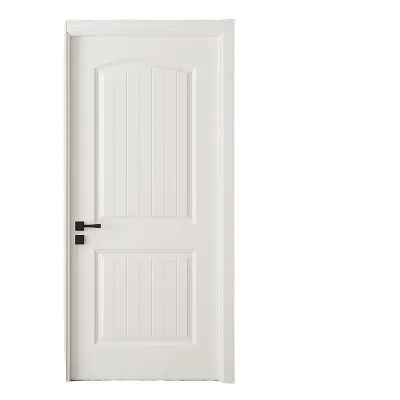
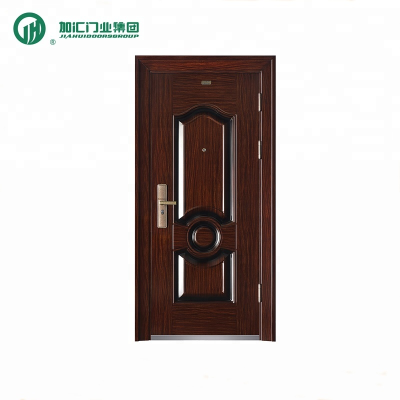
Compare 29 PVC Door listings featuring solid wood, MDF, and plastic materials with European styling. Buyers can evaluate swing and folding styles for interior and exterior applications in houses and offices.
Key considerations
Products List


$20.00 - $30.00
MOQ: 1 Square Meters



Comprehensive Sourcing Guide
PVC Door Sourcing Guide
Sourcing PVC doors requires a nuanced understanding of material composition, structural integrity, and application-specific performance. Unlike solid wood or aluminum alternatives, PVC doors offer a balance of cost-efficiency, thermal insulation, and low maintenance, making them a popular choice for both residential and commercial projects. Buyers must navigate a market where "PVC" can refer to the surface veneer, the core material, or the entire frame construction. The observed product landscape includes variations ranging from solid wood frames with PVC lamination to fully plastic constructions, each serving different aesthetic and functional needs. Understanding these distinctions is critical for aligning procurement with project specifications, budget constraints, and long-term durability requirements.
The procurement process for PVC doors involves verifying technical specifications such as wind resistance, soundproofing capabilities, and security levels. Listings often highlight features like fire resistance, water tightness, and anti-theft properties, which are essential for exterior applications. However, these claims must be validated against actual product samples and certified test reports. Buyers should also consider the customization options available, including color, size, and glazing types, as these factors significantly impact the final cost and lead time. A thorough evaluation of supplier capabilities, from design flexibility to quality control processes, ensures that the sourced doors meet the intended performance standards and aesthetic expectations.
Product Scope and Observed Listing Signals
The current market for PVC doors encompasses a diverse range of products, with observed price points ranging from $1 to $1,300 USD and minimum order quantities (MOQs) varying from 1 to 3,000 sets. This wide spectrum reflects differences in material quality, design complexity, and functional features. For instance, doors with basic finishes and standard sizes may fall at the lower end of the price range, while those with double tempered glass, advanced security features, or custom dimensions command higher prices. The observed MOQs suggest that suppliers cater to both small-scale renovations and large-scale construction projects, offering flexibility in order volumes. Buyers should align their order quantities with project timelines and storage capabilities, keeping in mind that larger orders may offer better unit pricing but require more upfront capital.
Product listings indicate a variety of styles, including European style and swing or folding open mechanisms, catering to different architectural preferences and space constraints. Some doors are designed for interior use, focusing on soundproofing and decoration, while others are built for exterior applications, emphasizing wind resistance, water tightness, and security. The observed products also highlight different glazing options, such as double tempered glass or acrylic plates, which affect both the aesthetic appeal and the thermal performance of the door. Additionally, the inclusion of features like space-saving designs and manual operation mechanisms provides buyers with options to optimize functionality based on specific site conditions and user needs.
Technical Specifications to Verify
When evaluating PVC doors, buyers must verify key technical specifications to ensure they meet the project's performance requirements. The main material composition is a critical factor, with options ranging from solid wood frames with PVC lamination to fully plastic constructions. The infilling material, such as semi-hollow strips, honeycomb, or lead-based materials, impacts the door's weight, insulation, and soundproofing capabilities. Buyers should request detailed material specifications to understand the core structure and ensure it aligns with their durability and acoustic needs. Additionally, the surface finishing and treatment processes, such as buckle treatments or PVC veneers, affect the door's appearance and resistance to wear and tear.
Wind resistance performance is another crucial specification, particularly for exterior doors. Observed listings indicate wind resistance ratings ranging from 2.5≤P3<3.0 to 4.0≤P3<4.5, which reflect the door's ability to withstand high winds. Buyers should verify these ratings against local building codes and environmental conditions to ensure adequate performance. Security levels, such as the observed "A" rating, and functions like fire resistance and anti-theft features, are also important for exterior applications. Buyers should request test reports or certifications to validate these claims and ensure the doors meet the required safety standards. Furthermore, the standard dimensions, such as a maximum size of 2300 x 1100 x 40 mm, should be confirmed to ensure compatibility with existing door frames or architectural plans.
Compliance and Safety Documentation
Compliance with local and international standards is essential for PVC doors, especially those used in commercial or high-traffic residential buildings. Buyers should verify that the doors meet relevant safety and performance standards, such as CE, Eprc, or AS2047 certifications, which indicate adherence to quality and safety regulations. These certifications provide assurance that the doors have undergone rigorous testing for structural integrity, fire resistance, and environmental impact. Buyers should request copies of these certifications and verify their validity with the issuing bodies to ensure they are up-to-date and applicable to the specific product models being sourced.
In addition to certifications, buyers should inquire about the testing procedures used to validate the doors' performance claims. This includes tests for wind resistance, soundproofing, water tightness, and fire resistance. Requesting detailed test reports from independent laboratories can provide valuable insights into the doors' actual performance under controlled conditions. Buyers should also verify the security levels and fire ratings claimed by the supplier, ensuring they meet the project's safety requirements. For doors intended for exterior use, verifying their resistance to weathering and UV degradation is crucial to ensure long-term durability and aesthetic appeal.
Cost Drivers and Commercial Terms
The cost of PVC doors is influenced by several factors, including material quality, design complexity, and customization options. Doors with solid wood frames and PVC lamination may be more expensive than those with fully plastic constructions due to the higher cost of raw materials and manufacturing processes. Customization options, such as specific colors, sizes, and glazing types, can also increase the price. Buyers should request detailed quotes that break down the costs associated with materials, labor, and customization to understand the price drivers. Additionally, the observed price range of $1 to $1,300 USD highlights the importance of comparing quotes from multiple suppliers to ensure competitive pricing.
Commercial terms, such as minimum order quantities (MOQs) and lead times, also impact the overall cost and procurement strategy. The observed MOQs range from 1 to 3,000 sets, with lead times of approximately 25 days for 500 sets. Buyers should consider their project timelines and storage capabilities when determining the order quantity, keeping in mind that larger orders may offer better unit pricing but require more upfront capital and storage space. Payment terms, shipping costs, and warranty policies should also be negotiated to ensure a fair and transparent transaction. Buyers should clarify whether the price includes the door leaf only or if additional components, such as frames and hardware, are included in the quote.
Supplier Qualification and Quality Control
Selecting a reliable supplier is crucial for ensuring the quality and consistency of PVC doors. Buyers should verify the supplier's qualifications, including their manufacturing capabilities, quality control processes, and experience in the industry. Suppliers located in regions like Fujian, China, may have established supply chains and expertise in producing PVC doors, but buyers should still conduct due diligence to assess their reliability. Requesting references from previous clients and visiting the manufacturing facility, if possible, can provide valuable insights into the supplier's operations and quality standards.
Quality control measures, such as inspections during production and pre-shipment checks, are essential to ensure that the doors meet the specified requirements. Buyers should inquire about the supplier's quality control protocols, including testing procedures for structural integrity, surface finish, and functional performance. Requesting samples before placing a large order allows buyers to evaluate the quality of the doors firsthand and identify any potential issues. Additionally, buyers should clarify the supplier's policy for handling defects or non-conforming products, ensuring that there is a clear process for addressing quality concerns.
Long-Term Procurement Checks
Long-term procurement success depends on establishing a strong relationship with the supplier and implementing ongoing quality assurance measures. Buyers should conduct regular audits of the supplier's production processes and quality control systems to ensure continued compliance with specifications. This includes verifying that the materials used, such as PVC veneers and inner frame materials, remain consistent with the agreed-upon standards. Buyers should also monitor the supplier's performance in terms of delivery times, product quality, and customer service, addressing any issues promptly to maintain a positive working relationship.
Continuous improvement and feedback loops are essential for optimizing the procurement process and ensuring that the sourced doors meet evolving project requirements. Buyers should provide feedback to the supplier regarding any issues encountered during installation or use, allowing for adjustments in future orders. Additionally, staying informed about industry trends and technological advancements in PVC Door manufacturing can help buyers identify opportunities for cost savings and performance improvements. By maintaining a proactive approach to supplier management and quality control, buyers can ensure the long-term success of their PVC Door procurement projects.
FAQs
What is the main material of the PVC Door?
The main material is solid wood combined with MDF and PVC lamination. This construction ensures durability while providing a smooth surface finish suitable for various interior and exterior applications in houses.
Can the door be customized for specific needs?
Yes, customization is available for this product line. Buyers can request specific dimensions, colors, and packing options to match their project requirements while maintaining the standard European style design.
What is the lead time for 500 sets?
The lead time is about 25 days for an order of 500 sets. This production schedule applies to standard models like DM01AC-139 and may vary slightly based on specific customization requests.
Which certifications does the door product hold?
The product holds CE, Eprc, and AS2047 certifications. These standards ensure the door meets safety and performance requirements for wind resistance and general usage in residential and office buildings.
What is the price range for these doors?
The observed price range is between 1 and 1300 USD per unit. This variation depends on the specific model, customization level, and order quantity, with prices reflecting the material and finishing quality.
How is the door packed for shipping?
Packing options include cartons or customized solutions with film, paper angle protectors, air bubbles, and wooden crates. This ensures the door remains protected during transit from the factory in Fujian, China.