Source PVC Coated Wire Mesh Panels for Garden, Airport, and Construction
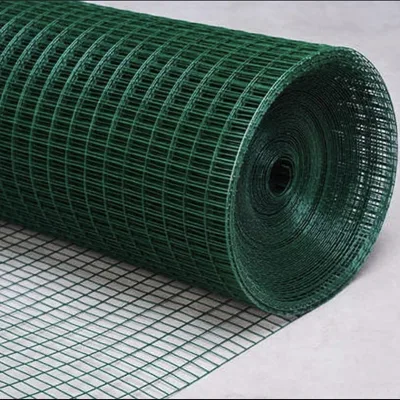
Find and compare 30 PVC Coated Wire Mesh Panels for garden, residential, and sports playground applications. Options include welded designs with plain weave techniques, available in various mesh sizes and wire diameters to suit different security and decorative needs.
Key considerations
Products List




Comprehensive Sourcing Guide
PVC Coated Wire Mesh Panels Sourcing Guide
Procuring PVC Coated Wire Mesh Panels requires a disciplined approach to aligning material specifications with the intended structural and aesthetic requirements of the project. These panels are widely utilized in applications ranging from protecting mesh and cages to construction wire mesh and decorative installations, as well as specific uses in gardens, residential areas, sports playgrounds, and airports. The core value proposition lies in the combination of a steel or iron wire base with a protective polymer layer, which offers enhanced durability against corrosion and weathering compared to uncoated alternatives. Buyers must recognize that while the base material provides tensile strength, the coating determines the longevity and visual finish, making precise specification critical before engaging with suppliers.
The sourcing landscape for these products is characterized by a diverse range of models and customization options, with observed product models including YQ-06, ZK-L-M-WP-1, and various M-WP series identifiers. Suppliers often offer free samples to facilitate quality verification, and customization is generally available to meet specific project dimensions or design needs. However, the market presents a wide variance in product attributes, from plain weave techniques to specific wire diameters ranging from 2mm to 6mm, and panel dimensions that can extend from 1.0 to 5.0 meters in length. Understanding this variability is essential for buyers to filter through the extensive catalog of listings and identify products that strictly adhere to their engineering and design constraints.
Product Scope and Observed Listing Signals
When evaluating product listings, buyers should look for clear indicators of the manufacturing process and material composition to ensure the product matches the "PVC coated" description. The supplied data confirms that the surface treatment involves PVC coating applied to plastic-coated iron wire or steel, often accompanied by galvanization as seen in product names like "868 Powder Coated and Galvanized Double Wire Mesh." This dual protection strategy is a key signal of quality, as the galvanization provides a sacrificial layer against rust while the PVC coating offers a barrier against moisture and UV exposure. Listings that omit these specific treatment details or fail to specify the base metal type should be treated with caution, as the longevity of the mesh depends heavily on this layered defense system.
Visual and structural attributes observed in the market include a variety of hole shapes, with square holes being a prominent feature, and colors ranging from standard silver to specific RAL codes such as Ral6005, Ral9010, and Ral9005. The mesh size is another critical signal, with common configurations including 1-inch openings or specific metric dimensions like 50100mm, 50150mm, and 50*200mm. Buyers must verify that the listed mesh size and wire diameter align with the intended application, as a 1-inch mesh suitable for decorative fencing may lack the structural integrity required for high-security cages. Additionally, the presence of specific accessories like plastic or metal clamps and various post types (square, peach, or round) indicates a complete system solution, whereas listings offering only the mesh panel may require additional sourcing for a functional installation.
Technical Specifications to Verify
The technical verification process must begin with the precise measurement of panel dimensions and wire gauge, as these factors directly influence the structural load-bearing capacity and fit of the installation. Observed specifications indicate panel lengths ranging from 1.0 to 5.0 meters and widths from 0.5 to 1.8 meters, with fence heights available in increments such as 1.03m, 1.23m, and up to 2.03m. Buyers should demand exact measurements for their specific order rather than relying on general ranges, as even minor deviations can lead to gaps in fencing or the need for costly on-site modifications. Furthermore, the wire diameter, observed in the range of 2mm to 6mm and specific configurations like 8/6/8mm or 6/5/6mm, must be confirmed to ensure the mesh can withstand the expected environmental and physical stresses.
Beyond dimensions, the verification of the weave technique and post specifications is essential for ensuring the stability of the final assembly. The data points to a plain weave technique as a standard characteristic, which provides a uniform grid structure, but buyers should confirm that the post thickness, observed between 1.0mm and 5.0mm, is sufficient to support the panel weight and resist wind loads. The type of post, whether square, peach, or round, and its specific dimensions like 40x60mm or 70x100mm, must be compatible with the panel's hole pattern and the intended mounting method. Additionally, features such as being rot-proof, waterproof, and easily assembled are claimed attributes that require validation through sample inspection, as these characteristics are critical for outdoor applications in gardens, airports, and residential zones where exposure to the elements is constant.
Compliance and Safety Documentation
Compliance verification for PVC Coated Wire Mesh Panels should focus on the presence of recognized quality management certifications and material safety data. The observed listings frequently reference ISO certification, which serves as a baseline indicator that the manufacturer adheres to international standards for quality control and production consistency. While specific safety certifications like CE are mentioned in background data, buyers should prioritize requesting current, valid ISO certificates that cover the specific production line manufacturing the ordered panels. It is crucial to ensure that the certification is not merely a generic claim but is applicable to the specific product model and material composition being purchased, as this ensures traceability and accountability in the event of a quality failure.
Safety documentation must also address the chemical composition of the PVC coating and the underlying metal to ensure compliance with environmental and health regulations. The product attributes highlight features such as being eco-friendly and utilizing renewable sources, which suggests a potential alignment with green building standards, but these claims require supporting documentation from the supplier. Buyers should request Material Safety Data Sheets (MSDS) to verify that the PVC coating does not contain hazardous substances that could leach into the soil or air, particularly for applications in residential gardens or sports playgrounds. Additionally, verifying that the metal type is steel or iron wire and that the coating process meets relevant fire safety standards is necessary for commercial and public infrastructure projects where regulatory scrutiny is high.
Cost Drivers and Commercial Terms
The cost of PVC Coated Wire Mesh Panels is primarily driven by the weight of the raw materials, specifically the wire diameter and the total surface area of the mesh, which dictates the amount of steel and PVC required. Observed price ranges in the market span from $0.44 to $40, a variance that reflects differences in wire thickness, coating quality, and panel dimensions. Buyers should understand that a lower price point often correlates with thinner wire gauges or less robust coating applications, which may compromise the "durable" and "rot-proof" claims associated with higher-grade products. Therefore, cost analysis must be balanced against the technical specifications, ensuring that the selected price point corresponds to the required wire diameter and mesh size for the specific application.
Commercial terms such as Minimum Order Quantity (MOQ) and packaging methods significantly impact the total procurement cost and logistics planning. The observed MOQ ranges from 1 to 500 units, offering flexibility for small-scale projects while potentially requiring bulk commitments for large infrastructure jobs. Packaging is another critical cost factor, with options including plastic film and palletized shipping; palletized packaging is generally preferred for larger orders to prevent damage during transit, but it may incur higher freight costs. Buyers should negotiate these terms carefully, considering that free samples are often available to test quality before committing to a larger order, and that the origin of the product, typically China, influences shipping lead times and import duties.
Supplier Qualification and Quality Control
Supplier qualification should be based on a rigorous assessment of their production capabilities and their ability to maintain consistent quality across large batches. The observed product attributes, such as "Great" quality and "Durable" features, are subjective claims that must be validated through a supplier's track record and their internal quality control processes. Buyers should inquire about the supplier's experience with specific product models like ZK-1-250 or M-WP-50 and request references from previous clients who have used these panels in similar applications. A qualified supplier will demonstrate a clear understanding of the technical requirements, including the ability to produce panels with precise mesh sizes and wire diameters that match the agreed-upon specifications.
Quality control measures must extend beyond the final product inspection to include the verification of raw materials and the coating application process. Since the product relies on a combination of steel wire and PVC coating, any inconsistency in the galvanization or the thickness of the polymer layer can lead to premature failure. Buyers should request evidence of in-process quality checks, such as adhesion tests for the PVC coating and tensile strength tests for the wire mesh. Additionally, verifying that the supplier uses standard packaging methods like plastic film or pallets to protect the product during shipping is essential, as damage during transit can render even high-quality panels unusable. The availability of a free sample allows buyers to conduct their own preliminary tests to ensure the supplier's quality control standards meet their project requirements.
Long-Term Procurement Checks
Long-term procurement success depends on establishing a reliable supply chain that can consistently deliver products meeting the original technical and compliance specifications. Buyers should implement a system for periodic re-verification of product quality, especially when ordering large quantities over an extended period, to ensure that the supplier has not altered the wire diameter, coating thickness, or weave technique without notice. The observed product models and standards, such as the 1/2"1M12M*12kg specification, serve as benchmarks that must be maintained throughout the procurement lifecycle. Regular audits or third-party inspections can help identify any deviations in production that might compromise the durability or safety of the installed mesh panels.
Sustainability and lifecycle management are also critical considerations for long-term procurement, particularly for projects in sensitive environments like airports or residential areas. Buyers should assess the supplier's commitment to using eco-friendly materials and renewable sources, as these factors contribute to the overall environmental impact of the project. The "eco-friendly" and "renewable sources" attributes observed in the product data suggest a potential for sustainable sourcing, but this requires ongoing verification to ensure that the supplier maintains these practices over time. Additionally, planning for the replacement and maintenance of the mesh panels, considering their expected lifespan and resistance to rot and water, is essential for minimizing long-term costs and ensuring the continued safety and functionality of the installation.
FAQs
What customization options are available for PVC Coated Wire Mesh Panels?
Customization is available for these panels, allowing buyers to tailor specifications to their needs. The product supports various mesh sizes, wire diameters, and panel dimensions. Buyers can select from different colors and post types to match specific project requirements. This flexibility ensures the fencing meets exact aesthetic and functional demands for gardens or industrial sites.
What are the standard panel dimensions for welded wire mesh?
Standard panel lengths range from 1.0 to 5.0 meters, with widths between 0.5 and 1.8 meters. Specific models may offer fixed lengths like 2.0 or 2.4 meters. Heights typically vary from 1.0 to 2.0 meters. These dimensions accommodate various fence heights and enclosure sizes, providing versatile solutions for residential, sports, or airport applications while maintaining structural integrity.
Which certifications apply to these PVC coated wire mesh products?
The products hold ISO certification, indicating compliance with international quality management standards. This certification applies to the manufacturing process and material quality. Buyers can rely on this standard for consistent product performance and durability. The ISO mark ensures that the welded mesh panels meet recognized industry benchmarks for safety and reliability in construction and fencing applications.
Can I get a free sample before placing a bulk order?
Yes, free samples are available for evaluation before committing to a large purchase. This allows buyers to verify the PVC coating quality, wire diameter, and weave technique. Samples help confirm that the product meets specific project requirements for durability and appearance. This practice reduces risk and ensures satisfaction with the material's condition and customization options prior to full-scale procurement.
What materials are used in the construction of these mesh panels?
The panels are constructed from plastic-coated iron wire, providing a durable and corrosion-resistant structure. The core material is steel, often galvanized, with a PVC outer layer for added protection. This combination ensures longevity in outdoor environments. The wire diameter typically ranges from 2 to 6mm, offering strength suitable for cages, construction, or decorative fencing applications.
What is the typical packaging method for shipping these panels?
Panels are packaged using plastic film or pallets to ensure safe transit. This protective packaging prevents damage to the PVC coating and maintains the structural integrity of the welded mesh during shipping. The method is designed to handle various panel sizes and weights, ensuring that products arrive in new condition ready for immediate installation or storage at the destination site.