Source Radial Agricultural Tires for Tractors, Harvesters, and Cultivators
Find 30 Radial Agricultural Tire options for tractors, harvesters, and cultivators. Compare sizes from 22 inches and up, including bias belted and tubeless designs, with certifications like CCC, ISO, and DOT available for global sourcing needs.
Key considerations
Products List


400/60-15.5 Tire Agricultural Tire Price 400/60-15.5 Agricultural Tire
$90.13 - $292.52
MOQ: 30 Pieces


Radial Farm Tires, Tractor Radial Tires, R-1 Radial Tires, Agricultural Tires
$95.00 - $1000.00
MOQ: 20 Pieces


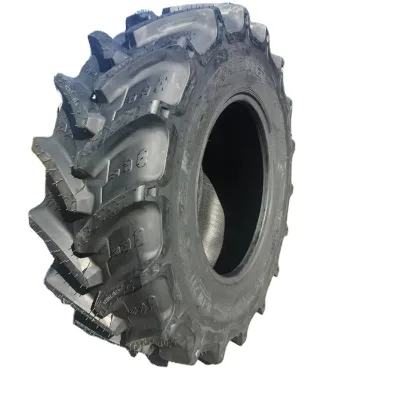


Radial Agricultural Tyre (800/65R32 710/70R38) for Harvester/Tractor
$1200.00 - $2200.00
MOQ: 10 Pieces

710/70r38 710/70r42 Radial Agricultural Tyre for Tractor and Harvester
$1000.00 - $3000.00
MOQ: 2 Pieces

Radial Agricultural Tyre (520/85R38 520/85R42) for Tractor and Combine Harvester
$1200.00 - $2000.00
MOQ: 2 Pieces


Comprehensive Sourcing Guide
Radial Agricultural Tire Sourcing Guide
Sourcing radial agricultural tires requires a nuanced understanding of both the mechanical demands of modern farming equipment and the commercial realities of global tire manufacturing. Unlike bias-ply alternatives, radial tires offer superior traction, fuel efficiency, and soil compaction reduction, making them the preferred choice for high-horsepower tractors and harvesters. However, the market is fragmented, with suppliers ranging from specialized agricultural brands to general-purpose rubber manufacturers. Buyers must navigate a landscape where product specifications vary significantly by region and application, ensuring that the selected tires match the specific operational needs of their fleet. This guide provides a structured approach to evaluating suppliers, verifying technical compliance, and managing commercial risks associated with Radial Agricultural Tire procurement.
The decision to source radial agricultural tires is often driven by the need for enhanced performance in diverse field conditions. These tires are designed to handle heavy loads while maintaining flexibility in the sidewall, which improves contact with the ground and reduces slippage. For buyers, this translates to better crop yields and lower operational costs over time. However, the initial investment and maintenance requirements differ from traditional tire types. Understanding the specific tread patterns, such as cross-country or transverse designs, is critical for matching the tire to the intended terrain. Furthermore, the availability of customization options allows buyers to tailor products to unique machinery configurations, but this flexibility introduces complexity in quality control and specification verification.
Product Scope and Observed Listing Signals
The current market for radial agricultural tires exhibits a wide range of product offerings, with observed prices spanning from $30 to $3,000 USD. This broad spectrum reflects the diversity in tire sizes, from smaller utility vehicle applications to large-scale agricultural machinery. Buyers should note that the minimum order quantity (MOQ) typically ranges from 2 to 210 units, indicating that suppliers cater to both small-scale replacements and large fleet renewals. The presence of various tire designs, including bias-belted and radial constructions, suggests that buyers must carefully distinguish between product types to avoid misalignment with their equipment requirements. The observed data indicates a market that is responsive to volume, with significant price variations likely tied to order size and specific technical specifications.
Listing signals reveal a strong emphasis on customization and specific industry applications. Many suppliers offer products tailored for tractors, harvesters, cultivators, and UTVs, highlighting the specialized nature of agricultural tire manufacturing. Attributes such as "Tubeless" and "Tube" types are prominently featured, requiring buyers to verify compatibility with their wheel rims. Additionally, the mention of "All Season Tire" capabilities suggests that many products are designed for year-round use, reducing the need for seasonal inventory rotation. The origin of these products is predominantly China, with specific mentions of Weifang, Shandong, a major hub for tire manufacturing. This geographic concentration can offer logistical advantages but also necessitates rigorous due diligence regarding supplier reliability and export capabilities.
Technical Specifications to Verify
Verifying technical specifications is paramount when sourcing radial agricultural tires, as mismatches can lead to operational failures and safety hazards. Key attributes to confirm include the tire size, such as 400/60-15.5, 16.9R30, 540/65R28, and 270/95R48, which must align precisely with the machinery’s load index and speed rating. Buyers should also inspect the tread pattern, choosing between cross-country, transverse, or circumferential designs based on the primary terrain and soil conditions. The distinction between tube and tubeless constructions is critical, as it affects installation procedures and pressure management. Additionally, the classification of the tire, whether for farm cultivators or general agricultural use, should be validated against the intended application to ensure optimal performance.
Standardization and model numbers provide another layer of verification for technical compliance. Products often reference specific standards, such as 30.5L-32, 24.5-32, and 23.1-30, which serve as benchmarks for dimensions and performance. Buyers must ensure that the supplier’s stated standards match international or regional requirements for their market. The tire type, whether radial or bias-belted, directly impacts durability and handling characteristics, so this attribute must be explicitly confirmed in the purchase order. Furthermore, the availability of customization options allows for tailored solutions, but buyers should request detailed technical drawings or specifications to ensure that customizations do not compromise structural integrity or safety.
Compliance and Safety Documentation
Compliance with international and regional safety standards is non-negotiable for agricultural tires, particularly those used in cross-border trade. Certifications such as CCC, ISO, DOT, ECE, CE, FCC, RoHS, and GS are frequently cited by suppliers, indicating adherence to various regulatory frameworks. Buyers must verify the validity and scope of these certifications, ensuring they cover the specific tire models being procured. For instance, DOT certification is essential for products intended for the US market, while ECE and CE marks are required for European destinations. The presence of multiple certifications suggests a supplier’s capability to serve diverse markets, but buyers should request copies of the actual certificates to confirm their authenticity and current status.
Safety documentation also extends to the manufacturing standards and quality assurance processes employed by the supplier. Products originating from established manufacturing hubs like Shandong, China, often benefit from mature supply chains and standardized production lines. However, buyers should inquire about the specific quality control measures in place, such as material testing and final inspection protocols. The mention of "Exceptional" quality and "Timely, Efficient, Convenient" service attributes in listings should be treated as marketing claims rather than guaranteed outcomes. Instead, buyers should focus on tangible evidence of quality, such as third-party test reports or adherence to specific industry standards like those referenced in the product specifications.
Cost Drivers and Commercial Terms
Understanding the cost drivers behind radial agricultural tires helps buyers negotiate better terms and avoid hidden expenses. The observed price range of $30 to $3,000 USD is influenced by factors such as tire size, construction type, and certification requirements. Larger tires with complex tread patterns and high load capacities naturally command higher prices. Additionally, the MOQ of 2 to 210 units suggests that economies of scale play a significant role in pricing, with larger orders likely receiving more favorable rates. Buyers should also consider the cost of customization, which may incur additional fees for non-standard sizes or specific branding requirements.
Commercial terms, including delivery times and payment conditions, are critical components of the procurement process. Suppliers often indicate delivery times of 10-15 days after receiving a deposit, which is a standard timeframe for manufactured goods. However, buyers should clarify whether this timeline includes production, quality control, and shipping, as delays can impact operational schedules. Packing methods, ranging from standard export packing to containerized shipments, also affect logistics costs and product protection during transit. Buyers should negotiate clear terms regarding packaging standards to ensure that tires arrive in pristine condition, minimizing the risk of damage and subsequent claims.
Supplier Qualification and Quality Control
Supplier qualification is a multi-step process that goes beyond reviewing product listings. Buyers should assess the supplier’s production capacity, technical expertise, and after-sales support capabilities. The mention of "Online Support" as an after-warranty service indicates a commitment to customer assistance, but buyers should verify the responsiveness and technical depth of this support. Additionally, the supplier’s ability to handle customization requests is a key indicator of their flexibility and manufacturing sophistication. Buyers should request references or case studies from previous clients, particularly those in similar industries or regions, to gauge the supplier’s reliability and performance history.
Quality control measures should be explicitly defined in the purchase agreement. Buyers should insist on pre-shipment inspections to verify that the delivered tires meet the agreed-upon specifications and quality standards. This may include visual inspections for defects, dimensional checks, and performance tests if feasible. The supplier’s adherence to standards such as ISO and CCC should be validated through independent audits or third-party verification services. Furthermore, buyers should establish clear protocols for handling non-conforming products, including return policies and compensation mechanisms. By prioritizing suppliers with robust quality control systems, buyers can mitigate the risk of receiving substandard products and ensure long-term operational reliability.
Long-Term Procurement Checks
Long-term procurement success depends on establishing a sustainable relationship with suppliers that prioritizes continuous improvement and mutual benefit. Buyers should conduct regular performance reviews to assess the supplier’s adherence to delivery schedules, quality standards, and communication protocols. This ongoing evaluation helps identify potential issues early and allows for corrective actions before they escalate. Additionally, buyers should stay informed about industry trends and technological advancements in tire manufacturing, such as new materials or tread designs, to ensure that their procurement strategy remains competitive. Engaging in open dialogue with suppliers about future needs and challenges can foster collaboration and lead to innovative solutions.
Finally, buyers should maintain a diversified supplier base to mitigate risks associated with single-source dependencies. While the observed data indicates a concentration of suppliers in China, exploring options in other regions can provide resilience against geopolitical or logistical disruptions. Regularly updating the supplier qualification criteria and re-evaluating the market landscape ensures that buyers remain agile and responsive to changing conditions. By combining rigorous technical verification, compliance checks, and strategic relationship management, buyers can secure a reliable supply of radial agricultural tires that support their operational goals and drive long-term value.
FAQs
What certifications do these radial agricultural tires have?
These tires hold multiple certifications including CCC, ISO, DOT, ECE, CE, FCC, RoHS, and GS. The specific certification set depends on the tire model and intended market, ensuring compliance with various international safety and quality standards for agricultural machinery.
Which tire sizes are available for radial agricultural use?
Available sizes include 400/60-15.5, 16.9R30, 440/65R28, 540/65R28, 270/95R48, 380/85R24, and 420/85R34. These dimensions cover a wide range of tractors, harvesters, and cultivators, allowing buyers to select the exact fit for their specific equipment needs.
Can I request custom packaging for these agricultural tires?
Yes, customization is available for packaging according to customer requests. Options range from standard export packing to container loading or no pack, ensuring the tires are protected during transit while meeting your specific logistical or branding requirements.
How long is the delivery time for these tires?
Delivery typically occurs within 10 to 15 days after receiving the deposit. This lead time applies to standard orders, though specific timelines may vary based on order volume and the current production schedule at the Weifang Shandong manufacturing facility.
What tread patterns are offered for these radial tires?
The tires feature various tread patterns such as Cross-Country, Transverse, and Circumferential designs. Specific models like the Mr-1 pattern are available, providing optimized traction for different soil conditions and agricultural tasks ranging from field cultivation to transport.
Which industries can utilize these radial agricultural tires?
These tires are designed for use in machinery repair shops and various agricultural sectors. They are suitable for tractors, harvesters, cultivators, and UTVs, supporting operations that require durable and high-performance tires for heavy-duty farming applications.