Source Radial Grease Hlgs 623RS for industrial machinery, automotive parts, and agricultural equipment
Explore 30 verified listings for Radial Grease Hlgs 623RS suitable for diverse mechanical needs. Buyers can compare specifications like NLGI grades, viscosity, and delivery times to find the right lubricant for industrial, automotive, or agricultural applications.
Key considerations
Products List
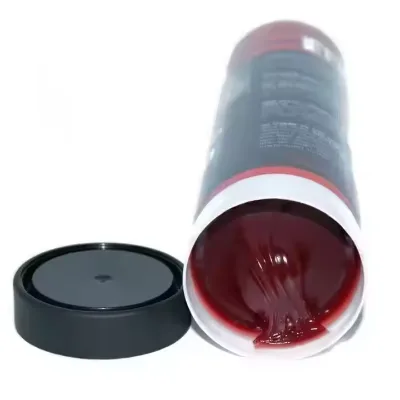

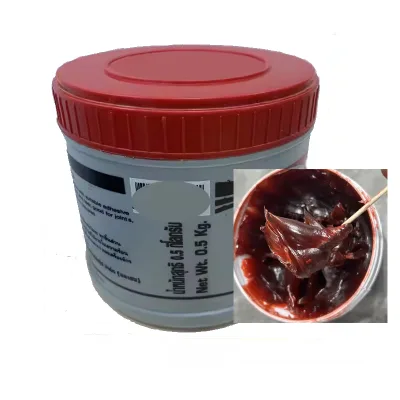
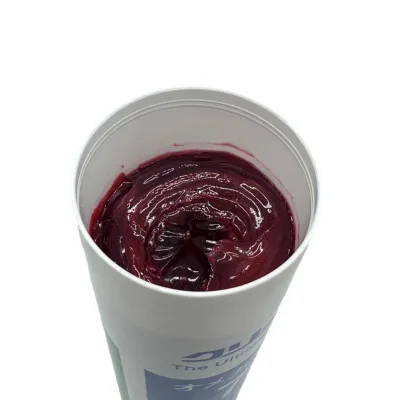

High Performance Heavy Duty Grease with Excellent Mechanical Stability Features
$4.00 - $5.00
MOQ: 1 Pieces


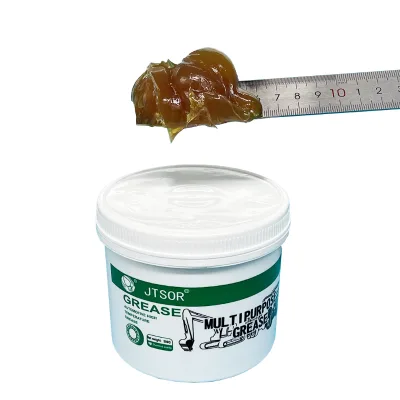


Comprehensive Sourcing Guide
Strategic Sourcing Guide for Radial Grease and Bearing Protection Systems
The procurement of industrial lubricants, specifically those designated for radial applications and bearing protection, requires a rigorous understanding of product specifications, supplier capabilities, and compliance frameworks. While the core keyword "Radial Grease Hlgs 623RS" suggests a specific technical niche, the broader market for high-performance bearing greases encompasses a variety of formulations, including lithium complex, aluminum complex, and synthetic blends. Buyers must navigate a landscape where product attributes such as NLGI grade, base oil composition, and color are critical differentiators. This guide provides a structured approach to sourcing these materials, leveraging verified product data to ensure operational reliability and cost efficiency without relying on unverified market claims.
Technical Specifications and Formulation Analysis
When evaluating radial grease products, the primary focus must be on the physical and chemical properties that define performance under load. The supplied data indicates that high-quality bearing greases typically fall within specific NLGI (National Lubricating Grease Institute) grades, with NLGI 2 and NLGI 3 being the most common specifications observed in industrial listings. These grades dictate the consistency of the grease, ranging from a buttery texture suitable for general mechanical lubrication to a stiffer consistency required for heavy-duty industrial applications. The base oil composition is fundamental to the grease's ability to provide lubricating protection, forming a film that prevents metal-to-metal contact.
Color is another observable attribute that can assist in identification and quality control, with products appearing in red, yellow, blue, or white depending on the specific formulation and additives used. For instance, red bearing grease is a distinct variant often associated with specific performance profiles, while aluminum complex greases may present in yellow or red hues. The texture is described as "buttery," which is a desirable characteristic for ease of application and distribution within bearing housings. Buyers should verify that the viscosity grade aligns with the equipment manufacturer's recommendations, as the wrong consistency can lead to overheating or inadequate lubrication. The single package size and gross weight are also critical logistical details; standard packaging may range from 5x5x10 cm to 10x10x10 cm, with a single gross weight of approximately 1.000 kg, ensuring that the product is manageable for standard industrial handling procedures.
Compliance, Certification, and Quality Assurance
In the B2B lubricant market, certification serves as a primary indicator of a supplier's commitment to quality management and safety. The most frequently observed certification in this sector is ISO9001, which validates that the manufacturer adheres to international quality management standards. Additionally, the presence of an MSDS (Material Safety Data Sheet) is a mandatory requirement for the safe handling, storage, and transportation of chemical products. These documents provide essential information regarding the general composition, which is typically base oil, and any potential hazards associated with the product.
Buyers must ensure that the supplier can provide up-to-date MSDS documents that align with current regulatory frameworks. The absence of such documentation should be treated as a significant red flag, regardless of the product's advertised performance. While specific test results or performance claims are not universally guaranteed for every listed product, the presence of ISO9001 and MSDS certification suggests a baseline level of operational maturity. It is crucial to verify that the "High-Quality" designation is supported by these certifications rather than being a marketing assertion. The general composition of the grease, primarily base oil, should be clearly defined in the technical data sheet to ensure compatibility with the intended mechanical environment.
Cost Drivers and Pricing Dynamics
The pricing of industrial greases is influenced by a complex interplay of factors, including raw material costs, packaging requirements, and order volume. The observed price range in the market spans from $0.02 to $2800, a vast disparity that reflects the difference between small sample units and bulk industrial shipments. The Minimum Order Quantity (MOQ) is a significant driver of unit cost, with observed ranges extending from 1 unit to 2000 units. In many cases, a standard MOQ of 1 Ton or 1000kg is required to access competitive pricing tiers.
Buyers should be aware that "Excellent Cost Performance" is a common attribute claimed by suppliers, but this must be contextualized against the actual volume purchased. Smaller orders may incur higher per-unit costs due to packaging and logistics overhead, while bulk purchases benefit from economies of scale. The "Customer Requirements" for packing can also impact the final price; specialized packaging, such as wooden cases for larger shipments or specific box configurations, may incur additional charges. Furthermore, the availability of samples is a key factor in the procurement process. Suppliers offering samples allow buyers to validate product quality before committing to large orders, though this may involve separate logistical costs. Understanding these variables is essential for accurate budget forecasting and total cost of ownership analysis.
Typical Applications and Operational Environments
The versatility of radial greases allows them to be deployed across a wide spectrum of industrial sectors. The primary application is identified as "Industrial Lubricant," specifically designed for mechanical lubrication where consistent performance under varying loads is critical. The data also highlights applications in the agriculture sector, suggesting that these greases are robust enough to withstand the demanding conditions found in farming equipment. The ability to provide "Lubricating Protection" is the core function, ensuring that bearings and moving parts remain free from wear and corrosion.
Specific model numbers, such as #3 or HK-269G, often correspond to formulations tailored for specific operational environments. For instance, greases with a working distance of 6771mm and a speed of 0.5mm/s may be optimized for precision machinery, while others with a working distance of 60 times per minute might be suited for high-frequency cyclic operations. The ambient requirements, such as a temperature range of 540°C and humidity levels not exceeding 85%, define the operational envelope within which the grease maintains its integrity. Buyers must match the product's environmental tolerance with the actual conditions of their machinery to prevent premature failure. The "Bleeding" appearance noted in some specifications may indicate the release of base oil, a characteristic that can be beneficial for self-lubricating systems but requires careful monitoring in sealed environments.
Supplier Evaluation and Service Capabilities
Selecting a reliable supplier involves more than just comparing product specifications; it requires an assessment of the supplier's service capabilities and logistical reliability. The "OEM Service" attribute indicates that suppliers are capable of customizing products to meet specific client needs, a valuable feature for industries with unique lubrication requirements. The "Customization: Available" status further reinforces this flexibility, allowing buyers to request specific colors, packaging, or formulations.
Lead time is a critical metric in supplier evaluation, with observed delivery times ranging from 3-10 days to 10-15 days. These timelines can vary based on the order size, the specific product model, and the supplier's current production capacity. The "Place of Origin" is consistently listed as China, specifically Anhui, which is a known hub for industrial manufacturing. Buyers should verify the supplier's ability to meet delivery deadlines, as delays can disrupt production schedules. The "Sample Offered" and "Provide" attributes suggest that reputable suppliers are willing to engage in a trial phase, allowing buyers to assess the product's performance in their specific application before scaling up.
Quality Control and Long-Term Procurement Considerations
Ensuring long-term procurement success requires a proactive approach to quality control and relationship management. The "High-Quality" designation should be validated through regular testing and inspection of delivered goods. Buyers should establish clear acceptance criteria based on the observed attributes, such as NLGI grade, color consistency, and packaging integrity. The "Single package size" and "Single gross weight" should be verified upon receipt to ensure that the product matches the order specifications.
Long-term considerations also include the stability of the supply chain and the supplier's ability to maintain consistent quality over time. The "Advantage: Excellent Cost Performance" should be monitored to ensure that price fluctuations do not compromise product quality. Buyers should maintain open communication with suppliers regarding any changes in formulation or packaging that might affect performance. Additionally, the availability of technical support and the ability to respond to quality issues are vital for maintaining operational continuity. By focusing on these long-term factors, buyers can build a resilient supply chain that supports their industrial operations effectively.
Comparative Overview of Product Attributes
To facilitate a clearer understanding of the available options, the following table summarizes the key attributes observed in the market for radial and bearing greases. This comparison highlights the variations in specifications, packaging, and service offerings that buyers should consider during the sourcing process.
| Attribute Category | Specific Observation | Relevance to Procurement |
|---|---|---|
| NLGI Grade | NLGI 2, NLGI 3 | Determines consistency and load-bearing capacity. |
| Color | Red, Yellow, Blue, White | Aids in identification and potential leak detection. |
| Base Composition | Base Oil | Fundamental to lubrication and thermal stability. |
| Packaging | Box, Wooden Case, Customer Requirements | Impacts logistics, storage, and handling costs. |
| Certification | ISO9001, MSDS | Validates quality management and safety compliance. |
| MOQ | 1 Ton, 1000kg, 1-2000 units | Influences unit cost and inventory management. |
| Delivery Time | 3-10 Days, 10-15 Days | Critical for production planning and supply continuity. |
| Service | OEM Service, Customization Available | Allows for tailored solutions to specific operational needs. |
| Origin | Anhui, China | Indicates manufacturing hub and potential logistics routes. |
This structured approach to sourcing ensures that buyers make informed decisions based on verified data rather than unconfirmed claims. By rigorously evaluating technical specifications, compliance status, and supplier capabilities, organizations can secure high-performance lubricants that enhance equipment longevity and operational efficiency.
FAQs
What is the typical MOQ for Radial Grease Hlgs 623RS orders?
The minimum order quantity is typically 1 Ton or 1000kg for bulk industrial purchases. Some suppliers may offer lower quantities for samples, but standard commercial transactions require meeting these tonnage thresholds to access competitive pricing tiers.
Which certifications do Radial Grease Hlgs 623RS manufacturers usually hold?
Most reputable manufacturers hold ISO9001 certification for quality management and provide MSDS documents for safety compliance. These certifications validate that the production process adheres to international standards and that the base oil composition is safely documented for handling.
How long does delivery take for Radial Grease Hlgs 623RS from China?
Delivery times generally range from 3 to 15 days depending on the specific supplier and order volume. Standard shipments from Anhui, China, often arrive within 3 to 10 days, while larger customized orders may require up to 15 days for processing.
Can I request custom packaging for Radial Grease Hlgs 623RS orders?
Yes, customization is available with options including boxes or wooden cases based on customer requirements. Suppliers offer OEM services to tailor packaging dimensions and materials, ensuring the product fits specific logistical needs while maintaining the integrity of the grease.
What NLGI grades are available for Radial Grease Hlgs 623RS products?
Common specifications include NLGI 2 and NLGI 3 grades, which define the grease consistency for different mechanical loads. These grades ensure the product provides the necessary lubricating protection, ranging from a buttery texture for general use to a stiffer consistency for heavy-duty applications.
Where are Radial Grease Hlgs 623RS products typically manufactured?
Products are primarily manufactured in Anhui, China, which serves as a major hub for industrial lubricant production. This location allows for efficient logistics and consistent supply chains, with most verified suppliers operating from this specific region to serve global markets.
What colors are available for Radial Grease Hlgs 623RS formulations?
Available colors include red, yellow, blue, and white, depending on the specific formulation and brand. For instance, red bearing grease is a distinct variant, while aluminum complex greases may appear in yellow or red hues to aid in identification and leak detection.