Source Rapid Ovulation Test Strips for Home, Clinical, and Lab Use
Source Rapid Ovulation Test Strips from 30 verified suppliers. Compare key attributes like detection time, accuracy, and specimen type to find the right IVD reagents for your procurement needs; compare the available evidence and request quotations based on your requirements.
Key considerations
Products List
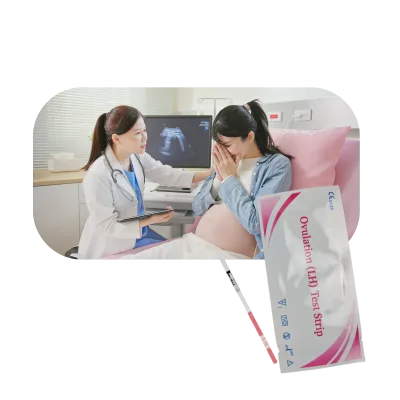

Lh Test Strip Pregnancy Preparation Urine Home Test Rapid Ovulation Test
$0.04 - $0.15
MOQ: 100 Pieces

Lh Test Strip Pregnancy Preparation Urine Home Test Rapid Ovulation Test
$0.04 - $0.15
MOQ: 100 Pieces

Lh Test Strip Pregnancy Preparation Urine Home Test Rapid Ovulation Test
$0.04 - $0.15
MOQ: 100 Pieces


Ovulation Test Strip OEM and ODM High Accuracy Lh Ovulation Test Strip Lh Test Strip
$0.06 - $0.12
MOQ: 1000 Pieces


Lh Test Strip CE and ISO Home Use OEM Service Ovulation Rapid Test Strip
$0.06 - $0.12
MOQ: 1000 Pieces

Ovulation Test OEM Package 99% Accuracy Lh Ovulation Test Strip Lh Test Strip
$0.06 - $0.12
MOQ: 1000 Pieces

Lh Test Strip CE and ISO Standard Quality OEM Service Ovulation Rapid Test Strip
$0.06 - $0.12
MOQ: 1000 Pieces


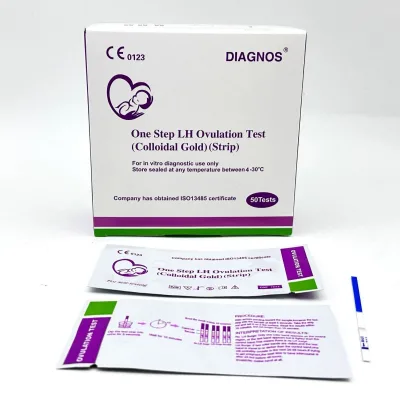


Early Detection Pregnancy Test Kit, Fertility Test Strip, HCG Pregnancy Test Strip
$0.07 - $0.08
MOQ: 100000 Pieces


Comprehensive Sourcing Guide
Rapid Ovulation Test Strips Sourcing Guide
Procuring Rapid Ovulation Test Strips requires a clear understanding of the specific biological markers these devices detect, primarily focusing on the luteinizing hormone surge that precedes ovulation. Buyers must distinguish between early pregnancy detection strips and those designed specifically for fertility tracking, as the sensitivity thresholds and target analytes differ significantly in clinical application. The observed market data indicates a range of formats including strips, cassettes, and pens, each offering distinct user experiences and storage requirements that influence the final selection for a target demographic.
When evaluating listings, procurement teams should scrutinize the stated specimen type and reading time to ensure alignment with intended use cases. While some products list a five-minute reading window, others may require up to ten minutes for accurate interpretation, a variance that impacts user compliance and result reliability. The availability of customization and OEM support suggests that many manufacturers can tailor packaging and branding, but buyers must verify that these customizations do not compromise the integrity of the test strip's chemical reagents or the stability of the control lines during transit.
Product Scope and Observed Listing Signals
The current market for Rapid Ovulation Test Strips presents a diverse array of product models, ranging from simple strip formats to more complex cassette and pen-based systems. Listings frequently highlight features such as ease of use, rapid results, and high accuracy ratings, which are critical selling points for consumers seeking reliable fertility data. Buyers should note that while some products specify a sensitivity of 25 mIU/mL, others may list different thresholds, necessitating a careful review of the technical specifications to ensure the device meets the specific detection needs of the intended user group.
Observations of packaging and shipping data reveal significant variability in how these products are presented to the market, with options ranging from single pouches to bulk cartons containing hundreds of units. The presence of "Foil Pouch" and "Carton" packaging options indicates that suppliers offer flexible logistics solutions, yet the distinction between bulk and boxed packaging can affect product protection and shelf life. Procurement strategies must account for these packaging differences, as they directly influence storage conditions and the potential for damage during international shipping, particularly when selecting between air and sea freight options.
Technical Specifications to Verify
Technical due diligence must begin with the verification of the test strip's sensitivity and accuracy ratings, as these parameters define the device's clinical utility. Buyers should confirm that the stated accuracy, often cited as 99% or 99.8%, is supported by internal validation data and that the sensitivity level is appropriate for detecting the specific hormone surge associated with ovulation. The distinction between urine and serum specimen types is also crucial, as most rapid ovulation tests are designed for urine analysis, and using them with other sample types could lead to erroneous results or device failure.
Reading time and detection window are equally critical specifications that impact user experience and result interpretation. While some products claim a five-minute detection time, others may require a longer window, and buyers must ensure that the stated reading time aligns with the manufacturer's instructions for optimal performance. Additionally, the physical dimensions of the test strip, such as the 2.5mm, 3.0mm, or 4.0mm widths observed in various listings, should be considered for compatibility with existing testing devices or user preferences for size and portability.
Compliance and Safety Documentation
Navigating the regulatory landscape for Rapid Ovulation Test Strips requires a thorough review of the certifications held by potential suppliers. The presence of CE certification and ISO standards, such as ISOCE, indicates a baseline level of compliance with international safety and quality requirements, but buyers must verify the specific scope of these certifications to ensure they cover the intended product category. It is essential to confirm that the manufacturer maintains valid certification status and that the documentation provided is current and applicable to the specific model being sourced.
Safety documentation also includes information regarding sterilization methods and material composition, which are vital for ensuring the product is safe for consumer use. Some listings explicitly state that the products are produced without ethylene oxide sterilization, a detail that may be relevant for buyers with specific regulatory or safety preferences. Furthermore, the material composition, typically involving plastic and paper, should be assessed for durability and compatibility with the chemical reagents used in the test, ensuring that the packaging and strip materials do not interfere with the test's performance or shelf life.
Cost Drivers and Commercial Terms
The pricing structure for Rapid Ovulation Test Strips is influenced by a complex interplay of factors, including the complexity of the test format, the volume of the order, and the level of customization required. The observed price range spans from very low-cost units to significantly higher prices for specialized or premium models, reflecting the diversity in manufacturing processes and quality standards. Buyers should be prepared to negotiate based on the specific model and packaging requirements, as the cost per unit can vary dramatically depending on whether the product is sold in single pouches or bulk cartons.
Commercial terms such as minimum order quantities (MOQ) and lead times are critical components of the procurement strategy that can impact inventory management and cash flow. The observed MOQ range of 1 to 100,000 units offers flexibility for both small startups and large distributors, but buyers must align their order volume with their sales forecasts to avoid overstocking or stockouts. Additionally, the lead time, which can range from 15 to 25 days, should be factored into the supply chain planning to ensure timely delivery and maintain continuity of supply for end consumers.
Supplier Qualification and Quality Control
Evaluating supplier qualification involves a comprehensive assessment of their manufacturing capabilities, quality control systems, and track record in the medical device industry. Buyers should request evidence of the supplier's adherence to quality standards, such as ISO certifications, and verify their ability to maintain consistent product quality across different production batches. The presence of OEM and ODM support indicates that the supplier has the flexibility to meet specific branding and product requirements, but this capability must be balanced with a robust quality assurance framework to prevent defects.
Quality control processes should extend beyond the final product inspection to include raw material sourcing and in-process monitoring. Buyers must ensure that the supplier has established protocols for testing the sensitivity and accuracy of each batch, as well as procedures for managing shelf life and storage conditions. The warranty period, which can range from two to three years, serves as an indicator of the supplier's confidence in their product quality, but it should be accompanied by clear terms regarding returns, replacements, and liability for defective units.
Long-Term Procurement Checks
Establishing a long-term procurement strategy for Rapid Ovulation Test Strips requires a commitment to ongoing supplier performance monitoring and periodic quality audits. Buyers should implement a system for tracking key performance indicators, such as defect rates, delivery times, and customer feedback, to identify any trends that may indicate a decline in product quality or supplier reliability. Regular audits of the supplier's manufacturing facilities and quality control processes can help ensure that the product continues to meet the required standards and regulatory requirements over time.
Supply chain resilience is another critical aspect of long-term procurement, requiring buyers to diversify their supplier base and develop contingency plans for potential disruptions. The variability in lead times and the potential for changes in regulatory requirements necessitate a proactive approach to supply chain management, including the maintenance of safety stock and the development of alternative sourcing options. By fostering strong relationships with suppliers and maintaining open communication channels, buyers can better navigate the complexities of the global market and ensure a steady supply of high-quality Rapid Ovulation Test Strips.
FAQs
How fast do Rapid Ovulation Test Strips provide results?
Rapid Ovulation Test Strips typically provide results within 5 to 10 minutes. The detection time is optimized for quick reading, allowing users to interpret the LH surge efficiently. This speed ensures that buyers and end-users can monitor their fertile window without long waiting periods, making the process convenient for daily tracking and timely decision-making.
What is the accuracy rating of these ovulation test strips?
These ovulation test strips offer a high accuracy rating of 99.8%. The sensitivity is set at 25 mIU/ml, ensuring precise detection of the luteinizing hormone surge. This reliability helps users identify their most fertile days with confidence, reducing the risk of false positives or negatives during critical monitoring periods for family planning purposes.
Can buyers customize the packaging for bulk orders?
Yes, customization is available for bulk orders. Suppliers support OEM and ODM services, allowing buyers to request specific packaging formats such as foil pouches or boxes. This flexibility ensures that brands can maintain their identity while sourcing high-quality test strips, meeting diverse market requirements and regulatory standards for international distribution and retail presentation.
What certifications do these Rapid Ovulation Test Strips hold?
These test strips hold CE and ISO certifications, ensuring compliance with international quality and safety standards. The manufacturing process adheres to strict guidelines, providing buyers with confidence in the product's reliability. These certifications are essential for importing and selling in regulated markets, guaranteeing that the devices meet the necessary performance and safety requirements for end-users.
What is the typical lead time for manufacturing orders?
The typical lead time for manufacturing orders ranges from 15 to 25 days. This timeframe allows for production, quality control, and packaging preparation. Buyers should plan their inventory accordingly to ensure timely delivery. The lead time may vary based on order volume and customization requirements, so early communication with suppliers is recommended for accurate scheduling.
Which specimen types are compatible with these test strips?
These test strips are primarily designed for urine specimens, which is the standard for home ovulation testing. Some variants may also support serum samples for clinical settings. The format includes strips, cassettes, and pens, offering versatility for different user preferences. This compatibility ensures accurate detection of LH levels in the most common and accessible sample types for effective monitoring.