Source Teddy bear suppliers for gifts, toys, and decor
Compare 30 Teddy bear listings from verified manufacturers in China. Buyers can evaluate materials like cotton and polyester, certifications including CE and ASTM, and customization options for indoor and outdoor use; compare the available evidence and request quotations based on your requirements.
Key considerations
Products List


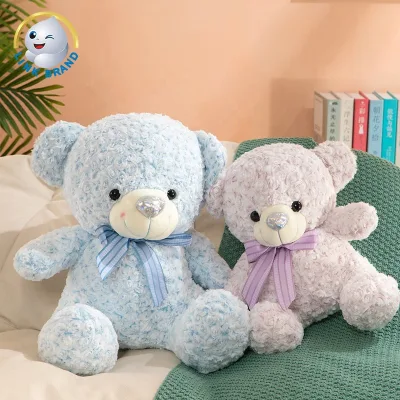
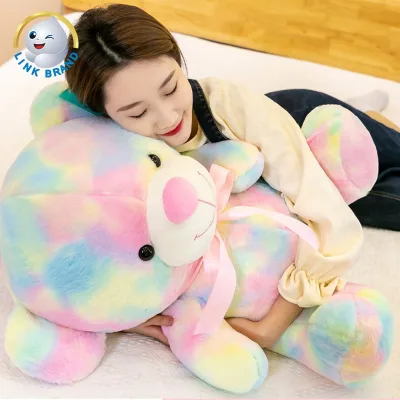
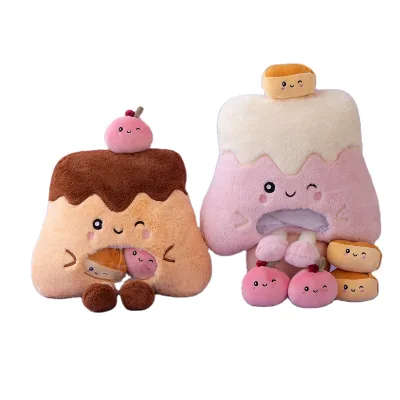
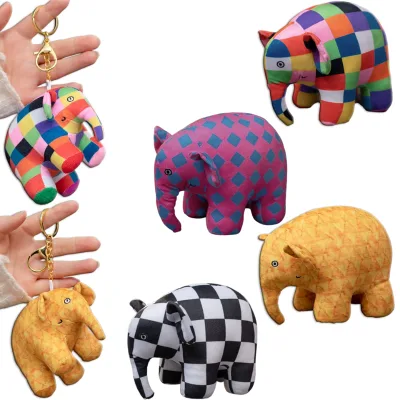


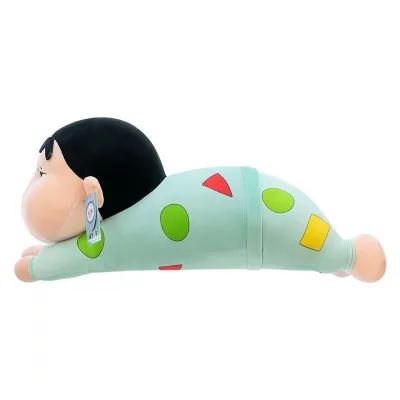


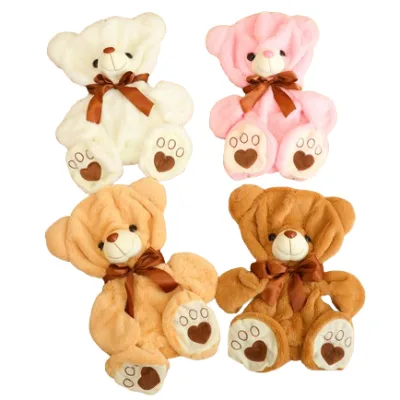


Comprehensive Sourcing Guide
Teddy Bear Sourcing Guide
Sourcing Teddy bears requires a nuanced understanding of material composition, safety compliance, and customization capabilities. Buyers must navigate a market where products range from simple plush toys to complex, hand-made decorative items. The following guide provides evidence-based procurement strategies for sourcing high-quality Teddy bear products, ensuring that every decision aligns with safety standards and commercial viability.
Product Scope and Observed Listing Signals
The observed product landscape for Teddy bears includes a diverse array of styles, from traditional cotton-filled cushions to long-plush decorative dolls. Listings indicate a wide range of sizes, with specific models available in dimensions such as 40cm, 45cm, 65cm, and up to 90cm, catering to both young children and adult collectors. The materials vary significantly, with some products utilizing polyester fabric and cotton filling, while others employ long plush exteriors with down cotton or polyester fiberfill interiors. This variation necessitates careful specification review to ensure the physical attributes match the intended use case, whether for play, gift-giving, or indoor and outdoor decoration.
Customization is a prevalent feature in the current market, with many suppliers offering OEM and ODM services to tailor products to specific brand requirements. Buyers can expect options for customized packaging, including hangtags, woven labels, and OPP bags, which are critical for retail presentation. The age recommendations span from toddlers to adults, with some products explicitly targeting children aged three and above, while others are suitable for all ages. This broad applicability means that procurement teams must clearly define their target demographic to select the appropriate product specifications, ensuring that the final item meets both aesthetic expectations and functional safety requirements for the intended user group.
Technical Specifications to Verify
Technical verification begins with confirming the exact material composition and filling type, as these factors directly impact the product's durability, texture, and safety profile. Buyers should verify whether the exterior is made from standard polyester, cotton fabric, or long plush, and ensure the filling is consistent with safety standards, such as polyester fiberfill or down cotton. The size specifications must be cross-referenced with the supplier’s actual measurements, as listings may offer multiple size options like 45cm, 65cm, or 90cm, each with corresponding weight variations. For instance, a 40cm model might weigh approximately 0.5kg, while larger variants could weigh up to 1.1kg, affecting shipping costs and handling requirements.
Packaging details are another critical technical aspect that requires precise verification to avoid logistical discrepancies. Standard packaging often involves placing one piece into an OPP bag, but buyers should confirm if additional elements like washing labels or paper tags are included or optional. The single package dimensions, such as 50x50x50 cm for certain models, are essential for calculating container loading efficiency and storage space. Additionally, buyers must verify the model numbers, such as H33 or H25, to ensure accurate reordering and consistency in future batches. Clear communication regarding these technical specifications prevents misunderstandings and ensures that the delivered goods match the approved samples in every physical detail.
Compliance and Safety Documentation
Safety compliance is non-negotiable for Teddy bear procurement, particularly when targeting markets with strict regulatory frameworks. Buyers must verify that suppliers hold valid certifications such as CE, EN71, ASTM, CPSIA, and REACH, which demonstrate adherence to international safety standards for toy materials and construction. These certifications ensure that the products are free from harmful substances and meet rigorous testing requirements for mechanical and physical properties. It is crucial to request current certification documents and test reports from the supplier, as these serve as the primary evidence of compliance and protect the buyer from potential legal liabilities and product recalls.
Beyond certifications, buyers should ensure that the products meet specific regional standards, such as the Canadian Safety Requirement (SOR) or European EN71-1 and EN71-3 standards, depending on the destination market. The age grading on the product, such as "Above Age of 3" or specific ranges like "2 to 4 Years," must align with the safety testing performed. Mislabeling age groups can lead to compliance failures, so buyers must verify that the age recommendations are supported by the test data. Additionally, checking for proper labeling, including washing instructions and safety warnings, is essential for retail readiness. Ensuring that all documentation is accurate and up-to-date is a critical step in mitigating risk and maintaining brand integrity in the global toy market.
Cost Drivers and Commercial Terms
The cost of Teddy bears is influenced by several key factors, including material quality, size, and the level of customization required. Larger sizes, such as 90cm models, naturally incur higher material and shipping costs compared to smaller 26cm or 40cm variants. Customization options, such as unique colors, specific packaging designs, or branded labels, can also increase the unit price. Buyers should be aware that the displayed prices may reflect specific sizes, such as 75cm, and that costs for other sizes may vary. Understanding these cost drivers allows procurement teams to budget accurately and negotiate effectively with suppliers based on the specific requirements of their order.
Commercial terms, including Minimum Order Quantity (MOQ) and lead times, are critical components of the procurement strategy. Observed MOQs range from 1 to 1000 pieces, with some suppliers setting a standard MOQ of 500 units. Buyers must align their order volumes with these MOQs to avoid excessive costs or production delays. Sample times typically range from 5 to 7 working days, which should be factored into the overall project timeline. Additionally, buyers should clarify payment terms, shipping methods, and any potential tariffs or duties that may apply. Clear communication regarding these commercial terms ensures a smooth transaction process and helps in planning inventory levels and cash flow effectively.
Supplier Qualification and Quality Control
Supplier qualification is a vital step in ensuring the reliability and consistency of Teddy bear supplies. Buyers should verify the supplier’s location, with many manufacturers based in Guangdong, China, a hub for toy production. Assessing the supplier’s production capabilities, including their ability to handle hand-made processes and customized orders, is essential for maintaining product quality. Buyers should request references or case studies to evaluate the supplier’s track record in delivering high-quality products on time. Additionally, checking for any past compliance issues or customer complaints can provide insights into the supplier’s operational integrity and commitment to quality.
Quality control measures must be established before production begins to prevent defects and ensure consistency. Buyers should implement a rigorous inspection process, including pre-production sample approvals and in-line quality checks during manufacturing. Defining clear acceptance criteria for materials, stitching, filling, and packaging is crucial for maintaining product standards. Buyers may also consider hiring third-party inspection services to conduct final random inspections before shipment. Establishing a robust quality control framework helps in identifying and addressing potential issues early, reducing the risk of receiving substandard products and ensuring that the final goods meet the buyer’s expectations and safety requirements.
Long-Term Procurement Checks
Long-term procurement success depends on continuous monitoring and relationship management with suppliers. Buyers should regularly review supplier performance metrics, including on-time delivery rates, product quality consistency, and responsiveness to issues. Establishing a structured feedback loop allows for continuous improvement and helps in identifying areas where the supplier can enhance their processes. Regular audits, both remote and on-site, can provide deeper insights into the supplier’s operational practices and compliance status. Maintaining open communication channels ensures that any changes in regulations, market trends, or product requirements are promptly addressed, fostering a collaborative and resilient supply chain.
Additionally, buyers should stay informed about evolving safety standards and market trends to ensure that their Teddy bear offerings remain relevant and compliant. Periodic reviews of product specifications and materials can help in identifying opportunities for cost optimization or innovation. Building a diversified supplier base can mitigate risks associated with single-source dependencies, ensuring business continuity in case of disruptions. By implementing these long-term procurement checks, buyers can maintain a competitive edge, ensure product safety, and build a sustainable supply chain that supports their brand’s growth and reputation in the global toy market.
FAQs
What materials are used in these Teddy products?
The Teddy products utilize polyester fabric and cotton fabric as primary outer materials. The filling consists of polyester fiberfill or down cotton to ensure softness. These materials are selected for durability and comfort, making them suitable for various indoor and outdoor applications while maintaining a high-quality tactile experience for users.
Can I customize the Teddy bear specifications?
Yes, customization is available for these Teddy bears. Buyers can request specific sizes, such as 40cm, 45cm, 65cm, or 90cm, along with mixed colors like purple, pink, or blue. OEM and ODM services are supported, allowing for tailored designs, custom packaging with hangtags, and personalized woven labels to meet unique brand requirements.
What certifications do these Teddy toys hold?
These Teddy toys hold comprehensive safety certifications including Reach, CE, EN71, ASTM, and CPSIA. These standards ensure the products meet rigorous international safety requirements for children's toys. The qualifications also include SOR, providing assurance for global markets. This certification portfolio supports compliance for various regulatory environments and enhances marketability for B2B buyers.
What is the typical MOQ for ordering Teddy bears?
The typical minimum order quantity for these Teddy bears is 500 pieces. However, observed ranges indicate flexibility from 1 to 1000 units depending on the specific supplier and product configuration. Buyers should confirm exact MOQ requirements during negotiation, as some suppliers may offer lower quantities for sample orders or specific customized designs with adjusted pricing structures.
Where are these Teddy bears manufactured?
These Teddy bears are manufactured in Guangdong, China. The production facilities are located in this region, which is known for its robust manufacturing capabilities in the toy industry. The origin is consistently listed as China, ensuring that buyers can trace the supply chain back to a specific geographic hub known for efficient production and export logistics.
What age groups are these Teddy toys suitable for?
These Teddy toys are suitable for a wide range of age groups, from above age 3 to all ages. Specific age ranges include 2 to 4 years, 5 to 7 years, 8 to 13 years, and 14 years and up. The unisex design and soft materials make them appropriate for children and collectors alike, serving as toys, gifts, or decorative cushions.