Source Rechargeable Light Beanie for Hiking, Running, Cycling
Find 30 options for the rechargeable light beanie designed for winter outdoor activities. Compare features like heat-transfer printing, acrylic fabric, and LED integration to find suitable suppliers for hiking, running, and cycling applications; compare the available evidence and request quotations based on your requirements.
Key considerations
Products List


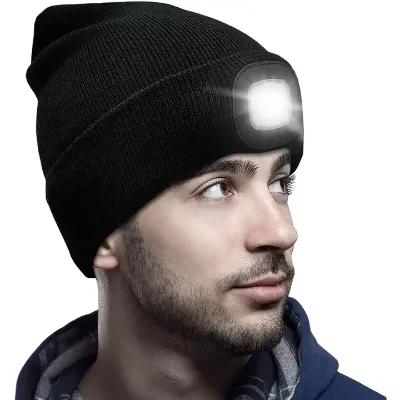
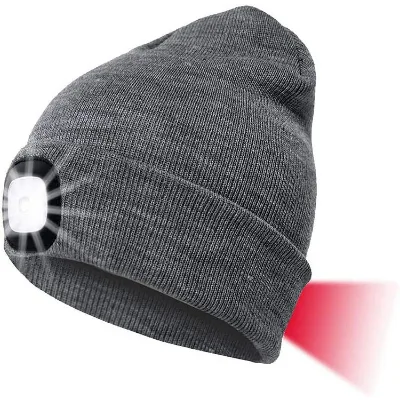
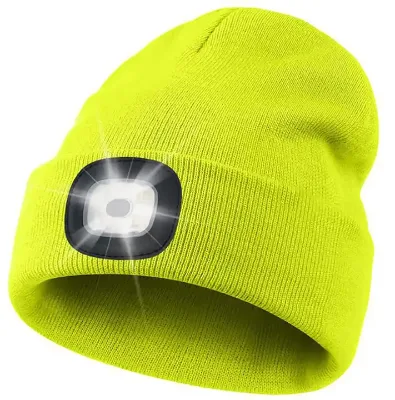


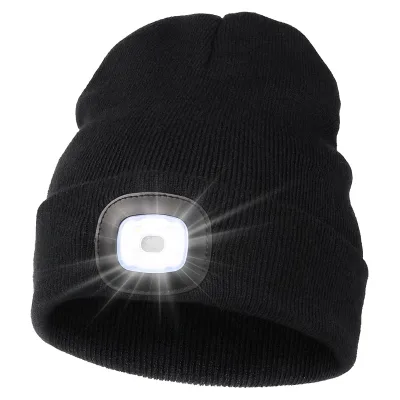

Comprehensive Sourcing Guide
Rechargeable Light Beanie Sourcing Guide
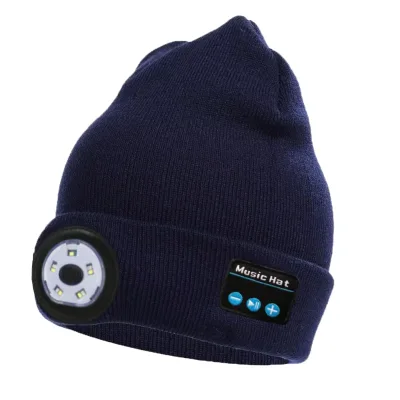
Procurement of rechargeable light beanies requires distinguishing between standard winter headwear and integrated lighting solutions. The observed market data indicates a specific subset of products featuring LED integration, with attributes explicitly listing "Keep Warm" and "Use: LED" alongside "Rechargeable" capabilities. Buyers must verify that the "Special Features" list includes light functionality, as many acrylic beanies in the dataset lack this critical component. The presence of "Windproof" and "Water Resistant" traits suggests these items are designed for active outdoor scenarios like hiking or cycling, where visibility is paramount.
Sourcing strategies must account for the variability in material composition and construction techniques found in current listings. While some products utilize 100% acrylic for warmth, others in the same category may feature faux leather or wood elements, which significantly alter the manufacturing process and cost structure. The "One Size Fits" specification is common, yet the "Not Adjustable" flag in special features indicates a rigid fit that requires precise sizing validation. Buyers should prioritize suppliers who can demonstrate the integration of battery systems without compromising the "Plush" or "Striped" aesthetic qualities observed in the product range.
Product Scope and Observed Listing Signals
The product scope for rechargeable light beanies encompasses a diverse range of styles, from "Plush" and "Striped" designs to those with "Embossed" or "Printed" patterns. The observed listings reveal a wide color palette including "Yellow, White, Red, Purple, Orange, Green, Gray, Colourful, Brown, Blue, Black," allowing for extensive customization options. However, the "Pattern Type" varies significantly between "DOT," "Logo," and generic "Embossed" designs, requiring buyers to specify their exact visual requirements to avoid receiving generic stock items. The "Custom Logo" and "Customization: Available" attributes confirm that branding is a standard expectation for this category.
Listing signals often contain conflicting technical claims that demand rigorous verification before order placement. Some entries list "Heat-Transfer Printing" and "Digital Printing" alongside "Hand Embroidery," suggesting that different suppliers use vastly different production methods for the same product category. The "Weight" varies between 135g and 200g, indicating that the inclusion of a battery and lighting module significantly impacts the final product mass. Buyers must scrutinize the "Use Place" and "Exercise Kind" fields, as "Community" and "Aerobic" applications imply different durability requirements than general fashion use.
Technical Specifications to Verify
Technical verification must begin with the electrical integration of the lighting system, specifically the battery capacity and rechargeability mechanism. The "Special Features" list explicitly mentions "Rechargeable" and "with light," but the specific voltage, battery type, and charging duration are not provided in the general data. Buyers should request detailed schematics to ensure the battery is safely embedded within the "100% Acrylic" or "Faux Leather" fabric without creating hot spots or structural weakness. The "Service Life" of 5-8 years is a notable claim that requires validation against the expected cycle life of the internal power source.
Construction details regarding the brim and crown are equally critical for functional performance in outdoor environments. The "With Brim" and "With Crown" attributes suggest a structured design, yet the "Not Adjustable" feature implies a fixed fit that may not suit all head sizes despite the "One Size Fits" label. Buyers must confirm the "Pattern Technology" used, as "Heat Transfer Printing" and "Embossed" techniques may react differently to the heat generated by the LED components. Additionally, the "Standard" dimensions of 28*19cm should be cross-referenced with the physical product to ensure the lighting elements are positioned correctly for visibility without obstructing the wearer's field of view.
Compliance and Safety Documentation
Safety compliance is paramount when sourcing products with integrated electrical components, particularly those marketed for "Outdoor Hiking, Running, Cycling." The observed "CE" certification is a baseline requirement for the European market, but buyers must verify if this covers the specific electrical module or just the textile component. The "Radiation-blocking" and "UV Resistant" claims found in the special features list require independent laboratory testing to substantiate, as these are often marketing terms rather than verified performance metrics. Without specific test reports, these claims should be treated as unverified assertions that could lead to liability issues.
Documentation regarding the battery and charging system must be comprehensive to mitigate fire and chemical hazards. Since the "Material" includes "Wood" in some listings, buyers must ensure that the battery housing is isolated from flammable natural fibers. The "Washable" attribute presents a significant safety challenge; the product must be designed to withstand cleaning without exposing the electrical components to moisture. Buyers should demand a Declaration of Conformity that explicitly addresses the low-voltage electrical safety standards applicable to wearable electronics, ensuring the "Rechargeable" feature does not violate regional safety regulations for consumer goods.
Cost Drivers and Commercial Terms
Cost drivers for rechargeable light beanies are heavily influenced by the complexity of the electrical integration and the choice of base material. The "100% Acrylic" fabric is generally cost-effective, but the addition of a "Rechargeable" battery and LED circuitry introduces significant variable costs that are not reflected in the base textile price. The "MOQ" range of 3 to 1000 pieces suggests that smaller orders may incur higher per-unit costs due to the setup required for customizing the lighting systems. Buyers should anticipate that "Custom Logo" and specific "Pattern Type" requests will further increase the unit price due to the need for specialized tooling or programming.
Commercial terms must clearly define the responsibilities for battery disposal and warranty coverage for the electronic components. The "prod_packing" varies from "OPP Bag" to "1PC/1OPP," indicating that packaging costs can fluctuate based on the level of protection required for the sensitive electronics. Lead times are likely extended compared to standard beanies due to the need for battery testing and quality control checks on the lighting functionality. Buyers should negotiate terms that address the "Service Life" of 5-8 years, ensuring that the supplier provides a clear warranty policy for battery failure or LED malfunction within the first year of use.
Supplier Qualification and Quality Control
Supplier qualification should focus on manufacturers with proven experience in integrating electronics into textile products. The presence of "Hand Embroidery" and "Heat-Transfer Printing" in the same category suggests that some suppliers may lack specialized expertise in wearable tech, potentially leading to poor integration of the lighting system. Buyers must verify the supplier's ability to maintain consistent "Color" and "Pattern" quality across large batches, as the "Many Colors" option can lead to color variance issues when combined with the lighting elements. The "Guangdong, China" origin is a common hub, but specific factory audits are necessary to confirm their capability to handle the "Rechargeable" aspect safely.
Quality control protocols must include rigorous testing of the lighting functionality and battery safety before shipment. The "Special Features" list includes "Moisture Wicking" and "Quick Dry," which must be tested in conjunction with the "Water Resistant" claims to ensure the electronics remain functional after exposure to sweat or rain. Buyers should implement a pre-shipment inspection that specifically checks the "With light" feature for brightness consistency and battery retention. The "Standard" of 28*19cm should be measured on a sample basis to ensure the product meets the dimensional requirements, preventing issues with fit and comfort during the "Outdoor" applications.
Long-Term Procurement Checks
Long-term procurement checks should prioritize the durability of the electrical components against repeated use and environmental stress. The "Service Life" claim of 5-8 years is a critical metric that requires ongoing monitoring to ensure the supplier can maintain quality over multiple production cycles. Buyers should establish a feedback loop to track battery degradation rates and LED failure modes, as these are the most common points of failure in wearable lighting products. Regular re-verification of the "CE" certification status is essential, as regulatory requirements for electronic textiles can evolve, potentially rendering older stock non-compliant.
Supply chain resilience depends on the supplier's ability to source consistent components for the "Rechargeable" systems. The "Material" diversity, including "Wood" and "Faux Leather," introduces complexity in sourcing raw materials that must be compatible with the electronic assembly. Buyers should assess the supplier's inventory management for battery cells and LED modules to prevent production delays. Additionally, the "Customization" capabilities must be scalable, ensuring that the "Custom Logo" and specific "Pattern Type" requests can be fulfilled without compromising the integrity of the lighting system or the "One Size Fits" design integrity over time.
FAQs
Can rechargeable light beanies be customized with a logo?
Yes, customization is available for these beanies, allowing buyers to add a custom logo. The products support various printing methods such as digital printing, heat-transfer printing, and hand embroidery. This flexibility ensures that brands can tailor the appearance to match their specific identity and marketing needs effectively.
What material is used to make these rechargeable light beanies?
The beanies are primarily constructed from 100% acrylic fabric, which provides warmth and durability. Some variations may also utilize faux leather or wood components for specific design elements. The acrylic material ensures the hat is lightweight, washable, and suitable for outdoor activities like hiking, running, and cycling in winter conditions.
What are the standard specifications for the rechargeable light beanie size?
The standard specification for the size is one size fits all, ensuring a universal fit for most adults. The product dimensions are typically around 28 by 19 centimeters. This flexible sizing accommodates various head shapes while maintaining the structural integrity of the crown and brim design for consistent comfort and style.
Which certifications are associated with these rechargeable light beanies?
These beanies hold CE certification, indicating compliance with relevant safety and quality standards for the European market. This certification assures buyers of the product's reliability and adherence to regulatory requirements. It is a key factor for importers seeking verified suppliers who meet international quality benchmarks for electronic and textile accessories.
How much does it cost to order a minimum quantity of these beanies?
The minimum order quantity is typically 100 pieces, with some suppliers accepting orders as low as 3 pieces. The observed price range for these items is between 0.79 and 6.6 USD per unit. This pricing structure offers flexibility for both small trial orders and larger bulk purchases for retail distribution.
Where are these rechargeable light beanies manufactured?
These beanies are manufactured in Guangdong, China, a major hub for textile and electronics production. The origin ensures access to established supply chains and manufacturing expertise. Buyers can expect efficient logistics and competitive pricing due to the concentration of suppliers and factories in this specific geographic region for export-oriented goods.