Source Y2k Knit Beanie for Travel, Sports, and Casual Wear
Source 17 Y2k Knit Beanie options featuring windproof and breathable designs for adults. Compare OEM customization, various colors, and winter-ready styles from China suppliers to find the right fit for your brand; compare the available evidence and request quotations based on your requirements.
Key considerations
Products List


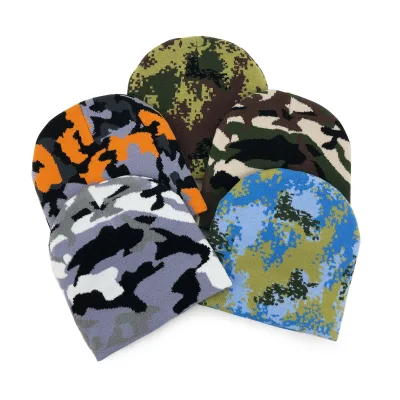

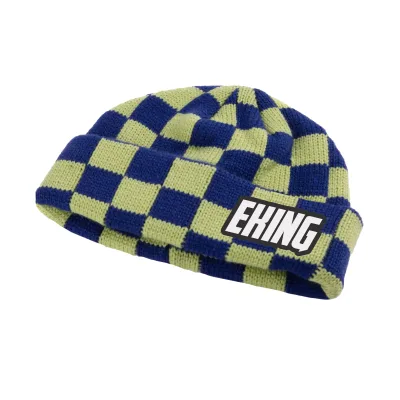
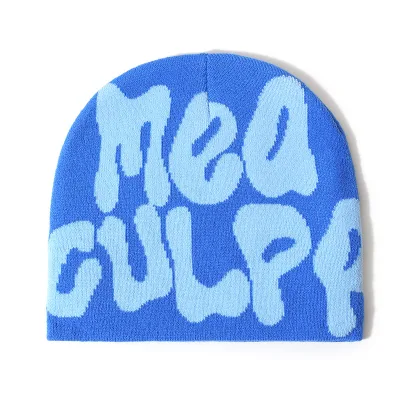

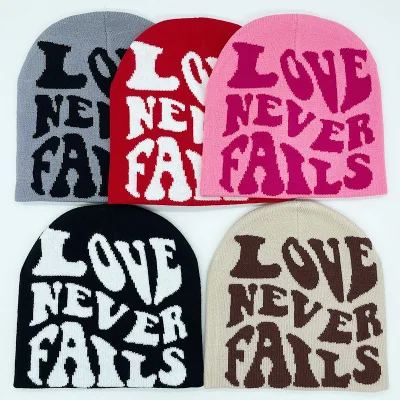

Comprehensive Sourcing Guide
Y2k Knit Beanie Sourcing Guide
Sourcing Y2k knit beanies requires a nuanced understanding of both retro aesthetic trends and functional textile performance. These accessories have evolved from simple winter headwear into statement pieces that blend nostalgic design elements with modern manufacturing capabilities. Buyers must navigate a market where visual appeal, such as character patterns or bold color blocking, competes with practical requirements like windproofing and breathability. The intersection of fashion-forward design and utilitarian function defines the current demand for these items, making it essential to select suppliers who can deliver on both fronts without compromising on material integrity or production consistency.
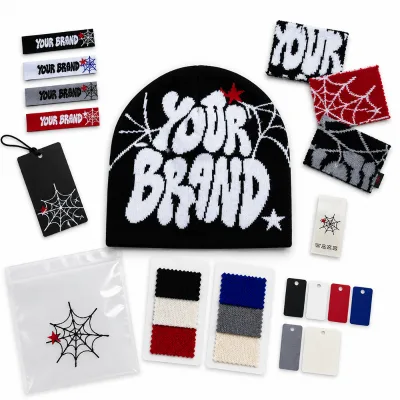
The procurement process for these beanies involves balancing customization requests with standard production efficiencies. Many suppliers offer OEM and ODM services, allowing brands to imprint unique logos or adopt specific design themes like letters or animals. However, this flexibility introduces complexity in quality control and lead time management. Buyers need to establish clear communication channels regarding design approvals and sample iterations to ensure the final product aligns with their brand identity. Understanding the balance between bespoke design elements and standardized manufacturing processes is crucial for maintaining profitability while meeting consumer expectations for high-quality, trendy headwear.
Product Scope and Observed Listing Signals
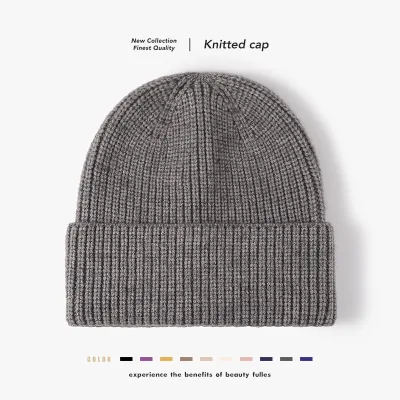
The current market for knit beanies exhibits a wide range of material compositions and design attributes that cater to diverse consumer preferences. Observed listings indicate that materials vary from 100% acrylic to blends such as polyester and cotton, each offering distinct tactile and thermal properties. Acrylic beanies are often favored for their softness and durability, while cotton blends may provide better breathability for transitional seasons. The color palette is extensive, including standard options like black, white, and gray, as well as vibrant choices such as yellow, purple, and orange. This variety allows buyers to target specific demographic segments, from those seeking neutral, versatile pieces to customers looking for bold, eye-catching accessories that stand out in casual or outdoor settings.
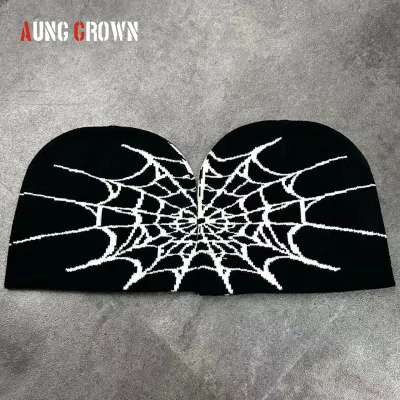
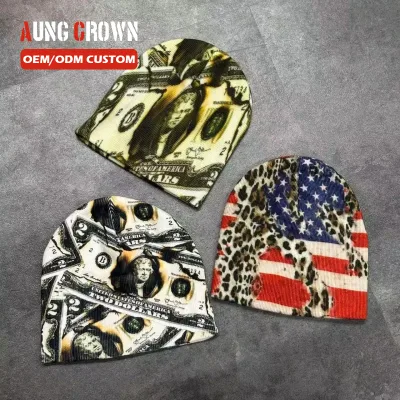
Design features further differentiate products within this category, with many items offering specialized functionalities beyond basic warmth. Attributes such as windproofing, foldability, and lightweight construction are common selling points that enhance the product's utility for outdoor sports and travel. Additionally, the presence of ear warmers and adjustable fits addresses comfort concerns for various head sizes, ranging from 46-60cm to specific measurements like 56-60cm. Some listings highlight specific patterns, including argyle, camouflage, and cartoon characters, which align with the Y2k aesthetic. Buyers should carefully review these specifications to ensure the selected beanies meet the intended use cases, whether for school, casual wear, or athletic activities, while also considering the seasonal appropriateness of the materials used.
Technical Specifications to Verify
Verifying technical specifications is critical to ensuring that the knit beanies meet both functional and aesthetic requirements. Buyers must confirm the exact material composition, as this directly impacts the product's durability, care instructions, and thermal performance. For instance, 100% acrylic beanies may require different maintenance compared to polyester-cotton blends. Additionally, the knitting technique, whether plain dyed or knitted with specific patterns, affects the texture and visual appeal. It is essential to verify the crown and brim designs, as some products are listed as having no crown or brim, which significantly alters the fit and style. Understanding these structural details helps in selecting beanies that align with the brand's design language and customer expectations for comfort and fit.
Size and fit specifications are another crucial area for verification, as inconsistent sizing can lead to high return rates. Listings may indicate adjustable fits or specific head circumference ranges, such as 48-50cm up to 60-62cm. Buyers should request detailed size charts and confirm the accuracy of these measurements through sample testing. Furthermore, the packing dimensions and weight, such as a single package size of 15x15x12 cm, impact logistics and shipping costs. Ensuring that the product standards, like width measurements of 21cm or 58cm, are clearly defined helps in maintaining consistency across large orders. These technical details must be meticulously checked to avoid discrepancies between the ordered samples and the final bulk production.
Compliance and Safety Documentation
Compliance and safety documentation are paramount when sourcing knit beanies, especially for markets with strict regulatory requirements. Buyers should ensure that suppliers provide relevant certifications, such as REACH, which indicates adherence to European chemical regulations. This is particularly important for products that may come into prolonged contact with the skin, as it ensures that harmful substances are minimized. Additionally, verifying that the materials used are free from hazardous dyes and finishes is essential for consumer safety. Buyers must request test reports or certificates of compliance from their suppliers to confirm that the beanies meet these standards. This due diligence not only protects the brand from legal liabilities but also builds trust with consumers who are increasingly conscious of product safety and environmental impact.
Beyond chemical compliance, buyers should also consider the labeling and packaging requirements of their target markets. Accurate labeling, including material composition, care instructions, and country of origin, is mandatory in many regions. Suppliers should be able to provide packaging that meets these labeling standards, ensuring that each unit is correctly identified. Furthermore, the use of sustainable or recyclable packaging materials can be a value-added feature that appeals to eco-conscious consumers. Buyers should discuss these requirements with their suppliers early in the sourcing process to avoid last-minute changes or non-compliance issues. Ensuring that all documentation is in order before production begins helps streamline the import process and reduces the risk of customs delays or rejections.
Cost Drivers and Commercial Terms
Understanding the cost drivers for knit beanies is essential for effective budgeting and pricing strategies. The primary cost factors include material selection, customization complexity, and order volume. Materials like 100% acrylic or specialized blends may have different price points compared to standard cotton blends. Customization, such as silk screen printing or digital printing of logos and designs, adds to the production cost but can significantly enhance the product's market value. Buyers should also consider the impact of design elements, such as character patterns or argyle prints, which may require additional production steps. By analyzing these cost drivers, buyers can make informed decisions about which features to prioritize to achieve the desired balance between cost efficiency and product appeal.
Commercial terms, including MOQ and lead times, play a significant role in the sourcing process. Observed MOQs range from 10 to 200 pieces, with some suppliers requiring a minimum of 50 pieces for custom orders. Lead times can vary based on the complexity of the design and the supplier's production capacity, with sample times typically ranging from 3 to 5 working days. Buyers should negotiate clear terms regarding payment schedules, shipping responsibilities, and return policies to mitigate financial risks. Additionally, understanding the supplier's production capacity and flexibility is crucial for managing inventory levels and meeting seasonal demand. By establishing robust commercial terms, buyers can ensure a smooth procurement process and maintain healthy profit margins while delivering high-quality knit beanies to their customers.
Supplier Qualification and Quality Control
Supplier qualification is a critical step in ensuring the reliability and consistency of knit beanie production. Buyers should conduct thorough due diligence to assess the supplier's manufacturing capabilities, quality control processes, and track record. This includes verifying the supplier's location, such as Hebei, China, and their experience in producing similar products. Requesting references or case studies from previous clients can provide insights into the supplier's performance and reliability. Additionally, evaluating the supplier's ability to handle OEM and ODM requests is essential for brands seeking customized designs. By selecting a qualified supplier, buyers can minimize the risk of production delays, quality issues, and communication breakdowns, ensuring a smoother sourcing experience.
Quality control measures must be implemented throughout the production process to maintain product standards. Buyers should establish clear quality criteria, including material specifications, stitching quality, and print accuracy, and communicate these to the supplier. Conducting pre-production samples and in-line inspections can help identify and address potential issues early. Final random inspections before shipment are also recommended to ensure that the bulk production meets the agreed-upon standards. Additionally, buyers should consider implementing a feedback loop with their suppliers to continuously improve quality and address any recurring issues. By prioritizing rigorous quality control, buyers can deliver consistent, high-quality knit beanies that meet customer expectations and enhance brand reputation.
Long-Term Procurement Checks
Long-term procurement checks are essential for maintaining a sustainable and efficient sourcing relationship with knit beanie suppliers. Regular performance reviews should be conducted to assess the supplier's adherence to quality standards, delivery timelines, and communication effectiveness. These reviews can help identify areas for improvement and foster a collaborative environment for problem-solving. Additionally, buyers should monitor market trends and consumer preferences to ensure that the products offered remain relevant and competitive. This may involve exploring new design themes, materials, or customization options that align with emerging trends. By staying proactive in their procurement strategy, buyers can adapt to changing market conditions and maintain a competitive edge in the knit beanie sector.
Building a resilient supply chain also involves diversifying suppliers and establishing backup options to mitigate risks. Relying on a single supplier can expose buyers to disruptions caused by production issues, logistical challenges, or geopolitical factors. By cultivating relationships with multiple qualified suppliers, buyers can ensure continuity of supply and negotiate better terms. Furthermore, investing in technology and data analytics can enhance visibility into the supply chain, allowing for more informed decision-making. Regularly updating procurement policies and procedures to reflect best practices and regulatory changes is also crucial. By implementing these long-term checks, buyers can create a robust sourcing framework that supports growth, minimizes risks, and delivers consistent value to their customers.
FAQs
What materials are used for y2k knit beanies?
These beanies are primarily made from knit materials including 100% acrylic, polyester, and cotton blends. Some specific models feature plain dyed or knitted patterns to ensure durability and comfort for winter and autumn seasons while maintaining a stylish appearance.
Can I customize the design of these beanies?
Yes, customization is available with OEM and ODM design options. Buyers can request custom printed styles using silk screen or digital printing methods. The product supports various pattern themes like characters, letters, and animals to meet specific brand requirements.
What sizes are available for adult y2k knit beanies?
Sizes range from 46cm to over 62cm in head circumference, with specific models covering 56-60cm. Adjustable options are also listed to ensure a proper fit for different adult head shapes. Standard package sizes are typically around 15x15x12 cm per unit.
Which special features do these beanies offer?
The beanies offer windproof, breathable, and lightweight features suitable for outdoor sports and casual wear. They are also washable, foldable, and include ear warmer functionality. These attributes make them ideal for winter, spring, and autumn usage across various occasions.
What is the minimum order quantity for these products?
The minimum order quantity varies between 10 and 200 pieces depending on the specific supplier and model. Some listings indicate a standard MOQ of 50 pieces for custom orders. Buyers should verify the exact requirement for their selected product model before placing an order.
How long does it take to receive samples?
Sample preparation typically takes 3 to 5 working days for custom printed beanie hats. This timeline allows for the application of digital printing or silk screen techniques on the selected materials. Buyers should confirm the exact lead time with the specific manufacturer.
Where are these y2k knit beanies manufactured?
These products originate from China, with specific manufacturing locations noted in Hebei. The goods are packed in cartons for shipping. Buyers can expect standard production standards and specifications like width measurements of 21cm or 58cm depending on the model.