Source Refined Biosaccharide Gum-1 for Cosmetics for Moisturizing, Anti-Aging, and Whitening
Find and compare refined biosaccharide gum-1 for cosmetics from 30 verified suppliers. Evaluate key attributes such as cosmetic grade purity, moisturizing and anti-aging functions, and packaging options to select the right raw material for your formulation needs.
Key considerations
Products List






Comprehensive Sourcing Guide
Refined Biosaccharide Gum-1 for Cosmetics Sourcing Guide
Sourcing refined biosaccharide gum-1 for cosmetic formulations requires a nuanced understanding of its dual nature as both a humectant and a soothing agent. This ingredient is primarily valued for its ability to provide long-lasting hydration while simultaneously reducing skin irritation. Buyers must recognize that the material is available in distinct physical forms, including liquid and powder variants, which significantly impacts handling, storage, and integration into final product matrices. The decision to source a specific grade depends heavily on the intended application, whether it is for high-end anti-aging serums, daily moisturizers, or sensitive skin care lines.
The procurement landscape for this ingredient is characterized by a wide range of supplier capabilities and product specifications. Observed market data indicates a broad price range and varying minimum order quantities, reflecting the diversity of suppliers from large-scale manufacturers to specialized intermediates. Buyers should approach this category with a clear definition of their quality requirements, as the term "refined" can encompass different levels of purity and processing. Understanding the specific functional benefits, such as moisturizing, anti-aging, and whitening properties, is essential for aligning supplier offerings with brand positioning and product efficacy claims.
Product Scope and Observed Listing Signals
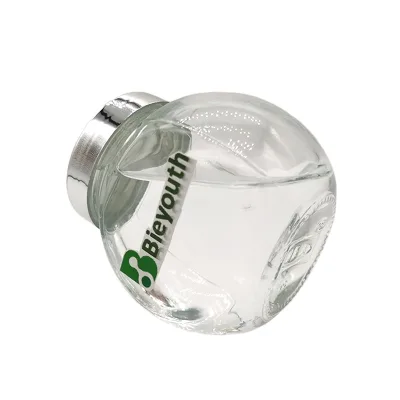
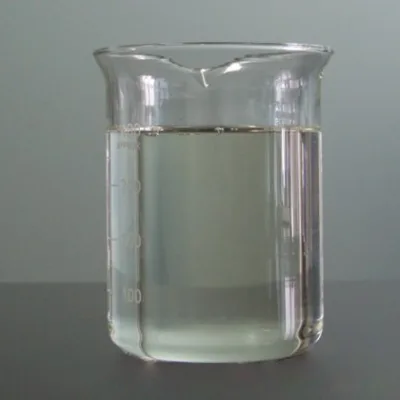
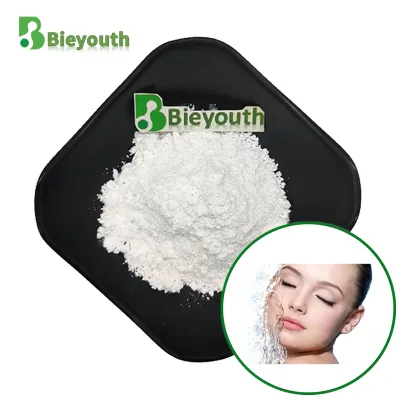
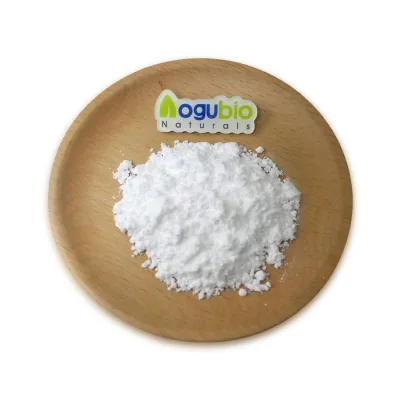
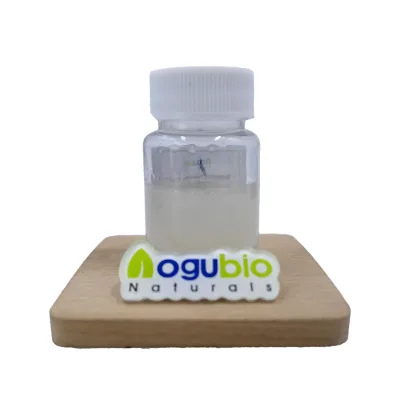
The product scope for biosaccharide gum-1 encompasses a variety of grades tailored for cosmetic applications, with observed listings highlighting both liquid and powder forms. Liquid variants are often described as colorless, offering ease of integration into clear formulations, while powder forms are typically white and refined, suitable for dry mixes or specific emulsion processes. These physical attributes are critical for formulators, as they influence the solubility and stability of the final product. Buyers should verify the exact physical state required for their manufacturing process, as switching between liquid and powder sources may necessitate adjustments in the formulation protocol.
Listing signals also reveal significant variability in packaging and customization options, which are key considerations for supply chain logistics. Suppliers offer flexible packaging solutions, including foil bags, drums, and cartons, with some providing custom packaging according to customer requirements. This flexibility allows buyers to optimize storage space and minimize handling risks, particularly for sensitive ingredients that may require refrigeration or specific environmental controls. The availability of samples is another important signal, enabling buyers to conduct preliminary compatibility and efficacy tests before committing to larger orders.
Technical Specifications to Verify
Technical verification begins with confirming the molecular weight and purity standards, which are fundamental to the ingredient's performance. Biosaccharide gum-1 typically has a molecular weight around 102.0, and buyers should insist on a purity standard of 99% or higher to ensure consistent results. The assay method, often HPLC, should be specified in the certificate of analysis to guarantee accurate quantification. Deviations in molecular weight or purity can lead to inconsistent viscosity, reduced moisturizing efficacy, or stability issues in the final cosmetic product, making these parameters non-negotiable for quality assurance.
Density and thermal properties are also critical technical specifications that affect processing and storage conditions. The density is observed to be approximately 1.4±0.1 g/cm3, and the boiling point is around 310.3±35.0 °C, while the melting point is noted at 1.24°C. These values help formulators determine the appropriate temperature ranges for mixing and processing. Buyers must verify that the supplier's technical data sheets align with these observed ranges, as significant discrepancies may indicate impurities or incorrect product identification. Additionally, the CAS number 194237-89-3 serves as a unique identifier to prevent confusion with similar polysaccharides.
Compliance and Safety Documentation
Compliance with international safety and quality standards is paramount when sourcing cosmetic ingredients. Buyers should require suppliers to provide relevant certifications, such as ISO, Halal, and Kosher, which demonstrate adherence to rigorous manufacturing and ethical standards. These certifications are not only regulatory requirements in many markets but also serve as trust signals for consumers who prioritize ethical and safe product ingredients. The absence of these certifications may limit market access or require additional validation efforts by the buyer, increasing time and cost.
Safety documentation, including Material Safety Data Sheets (MSDS) and Good Manufacturing Practice (GMP) compliance, is essential for risk management. The MSDS provides critical information on handling, storage, and emergency measures, ensuring that the ingredient is managed safely throughout the supply chain. GMP compliance indicates that the manufacturing facility follows strict quality control protocols, reducing the risk of contamination. Buyers should also verify the cosmetics approval number, such as 194237-89-3, to ensure the ingredient is registered and approved for use in the target markets.
Cost Drivers and Commercial Terms
Cost drivers for biosaccharide gum-1 include the grade of the material, packaging requirements, and order volume. The observed price range is broad, reflecting differences in purity, certification, and supplier scale. Buyers should consider the total cost of ownership, which includes shipping, handling, and potential storage costs, rather than just the unit price. Customization options, such as specific packaging sizes or private labeling, may incur additional costs but can provide significant logistical benefits. Understanding these cost drivers helps buyers negotiate better terms and align procurement strategies with budget constraints.
Commercial terms, including minimum order quantities (MOQ) and payment terms, vary significantly among suppliers. MOQs can range from 1kg to 16800kg, allowing flexibility for both small-scale startups and large manufacturers. Buyers should assess their production volume and storage capacity to determine the optimal order size. Payment terms and lead times are also critical factors, as delays can disrupt production schedules. Establishing clear commercial agreements early in the sourcing process helps mitigate risks and ensures a smooth supply chain operation.
Supplier Qualification and Quality Control
Supplier qualification involves a thorough assessment of their manufacturing capabilities, quality control systems, and track record. Buyers should verify the supplier's origin, such as Shaanxi or Jiangsu in China, and evaluate their production capacity to ensure they can meet demand. Quality control measures, including regular testing and batch-to-batch consistency, are essential for maintaining product quality. Buyers should request recent certificates of analysis (COA) and conduct independent testing if necessary to verify the supplier's claims.
Quality control extends to the entire supply chain, including storage and transportation conditions. Biosaccharide gum-1 may require specific storage conditions, such as refrigeration, to maintain stability and efficacy. Buyers should ensure that their suppliers have adequate facilities and logistics partners to preserve product integrity. Implementing a robust quality control plan, including incoming inspection and periodic audits, helps identify and address potential issues before they impact production. This proactive approach minimizes the risk of receiving substandard materials and ensures consistent product quality.
Long-Term Procurement Checks
Long-term procurement success depends on continuous monitoring of supplier performance and market trends. Buyers should establish key performance indicators (KPIs) to evaluate suppliers on quality, delivery, and responsiveness. Regular reviews and feedback loops help identify areas for improvement and strengthen the partnership. Additionally, staying informed about regulatory changes and emerging technologies in the cosmetic industry allows buyers to adapt their sourcing strategies and maintain a competitive edge.
Building a diversified supplier base is a critical risk mitigation strategy. Relying on a single supplier can expose buyers to supply disruptions, price volatility, and quality issues. By qualifying multiple suppliers, buyers can ensure continuity of supply and leverage competition to secure better terms. Long-term contracts with clear quality and service expectations can provide stability, while maintaining flexibility to switch suppliers if necessary. This balanced approach ensures resilience and sustainability in the procurement of biosaccharide gum-1 for cosmetics.
FAQs
What is the appearance of refined biosaccharide gum-1?
The product appears as a colorless liquid or white powder depending on the specific batch. It is classified as a cosmetic grade synthesis material intermediate suitable for moisturizing and anti-aging applications in various cosmetic formulations.
Which certifications are available for this ingredient?
Certifications include Halal, ISO, Kosher, GMP, and MSDS. These documents verify the quality and safety standards required for cosmetic raw materials, ensuring compliance with international regulations for skin care products.
How is the product packed for shipment?
Packaging options include foil bags, drums, cartons, and bottles. Specific configurations range from 1kg bags to 25kg drums, with custom packing available according to customer requirements for bulk or sample orders.
What is the minimum order quantity for this item?
The minimum order quantity is typically 1kg or 2kg depending on the specific supplier listing. Some vendors offer samples, while larger orders may require quantities up to 16800 units based on the selected packaging.
Where is the product origin located?
The product originates from Shaanxi or Jiangsu in China. These regions are known for producing high-quality cosmetic grade intermediates that meet the specified purity standards and functional requirements for skin care applications.
Can the product be customized for specific needs?
Yes, customization is available for packaging and specific product requirements. Buyers can request tailored solutions for their cosmetic formulations while maintaining the core functional properties like moisturizing, whitening, and anti-wrinkle effects.