Source Natural Flavor Terpineol for Food, Pharma, and Cosmetics
Find 30 verified Natural Flavor Terpineol options sourced from China. Compare CAS 8007-08-7 and 8000-41-7 variants, including dihydroterpineol and eugenol. Evaluate food, pharma, and chemical grades with OEM support and bulk drum packaging for daily-use and industrial applications; compare the available evidence and request quotations based on your requirements.
Key considerations
Products List


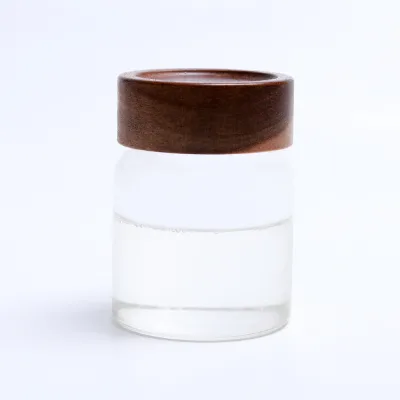


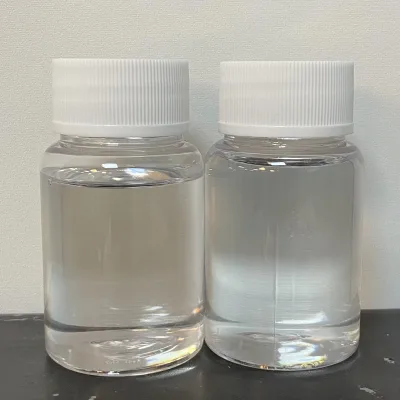


High Purity 99% Trans-Anethole, Natural Food Grade for Flavoring, Fragrance Use
$10.00 - $100.00
MOQ: 1 kg

Comprehensive Sourcing Guide
Natural Flavor Terpineol Sourcing Guide
Sourcing Natural Flavor Terpineol requires a disciplined approach to verifying chemical identity and supply chain transparency. Buyers must distinguish between synthetic and natural origins, as the supplied facts indicate a "Natural Flavor" type derived from "Plants Oil" and "Resin" via "Distillation." This distinction is critical for regulatory compliance in food and cosmetic applications. The observed product range includes specific variants such as Dihydroterpineol and Eugenol, each with distinct CAS numbers like 8000-41-7 and 97-53-0. Procurement teams should map these identifiers to their specific formulation needs to avoid substitution errors that could compromise product integrity or safety profiles.
Commercial availability signals a diverse market with significant customization options. The observed listing data reveals a wide price range from 1 to 7,000 USD and MOQs spanning 1 to 1,000 units, reflecting the flexibility of OEM/ODM suppliers. Many providers offer customized packaging, including bulk drums and smaller bags, to suit varying production scales. Buyers should leverage this flexibility to align order quantities with their inventory turnover rates. However, the variance in pricing and minimums necessitates careful comparison of total landed costs, including logistics and handling fees, rather than focusing solely on the unit price quoted by potential suppliers.
Product Scope and Observed Listing Signals
The product scope encompasses a variety of terpineol-related chemicals, primarily identified by their CAS numbers and specific model codes such as SZY, syc, and CYC. Listings frequently describe the material as a "colorless or yellow thick liquid" or "light yellow to brown," indicating variations in purity or processing methods. The "Refined" quality grade and "99%" or "99% min" purity standards are common assertions in the market. Buyers must verify these claims through independent laboratory analysis, as visual appearance alone is insufficient to confirm chemical composition. The presence of "Daily Chemicial Material" and "Industry" applications suggests versatility, but specific use cases must be validated against regulatory guidelines for each target market.
Packaging and storage conditions are pivotal for maintaining product stability during transit and storage. Common packaging formats include 1kg, 5kg, 10kg, 25kg, and larger drums of 180kg or 200kg, often constructed from galvanized steel or plastic. The "Normal" storage method is typically recommended, but buyers should confirm specific temperature and humidity requirements to prevent degradation. The "24 Months" shelf life observed in listings provides a baseline for inventory planning, yet actual stability may vary based on packaging integrity and environmental conditions. Procurement teams should prioritize suppliers who provide robust packaging solutions to minimize the risk of contamination or leakage during international shipping.
Technical Specifications to Verify
Technical verification begins with confirming the CAS number and molecular identity of the terpineol variant being procured. The supplied facts highlight CAS 8000-41-7 for Terpineol and CAS 498-81-7 for Dihydroterpineol, among others. Buyers must ensure that the supplier’s documentation matches the exact isomer or compound required for their formulation. Discrepancies in CAS numbers can lead to significant quality issues, as different isomers possess distinct olfactory and chemical properties. Additionally, the "Grade Separation" into Food, Pharma, and Chemical grades dictates the permissible impurity levels and testing protocols. Procurement teams should request detailed Certificates of Analysis (CoA) that explicitly state the grade and corresponding purity thresholds.
Physical and chemical properties must be rigorously tested to ensure consistency across batches. Key parameters include color, odor, density, and refractive index, which should align with the "colorless or yellow thick liquid" standard described in listings. The "Distillation" method of production suggests a high degree of purity, but residual solvents or byproducts must be quantified. Buyers should establish acceptance criteria for these parameters in their purchase agreements. Furthermore, the "Customization" availability allows for tailored specifications, but any deviations from standard grades require explicit agreement on testing methods and acceptance limits to prevent disputes during quality audits.
Compliance and Safety Documentation
Regulatory compliance is non-negotiable when sourcing Natural Flavor Terpineol, particularly for food and cosmetic applications. Buyers must verify that the supplier holds relevant certifications, such as ISO, which indicates adherence to quality management standards. However, certification alone does not guarantee product safety; specific regulatory approvals for the target market, such as FDA or EFSA compliance, must be confirmed. The "Natural" source claim requires substantiation through supply chain documentation that traces the raw materials back to their botanical origins. Procurement teams should request full ingredient disclosures and safety data sheets (SDS) to assess potential allergens or hazardous substances.
Safety documentation must also address the handling and transportation of the chemical. The SDS should provide clear instructions for storage, spill response, and personal protective equipment (PPE). Given the "Industry" and "Daily-use Chemical" applications, the product may have specific flammability or toxicity profiles that need to be communicated to downstream users. Buyers should ensure that the supplier’s documentation is up-to-date and compliant with local regulations in both the origin country, such as China, and the destination market. Regular audits of safety documentation can help mitigate risks associated with regulatory changes or updates in chemical safety standards.
Cost Drivers and Commercial Terms
Cost structures for terpineol are influenced by raw material availability, production methods, and packaging requirements. The "Plants Oil" and "Resin" sources are subject to seasonal and geopolitical fluctuations, which can impact pricing. The observed price range of 1 to 7,000 USD reflects these variables, as well as the level of customization and purity required. Buyers should analyze the cost breakdown to understand the proportion attributed to raw materials versus processing and packaging. Negotiating long-term contracts can help stabilize costs, but buyers must remain vigilant against sudden price spikes due to supply chain disruptions or increased demand in competing sectors.
Commercial terms, including MOQs and lead times, play a crucial role in total cost of ownership. The observed MOQs of 1 to 1,000 units offer flexibility, but larger orders may yield better unit prices. Lead times of 2-5 working days suggest efficient production capabilities, but buyers should account for shipping and customs clearance durations. Payment terms, such as letters of credit or advance payments, should be negotiated to balance risk and cash flow. Additionally, buyers should consider the costs associated with quality control inspections and potential returns, which can significantly impact the overall profitability of the procurement process.
Supplier Qualification and Quality Control
Supplier qualification involves a thorough assessment of manufacturing capabilities, quality management systems, and financial stability. Buyers should prioritize suppliers with a proven track record in producing Natural Flavor Terpineol, as evidenced by their certifications and client references. The "OEM/ODM" supply type indicates flexibility, but buyers must ensure that the supplier has the technical expertise to meet specific formulation requirements. On-site audits or third-party inspections can verify the integrity of the production environment and the accuracy of quality control procedures. This due diligence helps mitigate the risk of receiving substandard products or facing supply chain disruptions.
Quality control protocols must be clearly defined and consistently enforced throughout the supply chain. Buyers should establish a robust incoming inspection process that includes sampling and testing against agreed-upon specifications. The "99%" purity standard and other technical parameters should be verified using accredited laboratory methods. Regular performance reviews of suppliers, based on metrics such as defect rates and delivery reliability, can help identify areas for improvement. Additionally, buyers should maintain open communication channels with suppliers to address any quality issues promptly and collaboratively, fostering a partnership that prioritizes continuous improvement and mutual success.
Long-Term Procurement Checks
Long-term procurement success depends on continuous monitoring of market trends and regulatory developments. Buyers should stay informed about changes in raw material availability, production technologies, and consumer preferences that may impact the terpineol market. Regularly reviewing supplier performance and market pricing can help identify opportunities for cost savings or alternative sourcing strategies. Additionally, buyers should assess the sustainability practices of their suppliers, as environmental and social governance criteria are increasingly important to stakeholders. This proactive approach ensures that the procurement strategy remains aligned with business objectives and regulatory requirements over time.
Building resilient supply chains requires diversification and risk management strategies. Buyers should consider qualifying multiple suppliers to reduce dependency on a single source and mitigate the impact of potential disruptions. Regularly updating risk assessments and contingency plans can help address emerging threats, such as geopolitical instability or natural disasters. Furthermore, fostering strong relationships with suppliers through collaborative planning and shared goals can enhance supply chain visibility and responsiveness. By implementing these long-term checks, buyers can ensure a stable, cost-effective, and compliant supply of Natural Flavor Terpineol for their operations.
FAQs
What is the shelf life of Natural Flavor Terpineol?
The shelf life of Natural Flavor Terpineol is 24 months when stored properly. This duration applies to the liquid state product derived from plants oil via distillation. Buyers should ensure storage methods remain normal to maintain the 24-month validity period for general applications.
Which grades of terpineol are available for purchase?
Available grades include Food Grade, Pharma Grade, and Chemical Grade options. These distinctions allow buyers to select the appropriate purity level for specific applications ranging from daily-use chemicals to industrial uses. The product originates from China and meets standard quality requirements.
Can I request custom packaging for terpineol orders?
Yes, customization is available for packaging requirements. Options include 1kg bags, 25kg drums, or bulk galvanized steel drums up to 200kg. Buyers can specify customized packaging solutions to fit their logistical needs while maintaining the standard product quality and delivery timelines.
What is the lead time for Natural Flavor Terpineol delivery?
The delivery time for Natural Flavor Terpineol is typically 2 to 5 working days. This rapid turnaround supports urgent sourcing needs for general applications. Buyers should note that specific lead times may vary slightly based on order volume and current stock availability from Jiangsu, China.
How is Natural Flavor Terpineol typically packaged for shipment?
The product is commonly packaged in 1kg, 5kg, 10kg, 25kg, or 180kg galvanized steel drums. Some variations offer 200kg drums or 25kg drums depending on the specific model. Bulk packaging options are also available to accommodate large-scale industrial requirements efficiently.
Is OEM service available for Natural Flavor Terpineol?
OEM and ODM supply types are acceptable for this product. Manufacturers support customization needs for brands requiring specific formulations or branding. This service allows buyers to source tailored solutions while maintaining the high-quality standards associated with Natural Flavor Terpineol derived from plants oil.
What is the minimum order quantity for terpineol?
The minimum order quantity ranges from 1 to 1000 units depending on the supplier and specific product model. Buyers can find options starting from small 1kg packages up to larger bulk orders. This flexibility accommodates both trial orders and large-scale industrial procurement needs effectively.