Source Reusable Ecofriendly Wine Stopper for Bars, Hotels, and Homes
Explore 30 options for a reusable ecofriendly wine stopper designed for bars, hotels, and homes. Compare metal and silicone models with custom logos, silver or gold finishes, and LFGB-certified materials to find the best fit for your inventory needs; compare the available evidence and request quotations based on your requirements.
Key considerations
Products List




Comprehensive Sourcing Guide
Reusable Ecofriendly Wine Stopper Sourcing Guide
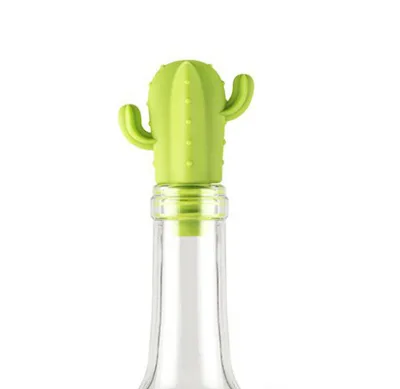
Buyers evaluating reusable ecofriendly wine stoppers must first distinguish between metal and silicone constructions, as the supplied data indicates both material types are available in the market. Metal options often feature a silver or gold finish with a round shape, while silicone variants may present irregular shapes and are explicitly marketed as food-grade materials. This material divergence dictates the appropriate application environment, with metal stoppers frequently cited for bar and hotel use, whereas silicone versions are highlighted for their flexibility and direct food contact safety.
The sourcing landscape reveals a significant variation in customization capabilities, with many listings offering customer logos and tailored dimensions. While some products are stocked with standard sizes like 6.5 by 4.5 centimeters, others allow for fully customized dimensions to fit specific bottle necks. Procurement teams should verify whether the "sustainable" attribute refers to the material composition or the packaging method, as some listings specify OPP bags while others use white boxes or poly bags, which impacts the overall environmental footprint of the delivered order.
Product Scope and Observed Listing Signals
The observed product range spans from basic bottle stoppers to specialized wine fresh keepers, with price points fluctuating between 0.07 and 2.67 USD per unit. This wide price band suggests that factors such as material quality, branding complexity, and packaging sophistication drive the final cost rather than the core function of sealing a bottle. Buyers should note that the minimum order quantity varies drastically from 10 pieces to 5000 units, requiring careful alignment with inventory needs and budget constraints before engaging with a supplier.
Listing signals indicate that these items are marketed for diverse occasions, including festivals, daily home use, and commercial restaurant settings. The presence of "customized" as a primary attribute across multiple entries suggests that branding is a critical value driver for this category. However, the inconsistency in shape descriptions, ranging from round to irregular, implies that buyers must explicitly define their geometric requirements to avoid receiving products that do not match their visual or functional expectations for the final retail presentation.
Technical Specifications to Verify
Verification of physical dimensions is critical, as the data shows conflicting size specifications ranging from 6.5 by 4.5 centimeters to 9 centimeters or fully custom measurements. Buyers must confirm the exact diameter and height required for their specific bottle necks, as a mismatch can render the stopper ineffective regardless of its material quality. The single package size of 20 by 15 by 10 centimeters for some units indicates that bulk shipping calculations must account for the individual packaging volume, which can significantly impact logistics costs for large orders.
Material composition requires strict validation, particularly when distinguishing between metal and silicone options for food safety. While some listings explicitly state "Food Great Silicone," others simply list "Metal" without specifying the alloy or coating, which could affect durability and taste neutrality. The feature of being "sustainable" should be cross-referenced with the actual material properties, ensuring that the product does not degrade quickly or leach substances, especially since the usage context includes direct contact with wine in bars and homes.
Compliance and Safety Documentation
Compliance verification should prioritize the LFGB certification, which is explicitly mentioned in the high-confidence facts and is essential for products intended for food contact in European markets. While other standards like ISO 9001, RoHS, and REACH appear in background data, they should not be assumed as present without direct supplier confirmation. Buyers must request current test reports to validate that the metal or silicone materials meet the specific migration limits required for food-grade applications, ensuring the product is safe for repeated use with consumables.
Documentation regarding the "customized" nature of the product must include proof that any added logos or colors do not compromise the food safety of the item. Since the usage extends to hotels and restaurants, the supplier must demonstrate that the printing inks or surface treatments used for branding are non-toxic and durable. Procurement teams should also verify the origin of the goods, as the data points to Guangdong, China, and general China origins, which may influence the specific regulatory pathways required for import into different regions.
Cost Drivers and Commercial Terms
The commercial terms are heavily influenced by the level of customization, with sample times of seven days and MOQs starting as low as 10 pieces for some suppliers. Higher customization levels, such as specific logo placements or unique shapes, will likely increase the unit price and extend the lead time beyond the standard sample period. Buyers should anticipate that the "customized size" option may carry a premium over standard stock items, and this cost differential must be factored into the total landed cost calculation before finalizing the order volume.
Pricing structures vary significantly, with observed ranges suggesting that volume discounts are a key lever for reducing the per-unit cost. The minimum order quantity of 10 pieces allows for small trial runs, but larger orders up to 5000 units may unlock better pricing tiers. Procurement teams must clarify whether the quoted price includes the specific packaging details, such as OPP bags or white boxes, as these can add hidden costs that are not immediately apparent in the base product price listed on the platform.
Supplier Qualification and Quality Control
Supplier qualification should focus on their ability to manage the "customized" aspect of the order without compromising the structural integrity of the stopper. Given the variation in shapes and materials, the supplier must demonstrate a robust quality control process that checks for defects in both the metal plating and the silicone molding. Buyers should request photos of previous production runs for similar custom orders to verify that the supplier can consistently deliver the specified color, shape, and logo quality.
Quality control protocols must also address the packaging consistency, as the data lists multiple packing methods including OPP bags, poly bags, and white boxes. Inconsistent packaging can lead to product damage during transit, particularly for the metal stoppers which may scratch or dent if not properly cushioned. Establishing a clear acceptance criteria for the final product, including checks for logo alignment and material finish, is essential to ensure that the delivered goods meet the buyer's standards for retail or commercial distribution.
Long-Term Procurement Checks
Long-term procurement success depends on the supplier's ability to maintain consistent quality across multiple production batches, especially when dealing with customized designs. Buyers should implement a system for periodic re-verification of the LFGB certification and material safety, as formulations or manufacturing processes can change over time without immediate notification. Regular audits or sample testing of new batches will help ensure that the "sustainable" and "food-grade" claims remain valid throughout the duration of the supply agreement.
Building a resilient supply chain requires monitoring the supplier's lead times and capacity to handle fluctuating demand, particularly for items with custom specifications. The observed sample time of seven days is a baseline, but bulk production lead times may vary based on the complexity of the customization and the current order volume. Establishing clear communication channels and contingency plans for potential delays will help mitigate risks associated with the "customized" nature of the product, ensuring that inventory levels remain stable for ongoing bar, hotel, or retail operations.
FAQs
What materials are used for these wine stoppers?
The products are primarily made from metal and food-grade silicone. The metal variants offer a durable, silver or gold finish suitable for bar use. The silicone options provide a flexible seal to keep wine fresh. Both materials are selected for their sustainability and ability to withstand repeated use without degrading.
Can I customize the logo on the wine stopper?
Yes, customized logos are acceptable for these bottle stoppers. Buyers can request specific branding to be applied to the metal or silicone surface. This customization service allows for unique corporate gifts or retail packaging. The supplier supports tailored designs to meet specific marketing or promotional needs for bars and hotels.
What is the minimum order quantity for these items?
The minimum order quantity starts at 10 pieces. This low MOQ allows buyers to test the product quality before committing to larger volumes. The supplier accommodates small batch orders for initial market entry. Higher quantities may unlock better pricing tiers, but the entry point remains accessible for small businesses and individual retailers.
How long does it take to receive a sample?
The sample time is approximately 7 days. This quick turnaround allows buyers to evaluate the product quality and fit before placing a bulk order. The samples are typically packed in OPP bags or white boxes for protection. This efficient process supports rapid decision-making for sourcing teams evaluating potential suppliers.
Are these wine stoppers suitable for commercial bar use?
Yes, these stoppers are designed for bar, hotel, and restaurant usage. The metal construction ensures durability under frequent handling. The secure fit helps preserve wine quality in high-volume settings. Their stylish appearance also makes them suitable for decorative purposes in upscale establishments, combining functionality with aesthetic appeal for professional environments.
What certifications do these products hold?
The products hold LFGB certification, ensuring they meet strict food safety standards. This certification is crucial for items that come into direct contact with beverages. It guarantees that the materials used are safe for repeated use with wine. Buyers can trust the compliance of these stoppers for export to markets requiring rigorous food-grade verification.