Source Reusable Foldable Wine Tote Bag for Shopping, Gifts, and Promotions
Find and compare 30 options for a Reusable Foldable Wine Tote Bag suitable for shopping, gifting, and promotional events. Evaluate materials like non-woven and canvas, customization features, and supplier specifications to select the ideal packaging solution for your business needs.
Key considerations
Products List


Promotional Custom Eco Friendly Non-Woven Fabric Reusable 4 Bottle Wine Carry Bag
$0.28 - $0.48
MOQ: 2000 Pieces

Wholesale Promotional Non Woven Reusable Single One Bottle Wine Carry Bags
$0.28 - $0.48
MOQ: 2000 Pieces


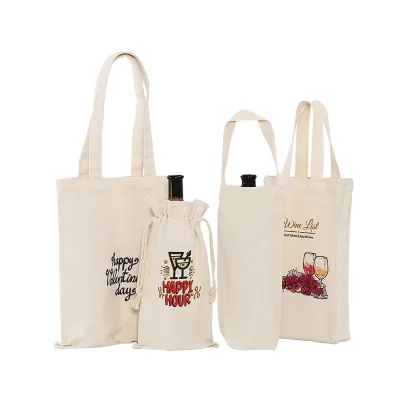

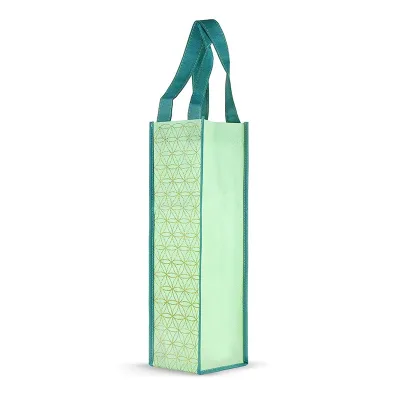
Directly Factory Customized Own Design Non Woven 6 Bottle Wine Tote Bag
$0.12 - $0.62
MOQ: 1000 pieces


Custom Logo Folding Style Black Reusable Non-Woven Fabric Wine Tote Bag
$0.09 - $0.19
MOQ: 1000 pieces


Comprehensive Sourcing Guide
Reusable Foldable Wine Tote Bag Sourcing Guide
Sourcing reusable wine tote bags requires a careful balance between aesthetic appeal, structural integrity, and material sustainability. Buyers must navigate a market where "reusable" is often used loosely, ranging from single-use non-woven carriers to durable canvas or woven polypropylene options designed for multiple trips. The core keyword highlights a specific niche: bags that are not only functional for carrying wine bottles but also compact enough to fold for storage or promotional distribution. This dual requirement demands suppliers who can engineer collapsible structures without compromising the bag's ability to hold the weight and shape of glass bottles. Procurement teams should prioritize vendors who demonstrate expertise in both fabric selection and structural design, ensuring the final product meets the rigorous demands of retail gifting and promotional campaigns.
The procurement landscape for these items is characterized by a wide variance in material composition and manufacturing techniques. While some listings emphasize eco-friendly credentials through bio-based or compostable materials, others focus on cost-efficiency and durability using traditional synthetic fabrics. Buyers must clearly define their priority: is the bag intended for a one-time promotional giveaway where cost per unit is paramount, or is it a premium gift item where brand perception and longevity are critical? Understanding this distinction early in the sourcing process will guide decisions regarding material thickness, handle reinforcement, and printing methods. It is essential to align the product specifications with the intended use case to avoid over-engineering for low-value items or under-specifying for high-end corporate gifts.
Product Scope and Observed Listing Signals
The current market offers a diverse array of wine tote bags, with observed product models such as SU-WINE-01, SU-WINE-02, and SU-WBG-001 indicating a standardized yet customizable product range. Listings frequently highlight materials like non-woven fabric, canvas, and PP woven or non-woven blends, each offering distinct advantages in terms of texture, durability, and environmental impact. Non-woven options are often preferred for their balance of cost and stiffness, making them suitable for structured wine carriers, while canvas options provide a more premium, tactile experience. Buyers should note that while some products are labeled as waterproof, others are explicitly not, which is a critical differentiator for bags intended for outdoor events or humid environments. The presence of patterned designs and customized colors further expands the scope, allowing for extensive brand integration.
Observed listing signals also reveal significant variability in packaging and logistics specifications. Products are typically packed in bulk, with common configurations including 100 pieces per carton, which impacts shipping efficiency and storage requirements. The origin of these goods is predominantly China, with specific manufacturing hubs like Wenzhou emerging as key production centers. This geographic concentration suggests a mature supply chain with established expertise in bag manufacturing, but it also necessitates careful logistics planning to manage lead times and freight costs. Buyers should pay attention to the "leisure" style and "hand-held" type attributes, which suggest a focus on casual, everyday use rather than heavy-duty industrial applications. These signals help narrow down the supplier pool to those who specialize in consumer-facing promotional goods rather than industrial packaging.
Technical Specifications to Verify
When evaluating technical specifications, the material composition is the primary factor determining the bag's performance and sustainability profile. Buyers must verify whether the material is pure non-woven, canvas, or a blend such as PP/PLA/RPET, as each has different implications for durability and end-of-life disposal. For instance, PLA and RPET components indicate a move toward bio-based and recycled content, which may be required for brands with strict ESG goals. The hardness of the material, often described as "medium soft," affects how well the bag maintains its shape when loaded with wine bottles. Buyers should request physical samples to assess the stiffness and tear resistance, as these properties are not always evident from product descriptions alone. Additionally, the weight of the bag, typically under 0.5 kg, is a crucial factor for shipping costs and user convenience, especially for foldable designs.
Printing and surface handling techniques are equally critical for brand visibility and product longevity. Common processes include laminating, hot stamping, screen printing, offset printing, and heat transfer, each offering different levels of durability and visual impact. Laminating, for example, can enhance waterproofing and color vibrancy, while hot stamping adds a premium metallic finish. Buyers must verify the compatibility of the printing method with the chosen material, as some inks or foils may not adhere well to certain fabrics. The availability of customized logo printing and graphic design support, including PSD, PDF, AI, and Pantone files, is a standard expectation, but the quality of the final print must be confirmed through pre-production proofs. Furthermore, the manufacturing process, whether manual sewing or ultrasonic welding, impacts the seam strength and overall aesthetic, with ultrasonic welding often providing a cleaner, more modern look without thread holes.
Compliance and Safety Documentation
Compliance and safety documentation are essential for mitigating risk, particularly when the bags are intended for use in regions with strict environmental and chemical regulations. Certifications such as Sedex and TUV are observed in the market, indicating that some suppliers adhere to ethical labor practices and quality management standards. Buyers should request these certificates to verify the supplier's commitment to social responsibility and product safety. Additionally, the claim of "eco-friendly, bio-based & compostable, biodegradable" attributes requires substantiation through recognized standards. Buyers must ask for specific test reports or certifications that validate these claims, as generic marketing terms can be misleading. Without proper documentation, brands risk greenwashing accusations and regulatory penalties, especially in markets like the European Union where packaging waste directives are stringent.
Safety factors and quality control procedures are also critical components of the compliance framework. The mention of a "safety factor" suggests that the bags are designed to withstand certain loads without failure, but buyers should clarify the specific load-bearing capacity and testing methods used. A 100% manual inspection is listed as a standard quality control measure, which is a positive indicator for catching defects before shipment. However, buyers should also inquire about the supplier's internal quality management systems and whether they conduct random sampling or statistical process control. For bags intended for food or cosmetic use, additional compliance with food-grade standards may be necessary, although this is less common for wine tote bags. Ensuring that all documentation is up-to-date and verifiable is a key step in protecting the brand's reputation and ensuring legal compliance.
Cost Drivers and Commercial Terms
Cost drivers for reusable wine tote bags are primarily influenced by material selection, printing complexity, and order volume. The observed price range of $0.02 to $2.6 USD reflects the vast difference between basic non-woven bags and premium canvas or eco-friendly options with complex printing. Buyers should understand that higher MOQs, such as the observed range of 100 to 5000 pieces, often correlate with lower unit costs, but the minimum order quantity of 2000 pieces noted in some listings may be a barrier for smaller buyers. Customization options, including logo printing, custom colors, and unique shapes, add to the cost due to setup fees and material waste. Buyers must carefully balance their budget constraints with their branding needs, considering whether the added cost of premium features justifies the potential increase in brand value.
Commercial terms, including lead times and payment conditions, are significant factors in the procurement process. The typical delivery time of 30 days is a standard benchmark, but buyers should confirm whether this includes sample approval, production, and shipping. Delays in sample approval or changes to design specifications can extend lead times, impacting launch schedules. Packaging specifications, such as bulk packing in cartons, affect shipping efficiency and costs, so buyers should optimize carton dimensions to maximize container space. Additionally, the acceptance of custom orders and customized sizes allows for flexibility but may incur additional tooling or setup costs. Buyers should negotiate clear terms regarding penalties for late delivery and quality issues to protect their interests and ensure a smooth procurement experience.
Supplier Qualification and Quality Control
Supplier qualification is a critical step in ensuring the reliability and consistency of the supply chain. Buyers should prioritize suppliers who have a proven track record in producing wine tote bags and who demonstrate expertise in the specific materials and printing techniques required. The observation that suppliers are located in Wenzhou, China, suggests a concentration of manufacturing capability, but buyers should verify the supplier's production capacity and ability to handle large orders. Requesting references from previous clients and conducting factory audits can provide valuable insights into the supplier's operational efficiency and quality management practices. Suppliers who offer comprehensive customization services, including graphic design support, are often more flexible and easier to work with, reducing the risk of miscommunication and errors.
Quality control procedures must be rigorously defined and enforced to ensure that the final product meets the buyer's standards. The 100% manual inspection mentioned in the listings is a good starting point, but buyers should also establish clear acceptance criteria for defects, such as stitching errors, printing misalignments, or material flaws. Implementing a pre-production sample approval process is essential to catch any issues before mass production begins. Buyers should also consider hiring third-party inspection services to conduct random checks during production and before shipment, providing an additional layer of quality assurance. Clear communication of quality expectations and regular feedback loops with the supplier can help maintain high standards and build a long-term partnership based on trust and mutual success.
Long-Term Procurement Checks
Long-term procurement success depends on continuous monitoring of supplier performance and market trends. Buyers should establish key performance indicators (KPIs) to track metrics such as on-time delivery, defect rates, and responsiveness to issues. Regular reviews of these metrics can help identify potential problems early and allow for corrective actions to be taken. Additionally, staying informed about changes in material regulations and sustainability standards is crucial for maintaining compliance and meeting evolving consumer expectations. Buyers should periodically reassess their supplier base to ensure they are leveraging the best available options in terms of cost, quality, and innovation. Building a diversified supplier base can also mitigate risks associated with single-source dependencies and supply chain disruptions.
Sustainability and ethical sourcing are increasingly important factors in long-term procurement strategies. Buyers should regularly audit their suppliers' compliance with environmental and social standards, ensuring that their supply chain aligns with their corporate values. Engaging with suppliers who are committed to continuous improvement in these areas can enhance brand reputation and customer loyalty. Furthermore, exploring opportunities for collaboration on new product development, such as innovative materials or designs, can provide a competitive edge in the market. By maintaining a proactive and strategic approach to supplier management, buyers can ensure a resilient and sustainable supply chain that supports their long-term business goals.
FAQs
Can I customize the logo and pattern on the wine tote bag?
Yes, customization is available for logos and patterns. You can provide PSD, PDF, AI, or Pantone files for printing. The bags support various printing processes including screen printing, offset printing, heat transfer, and laminating. This allows for tailored branding suitable for promotions, gifts, or retail packaging.
What materials are used for these reusable wine tote bags?
The bags are made from non-woven fabric, canvas, or PP woven materials. Some options utilize eco-friendly raw materials like PP, PLA, RPET, or non-woven fabric. These materials ensure durability while offering different textures and weights, with some variants being waterproof and others designed for a softer, medium-soft feel.
What is the typical lead time for production?
The usual delivery time is approximately 30 days. This timeline applies to standard production runs for shopping, gift, or wine bags. Buyers should account for this duration when planning promotional campaigns or retail inventory. Custom orders may require additional time depending on the complexity of the design and quantity ordered.
Are these bags suitable for promotional events?
Yes, these bags are specifically designed for promotion and advertising. They feature customizable colors, logos, and patterns to enhance brand visibility. The leisure style and hand-held design make them practical for shopping, supermarket retail, and business use. They serve as effective marketing tools for various industrial applications.
What certifications do the suppliers hold?
Suppliers may hold Sedex and TUV certifications. These credentials indicate adherence to specific social and quality standards. Buyers can verify these certifications during the sourcing process to ensure compliance with international requirements. The products also emphasize eco-friendly, bio-based, and compostable features where applicable.
What is the minimum order quantity for these bags?
The minimum order quantity typically ranges from 100 to 5000 pieces, with some specific listings requiring 2000 units. Bulk packing is standard, often containing 100 pieces per carton. Buyers can negotiate MOQs based on their specific needs and the chosen material or customization level.