Source Rock Wool Lamella Wall Panel for Hotels, Houses, and Walls
Compare 30 Rock Wool Lamella Wall Panel options from verified Chinese manufacturers. Buyers can evaluate specifications like fireproof ratings, thermal conductivity, and customization availability for hotel, house, and wall applications; compare the available evidence and request quotations based on your requirements.
Key considerations
Products List
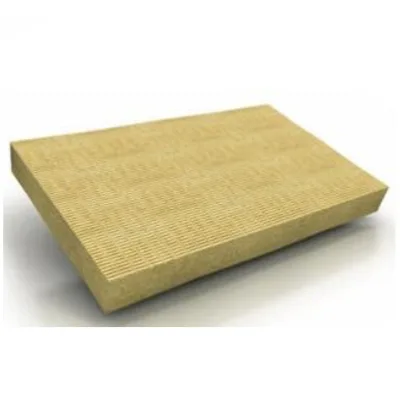


Prefabricated Rock Wool Panel Sandwich/Rockwool Panel/ Rock Wool Wall Panel
$10.00 - $22.00
MOQ: 100 Square Meters


Soundproof Thermal Insulation Sandwich Panel Rock Wool Lamella Rockwool Strip
$2.49 - $2.79
MOQ: 1000 Square Meters


$2.45 - $2.75
MOQ: 1000 Square Meters

Rockwool Fireproof Sound Thermal Insulation Sandwich Panel Wall Rock Wool Board Rockwool
$2.32 - $2.60
MOQ: 2000 Square Meters

Soundproof Rock Wool Insulation Fireproof Decorative Panel Wall Mineral Wool Board Rockwool
$2.32 - $2.60
MOQ: 2000 Square Meters

Best Seller Building Material Wall Panel Rock Wool Board Panel Customize Available
$2.21 - $2.78
MOQ: 1000 Square Meters


Insulation and Fireproof Rockwool/Rock Wool Wall Sandwich Panels
$8.80 - $32.20
MOQ: 100 Square Meters


Rock Wool/PU+Rock Wool/Mineral Wool/Glass Wool Wall Panel Sandwich Panels for Walls
$9.00 - $15.00
MOQ: 100 Square Meters


Premium Quality Rock Wool Sandwich Wall Panel for Stronger Structures
$9.00 - $16.00
MOQ: 500 Square Meters

Rockwool Sandwich Wall Panel with Fireproof and Insulation Features
$9.00 - $16.00
MOQ: 500 Square Meters
Comprehensive Sourcing Guide
Rock Wool Lamella Wall Panel Sourcing Guide
Procuring rock wool lamella wall panels requires a clear understanding of the distinction between standard mineral wool insulation and specialized structural sandwich panels. The core keyword often intersects with broader categories like "rock wool insulation blanket" and "sandwich panel," leading to potential confusion in supplier listings. Buyers must verify whether the product is a loose-fill insulation material or a pre-fabricated composite panel with metal facings. The observed market data indicates a wide range of product types, from basic insulation blankets to complex wall systems with specific thicknesses and metal sheet gauges.
This guide focuses on the structural and thermal performance aspects of rock wool-based wall systems, particularly those marketed for industrial and commercial applications. It is essential to distinguish between the raw material properties and the final assembled product specifications. Suppliers may list "rock wool insulation blanket" as the product name while offering sandwich panel solutions, requiring careful scrutiny of the model numbers and material descriptions. Understanding this nuance ensures that procurement teams align their technical requirements with the correct product category, avoiding mismatches in installation methods and structural integrity.
Product Scope and Observed Listing Signals
The observed product listings reveal a diverse range of offerings under the rock wool category, including items labeled as "mineral wool insulation" and "sandwich panels." Key attributes such as "Light Weight," "Fireproof," and "Environmental" are frequently highlighted, indicating a focus on performance benefits rather than just material composition. The presence of "Prepainted" surface finishes and specific metal sheet thicknesses ranging from 0.4 to 0.8 mm suggests that many suppliers offer finished composite panels rather than raw insulation materials. Buyers should pay close attention to these physical descriptors to confirm the product form factor.
Furthermore, the customization options available, such as "Customized" colors and lengths up to 11.8 meters due to transport constraints, point towards a flexible manufacturing capability. The mention of "Graphic design" as a project solution capability implies that suppliers may offer tailored aesthetic or functional solutions for specific architectural needs. However, the inconsistency in product names, ranging from "Rock Wool Sandwich Panel" to generic "Wall Panel," necessitates a rigorous verification process. Procurement teams must cross-reference the listed model numbers, such as "Rock-01" or "Acoustic-01," with detailed technical datasheets to ensure the product meets the specific lamella or structural requirements of the project.
Technical Specifications to Verify
Technical verification must begin with the core material density and thermal conductivity, which are critical for insulation performance. The observed data indicates a density range of 80-180 Kg/M3 and a thermal conductivity of 0.035-0.040 at 25°C, which are standard benchmarks for effective rock wool insulation. Buyers should confirm that the specific panel model adheres to these ranges, as deviations can significantly impact energy efficiency and acoustic performance. Additionally, the melting temperature exceeding 1000 °C and the highest working temperature of 600℃ are vital for fire safety compliance, ensuring the material maintains integrity under extreme heat conditions.
Structural integrity is equally important, with shear strength ranging from 60-80 Kpa and compressive strength between 85-105 Kpa. These values determine the panel's ability to withstand lateral loads and vertical pressure, which is crucial for wall applications in hotels or industrial buildings. The thickness range of 50-150 mm allows for customization based on thermal and acoustic requirements, but buyers must verify the compatibility of the metal facings with the core material. The sound deadening capability of 21.5db is a specific performance metric that should be validated through independent testing reports, especially for applications requiring high acoustic privacy.
Compliance and Safety Documentation
Safety and regulatory compliance are paramount when sourcing rock wool products, particularly for commercial and residential construction. The observed certifications include CCC, RoHS, and ISO9001, which indicate adherence to Chinese national standards, environmental restrictions on hazardous substances, and quality management systems. Buyers must request valid certificates for each batch or production line, ensuring that the "Non-Combustible (Class a)" fireproof rating is officially recognized by relevant authorities. The absence of specific EN 13501-1 certification in the high-confidence facts means buyers should explicitly verify if European fire classification standards are met, especially for exports to regulated markets.
Environmental and health safety is another critical area, with RoHS certification suggesting limited use of restricted hazardous materials. However, buyers should also inquire about formaldehyde emissions and fiber release protocols, as these are common concerns with mineral wool products. The "Environmental" feature listed in the attributes should be substantiated by lifecycle assessments or eco-labels if sustainability is a project goal. Additionally, the "Waterproof" advantage mentioned requires clarification on whether it refers to the metal facing or the core material's resistance to moisture absorption, which can affect long-term durability and thermal performance.
Cost Drivers and Commercial Terms
Cost structures for rock wool lamella wall panels are influenced by material density, metal sheet thickness, and customization levels. The observed price range of 1.4 to 42 USD likely reflects variations in panel thickness, core density, and surface finish quality. Buyers should anticipate higher costs for panels with increased density, thicker metal facings, or specialized prepainted coatings. The minimum order quantity (MOQ) range of 1 to 2000 units suggests flexibility for small projects but may offer economies of scale for larger procurements. Understanding these variables helps in budgeting and negotiating favorable terms with suppliers.
Commercial terms also play a significant role in the total cost of ownership. The observed payment method of "by T/T" is standard but requires careful management of payment milestones to mitigate risk. Buyers should negotiate clear terms regarding packaging, which is noted as "According Customs Requirements" or "Cartons," to ensure safe transit and prevent damage. Lead times and production capacity should be confirmed, especially for customized lengths and colors, as these can impact project schedules. Additionally, the after-sale service of "Online technical support" should be evaluated for its responsiveness and expertise, as it can reduce installation errors and associated costs.
Supplier Qualification and Quality Control
Supplier qualification involves verifying the manufacturer's location and production capabilities. The observed place of origin is Hebei, China, a region known for its manufacturing infrastructure, but buyers should conduct on-site audits or request third-party verification reports. The claim of being a "Sandwich Panel Manufacturer" should be validated by checking the facility's equipment for panel lamination and cutting processes. Quality control measures must include regular testing of thermal conductivity, fire resistance, and mechanical strength to ensure consistency across batches. Buyers should request sample panels for independent testing before placing large orders.
Documentation of quality control processes, such as ISO9001 certification, provides assurance of standardized manufacturing practices. However, buyers should also inquire about in-process inspections and final product testing protocols. The "Customized" nature of the products requires robust change management processes to ensure that specific requirements are accurately translated into production. Suppliers should provide detailed production timelines and quality assurance plans, including how defects are handled and replaced. Establishing a clear communication channel for technical queries can prevent misunderstandings and ensure that the final product meets the project's specifications.
Long-Term Procurement Checks
Long-term procurement success depends on monitoring supplier performance and product durability over time. Buyers should track the aging expansion rate, which is observed to be ≤5 %, as this indicates the material's stability and resistance to degradation. Regular reviews of warranty terms, typically 2 years, are essential to ensure that any defects or performance issues are addressed promptly. Suppliers should provide clear guidelines for maintenance and installation to maximize the lifespan of the rock wool panels. Building a relationship with the supplier can facilitate better support and potential improvements in product design.
Additionally, buyers should stay informed about changes in regulatory standards and market trends that may affect product availability or compliance. The "Modern" and "Industrial" design styles observed suggest versatility, but buyers should ensure that aesthetic choices do not compromise functional performance. Periodic re-evaluation of supplier capabilities and product specifications can help identify opportunities for cost savings or performance enhancements. Maintaining a comprehensive record of all technical data, certifications, and performance metrics will support future procurement decisions and ensure continuity in project quality.
FAQs
What is the fireproof rating of the Rock Wool Lamella Wall Panel?
The Rock Wool Lamella Wall Panel features a Class A non-combustible fireproof rating. This high-grade material ensures superior safety for hotel and industrial applications. The melting temperature exceeds 1000 °C, providing reliable protection against high heat. This makes it an ideal choice for building walls requiring strict fire safety compliance and durability.
Can the Rock Wool Lamella Wall Panel be customized for specific projects?
Yes, the Rock Wool Lamella Wall Panel offers full customization options for various project needs. Buyers can select specific colors, thicknesses ranging from 50 to 150 mm, and tailored lengths under 11.8 meters. The manufacturer supports graphic design and custom specifications to meet unique architectural requirements and ensure seamless integration into diverse building designs.
What certifications does the Rock Wool Lamella Wall Panel hold?
The Rock Wool Lamella Wall Panel holds CCC, RoHS, and ISO9001 certifications. These credentials verify compliance with international quality and safety standards. The product also meets ISOROHS requirements, ensuring environmental responsibility. These certifications provide buyers with confidence in the product's reliability and adherence to strict manufacturing protocols for global trade.
How effective is the sound deadening capability of the Rock Wool Lamella Wall Panel?
The Rock Wool Lamella Wall Panel provides a sound deadening performance of 21.5 dB. This acoustic insulation is ideal for hotels and modern industrial spaces. The mineral wool core effectively reduces noise transmission between rooms. This feature enhances comfort and privacy, making it a practical solution for environments requiring quiet and peaceful atmospheres.
What is the warranty period for the Rock Wool Lamella Wall Panel?
The Rock Wool Lamella Wall Panel comes with a 2-year warranty. This coverage ensures buyer protection against manufacturing defects. The supplier provides online technical support to assist with installation and maintenance. This warranty period reflects the manufacturer's confidence in the product's durability and long-term performance in various building applications.
What is the thermal conductivity of the Rock Wool Lamella Wall Panel?
The Rock Wool Lamella Wall Panel has a thermal conductivity of 0.035-0.040 W/m·K at 25°C. This low value indicates excellent heat insulation properties. It helps maintain stable indoor temperatures, reducing energy consumption for heating and cooling. This efficiency makes it a cost-effective choice for house walls and industrial buildings seeking improved energy performance.