Source Round PVC Handrail Fitting for Stairs, Balconies, and Ramps
Compare 30 listings for Round PVC Handrail Fitting from verified Chinese manufacturers. Buyers can evaluate customization options, surface finishes, and delivery terms to find suitable solutions for stair, balcony, and ramp applications; compare the available evidence and request quotations based on your requirements.
Key considerations
Products List


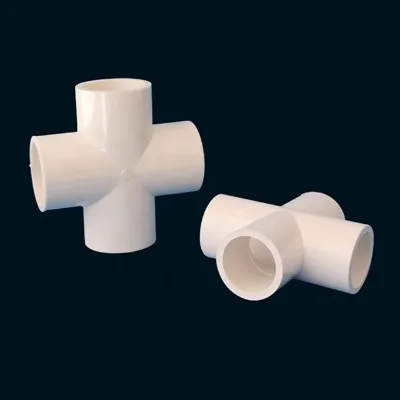


Comprehensive Sourcing Guide
Round PVC Handrail Fitting Sourcing Guide
Procuring round PVC handrail fittings requires a distinct shift in strategy compared to traditional metal alternatives, as the material properties and supply chain dynamics differ significantly. While the provided product data highlights stainless steel options with specific models like CC68-S and HH001, buyers seeking PVC components must navigate a separate segment of the market. PVC fittings are often sourced from different manufacturing clusters than stainless steel railings, which are predominantly centered in Guangdong and Jinan, China. Understanding this geographic and material divergence is crucial for accurate supplier identification and logistics planning.
The decision to source PVC fittings often hinges on cost-efficiency, weight reduction, and corrosion resistance in non-corrosive environments. Unlike the stainless steel products listed, which offer high durability and a modern or classic aesthetic, PVC options prioritize affordability and ease of installation. Buyers must clearly define whether their project requires the structural integrity of metal or the economic advantages of polymer-based systems. This distinction dictates the entire sourcing process, from initial supplier vetting to final quality acceptance criteria, ensuring that the selected components align with the project’s specific functional and budgetary requirements.
Product Scope and Observed Listing Signals
The observed market signals for handrail components reveal a strong emphasis on stainless steel products, with specific models such as HS-628F and RB-001 indicating a focus on decorative and functional railing systems. These listings typically feature surface finishes like satin or mirror polish and are constructed from SS304 or SS316 materials, which are standard for high-traffic commercial and residential applications. The presence of customization options and various packing methods, from factory standard to export cartons, suggests a mature supply chain capable of handling diverse order sizes and logistical needs.
However, for buyers specifically targeting round PVC handrail fittings, these stainless steel signals serve as a baseline for understanding the broader railing market rather than direct product matches. PVC fittings are generally less documented in high-end stainless steel catalogs and may appear under different categorizations or as complementary accessories. Buyers should expect to find PVC components characterized by their flexibility, lighter weight, and resistance to moisture, which contrasts with the rigid, heavy-duty nature of the observed metal products. This contrast necessitates a careful review of material specifications to avoid misalignment between procurement intent and supplier offerings.
Technical Specifications to Verify
When evaluating round PVC handrail fittings, buyers must verify critical dimensional and material specifications that ensure compatibility with existing railing systems. Key parameters include the inner diameter, wall thickness, and overall length, which must match the corresponding PVC pipes or metal posts. Unlike the stainless steel standards listed, such as 38.1mm or 42.4mm diameters, PVC fittings often follow different sizing conventions, requiring precise measurement and cross-referencing with manufacturer datasheets. Verifying these dimensions prevents installation failures and ensures a seamless aesthetic and functional integration.
Material composition and environmental resistance are equally vital technical considerations for PVC components. Buyers should confirm the grade of PVC used, typically UPVC or CPVC, and its resistance to UV degradation, temperature fluctuations, and chemical exposure. The surface finish, whether smooth or textured, impacts grip and maintenance requirements, similar to the satin or mirror finishes observed in metal products. Additionally, checking for reinforcement layers or additives that enhance durability can distinguish high-quality fittings from inferior alternatives, ensuring long-term performance in both indoor and outdoor applications.
Compliance and Safety Documentation
Safety compliance is paramount for handrail fittings, regardless of the material used, as they serve critical fall-prevention functions in buildings and public spaces. Buyers must ensure that PVC fittings meet relevant local and international safety standards, which may differ from the CE and ISO certifications observed for stainless steel products. These standards typically address load-bearing capacity, impact resistance, and fire safety ratings, ensuring that the fittings can withstand expected forces without failure. Verifying compliance documentation helps mitigate liability risks and ensures that the installed railing system meets building code requirements.
Fire safety is a particular concern for PVC components, as they may have different flammability characteristics compared to metal. Buyers should request test reports or certifications that confirm the material’s fire rating, such as self-extinguishing properties or low smoke emission levels. Additionally, checking for compliance with environmental regulations, such as restrictions on hazardous substances, is essential for sustainable procurement. Ensuring that all safety documentation is up-to-date and verifiable provides a robust foundation for project approval and long-term operational safety.
Cost Drivers and Commercial Terms
The cost of round PVC handrail fittings is influenced by several factors, including raw material prices, manufacturing complexity, and order volume. Unlike the stainless steel products, which may have higher base costs due to material and processing expenses, PVC fittings generally offer a more economical solution. However, buyers should be aware that price fluctuations in petroleum-based raw materials can impact PVC costs, necessitating careful budgeting and potential price-locking agreements. Understanding these cost drivers helps in negotiating favorable terms and avoiding unexpected expenses during the procurement process.
Commercial terms, such as payment methods and delivery timelines, also play a significant role in the overall cost structure. The observed stainless steel listings mention payment terms like TT or LC and delivery times ranging from 25 to 35 days, which may serve as a reference for PVC suppliers. Buyers should clarify these terms explicitly, including shipping methods, insurance coverage, and return policies, to ensure a smooth transaction process. Comparing commercial terms across multiple suppliers can reveal hidden costs or advantages, enabling more informed decision-making and better risk management.
Supplier Qualification and Quality Control
Supplier qualification is a critical step in sourcing round PVC handrail fittings, as the quality of components directly impacts the safety and longevity of the railing system. Buyers should verify the supplier’s manufacturing capabilities, including their production capacity, quality control processes, and experience in producing PVC fittings. Unlike the stainless steel manufacturers listed, which may have established certifications and standardized processes, PVC suppliers may vary widely in their operational rigor. Conducting thorough due diligence helps identify reliable partners who can consistently deliver high-quality products.
Quality control measures should include regular inspections, material testing, and adherence to production standards. Buyers should request samples for evaluation and consider third-party inspection services for larger orders to ensure compliance with specifications. Establishing clear quality expectations and communication channels with the supplier facilitates early detection and resolution of potential issues. By prioritizing supplier qualification and robust quality control, buyers can minimize defects, reduce rework costs, and ensure that the installed fittings meet the project’s performance and aesthetic requirements.
Long-Term Procurement Checks
Long-term procurement success for round PVC handrail fittings depends on establishing ongoing relationships with suppliers and implementing continuous improvement strategies. Buyers should regularly review supplier performance metrics, such as delivery accuracy, product quality, and responsiveness to issues, to identify areas for improvement. Maintaining open communication and providing constructive feedback helps strengthen the partnership and ensures that the supplier remains aligned with the buyer’s evolving needs. This proactive approach fosters trust and reliability, which are essential for sustained procurement success.
Additionally, buyers should stay informed about market trends, technological advancements, and regulatory changes that may impact the PVC fitting industry. Monitoring these factors enables timely adjustments to sourcing strategies and helps anticipate potential challenges or opportunities. By integrating long-term checks into the procurement process, buyers can optimize their supply chain, reduce risks, and ensure that their railing systems remain safe, functional, and cost-effective over time. This strategic focus on continuous evaluation and adaptation is key to achieving lasting value in procurement activities.
FAQs
What materials are used for round handrails?
Stainless steel is the primary material used for these handrails, specifically grades SS304 and SS316. This ensures high durability and resistance to corrosion in various environments. The material selection supports both decorative and functional applications effectively.
Can I customize the surface finish of the railing?
Yes, customization is available for the surface finish of the handrails. Buyers can choose between satin or mirror finishes to match their specific design requirements. This flexibility allows for tailored aesthetic outcomes while maintaining structural integrity.
What is the typical delivery time for orders?
The standard delivery time ranges from 25 to 35 days depending on the specific order requirements. Some listings indicate a 30-35 day window while others suggest 25-30 days. This timeframe covers production and preparation for shipment from the factory.
Which certifications do the products hold?
The products are certified with CE and ISO standards to ensure quality and safety compliance. These certifications verify that the manufacturing processes meet international requirements. Buyers can rely on these credentials for regulatory adherence in their respective markets.
How is the product packed for shipping?
Packaging is customizable and often includes export safety packages or standard factory cartons. Options range from export cartons to specific customer requests to ensure safe transit. This approach protects the handrails during long-distance shipping to various global destinations.
What is the minimum order quantity for these items?
The minimum order quantity varies significantly, ranging from 1 unit up to 1000 units depending on the supplier. Some specific models require a minimum of 240 units or 100 meters. Buyers should check specific model requirements to determine the exact MOQ for their needs.
Where are these handrails manufactured?
These handrails are manufactured in China, with specific origins noted in Guangdong and Jinan provinces. The production facilities are located in these regions to support efficient logistics and manufacturing capabilities. This location allows for competitive pricing and reliable supply chain management.