Source S-Type Roller Automatic Beading Machine for Jewelry, Crafts, and Accessories
Find and compare 30 s-type roller automatic beading machine options from verified suppliers. Evaluate specifications such as hydraulic or electric drive, production speed, and customization availability to streamline your jewelry and craft manufacturing processes.
Key considerations
Products List


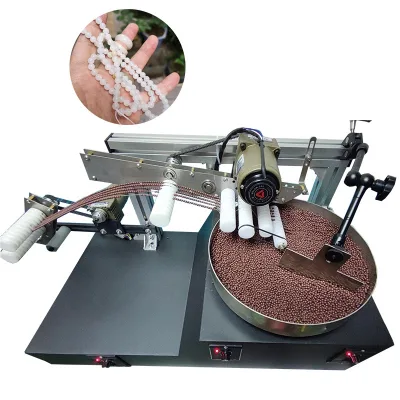

Electric Beading Machine / Automatic Bead Roller Bending Machine ETB-40
$2000.00 - $2500.00
MOQ: 1 Pieces


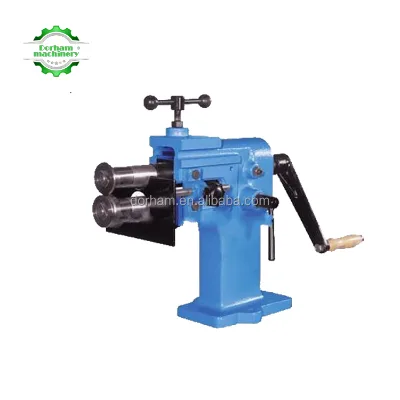
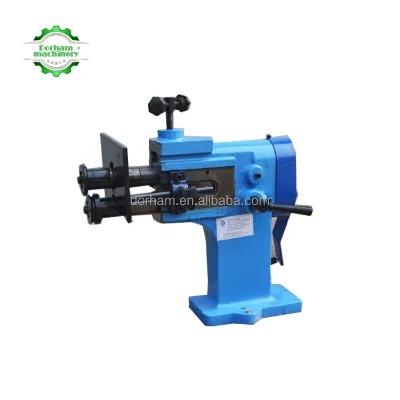
Manual Metal Beading Machine TB-12 Electric Bead Bender Machine ETB-12
$458.96 - $1203.48
MOQ: 1 Minimum
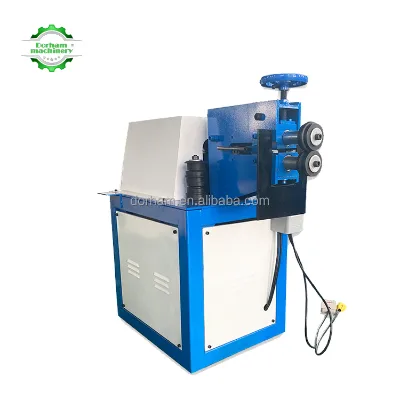


Sheet Metal Groove Beader Machine/Duct Grooving Beading Roller Machines
$1900.00 - $2150.00
MOQ: 1 Sets


Comprehensive Sourcing Guide
S-Type Roller Automatic Beading Machine Sourcing Guide
Procuring an automatic beading machine requires a clear distinction between industrial drum manufacturing equipment and specialized textile or jewelry assembly machinery. The term "s-type roller" often refers to the mechanical action used in flanging and beading processes for metal containers, yet market listings frequently conflate this with electronic stringing machines used for garment or beadwork applications. Buyers must first determine whether the operational requirement involves heavy-duty metal forming for oil drums or dairy product packaging, or if the need is for high-speed threading of small components in light manufacturing. This fundamental divergence dictates the entire sourcing strategy, as the engineering tolerances, power requirements, and material handling systems for these two categories are entirely incompatible.
The observed market data reveals a significant overlap in keyword usage, with suppliers listing "flanging and beading machines" alongside "seed beads threading string beading machines." This ambiguity necessitates rigorous verification of the machine’s core function before engaging in commercial negotiations. A machine designed for making steel drums or barrels operates on hydraulic principles with flexible transmission types, whereas a machine for threading beads typically relies on electric power sources with specific RPM ranges and needle configurations. Misidentifying the machine type can lead to substantial capital expenditure errors, making it essential to align the technical specifications with the actual production scope, whether that is parts production lines for heavy industry or lean production lines for consumer goods.
Product Scope and Observed Listing Signals
The product scope for automatic beading machines spans two distinct industrial domains, each with unique operational characteristics. In the heavy industry sector, these machines are part of comprehensive automatic production lines designed for making steel drums or barrels, often with a production rhythm of 5-6 drums per minute. These systems are typically driven by hydraulic power and feature rustproof packaging to protect the machinery during transit, reflecting the harsh environments in which they operate. The application scope for these machines includes the manufacturing of containers for dairy products and oil drums, requiring robust construction and compliance with international standards such as ISO and CE.
Conversely, the light manufacturing sector utilizes automatic beading machines for tasks such as seed beads threading and garment assembly. These machines are characterized by their electric power supply, with power consumption ranging from 60-120 watts and speeds adjustable between 0-3200 RPM. They are designed for lean production environments and are often marketed as new products with easy maintenance advantages. The application scope here includes garment shops and retail sectors, where the machine handles small beads ranging from 1-4mm in size. Understanding this dichotomy is crucial for buyers to ensure they are evaluating the correct type of equipment for their specific production needs.
Technical Specifications to Verify
When evaluating hydraulic beading machines for metal drum production, buyers must verify the driven type and transmission system. These machines are typically hydraulic-driven with flexible transmission types, ensuring smooth operation and high torque for metal forming tasks. The production scope should be confirmed as a parts production line or product line, capable of handling the specific standard of 220L drums. Buyers should also check the model number, such as "Flanging and Beading Machine," and ensure that the machine includes core components like engines and motors that are suitable for continuous industrial use. The warranty period for these machines is typically one year, providing a baseline for after-sales support.
For electric beading machines used in light manufacturing, the focus shifts to speed control, power supply, and component precision. Buyers should verify the model numbers, such as SRCZJ-1-4 or SRCZJ-2-6X, and ensure that the machine supports the required bead sizes, typically between 1-4mm. The power source should be electric, with a power supply range of 60-120 watts, and the speed should be adjustable up to 3200 RPM. Additionally, buyers should check for the inclusion of free needles, such as 5pcs, and verify the machine's weight, which is approximately 44kg for portable models. The condition of the machine should be new, and the marketing type should be clearly stated to avoid purchasing refurbished or outdated equipment.
Compliance and Safety Documentation
Compliance with international standards is a critical factor in sourcing automatic beading machines, particularly for those used in heavy industry. Machines designed for making steel drums or barrels must carry certifications such as ISO and CE, indicating adherence to quality management and safety standards. Buyers should request documentation proving that the machine meets these certifications, as they are often required for importation and operation in regulated markets. The presence of SGS certification in some listings further enhances the credibility of the supplier, providing an additional layer of assurance regarding product quality and safety.
For electric beading machines used in light manufacturing, compliance documentation may be less stringent but still essential. Buyers should verify that the machine carries CE and ISO certifications, ensuring that it meets European safety and quality standards. The video outgoing-inspection provided by suppliers is a valuable tool for verifying the machine's condition and functionality before shipment. Buyers should also check for any additional certifications specific to the application, such as electrical safety standards for the power supply components. Ensuring that all compliance documentation is in order before purchase helps mitigate risks associated with regulatory non-compliance and potential operational hazards.
Cost Drivers and Commercial Terms
The cost of automatic beading machines is influenced by several factors, including the type of machinery, production capacity, and included features. Hydraulic beading machines for metal drum production are generally more expensive due to their complex engineering and robust construction. The production scope, whether it is a parts production line or a comprehensive automatic line, also impacts the price. Buyers should consider the warranty period, which is typically one year, and the availability of spare parts, such as engines and motors, when evaluating the total cost of ownership. The packaging technology, such as rustproof packaging, adds to the cost but is essential for protecting the machine during transit.
For electric beading machines used in light manufacturing, the cost is influenced by the speed, power consumption, and included accessories. Machines with higher RPM ranges and adjustable speeds tend to be more expensive, as do those with additional features like free needles and customizable options. The brand name, such as "Share," may also affect the price, with established brands often commanding a premium. Buyers should consider the MOQ, which ranges from 1 to 5 units, and the selling units, which are typically single items. Understanding these cost drivers helps buyers make informed decisions and negotiate better commercial terms with suppliers.
Supplier Qualification and Quality Control
Supplier qualification is a critical step in sourcing automatic beading machines, as the quality of the equipment directly impacts production efficiency and safety. Buyers should verify the supplier's location, with many manufacturers based in China, particularly in regions like Henan. The place of origin can provide insights into the supplier's manufacturing capabilities and supply chain reliability. Buyers should also check the supplier's certification status, ensuring that they hold valid ISO, CE, and SGS certifications. This verification helps ensure that the supplier adheres to international quality and safety standards.
Quality control measures should be implemented throughout the procurement process, from initial supplier evaluation to final delivery. Buyers should request video outgoing-inspections to verify the machine's condition and functionality before shipment. This visual inspection can help identify any potential defects or issues that may not be apparent from product descriptions alone. Additionally, buyers should establish clear communication channels with the supplier to address any questions or concerns regarding the machine's specifications and performance. Implementing these quality control measures helps ensure that the purchased equipment meets the buyer's requirements and expectations.
Long-Term Procurement Checks
Long-term procurement success depends on establishing a reliable supply chain and maintaining strong relationships with suppliers. Buyers should conduct regular performance reviews of the automatic beading machines to ensure they continue to meet production requirements. This includes monitoring the machine's speed, power consumption, and overall efficiency over time. Buyers should also track the availability and cost of spare parts, such as needles and motors, to ensure that maintenance can be performed promptly and cost-effectively. Establishing a preventive maintenance schedule can help extend the lifespan of the machine and reduce downtime.
Buyers should also stay informed about industry trends and technological advancements in automatic beading machines. This includes monitoring new product releases, such as the 2023 new product marketing type, and evaluating whether newer models offer improved features or efficiency. Engaging with industry forums and attending trade shows can provide valuable insights into best practices and emerging technologies. By staying proactive and informed, buyers can make strategic decisions that enhance their procurement processes and maintain a competitive edge in their respective markets.
FAQs
What is the production capacity of the s-type roller automatic beading machine?
The machine operates at a rhythm of 5-6 drums per minute for specific applications. This flow production line ensures consistent output for parts production. It is designed for making steel drums or barrels using hydraulic driven types.
Which certifications does the s-type roller automatic beading machine hold?
The equipment holds ISO, CE, and SGS certifications to ensure safety and quality standards. These credentials verify compliance with international manufacturing requirements. Buyers can rely on these documented standards for industrial procurement.
Can the s-type roller automatic beading machine be customized for specific needs?
Yes, customization is available to meet unique production requirements. The machine supports flexible production and lean production methods. Buyers can request specific modifications while maintaining the core automatic functionality.
How is the s-type roller automatic beading machine packaged for shipping?
The product uses rustproof packaging technology to protect against corrosion during transit. It is packed in cartons to ensure safe delivery. This method preserves the machine condition until it reaches the destination.
What is the warranty period for the s-type roller automatic beading machine?
The machine comes with a 1-year or 12-month warranty depending on the specific model. This coverage ensures protection against manufacturing defects. Buyers receive support for maintenance and operational issues during this period.
Where is the s-type roller automatic beading machine manufactured?
The product originates from China, specifically from the Henan region. This location is a known hub for industrial machinery manufacturing. The origin ensures access to established supply chains and production capabilities.
What is the power source for the s-type roller automatic beading machine?
The machine operates using an electric power source with a power supply of 60-120 watts. It utilizes core components like engines and motors for efficient operation. This setup supports the automatic production line requirements.