Source Sanding Machine for Wood, Fabric, and Shoe Production
Explore 30 available Sanding Machine options featuring variable and fixed speeds, automatic grades, and CE certifications. Buyers can compare models like HT-R-RP630 and ULT-MDP-23 for wood, fabric, and shoemaking applications with specifications ranging from 630mm to 3500mm widths.
Key considerations
Products List
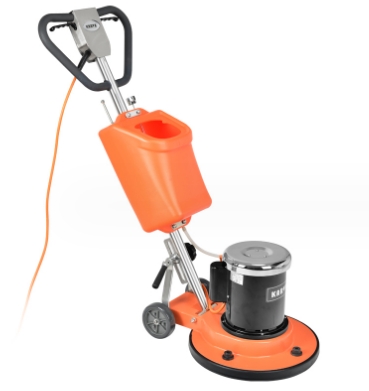


$70000.00 - $75000.00
MOQ: 1 Pieces

$70000.00 - $75000.00
MOQ: 1 Pieces

$70000.00 - $75000.00
MOQ: 1 Pieces


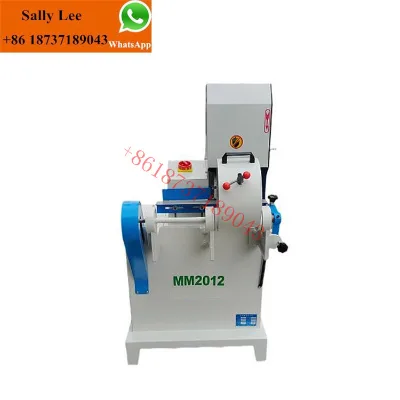
Comprehensive Sourcing Guide
Strategic Sourcing Guide for Industrial Sanding Machines
The global market for industrial sanding machinery presents a complex landscape where buyers must navigate diverse specifications, varying levels of automation, and distinct certification requirements. For procurement professionals researching the core keyword "Sanding Machine," the primary challenge lies in distinguishing between general-purpose equipment and specialized units designed for specific industries such as wood processing, fabric finishing, or shoemaking. This guide synthesizes available market data to provide a disciplined framework for evaluating potential suppliers, ensuring that procurement decisions are grounded in verified technical attributes rather than marketing assertions.
Technical Specifications and Operational Parameters
When evaluating sanding machines, the first step is a rigorous analysis of technical specifications that directly impact production efficiency and product quality. The market data indicates a significant variance in machine configurations, ranging from single-item units to large-scale automated systems. A critical specification to verify is the sanding plate width, which determines the maximum material width the machine can process. Observed data points to a specific configuration with a sanding plate width of 630mm, suitable for medium-width applications. However, buyers must also consider the sanding plate thickness range, which in some observed models spans from 2mm to 200mm, indicating versatility in handling materials of varying densities and dimensions.
The speed of operation is another pivotal factor. The market features units with variable speed capabilities, allowing operators to adjust the abrasive belt speed to match the material being processed. One observed model lists an abrasive belt speed of 18m/min, while another highlights a feeding speed range of 5-25m/s. It is essential to note that not all machines in this category offer variable speed; some are fixed-speed units. Buyers must explicitly confirm whether the specific model under consideration supports variable speed control, as this feature is crucial for optimizing surface finish and preventing material damage. Furthermore, the power supply type varies, with some units operating on hydraulic power and others requiring standard electrical inputs. The power consumption can be substantial, with certain heavy-duty models rated at 240kw, necessitating a thorough assessment of the buyer's facility power infrastructure.
Compliance, Certification, and Safety Standards
Compliance with international safety and quality standards is non-negotiable in the procurement of industrial machinery. The observed market data reveals a mix of certification statuses, with some suppliers listing CE certification, while others provide both CE and ISO certifications. A specific entry mentions "ISOCE," which likely refers to a combined compliance status, but buyers should verify the exact scope of these certifications to ensure they meet the regulatory requirements of their target market. The presence of CE certification is a baseline indicator of conformity with European health, safety, and environmental protection standards, but it should not be assumed to apply to every listed product without explicit confirmation.
In addition to certifications, the standard dimensions of the machinery are vital for facility planning. Observed product standards include dimensions such as 170011002050mm, 350022003000mm, and 300020902300mm. These variations highlight the importance of verifying the physical footprint of the machine before purchase. Buyers must ensure that the machine's dimensions, including the required clearance for operation and maintenance, fit within their available floor space. The standard size of the sanding paper is also a technical specification that must align with the machine's design; observed data includes a sanding paper size of 1350*2800mm. Procurement teams should request detailed dimension sheets and certification documents for every shortlisted supplier to avoid costly installation errors or regulatory non-compliance.
Cost Drivers and Pricing Structures
Understanding the cost drivers for sanding machines requires a nuanced approach, as the observed price range in the market is exceptionally broad, spanning from 0.1 USD to 75,000 USD. This vast disparity is not indicative of a single product type but rather reflects the inclusion of various categories, from small handheld or benchtop units to massive industrial wide belt sanding systems. The minimum order quantity (MOQ) also varies significantly, ranging from 1 to 10,000 units, which further complicates cost analysis. For buyers seeking a single unit, the lower end of the price spectrum may be relevant, while large-scale procurement for manufacturing lines will likely involve the higher price tiers.
Several factors influence the final cost of a Sanding Machine. The level of automation is a primary driver; models described as "Automatic" or "Semi-Automatic" generally command higher prices than manual or basic units. The inclusion of high-performance components, such as Siemens motors for coarse sanding, also adds to the cost. Additionally, the complexity of the machine's function, such as a "Double Sided Sand Frame" or a "Shoemaking Line," dictates the engineering and manufacturing expenses. Buyers should be wary of prices that seem abnormally low, as they may correspond to incomplete units or lack necessary certifications. Conversely, high prices should be justified by detailed specifications, including power ratings, dimensions, and the inclusion of advanced features like variable speed control and custom support options.
Typical Applications and Material Compatibility
Sanding machines are highly specialized tools designed for specific applications, and selecting the wrong type can lead to production inefficiencies. The market data identifies several distinct application areas. One category is the "Belt Wood Sander," which is tailored for woodworking industries. These machines often feature a sanding plate width of 630mm and are designed to handle wood materials of varying thicknesses. Another application is the "Wide Belt Sanding Machine," which is typically used for larger surface areas and may be part of a "Double Side Wide Belt Sanding" unit.
The material compatibility is another critical consideration. Some machines are explicitly designed for "Fabric" applications, such as those used in a "Shoemaking Line." These units may utilize hydraulic power and have specific sand roller dimensions, such as a 350mm sand roller, to accommodate the delicate nature of fabric materials. Buyers must match the machine's intended usage with their production needs. For instance, a machine optimized for wood may not be suitable for fabric processing due to differences in tension control and abrasive requirements. The "Function" attribute of the machine, whether it is a general-purpose sander or a specialized line component, should be clearly defined in the supplier's documentation to ensure alignment with the buyer's production goals.
Supplier Evaluation and Origin Verification
Evaluating suppliers requires a careful examination of their origin and the specific attributes they claim. The observed data indicates that products originate from various locations within China, including Anhui, Henan (Mainland), and Qingdao. While these regions are known for manufacturing, the specific origin can impact logistics, lead times, and after-sales support. Buyers should verify the "Place of Origin" for each specific product listing, as this information can vary even within the same supplier's catalog.
Furthermore, the availability of customization is a key differentiator among suppliers. Many listed products offer "Customized support" in the form of OEM, ODM, or OBM services, allowing buyers to tailor the machine to their specific production requirements. The "Customization" attribute is marked as "Available" for many units, but the extent of this customization—whether it involves mechanical modifications, software integration, or packaging—must be clarified. Buyers should also assess the "Condition" of the equipment; while most observed units are listed as "New," some may be refurbished or used, which could affect warranty coverage and performance. The "Selling Units" attribute, often listed as "Single item," suggests that many suppliers are willing to sell individual units, which is beneficial for small to medium-sized enterprises.
Quality Control and Long-Term Procurement Considerations
Quality control in the procurement of sanding machines extends beyond the initial purchase and involves long-term considerations such as maintenance, spare parts availability, and warranty coverage. The observed data consistently mentions a "1 year" warranty for many products, which serves as a baseline for buyer protection. However, buyers should negotiate extended warranty terms or service level agreements (SLAs) that cover critical components like motors and sanding rollers. The "Automatic Grade" of the machine, whether "Automatic" or "Semi-Automatic," also influences the complexity of maintenance and the frequency of required interventions.
Packaging is another aspect of quality control that should not be overlooked. Observed packaging options include "Fumigation-Free Wooden Box Packaging," "Plastic Film Cover," and "International Standard Package." These packaging methods are designed to protect the machine during transit, but buyers should verify that the packaging meets the specific shipping requirements of their destination country. Additionally, the "CNC or Not" attribute, listed as "Normal" in some cases, indicates the level of computer numerical control integration, which affects the precision and repeatability of the sanding process. Buyers should prioritize machines with advanced control systems if high precision is required for their application.
In conclusion, sourcing sanding machines requires a meticulous approach that balances technical specifications, compliance requirements, and cost considerations. By focusing on verified attributes such as sanding plate dimensions, power ratings, and certification status, buyers can make informed decisions that align with their production needs. The diversity of the market, with its wide range of prices, origins, and functionalities, demands a disciplined evaluation process to ensure the selection of equipment that delivers optimal performance and long-term value.
FAQs
What certifications do sanding machines typically have?
Many listed sanding machines carry CE certification, while some models also include ISO certification. Buyers should verify specific certification documents for each unit, as some entries list combined statuses like ISOCE, but not all products share the same compliance.
Which sanding plate widths are available for wood sanders?
Observed models feature a sanding plate width of 630mm, suitable for medium-width applications. The sanding plate thickness range can span from 2mm to 200mm, allowing the machine to handle materials of varying densities and dimensions effectively.
Can sanding machines operate with variable speed control?
Some units offer variable speed capabilities, with abrasive belt speeds reaching 18m/min and feeding speeds between 5-25m/s. However, other models are fixed-speed units without variable speed, so buyers must confirm this feature for specific models.
Where are these sanding machines manufactured?
Products originate from various locations in China, including Anhui, Henan, and Qingdao. The specific place of origin varies by listing, so buyers must verify the origin for each product to assess logistics and lead times accurately.
What is the warranty period for these machines?
The standard warranty period for many listed sanding machines is one year. Buyers should negotiate extended terms for critical components like motors and sanding rollers, as the baseline coverage applies to the general condition of the new equipment.
Which packaging types are used for shipping?
Packaging options include fumigation-free wooden boxes, plastic film covers, and international standard packages. These methods protect the machine during transit, but buyers should verify that the specific packaging meets the shipping requirements of their destination country.
What is the power consumption for heavy-duty models?
Heavy-duty wide belt sanding models can have a power rating of 240kw. Buyers must assess their facility power infrastructure to ensure it can support such substantial power consumption before purchasing these large-scale automated systems.