Source Seamless Lightweight Gym Fitness Sportswear for Gym, Yoga, Dancing
Find 30 listings of Seamless Lightweight Gym Fitness Sportswear suitable for gym workouts, yoga sessions, and dancing routines. Buyers can compare sizes, materials, and customization options across verified suppliers offering quick-drying and breathable fabrics; compare the available evidence and request quotations based on your requirements.
Updated
Key considerations
Products List

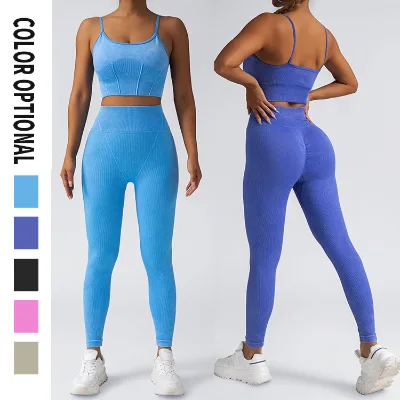
Seamless Sportswear Outdoor Seamless Yoga Fitness Sports Running Gym Sportswear
$3.90 - $19.90
MOQ: 100 Pieces


Seamless Women Fitness Gradient Yoga Set Push up Gym Leggings Running Sportswear
$3.90 - $19.90
MOQ: 100 Pieces


Seamless Suit Women's Fitness Sports School Running Wear Yoga Sportswear
$20.99 - $39.99
MOQ: 1000 Pieces
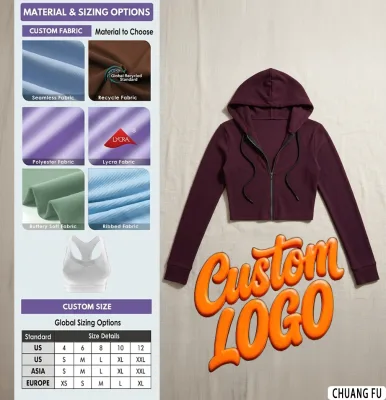
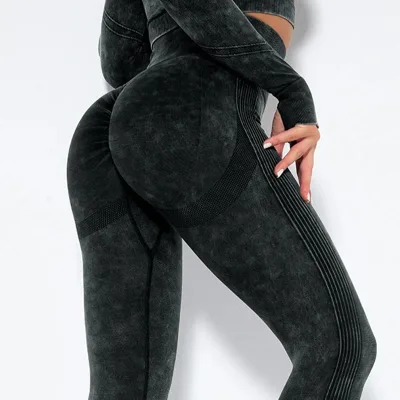
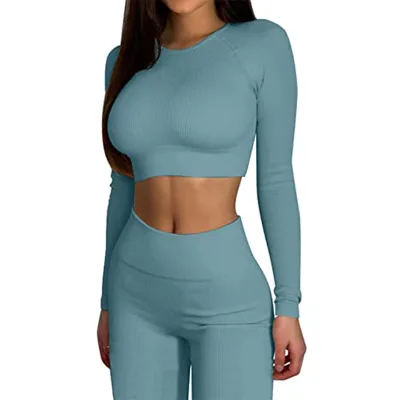
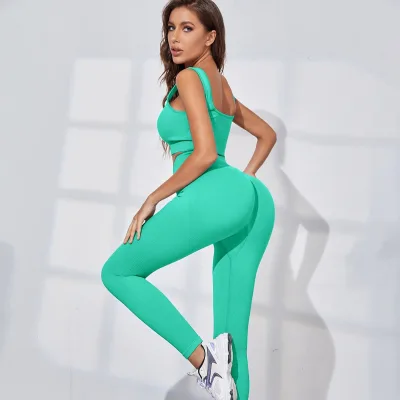
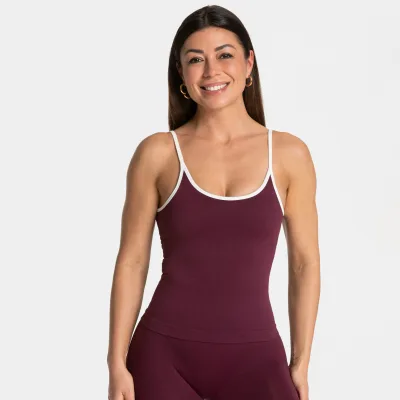


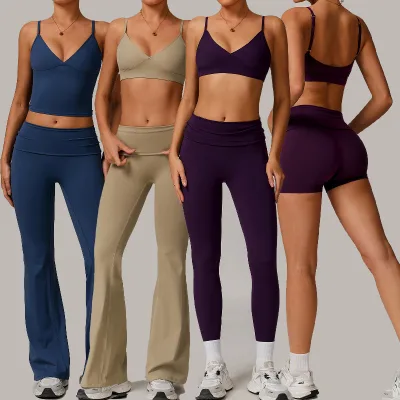
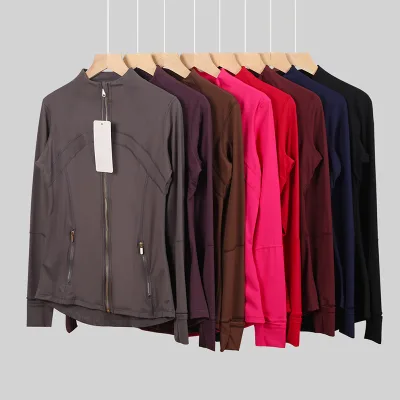
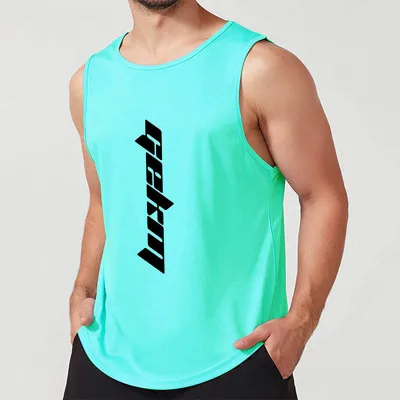
Yoga Running Gym Yoga Quick Dry Breathable With Gold Zippers Athletic Sportswear
$19.5455 - $21.2828
MOQ: 2 pieces
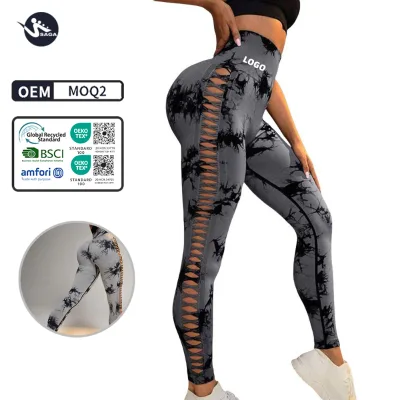
Comprehensive Sourcing Guide
Seamless Lightweight Gym Fitness Sportswear Sourcing Guide
Sourcing seamless lightweight activewear requires a strategic focus on material composition and manufacturing precision, as these factors directly influence performance and durability. Buyers must prioritize suppliers who specialize in chemical fiber blending and advanced knitting techniques, such as seamless construction, which eliminates side seams to reduce friction and enhance comfort during high-intensity workouts. The observed market data indicates a strong presence of products originating from Guangdong, China, where established manufacturing ecosystems support both OEM and ODM services. This regional concentration often correlates with efficient supply chains and rapid prototyping capabilities, allowing brands to iterate designs quickly. However, the diversity of product types, ranging from suits to pants and two-piece sets, necessitates a clear definition of the target SKU mix before engaging with potential vendors.
Procurement teams should also evaluate the versatility of the product line against specific usage scenarios, including fitness, gym sessions, yoga, and dancing. The availability of customization options, such as quick-drying features and specific pattern types like ribbed or simple prints, adds significant value for brands seeking differentiated offerings. It is crucial to verify that the supplier’s technical capabilities align with the desired aesthetic and functional requirements, particularly when dealing with complex elements like strapless designs or crew necklines. By focusing on suppliers who offer comprehensive customization, including packaging and branding, buyers can ensure that the final product meets both performance standards and brand identity guidelines. This approach minimizes the risk of receiving generic items that fail to resonate with the target consumer base.
Product Scope and Observed Listing Signals
The current market landscape for seamless activewear displays a wide variety of product configurations, with listings indicating types such as suits, pants, and two-piece sets. Buyers will encounter items described with specific model numbers like GYM25, YS09, and JS-F561, which often correspond to distinct design iterations or fabric technologies. The observed price range of 1.88 to 39.99 USD suggests a broad spectrum of quality tiers, from basic entry-level pieces to premium performance wear. This variance highlights the importance of correlating price points with material specifications, such as the use of Lycra or chemical fiber blends, to ensure that the cost structure reflects the intended product value. Understanding these signals helps buyers segment their sourcing strategy to match different market segments, from budget-conscious consumers to premium fitness enthusiasts.
Minimum order quantities (MOQs) observed in the market range from 2 to 1000 units, offering flexibility for both small batch testing and large-scale production runs. This flexibility is particularly advantageous for emerging brands that need to validate market demand before committing to significant inventory investments. Additionally, the presence of "One Size" and specific size ranges like S-XXL indicates that suppliers cater to diverse demographic needs, including unisex designs and adult-focused apparel. Buyers should carefully review the size charts and standard offerings, such as S, M, L, XL, and XXL, to ensure alignment with their target audience’s sizing preferences. The availability of customized packaging and plastic box or tray options further supports brand differentiation, allowing companies to enhance the unboxing experience and protect product integrity during transit.
Technical Specifications to Verify
When evaluating seamless activewear, verifying the technical specifications of the fabric and construction is paramount to ensuring product quality and performance. Buyers should confirm the main material composition, such as chemical fiber blends or Lycra, as these materials dictate the garment’s stretch, recovery, and moisture-wicking properties. The seamless manufacturing technique is a critical differentiator, offering enhanced comfort and durability by eliminating traditional stitching points that can cause irritation. Additionally, features like quick-drying capabilities and breathability are essential for high-performance applications, particularly in gym and fitness environments where sweat management is crucial. Suppliers should provide detailed information on the knitting density and fabric weight to ensure that the material meets the desired level of opacity and support.
Packaging and logistical specifications also play a significant role in the overall procurement process, affecting both product protection and storage efficiency. Observed packing methods include carton, plastic box, tray, and customized packaging, each offering different levels of protection and branding opportunities. Buyers must verify the single package dimensions and gross weight, such as 30x30x5 cm and 1.5 kg, to calculate accurate shipping costs and warehouse space requirements. Furthermore, the availability of sample orders with a seven-day lead time supports rapid product validation and quality assessment before committing to bulk production. Ensuring that the supplier can meet these logistical requirements helps streamline the supply chain and reduces the risk of delays or damage during transit.
Compliance and Safety Documentation
Compliance with international safety and quality standards is a non-negotiable aspect of sourcing activewear, particularly for markets with strict regulatory requirements. Buyers must ensure that suppliers provide relevant documentation, such as material safety data sheets and test reports, to verify that the chemical fiber blends and dyes used are free from harmful substances. Although specific certification names are not provided in the observed data, buyers should proactively request evidence of compliance with standards like OEKO-TEX or REACH, depending on the target market. This due diligence helps mitigate the risk of product recalls and ensures that the garments are safe for direct skin contact during intense physical activities.
Additionally, buyers should verify the supplier’s adherence to labor and environmental standards, as these factors increasingly influence brand reputation and consumer trust. The observation of sustainable features in some listings suggests a growing market demand for eco-friendly production practices. Buyers should inquire about the supplier’s environmental management systems and waste reduction initiatives to align with corporate sustainability goals. Clear communication regarding compliance requirements from the outset of the sourcing process helps establish a transparent relationship with the supplier and ensures that all parties are aligned on quality and safety expectations. This proactive approach to compliance documentation protects the brand from potential legal and reputational risks.
Cost Drivers and Commercial Terms
Understanding the cost drivers in seamless activewear production is essential for effective budgeting and negotiation. Key factors influencing price include the complexity of the seamless knitting process, the quality of the raw materials, and the level of customization required. Suppliers offering OEM services and customized packaging may charge premium rates due to the additional setup and operational costs involved. Buyers should also consider the impact of order volume on pricing, as larger MOQs often result in more favorable unit costs. The observed MOQ range of 2 to 1000 units allows for flexible ordering strategies, enabling buyers to balance cost efficiency with inventory risk management.
Commercial terms, including payment methods and lead times, are critical components of the procurement agreement. The availability of sample orders with a seven-day lead time facilitates quick decision-making and product validation. Buyers should negotiate clear terms regarding production lead times for bulk orders to ensure timely delivery and avoid stockouts. Additionally, understanding the supplier’s policies on returns, defects, and quality guarantees is crucial for managing potential risks. By establishing transparent commercial terms and maintaining open communication with the supplier, buyers can foster a collaborative partnership that supports long-term success and operational efficiency.
Supplier Qualification and Quality Control
Supplier qualification is a critical step in ensuring the reliability and consistency of the sourced activewear. Buyers should conduct thorough due diligence to assess the supplier’s manufacturing capabilities, quality control processes, and financial stability. Verifying the supplier’s experience in producing seamless garments and their ability to meet specific technical requirements, such as quick-drying features and precise sizing, is essential. Buyers should also request references or case studies from previous clients to gain insights into the supplier’s performance and reliability. This information helps build confidence in the supplier’s ability to deliver high-quality products on time and within budget.
Quality control measures should be integrated into the procurement process to minimize the risk of defects and ensure product consistency. Buyers should establish clear quality standards and inspection protocols, including pre-production samples and during-production audits. The availability of customized packaging and branding options requires additional quality checks to ensure that the final product meets brand specifications. By implementing a robust quality control framework, buyers can maintain high product standards and protect their brand reputation. Regular communication with the supplier regarding quality feedback and continuous improvement initiatives further strengthens the partnership and ensures long-term success.
Long-Term Procurement Checks
Long-term procurement success depends on continuous monitoring and evaluation of supplier performance and market trends. Buyers should regularly review key performance indicators, such as on-time delivery rates, product quality metrics, and cost efficiency, to identify areas for improvement. Establishing a structured review process helps maintain accountability and drives continuous improvement in the supply chain. Additionally, staying informed about emerging trends in activewear, such as new materials or design innovations, allows buyers to adapt their sourcing strategies to meet changing consumer demands. This proactive approach ensures that the brand remains competitive and relevant in the dynamic fitness apparel market.
Building a resilient supply chain also involves diversifying supplier relationships to mitigate risks associated with single-source dependencies. Buyers should explore opportunities to engage with multiple suppliers, particularly for different product lines or size ranges, to enhance flexibility and reduce vulnerability to disruptions. Regularly assessing the supplier’s capacity to scale production and adapt to changing order volumes is crucial for supporting business growth. By fostering strong, collaborative relationships with qualified suppliers and maintaining a focus on quality and innovation, buyers can secure a sustainable competitive advantage in the seamless activewear market.
FAQs
What materials are used for Seamless Lightweight Gym Fitness Sportswear?
The products primarily utilize chemical fiber blending and Lycra materials to ensure durability and comfort. These fabrics are selected for their ability to provide a seamless fit that moves with the body. This composition supports various activities including yoga, gym workouts, and dancing, offering a reliable base for athletic performance without restricting movement.
Can I customize the packaging for my Seamless Lightweight Gym Fitness Sportswear orders?
Yes, customized packaging is available for these orders. Suppliers offer options such as plastic boxes, trays, or specific customer requirements. Some items come in carton or boxed cartoned formats, while others support carton plus pallet configurations. This flexibility allows buyers to align packaging with their brand identity or logistical needs effectively.
What sizes are available for Seamless Lightweight Gym Fitness Sportswear?
Multiple size options are available, ranging from XS to XXL. Standard sizing includes S, M, L, XL, and XXL to accommodate various body types. Some specific models offer one-size fits all or see detailed information for precise measurements. This variety ensures that buyers can source appropriate fits for diverse customer demographics and preferences.
How long is the sample order lead time for Seamless Lightweight Gym Fitness Sportswear?
Sample order lead time is supported within 7 days. This quick turnaround allows buyers to evaluate product quality and fit before committing to larger production runs. The efficient sample process facilitates faster decision-making and helps streamline the sourcing workflow for businesses looking to introduce new athletic wear lines to their inventory.
Which features are included in the Seamless Lightweight Gym Fitness Sportswear?
Key features include quick-drying capabilities, windproof, waterproof, and breathable properties. Additional attributes may involve sustainable materials, dust-proof designs, and anti-static functions. These features enhance performance during intense workouts, ensuring comfort and protection against environmental factors while maintaining the lightweight and seamless aesthetic preferred by modern athletes and fitness enthusiasts.
Where is the Seamless Lightweight Gym Fitness Sportswear manufactured?
The products originate from China, specifically from the Guangdong region. This location is a major hub for textile and apparel manufacturing, providing access to established supply chains and production expertise. Buyers can leverage this geographic advantage to source high-quality athletic wear with reliable manufacturing standards and efficient logistics for global distribution.