Source Seamless Nylon Sports Shorts for Tennis, Cycling, Running
Compare 30 listings for Seamless Nylon Sports Shorts designed for tennis, cycling, and running. Buyers can evaluate customization options, material blends, and pricing to find suitable active wear solutions; compare the available evidence and request quotations based on your requirements.
Key considerations
Products List


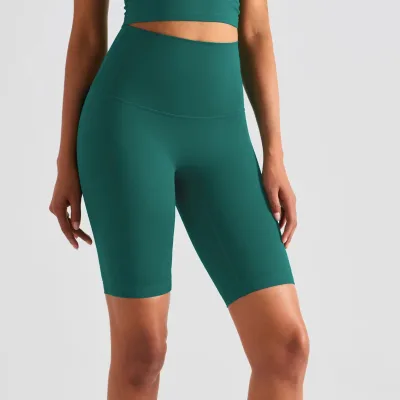
Seamless Tie Dye Yoga Shorts Ladies Scrunch Butt Gym Leggings Shorts
$3.60 - $7.90
MOQ: 2 piece/pieces


9 Colors High Waist Shorts Seamless Scrunch Butt Shorts Women′ S Gym Wear
$3.60 - $7.90
MOQ: 2 piece/pieces

Comprehensive Sourcing Guide
Seamless Nylon Sports Shorts Sourcing Guide
Procurement of Seamless Nylon Sports Shorts requires careful evaluation of material composition and construction methods to ensure durability during high-intensity activities. The observed market data indicates that successful listings often specify a blend of 94% nylon and 6% spandex, which provides the necessary elasticity and recovery for athletic performance. Buyers must verify that the fabric maintains its shape after repeated washing and stretching, as the seamless knitting process eliminates side seams that could cause chafing during running or cycling.
Commercial availability varies significantly between in-stock items and customized production runs, influencing immediate fulfillment capabilities. While some suppliers offer ready-to-ship inventory with standard packaging, others require customization for logos, colors, or specific sizing requirements. This distinction dictates the initial procurement strategy, as buyers seeking immediate delivery must prioritize suppliers with confirmed stock levels, whereas those needing branding solutions should focus on vendors supporting custom orders with defined lead times.
Product Scope and Observed Listing Signals
The current market landscape for seamless nylon shorts includes diverse applications ranging from yoga and gym fitness to tennis and cycling. Listings frequently highlight features such as moisture-wicking capabilities, quick-drying properties, and body-shaping designs that enhance comfort during physical exertion. These attributes are critical for buyers targeting active consumers who demand functional apparel that manages sweat effectively while maintaining a sleek, aerodynamic silhouette.
Observations of product listings reveal a wide range of packaging standards, from individual polybag units to bulk carton configurations tailored to specific order volumes. Some suppliers offer flexible packaging options that depend on the buyer's requirement, while others adhere to strict standard packing protocols like one piece per polybag. Understanding these logistical signals helps procurement teams estimate shipping costs and storage needs, ensuring that the selected supplier can accommodate the specific distribution requirements of the target market.
Technical Specifications to Verify
Material composition is the primary technical specification to validate, as the ratio of nylon to spandex directly impacts the garment's stretch and recovery properties. Buyers should confirm that the fabric blend matches the observed standard of 94% nylon and 6% spandex to ensure optimal performance in high-movement scenarios. Additionally, verifying the weight of the material, often cited around 0.3kg for specific sets, helps in assessing the suitability of the fabric for different seasons and activity levels.
Dimensional consistency and sizing accuracy are equally critical, with many products offering a range from small to extra-large or custom sizing options. The standard packaging dimensions of 30205 cm provide a baseline for logistics planning, but buyers must ensure that the actual product dimensions align with these specifications to avoid unexpected shipping costs. Confirming that the product model numbers correspond to specific design features ensures that the ordered items meet the precise functional requirements of the intended user base.
Compliance and Safety Documentation
While specific certification documents are not explicitly detailed in the provided listing data, buyers must request evidence of compliance with international textile safety standards before finalizing any order. This includes verifying that the dyes and finishes used in the seamless construction process meet regulatory requirements for chemical safety, particularly for products intended for direct skin contact during intense physical activity. Ensuring that the supplier adheres to these standards mitigates the risk of product recalls and protects the brand's reputation in the marketplace.
Documentation regarding the origin of materials and the manufacturing process is essential for verifying the authenticity of claims such as eco-friendly or recycled content. Buyers should ask for traceability reports that confirm the source of the nylon and spandex fibers, especially if the product is marketed as sustainable or environmentally friendly. This due diligence is necessary to substantiate marketing claims and to ensure that the supply chain aligns with the ethical and environmental values of the target consumer demographic.
Cost Drivers and Commercial Terms
The minimum order quantity (MOQ) is a significant cost driver, with observed ranges varying from as low as one unit for samples to over three hundred units for bulk production. Buyers must balance the need for inventory flexibility against the economies of scale offered by larger orders, as higher volumes often reduce the per-unit cost but increase the initial capital outlay. Understanding these thresholds is crucial for financial planning, especially for startups or brands testing new product lines with limited budgets.
Pricing structures are influenced by the level of customization required, with options for customized logos, colors, and packaging adding to the base cost. Some suppliers offer in-stock items at lower price points, while others charge premiums for bespoke designs and specific material blends. Buyers should negotiate clear terms regarding payment schedules and delivery timelines, as lead times can range from three to five working days for standard items to longer periods for customized orders, impacting overall cash flow and inventory management.
Supplier Qualification and Quality Control
Supplier qualification should focus on their ability to maintain consistent quality across both in-stock and customized production runs. Buyers must assess the supplier's track record for delivering products that meet the specified material standards and dimensional tolerances, as inconsistencies in seamless knitting can lead to fit issues and customer dissatisfaction. Requesting samples prior to bulk ordering allows for a thorough evaluation of the product's quality, ensuring that the final goods match the expected performance and aesthetic standards.
Quality control protocols should include rigorous testing for seam integrity, color fastness, and fabric durability under various conditions. Buyers should verify that the supplier has established procedures for inspecting finished goods to identify defects before shipment, such as checking for uneven stitching or fabric imperfections. Implementing a robust quality assurance plan helps minimize the risk of receiving substandard products and ensures that the final delivery meets the high expectations of active wear consumers.
Long-Term Procurement Checks
Establishing a long-term partnership requires regular performance reviews to ensure that the supplier continues to meet quality and delivery expectations over time. Buyers should monitor key performance indicators such as on-time delivery rates, defect rates, and responsiveness to issues to identify any potential problems early. Maintaining open communication channels and conducting periodic audits helps build a resilient supply chain that can adapt to changing market demands and production challenges.
Continuous improvement initiatives should be encouraged to keep the product line competitive and aligned with evolving consumer preferences. Buyers should work with suppliers to explore new material innovations, design enhancements, and sustainable practices that can add value to the product offering. By fostering a collaborative relationship focused on mutual growth and innovation, procurement teams can secure a reliable source of high-quality Seamless Nylon Sports Shorts that supports long-term business success.
FAQs
Can I order samples for Seamless Nylon Sports Shorts?
Yes, 7-day sample orders are supported for these items. Buyers can request samples to verify quality before placing bulk orders. This service applies to customizable options and in-stock items, ensuring you can test the product features like quick-drying and moisture-wicking capabilities.
What is the minimum order quantity for these shorts?
The minimum order quantity ranges from 1 to 333 units depending on the specific product model. Some listings require as few as 2 sets, while others may have higher thresholds. Buyers should check the specific product page for the exact MOQ applicable to their selected model and customization needs.
Which materials are used to make these seamless shorts?
These shorts are primarily constructed from a blend of 94% Nylon and 6% Spandex. This material composition ensures high elasticity and durability. The fabric is designed to be breathable and moisture-wicking, making it ideal for activities like yoga, cycling, and running while maintaining a comfortable fit.
How are the products packed for shipment?
Packaging varies by product but typically includes 1 piece per polybag or 1 piece per box. Some options allow for customized packaging requirements. Bulk shipments often use cartons containing 40 pieces, ensuring the items are protected during transit while meeting specific buyer logistical needs.
Can I customize the logo on these sports shorts?
Yes, customized logos are available for these Seamless Nylon Sports Shorts. Buyers can request specific branding to be printed on the product. This customization option is available alongside other features like color and size adjustments, allowing for tailored designs that meet specific brand identity requirements.
What is the delivery time for these items?
The delivery time is typically 3 to 5 working days for sample orders. For bulk orders, lead times may vary based on customization and stock availability. Buyers should confirm specific timelines with the supplier, as production schedules and shipping methods can influence the final arrival date of the goods.
Where are these seamless shorts manufactured?
These products originate from manufacturing locations in China, specifically cities like Hangzhou and Anhui. The goods are produced using standardized processes to ensure quality. Buyers can expect the products to meet international standards while being sourced directly from these established manufacturing hubs in the region.