Source Self-Loading Electric Dump Truck for Mining, Construction, and Tunneling
Explore 30 models of Self-Loading Electric Dump Truck designed for underground mining, construction sites, and tunneling projects. Compare specifications including load capacity, battery options, and tire certifications to find the right equipment for your operational needs; compare the available evidence and request quotations based on your requirements.
Key considerations
Products List


2000kg Loading Capacity Electric Mini Dumper Three Wheel Electric Dump Truck
$2300.00 - $2400.00
MOQ: 1 Sets


Electric Dump Truck for Construction Transport and Eco Friendly Operations
$8999.00 - $11999.00
MOQ: 1 Sets


Versatile Electric Dump Truck with Eco-Friendly Features and High Load 1t-5 Steats
$5900.00 - $7000.00
MOQ: 1 Pieces
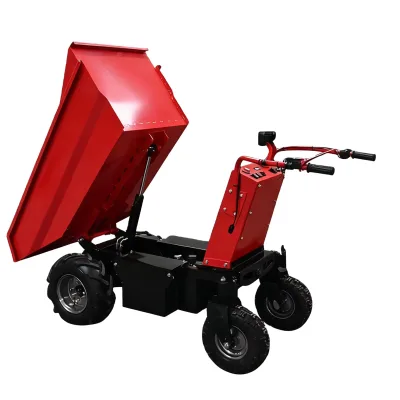

Electric Dump Truck Adaptable for Warehouse Bulk Goods Transport and Loading Unloading Use
$10000.00 - $20000.00
MOQ: 1 unit


Electric Dump Truck Ideal for Mining Area Ore Transportation and Heavy Duty Operations Use
$10000.00 - $20000.00
MOQ: 1 unit

Electric Dump Truck Effective for Large Scale Infrastructure Project Material Delivery Use
$10000.00 - $20000.00
MOQ: 1 unit

Electric Dump Truck Reliable Performance for 24 7 Continuous Industrial Operations Use
$10000.00 - $20000.00
MOQ: 1 unit


Comprehensive Sourcing Guide
Self-Loading Electric Dump Truck Sourcing Guide
Buyers evaluating self-loading electric dump trucks must first distinguish between pure electric models and hybrid configurations that combine diesel engines with battery groups. The observed market data indicates a diverse range of power sources, including diesel engines, battery groups, and specific lithium-ion battery systems, which directly impacts operational suitability for underground or surface mining environments. Procurement teams should verify the exact powertrain architecture before committing to a purchase, as the distinction between a fully electric unit and a hybrid affects charging infrastructure requirements and long-term maintenance protocols.
The product listings reveal significant variation in load capacity, ranging from 1 to 20 tons, which necessitates a precise match between vehicle specifications and the intended cargo volume. While some models are designed for lighter cargo tasks, others support heavy-duty hauling up to 20 tons, requiring robust frame materials and specific tire certifications like ECE, GCC, ISO, and DOT. Buyers must align their operational load requirements with the observed capacity ranges to ensure the selected unit can handle the specific demands of the mining or construction site without risking structural failure or excessive wear.
Product Scope and Observed Listing Signals
The observed product scope encompasses a wide array of models, identified by specific designations such as GD1T through GD6T, which cater to different operational scales and site conditions. These units are frequently marketed with dual-language naming conventions, including Spanish terms like "Volquete Subterranea" and "Mini Dumper Electrico," indicating a strong focus on Latin American markets such as Chile, Peru, and Bolivia. Procurement teams should recognize that the "self-loading" capability often integrates with front-lifting dumping styles, which is a critical feature for efficiency in confined underground spaces or tight surface work zones.
Listing signals also highlight specific customization options, including roof and cabin configurations, as well as anti-rust painting treatments essential for harsh mining environments. The presence of radial tire designs and specific tire brands like Chaoyang Mining Tyre suggests a focus on durability and traction, yet buyers must verify that these components are standard or optional for their specific order. Understanding these listing signals helps buyers navigate the variability in product offerings, ensuring they select a model that balances customization needs with the core functional requirements of their specific project.
Technical Specifications to Verify
Technical verification must begin with the engine capacity and displacement, as observed ranges span from 4 to 6 liters for diesel variants and 151 to 200cc for smaller units, alongside specific horsepower ratings between 251 and 350hp. Buyers need to confirm whether the vehicle utilizes a hydraulic or gear steering system and whether the transmission is automatic, as these factors significantly influence operator comfort and maneuverability in complex terrain. The frame material is consistently noted as steel, providing a baseline for structural integrity, but the specific thickness of the carriage, such as bottom 6mm and side 4mm, requires validation to ensure it meets the stress demands of the intended load.
Battery specifications are equally critical, with observed voltage levels at 72V and suppliers including Chaowei and Tianneng, alongside lithium-ion battery types. Procurement teams must verify the actual battery capacity and charging time, as these metrics determine the operational window of the electric or hybrid units. Additionally, the wheel distance, observed at 1040mm or 1050mm, and the overall width ranging from 950mm to 2400mm, must be cross-referenced with site dimensions to ensure the vehicle can navigate the available space without obstruction or safety hazards.
Compliance and Safety Documentation
Compliance verification requires a thorough review of the certification portfolio, which includes RoHS, ISO 9001:2000, ISO 9001:2008, CE, CCC, DOT, and EPA standards. Buyers must ensure that the specific unit they are purchasing carries the relevant certifications for their target market, as the presence of these documents is not guaranteed for every listed model despite the general supplier claims. The emission standard is noted as zero emission for electric variants, but diesel models must be checked against local environmental regulations to avoid regulatory penalties or operational restrictions in restricted zones.
Safety documentation should also cover the braking systems, which are described as oil or pneumatic, and the driving configurations, including left or right-hand drive options. Buyers must confirm that the vehicle meets the specific safety standards required for the region of operation, particularly regarding tire certifications like ECE and GCC, which are essential for international transport and local road legality. Ensuring that all safety and compliance documents are current and applicable to the specific model variant is a non-negotiable step before finalizing any procurement agreement.
Cost Drivers and Commercial Terms
Cost drivers for these vehicles are heavily influenced by the power source, with electric and hybrid models often commanding different price points compared to pure diesel units. The observed price range spans from $599 to $230,000, reflecting the vast difference between smaller utility models and heavy-duty mining trucks with advanced customization. Buyers should analyze the total cost of ownership, considering factors like battery replacement cycles, fuel efficiency, and maintenance costs, rather than focusing solely on the initial purchase price, as the long-term operational expenses can vary significantly between the different powertrain configurations.
Commercial terms must address the minimum order quantity, which is observed to be as low as one unit, allowing for flexible procurement strategies. However, buyers should negotiate clearly on lead times and shipping terms, as the origin is listed as China and the destination may vary across multiple countries including Malaysia, Ecuador, and Bolivia. Understanding the payment structure and warranty terms, which are typically one year, is essential for managing financial risk and ensuring that the supplier provides adequate support during the initial operational phase of the equipment.
Supplier Qualification and Quality Control
Supplier qualification should focus on verifying the manufacturer's ability to deliver consistent quality across the diverse range of models, from the GD1T to the GD6T series. Buyers must assess the supplier's track record in providing customized solutions, such as specific cabin designs or anti-rust painting, which are critical for longevity in mining environments. The presence of multiple certifications suggests a commitment to quality, but independent verification of the production facility and quality control processes is necessary to ensure that the specific unit ordered meets the promised standards and specifications.
Quality control checks must include a detailed inspection of the frame material, tire quality, and battery integrity before shipment. Buyers should request third-party inspection reports or conduct on-site audits to verify that the steel frame thickness and tire specifications match the contractual agreement. Given the high-stakes nature of mining operations, ensuring that the supplier adheres to strict quality control protocols is vital to prevent equipment failure and ensure the safety of the workforce operating the self-loading dump trucks.
Long-Term Procurement Checks
Long-term procurement checks should prioritize the availability of spare parts and the supplier's commitment to after-sales support, particularly for critical components like batteries and hydraulic systems. Buyers must establish clear service level agreements that define response times for repairs and the availability of replacement parts, ensuring minimal downtime during operations. The warranty period of one year is a starting point, but buyers should negotiate extended coverage for high-wear items to protect against unexpected maintenance costs and operational disruptions.
Continuous monitoring of the vehicle's performance against the initial specifications is essential for validating the supplier's claims and ensuring long-term reliability. Buyers should track metrics such as battery degradation, tire wear, and engine performance to identify any deviations from the expected operational parameters. Establishing a feedback loop with the supplier allows for proactive adjustments to maintenance schedules and operational practices, ensuring that the self-loading electric dump trucks continue to meet the demanding requirements of the mining or construction site over their entire lifecycle.
FAQs
What power sources are available for mining dump trucks?
Mining dump trucks typically utilize diesel engines or battery groups for power. The diesel engine option provides robust performance for heavy loads, while battery-powered models offer zero emission capabilities. This dual approach allows operators to choose based on environmental regulations and operational requirements in underground or surface mining environments.
Can these trucks be customized for specific mining conditions?
Yes, customization is available for various mining conditions. Buyers can select customized roofs or cabins to suit specific operational needs. Additionally, tire designs and dumping styles can be adjusted. This flexibility ensures the equipment meets the unique demands of different mining sites, enhancing efficiency and safety during cargo and passenger transport.
What certifications do these dump trucks hold?
These dump trucks hold multiple international certifications including CE, ISO 9001, DOT, EPA, and CCC. Tire certifications also include ECE and GCC standards. These credentials ensure compliance with global safety and quality regulations, making the vehicles suitable for export to markets in Malaysia, Ecuador, Bolivia, Peru, and Chile.
What is the load capacity range for these models?
The load capacity ranges from 1 to 20 tons across different models. Specific models support capacities between 1-10 tons, while others handle 11-20 tons. This variety allows buyers to select the appropriate truck size for their specific material handling needs, ensuring optimal performance for both light and heavy mining operations.
Which tire brands are used in these mining trucks?
Chaoyang Mining Tyres are used in these mining trucks. These radial tires are designed for durability and performance in harsh mining environments. The tire size is typically 18 inches, providing stability and traction. This specific brand choice ensures reliable operation and longevity, which is critical for continuous mining activities and heavy load transport.
What is the warranty period for these dump trucks?
The warranty period for these dump trucks is one year. This coverage provides buyers with assurance regarding the quality and reliability of the equipment. It covers standard operational issues, ensuring that the vehicle performs as expected during the initial year of use. This warranty supports long-term operational confidence for mining companies.