Source Standard Conveyor Roller for Car and Agricultural Machinery
Find a Standard Conveyor Roller for Car and Agricultural Machinery among 30 available options. Compare specifications including carbon steel and stainless steel materials, CE and ISO certifications, and custom OEM/ODM support to select the right solution for your industrial needs.
Key considerations
Products List


Ribbon Flight Screw Conveyor Manufacturers Agricultural Screw Conveyors
$2000.00 - $5000.00
MOQ: 1 Sets



Heavy-Duty Agricultural Conveyor Chains for Efficient Farming Operations
$0.09 - $0.13
MOQ: 500 meters


Comprehensive Sourcing Guide
Standard Conveyor Roller for Car and Agricultural Machinery Sourcing Guide
Procuring standard conveyor rollers for automotive and agricultural machinery requires a precise understanding of mechanical interfaces and load-bearing capacities. Buyers must distinguish between general-purpose rollers and those engineered for specific heavy-duty environments, such as mining or marine applications. The observed market data indicates a wide range of material compositions, including carbon steel and stainless steel, which directly influences durability and corrosion resistance. Understanding these material distinctions is the first step in aligning supplier offerings with the operational demands of your production line.
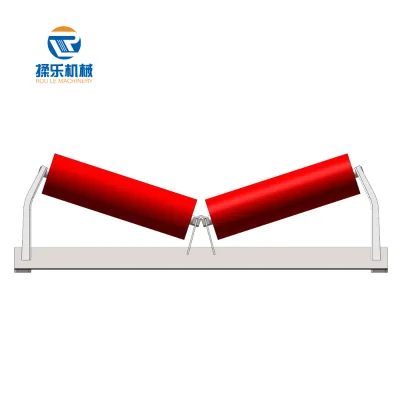
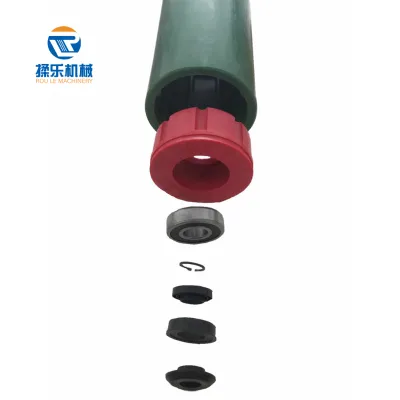
The structural design of the roller, whether configured as a roller conveyor or integrated into a roller chain system, dictates its compatibility with existing machinery. Suppliers often offer customization options, including OEM and ODM support, allowing for tailored solutions that fit unique spatial or functional constraints. Buyers should verify if the roller is part of a larger chain assembly, such as a double pitch chain, or a standalone component. This distinction affects maintenance schedules and replacement part availability, making it crucial to define the exact mechanical role of the roller before initiating procurement discussions.
Product Scope and Observed Listing Signals
The current market landscape for conveyor rollers reveals significant variability in product specifications and packaging standards. Listings frequently highlight energy-saving features and new condition items, suggesting a focus on efficiency and immediate availability. However, the observed price range is extremely broad, spanning from low-cost components to high-value industrial units, which reflects differences in material quality, manufacturing complexity, and certification levels. Buyers must carefully evaluate these price points against the specific technical requirements of their application to avoid under-specifying critical components.
Packaging methods vary widely, with options ranging from simple plastic bags to robust wooden crates and multi-layer wood boxes. This variation is often tied to the fragility of the component and the distance of shipment, particularly for products originating from major manufacturing hubs in China. The presence of inspection reports and standardized packing like plywood cases indicates a higher level of quality assurance and logistical preparedness. Buyers should prioritize suppliers who provide detailed packing specifications to ensure that rollers arrive without damage, especially when dealing with precision-machined surfaces or delicate chain attachments.
Technical Specifications to Verify
Verifying the material composition is paramount, as rollers are commonly manufactured from carbon steel, alloy steel, or stainless steel. Each material offers distinct advantages: carbon steel provides strength and cost-effectiveness, while stainless steel offers superior corrosion resistance for harsh environments. Buyers must confirm the exact grade and treatment, such as polishing, electroplating, or galvanization, to ensure compatibility with the operating environment. The working temperature range, observed to be between -40°C and 90°C, is another critical parameter that must align with the thermal conditions of the machinery.
Dimensional accuracy and standard compliance are equally important. Rollers may adhere to international standards such as GB, ISO, ANSI, or DIN, or be manufactured to nonstandard, custom sizes. The observed product models, including TD75, TDII, and FB, suggest a variety of design iterations available in the market. Buyers should request detailed dimensional drawings and verify that the roller’s outer diameter and length match their machinery’s specifications. Customized size options are available, but they require clear communication of tolerances to prevent fitment issues during installation.
Compliance and Safety Documentation
Certification status serves as a primary indicator of a supplier’s commitment to quality management and environmental responsibility. Many suppliers hold ISO9001:2015 and ISO14001:2015 certifications, which validate their adherence to international standards for quality and environmental management systems. Additionally, some products carry CE marks, indicating compliance with European health, safety, and environmental protection standards. Buyers should request copies of these certificates to verify their validity and ensure they cover the specific products being procured.
Beyond certifications, the availability of inspection reports is a key factor in ensuring product reliability. Suppliers that provide detailed inspection reports demonstrate a transparent approach to quality control, allowing buyers to verify that each batch meets specified criteria. The warranty period, typically observed as one year, offers a baseline level of protection against manufacturing defects. Buyers should clarify the terms of the warranty, including coverage for wear and tear, to understand the long-term risk mitigation provided by the supplier.
Cost Drivers and Commercial Terms
Lead times are a significant commercial factor, with standard chains often requiring 20-30 days for production, while customized chains may take 45-55 days. These timelines can impact production schedules, so buyers must plan procurement activities well in advance. The minimum order quantity (MOQ) varies, with observed ranges from 1 to 1000 units, allowing for flexibility in order sizing. Buyers should negotiate MOQs based on their consumption rates and storage capabilities to optimize inventory costs.
Pricing is influenced by material costs, manufacturing complexity, and customization levels. While specific prices vary, the broad observed range suggests that buyers can find options at different price points. However, lower prices may correlate with reduced material quality or fewer certifications. Buyers should request detailed quotations that break down costs for materials, processing, and packaging. Understanding these cost drivers helps in making informed decisions that balance budget constraints with performance requirements.
Supplier Qualification and Quality Control
Supplier location and manufacturing capabilities are critical indicators of reliability. Many suppliers are based in industrial regions such as Suzhou, Jiangsu, or Shanghai, China, which are known for their robust manufacturing ecosystems. Buyers should verify the supplier’s production capacity and machining processes, which may include CNC machining, lathing, milling, and turning. These processes ensure precision in roller manufacturing, which is essential for smooth operation in conveyor systems.
Quality control measures, such as blank processing via forging or stamping, further influence product integrity. Buyers should inquire about the supplier’s quality assurance protocols, including in-process inspections and final product testing. The availability of OEM and ODM services indicates a supplier’s ability to adapt to specific customer needs. Buyers should assess the supplier’s responsiveness and technical support capabilities to ensure a smooth procurement process and effective problem resolution.
Long-Term Procurement Checks
Establishing a long-term relationship with a supplier requires ongoing monitoring of product performance and service quality. Buyers should track the durability of rollers in their applications, noting any issues related to wear, corrosion, or mechanical failure. Regular feedback to the supplier can drive continuous improvement and ensure that products meet evolving operational demands. Maintaining open communication channels helps in addressing any emerging issues promptly and effectively.
Reviewing supplier performance metrics, such as on-time delivery rates and defect percentages, is essential for maintaining supply chain stability. Buyers should periodically reassess their supplier base to ensure they remain competitive and reliable. Considering the availability of spare parts and after-sales support is also crucial for minimizing downtime. By focusing on these long-term factors, buyers can build a resilient supply chain that supports the efficient operation of their car and agricultural machinery conveyor systems.
FAQs
What certifications do the conveyor rollers have?
The products hold CE and ISO9001 certifications, ensuring compliance with international quality standards. Some listings also include ISO14001 for environmental management. These certifications verify the manufacturing process meets rigorous safety and quality requirements for industrial applications.
Can I get custom sizes for these rollers?
Yes, customization is available with options for OEM and ODM support. Buyers can request specific dimensions like 50x50x50 or other custom sizes. The manufacturer offers tailored solutions to fit unique machinery requirements while maintaining high production standards.
Which materials are used for the roller construction?
Rollers are constructed from Carbon Steel, Stainless Steel, or Alloy Steel depending on the application. These materials provide durability and resistance to wear. The choice of material ensures suitability for various environments including mining, food processing, and automotive industries.
How long is the lead time for standard orders?
The lead time for standard chain products is typically 20 to 30 days. Customized orders require a longer period, usually between 45 and 55 days. This timeline accounts for production, quality inspection, and packaging preparation before shipment from the factory.
What is the warranty period for these products?
A one-year warranty is provided for the conveyor rollers and related components. This coverage ensures reliability and performance during the initial operational period. Buyers receive support for manufacturing defects, ensuring peace of mind for their industrial equipment investments.
How are the products packaged for shipping?
Products are packed in wooden cases, crates, or multi-layer wood boxes with plastic bags inside. This robust packaging protects the rollers during transit. The method ensures safety for heavy industrial items like chains and rollers when shipped globally from China.
Which industries can use these conveyor rollers?
These rollers serve diverse sectors including automotive, agricultural machinery, mining, and food processing. They are also suitable for marine, textile, and packaging equipment. The versatile design supports various applications requiring reliable material handling and conveyor systems.