Source Sensor Touchpad Kitchen Garbage Bin for Home, Office, Hotel
Explore 30 options for the Sensor Touchpad Kitchen Garbage Bin, featuring induction styles and various capacities like 12L and 20L. Compare plastic and stainless steel models from brands such as Yw and Dailyart to find durable, eco-friendly solutions for home, office, and outdoor use.
Key considerations
Products List


Sensor Kitchen Garbage Bin Smart Dustbin Plastic Touchless Bin Sensor Bin
$8.00 - $9.00
MOQ: 500 Pieces


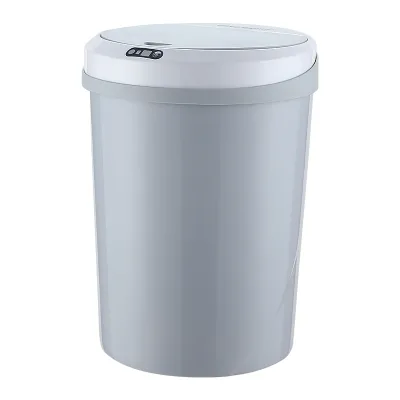


Comprehensive Sourcing Guide
Sensor Touchpad Kitchen Garbage Bin Sourcing Guide
Sourcing sensor touchpad kitchen garbage bins requires a clear understanding of the distinct product categories available in the current market. Buyers must distinguish between induction-type bins that rely on electronic sensors and traditional pedal bins, as these serve different operational needs. The observed product landscape includes models made from plastic and stainless steel, each offering unique aesthetic and durability profiles. Plastic options often feature unicolor designs and are marketed as eco-friendly, while stainless steel variants provide a modern finish with powder coating or matte textures. Understanding these material differences is the first step in aligning procurement with specific kitchen or office environments.
The application scope for these bins extends beyond residential kitchens to include offices, hotels, gardens, and public spaces. This versatility means buyers must evaluate the bin’s capacity and shape against the intended usage location. For instance, rectangular or square designs with capacities ranging from 10L to 70L cater to varying waste volumes. Induction-style bins are particularly suited for hygienic environments where hands-free operation is critical, such as commercial kitchens or healthcare facilities. Buyers should assess whether the sensor technology aligns with the frequency of use and the cleanliness standards required in their specific operational context.
Product Scope and Observed Listing Signals
The current market listings reveal a wide range of customization options and product attributes that buyers must navigate carefully. Many suppliers offer both customized and non-customized versions, allowing for brand-specific branding or standard unicolor finishes. The observed product types include sensor dustbins and pedal bins, with shapes varying from rectangular to square. Capacities are diverse, with common sizes including 12L, 20L, 22L, and 24L, as well as larger options up to 70L. These variations indicate that buyers should not assume a one-size-fits-all approach but rather select models that match their specific spatial and waste management requirements.
Packaging and origin details are also significant signals in the sourcing process. Products are typically packed in cartons, white boxes, or color boxes, which can impact shipping efficiency and retail presentation. The majority of observed products originate from Guangdong, China, a hub for manufacturing these types of household goods. Buyers should note that some listings specify item numbers like WBS113 or WBS179, which can help in tracking specific models. Additionally, features such as being stocked or eco-friendly are highlighted, suggesting that buyers should verify these claims through direct supplier communication to ensure they meet their sustainability or inventory goals.
Technical Specifications to Verify
Verifying technical specifications is crucial to ensure the sensor touchpad functionality meets operational expectations. Buyers must confirm the power source for the induction type, whether it uses batteries or direct wiring, as this affects maintenance and installation complexity. The sensor’s response time and detection range are critical for user experience, especially in high-traffic areas like commercial kitchens. Additionally, the material construction, such as stainless steel with powder coating or plastic, must be evaluated for durability and resistance to corrosion or impact. These factors directly influence the lifespan of the bin and its ability to withstand daily wear and tear.
Capacity and dimensions are another set of specifications that require careful verification. Listings show standard sizes like 192331 cm for 12L bins, but buyers should request exact internal dimensions to ensure compatibility with existing waste collection systems. The type of lid mechanism, whether it is a soft-close sensor lid or a manual pedal, should be clearly defined. Furthermore, the finishing process, such as matte or glossy coatings, affects both aesthetics and ease of cleaning. Buyers should ask for detailed technical drawings or product datasheets to confirm these specifications before placing bulk orders, ensuring that the product fits seamlessly into their procurement strategy.
Compliance and Safety Documentation
Compliance with safety and environmental standards is a non-negotiable aspect of sourcing sensor touchpad kitchen garbage bins. Buyers must ensure that the electronic components, particularly the sensor and battery housing, meet relevant electrical safety regulations for the target market. This includes verifying that the products do not contain hazardous substances and that the materials used are food-safe if they come into contact with waste. Documentation such as material safety data sheets (MSDS) and electrical compliance certificates should be requested from suppliers to confirm adherence to international standards. This step is essential for mitigating legal risks and ensuring product safety.
Environmental certifications are also increasingly important, especially for buyers targeting eco-conscious markets. While some listings claim eco-friendly attributes, buyers should verify these claims through recognized certifications or material composition reports. For plastic bins, this might involve confirming the use of recycled materials or biodegradable components. For stainless steel models, the durability and recyclability of the material should be assessed. Buyers should also inquire about the packaging materials, ensuring they are recyclable or minimal to reduce environmental impact. This due diligence helps align procurement with corporate sustainability goals and regulatory requirements.
Cost Drivers and Commercial Terms
Cost drivers for sensor touchpad kitchen garbage bins include material quality, electronic component complexity, and customization levels. Stainless steel models with advanced sensor technology typically command higher prices than basic plastic bins. Buyers should analyze the price range, which varies significantly based on capacity and features, to understand the value proposition of each option. Additionally, customization options such as branding or specific color finishes can impact the unit cost. Understanding these variables helps buyers negotiate better terms and allocate their budget effectively across different product lines.
Commercial terms, including minimum order quantities (MOQ) and lead times, are critical for supply chain planning. Observed MOQs range from 10 to 1000 units, with some suppliers requiring higher volumes for customized orders. Lead times can vary, with sample times often taking 7-10 working days, while bulk production may take longer. Buyers should clarify payment terms, shipping responsibilities, and return policies to avoid unexpected costs. Negotiating favorable terms based on order volume and long-term partnership potential can significantly reduce overall procurement costs and improve cash flow management.
Supplier Qualification and Quality Control
Supplier qualification is a vital step in ensuring the reliability of Sensor Touchpad Kitchen Garbage Bin sourcing. Buyers should assess suppliers’ manufacturing capabilities, quality control processes, and track record in the industry. Requesting references or case studies from previous clients can provide insights into the supplier’s consistency and responsiveness. Additionally, verifying the supplier’s certifications, such as ISO standards for quality management, adds a layer of confidence in their operational practices. This due diligence helps mitigate the risk of receiving substandard products or experiencing supply chain disruptions.
Quality control measures should be clearly defined and agreed upon before production begins. Buyers should specify inspection criteria, including functional tests for the sensor mechanism and durability tests for the bin structure. Third-party inspection services can be employed to verify product quality before shipment, ensuring that the delivered goods meet the agreed specifications. Establishing a clear protocol for handling defects or non-conforming products is also essential. This proactive approach to quality control helps maintain product integrity and customer satisfaction, reducing the likelihood of returns or complaints.
Long-Term Procurement Checks
Long-term procurement checks involve monitoring supplier performance and product reliability over time. Buyers should establish key performance indicators (KPIs) to track delivery times, product quality, and customer feedback. Regular audits or reviews of the supplier’s operations can help identify potential issues early and foster continuous improvement. Additionally, staying informed about market trends and technological advancements in sensor technology can help buyers make informed decisions about future product upgrades or replacements. This strategic approach ensures that the procurement process remains aligned with evolving business needs and market demands.
Sustainability and regulatory changes are also factors that require ongoing attention. Buyers should regularly review their suppliers’ compliance with environmental regulations and sustainability goals. This includes assessing the lifecycle impact of the products and exploring opportunities for more sustainable materials or packaging. Engaging in open dialogue with suppliers about these issues can lead to collaborative solutions that benefit both parties. By maintaining a proactive stance on long-term procurement checks, buyers can build resilient supply chains that support their business objectives and contribute to a more sustainable future.
FAQs
What materials are used for sensor touchpad kitchen garbage bins?
These bins are primarily constructed from durable plastic or stainless steel. Plastic models offer lightweight and cost-effective solutions for home use, while stainless steel variants provide a modern aesthetic and enhanced longevity. The choice depends on the desired style and budget for the specific application area.
Can I customize the capacity of these sensor bins?
Yes, customization is available for various capacity requirements. Standard options include 12L, 20L, 22L, 24L, and larger sizes up to 70L. Buyers can select specific volumes to match their space constraints, ensuring the bin fits perfectly in kitchens, offices, or outdoor areas without compromising functionality.
What is the typical MOQ for ordering these bins?
The minimum order quantity typically ranges from 10 to 1000 units, depending on the supplier and customization level. Some manufacturers set a standard MOQ of 500 units for custom orders. Lower MOQs may be available for stocked items, allowing buyers to test the market with smaller initial purchases.
How are these bins packaged for shipping?
Bins are securely packaged in cartons or white boxes, often with color boxes for retail readiness. The packing method ensures protection during transit. Master cartons are used for bulk shipments, while individual units may come in branded packaging. This approach minimizes damage and simplifies inventory management for distributors.
Which styles are available for sensor touchpad bins?
Available styles include induction type, modern, and rectangular or square shapes. Colors range from unicolor white and dark gray to vibrant options like red, pink, blue, and silver. These designs cater to diverse interior decors, ensuring the bin complements kitchen, bathroom, or office environments effectively.
What is the sample time for custom orders?
The sample time is typically 7-10 working days for custom requests. This period allows manufacturers to produce prototypes based on specific design or capacity requirements. Buyers should plan their procurement timeline accordingly to ensure timely evaluation and approval before proceeding with full-scale production orders.