Source Sequin Embroidery Organza Lace Fabric for Wedding, Bridal, Home Textile
Compare 30 listings of Sequin Embroidery Organza Lace Fabric from verified suppliers. Buyers can evaluate models like YW-1608 and TY-5037, review materials such as polyester and tulle, and check customization options for wedding dresses, bridal gowns, and home textile applications.
Key considerations
Products List


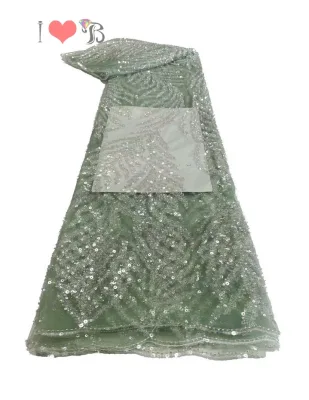


Elegant Sequins Lace Embroidery Fabric for Wedding Crafts and Decorations
$4.00 - $9.00
MOQ: 300 Meters


China Manufactured OEM Embroidery Lace Fabric with Sequins for Wedding Dresses
$6.00 - $10.00
MOQ: 50 Yards


Special Designed OEM Embroidery Lace Fabrics with Sequins for Wedding Dresses
$10.00 - $14.00
MOQ: 50 Yards




Comprehensive Sourcing Guide
Sequin Embroidery Organza Lace Fabric Sourcing Guide
Procuring Sequin Embroidery Organza Lace Fabric requires distinguishing between specific product models that define the final aesthetic and structural integrity of the material. Buyers must verify that the listed model numbers, such as YW-1608 or TY-5037, correspond to the exact technical requirements for their intended garment construction. The observed product range includes variations like polyester floral tulle and sequin embroidery lace, each serving distinct design needs from bridal wear to home textiles.
Understanding the specific application context is critical before initiating a purchase order, as the fabric's usage dictates the necessary durability and finish. The available inventory supports applications ranging from wedding dresses and evening gowns to general garment decoration and home textile projects. Buyers should confirm that the selected fabric, whether it features feather embroidery or net embroidery techniques, aligns with the specific design constraints of their collection to avoid material mismatch during production.
Product Scope and Observed Listing Signals
The market listing signals indicate a diverse range of product models, including JH-5505, HL-9001, and XYS-4505, each with unique material compositions and decorative styles. Some listings specify a ground fabric of Korea Poly Mesh, while others utilize standard polyester or nylon blends, directly influencing the drape and texture of the finished lace. The observed price range of 0.8 to 15 USD suggests significant variation based on the complexity of the embroidery and the density of the sequin application.
Buyers must carefully evaluate the packing specifications provided, as some items arrive in plastic bags while others are shipped in rolls or bales. The presence of customization options allows for tailored fabric colors and specific embroidery applications like Art Deco styles, but this flexibility often requires clear communication of design intent. It is essential to verify if the listed features, such as eco-friendly attributes or specific brand names like blinglace, apply to the specific batch being ordered to ensure consistency with brand standards.
Technical Specifications to Verify
Technical verification begins with confirming the width and material composition, as the observed listings show widths ranging from 51 to 52 inches up to 125-130 centimeters. The material composition is frequently a blend of polyester and nylon or pure tulle, which affects the fabric's stiffness and suitability for structured garments versus flowing designs. Buyers should explicitly check the technics listed, such as knitted or embroidered methods, to ensure the production process matches the desired visual texture and durability.
The specific embroidery details, including feather, net, and floral patterns, must be cross-referenced with the product standard descriptions provided in the listing. For instance, some models are defined as Polyester Floral Embroidery Allover Lace, while others are classified as Polyester Floral Sequin Embroidery Lace. Verifying the exact model number against these standards ensures that the decorative elements, such as sequins or floral motifs, are applied correctly and will not degrade during the garment manufacturing process.
Compliance and Safety Documentation
While the provided data highlights quality attributes like "High Quality" and "Eco-Friendly," buyers must independently verify that these claims are backed by recognized safety certifications for the specific region of import. The origin is listed as China, specifically Guangdong, which is a major manufacturing hub, but this does not automatically guarantee compliance with international safety standards for textiles used in children's wear or intimate apparel. Procurement teams should request test reports regarding flammability, chemical residues, and heavy metal content before finalizing any bulk order.
Documentation regarding the production standards, such as the Polyester Floral Tulle or Polyester Embroidery Sequin Fabric standards mentioned, should be reviewed to ensure they meet the regulatory requirements of the destination market. Buyers should not assume that a product labeled as eco-friendly meets specific environmental certifications without seeing the corresponding documentation. Ensuring that the supplier can provide valid compliance certificates is a necessary step to mitigate the risk of customs delays or product recalls due to non-compliance with local safety regulations.
Cost Drivers and Commercial Terms
The commercial terms for these fabrics are heavily influenced by the Minimum Order Quantity (MOQ), which varies significantly across different product models from 150 yards to 500 yards per color. The observed MOQ range of 1 to 1000 units indicates that smaller buyers may face higher per-unit costs or limited model availability, while larger orders can leverage economies of scale. Buyers must calculate the total landed cost by factoring in the specific MOQ requirements for each model, such as the 300-yard requirement for JH-5505, to determine the financial feasibility of the project.
Lead times and delivery schedules are another critical cost driver, with some suppliers offering a three-week delivery window after receiving a purchase order, while others do not support seven-day sample orders. The availability of free hanger samples can reduce initial sampling costs, but the lead time for bulk production must be aligned with the overall project timeline to prevent delays. Understanding the payment terms and the specific delivery conditions associated with each model is essential for accurate budgeting and supply chain planning.
Supplier Qualification and Quality Control
Supplier qualification should focus on verifying the consistency of the "High Quality" claims through rigorous quality control protocols and sample validation. Buyers must assess the supplier's ability to maintain the specific technical attributes, such as the precise width of 125-130cm or the specific embroidery techniques like net embroidery, across large production runs. The presence of customization options suggests a flexible manufacturing process, but this flexibility must be balanced with strict quality checks to ensure that the final product matches the approved sample exactly.
Quality control measures should include a detailed inspection of the fabric's ground material, such as the Korea Poly Mesh, and the integrity of the sequin and embroidery application. Buyers should implement a pre-shipment inspection protocol to verify that the packing, whether in rolls or bales, protects the delicate lace from damage during transit. Establishing a clear quality agreement that defines acceptable defect rates and specifies the required standards for the polyester floral embroidery is crucial for maintaining product consistency and brand reputation.
Long-Term Procurement Checks
Long-term procurement success depends on establishing a reliable supply chain that can consistently meet the evolving demands of fashion and textile markets. Buyers should monitor the supplier's ability to maintain the specific product standards, such as the Polyester Floral Sequin Embroidery Lace, over multiple production cycles without compromising on quality or delivery timelines. Regular audits of the supplier's production capabilities and quality control systems will help ensure that the fabric remains consistent with the original specifications.
Building a strategic partnership with suppliers who offer customization and have a proven track record in producing high-quality lace fabrics is essential for long-term growth. Buyers should maintain open communication channels to discuss potential design changes, such as new embroidery applications or fabric colors, and ensure that the supplier can adapt to these requirements efficiently. Continuous evaluation of the supplier's performance against key metrics like lead time, MOQ flexibility, and quality consistency will help secure a stable supply of Sequin Embroidery Organza Lace Fabric for future projects.
FAQs
What materials are used for Sequin Embroidery Organza Lace Fabric?
The fabric is primarily made from polyester, nylon, or tulle. Some variants use a Korea poly mesh ground fabric. These materials provide durability and a fine texture suitable for intricate embroidery and sequin applications in various garment types.
Can I customize the fabric colors and styles?
Yes, customization is available for fabric colors and styles. Buyers can request specific shades to match their design requirements. The product supports custom orders, allowing for tailored solutions for bridal, evening, and party dresses while maintaining high quality standards.
What is the minimum order quantity for this lace?
The minimum order quantity varies by model, typically ranging from 150 to 500 yards per color. Specific models like TY-5037 require 150 yards, while others like XYS-4505 require 500 yards. Buyers should check the specific model requirements before placing an order.
How long is the delivery time for orders?
The standard delivery time is approximately three weeks after receiving the purchase order. This timeline allows for production and quality checks. Buyers should plan their procurement schedule accordingly to ensure timely receipt of the sequin embroidery lace fabric for their projects.
Is a sample available before placing a bulk order?
Samples are available for evaluation. Some suppliers offer free hanger samples to help buyers assess quality and texture. This allows for verification of the embroidery and sequin work before committing to a larger purchase, ensuring the fabric meets the desired aesthetic standards.
What are the common applications for this fabric?
This fabric is commonly used for wedding dresses, bridal gowns, party wear, and evening dresses. It is also suitable for home textiles and general garment decoration. The Art Deco and floral embroidery styles make it ideal for high-end fashion and decorative applications.