Source Serum Dropper Bottles for Medical, Perfume, and Chemical Use
Compare 30 serum dropper bottle options from Chinese manufacturers. Find glass and plastic vials with leak-proof locks, custom caps, and eco-friendly features for medical, perfume, and chemical applications. These products support OEM services and offer various sizes from 5ml to 100ml.
Key considerations
Products List


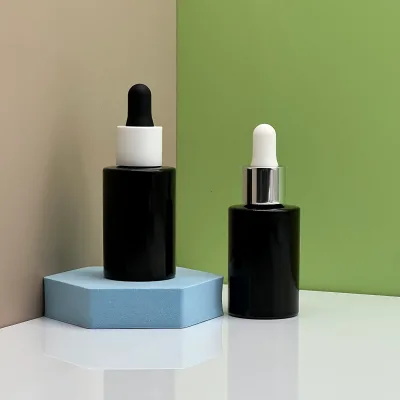


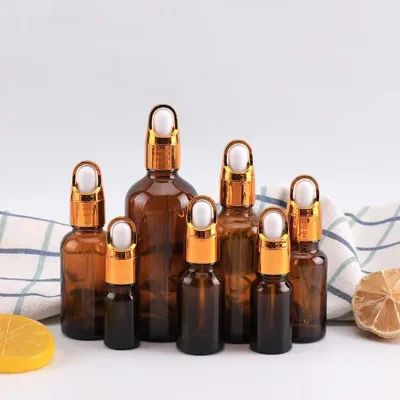

Comprehensive Sourcing Guide
Serum Dropper Bottle Sourcing Guide
Procuring serum dropper bottles requires distinguishing between glass and plastic variants, as the supplied data indicates both materials are available for this application. Buyers must verify whether the specific unit is designed for essential oils, perfumes, or medical vials, since the observed listings include products explicitly labeled for medical use alongside those intended for cosmetic packaging. The choice of material directly impacts the bottle's compatibility with the serum's chemical composition and the required barrier properties against light or moisture.
The observed product range spans from 5ml to 200ml capacities, with specific models like the JYP and IDLI-212 indicating standardized sizing options. Sourcing decisions should account for the fact that some listings offer custom molds for special shapes, while others rely on standard round or clear designs. Understanding the specific capacity and shape requirements is essential before engaging suppliers, as the availability of pre-existing molds significantly influences lead times and unit costs for the final order.
Product Scope and Observed Listing Signals
The market signals for serum dropper bottles reveal a diverse array of closure types, including aluminum screw caps, lotion pumps, and atomizers, which must align with the dispensing needs of the specific serum formula. While many listings highlight leak-proof locks and screw caps, the presence of child-proof bottle dropper tops suggests a specialized segment for medical or safety-conscious applications. Buyers should carefully cross-reference the listed cap type with the viscosity of their product to ensure the dispensing mechanism functions correctly without leakage or clogging.
Color options observed in the listings range from transparent and clear to amber, with amber glass often selected for light-sensitive formulations. The data also notes the availability of shrink-wrapped and carton packaging, which is critical for protecting fragile glass units during transit. Procurement teams must verify if the supplier offers the specific color and finish required, as the transition from standard clear glass to amber or custom colors may involve different production runs or minimum order quantities.
Technical Specifications to Verify
Verifying the exact capacity and neck finish is paramount, as the supplied facts list specific thread standards such as 18/400, 18/410, and 20/410. These specifications determine the compatibility of the dropper assembly with the bottle neck, and a mismatch can render the entire unit unusable. Buyers must confirm that the selected bottle model matches the intended dropper size, especially when sourcing from suppliers offering a wide range of models from 10ml up to 200ml.
The sealing mechanism is another critical technical parameter, with listings citing both leak-proof locks and standard screw caps. For serum applications, the integrity of the seal is vital to prevent evaporation and contamination over the product's shelf life. Procurement teams should request physical samples to test the sealing performance under various conditions, ensuring that the chosen closure type meets the rigorous demands of the specific serum formulation and intended storage environment.
Compliance and Safety Documentation
Compliance verification is essential, as the observed listings include certifications such as LFGB, FDA, ISO, CE, and CIQ. These certifications indicate that the manufacturer adheres to specific safety and quality standards, which is particularly important for products intended for medical or cosmetic use. Buyers must request valid certificates for the specific batch or model being ordered, as certification status can vary between different product lines within the same supplier's catalog.
Material safety is equally critical, with the data distinguishing between glass and plastic constructions. For serum applications, the material must be chemically inert to prevent interaction with the active ingredients. Buyers should verify that the glass is melt glass and that any plastic components are food-grade or pharmaceutical-grade, ensuring that the packaging does not leach harmful substances into the serum. Documentation proving material composition and safety testing should be a prerequisite for finalizing any purchase agreement.
Cost Drivers and Commercial Terms
Cost structures for serum dropper bottles are influenced by the complexity of the mold, the material type, and the customization level. The data indicates that special shapes and sizes require opening new molds, which significantly increases the initial investment and unit cost. Buyers should evaluate whether a standard round or clear design suffices for their needs to avoid unnecessary expenses associated with custom tooling and extended production timelines.
Commercial terms vary, with observed payment methods including TT and delivery times ranging from 10 to 25 days. The minimum order quantity (MOQ) can range widely from 1 to 30,000 units, affecting the total cost per unit and the feasibility of small-batch testing. Procurement teams must negotiate terms that balance the MOQ requirements with their inventory strategy, ensuring that the lead time aligns with their production schedule and that the payment terms do not strain cash flow during the initial sourcing phase.
Supplier Qualification and Quality Control
Supplier qualification should focus on their production capabilities, particularly the presence of an automatic inspection system for the whole process. This feature suggests a higher level of quality control and consistency in the final product, reducing the risk of defects such as cracks or sealing failures. Buyers should inquire about the specific inspection protocols used and request evidence of their quality management systems to ensure that the supplier maintains high standards throughout the manufacturing process.
Quality control extends to the packaging and shipping methods, with listings noting shrink wrapping and carton or pallet options. Proper packaging is essential to prevent breakage, especially for glass serum bottles, and suppliers should demonstrate their ability to handle fragile items securely. Procurement teams should verify the supplier's track record for on-time delivery and their ability to maintain product integrity during transit, as damaged goods can lead to significant losses and delays in the supply chain.
Long-Term Procurement Checks
Long-term procurement success depends on the supplier's ability to support customization and maintain consistent quality over time. The data shows that customization is available, including custom labels and specific mold requirements, which allows for brand differentiation. Buyers should establish clear communication channels with the supplier to ensure that any changes in design or material specifications are managed effectively without compromising the product's integrity or delivery schedule.
Sustainability is an emerging factor, with some listings highlighting features like recyclable, disposable, and degradable properties. As market expectations shift towards eco-friendly packaging, buyers should assess the supplier's commitment to sustainable practices and their ability to provide materials that meet evolving environmental standards. Regular audits and performance reviews will help ensure that the supplier continues to meet these long-term requirements while maintaining competitive pricing and reliable service.
FAQs
What materials are used for serum dropper bottles?
Serum dropper bottles are primarily manufactured from glass or plastic. Glass options include melt glass types that are eco-friendly and recyclable. Plastic variants are also available for specific applications. Both materials offer leak-proof sealing to protect the contents. Buyers can choose based on their preference for sustainability or weight requirements.
Can I customize the size of serum dropper bottles?
Yes, customization is available for serum dropper bottles. Standard sizes range from 5ml to 100ml, including specific models like 30ml and 50ml. For special shapes or sizes, new molds may need to be opened. Suppliers support OEM and ODM services to meet unique packaging needs. This ensures the bottle fits your specific product volume and design.
Which certifications are required for medical serum bottles?
Medical-grade serum bottles often require certifications such as LFGB, FDA, ISO, CE, and CIQ. These ensure the materials are safe for direct contact with sensitive formulations. Transparent or amber glass options are available to meet regulatory standards. Buyers should verify specific certification requirements with suppliers to ensure compliance for their target markets.
How long is the delivery time for serum bottles?
The typical delivery time for serum dropper bottles is 10 to 25 days. This lead time applies to standard orders and customized packaging. Factors like MOQ and specific customization needs may affect the exact schedule. Suppliers usually offer shrink-wrapped or carton packaging for safe transit. Early planning helps align production with your product launch timeline.
What sealing types are available for serum dropper bottles?
Serum dropper bottles feature leak-proof lock sealing types to prevent spills. Common closures include aluminum screw caps, lotion pumps, and atomizers. Some designs use screw caps for secure sealing. These options ensure the integrity of essential oils, perfumes, or medical serums. The sealing mechanism is critical for maintaining product freshness and safety during storage.
Are serum dropper bottles eco-friendly and recyclable?
Many serum dropper bottles are designed to be eco-friendly and recyclable. Glass bottles, in particular, are noted for their recyclability and degradation properties. Suppliers emphasize automatic inspection systems to ensure quality and sustainability. Choosing glass over plastic can support your brand's environmental goals. This aligns with growing consumer demand for sustainable packaging solutions.