Source Side-by-Side UTV for Farming, Mining, and Rescue
Compare 30 Side-by-Side UTV models with varying engine sizes, cargo capacities, and transmission types. Buyers can evaluate specifications like fuel tank capacity, ground clearance, and braking systems to find suitable off-road utility vehicles for industrial and recreational use.
Key considerations
Products List


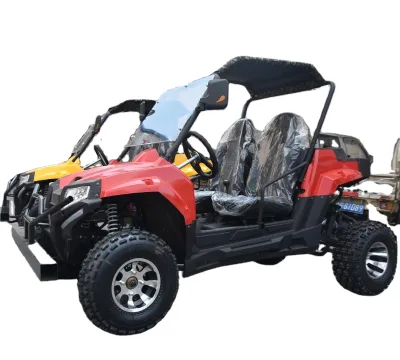

Utv Street Legal Utility Vehicles Pug Utv Parts Side by Side Utv Tent
$1500.00 - $1600.00
MOQ: 1 Minimum
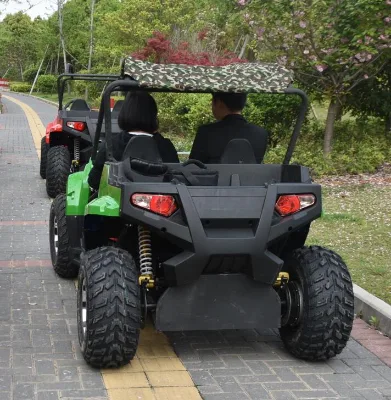

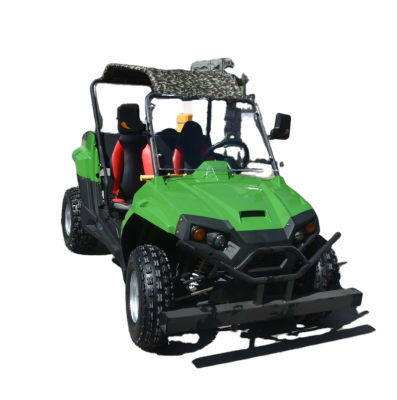
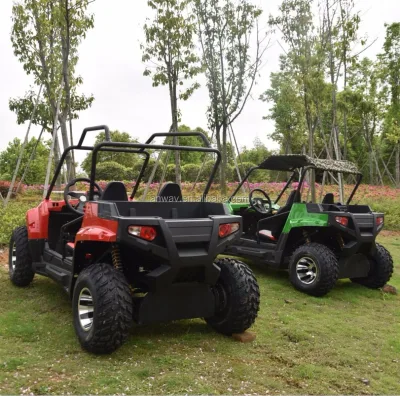
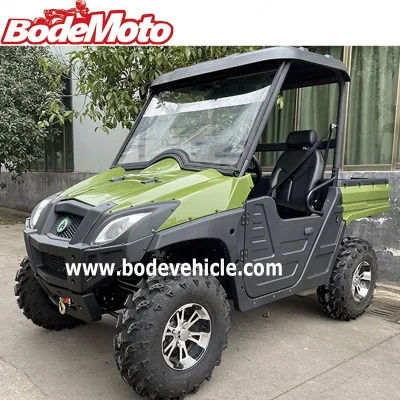
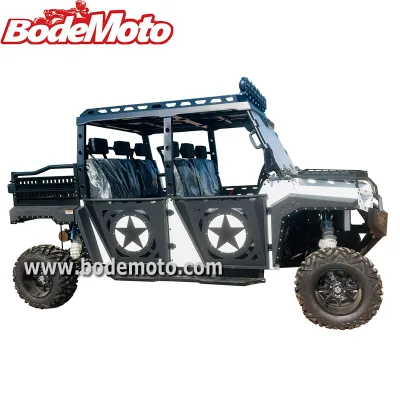


2-Seater Electric Side by Side UTV off-Road Ready Electric UTV for Sale
$7000.00 - $7900.00
MOQ: 1 Pieces


Electric Side-by-Side UTV for Farm and Ranch Utility Work with Cargo Bed
$7000.00 - $8900.00
MOQ: 1 unit

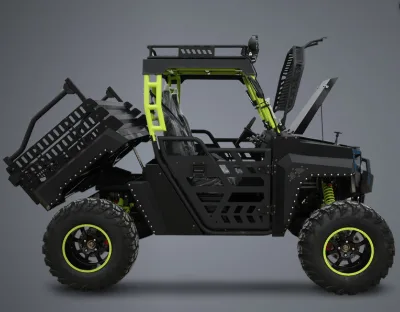
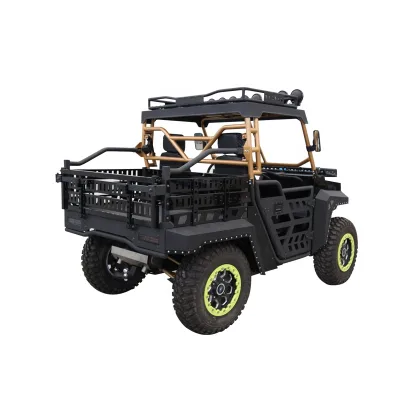
4X4, UTV, 800cc, Sidebyside, Offroad: Premium 800cc 4X4 Side by Side UTV
$11580.00 - $12580.00
MOQ: 1 Pieces


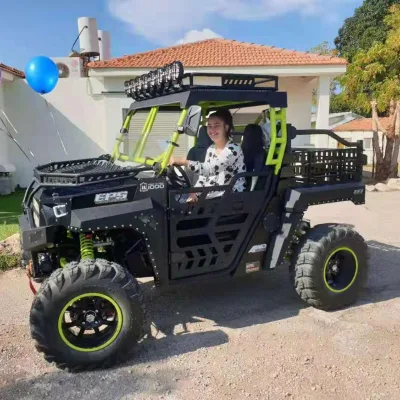


Comprehensive Sourcing Guide
Strategic Sourcing Guide for Side-by-Side UTV Procurement
The global market for side-by-side utility task vehicles (UTVs) presents a complex landscape for B2B buyers seeking reliable equipment for industrial, agricultural, and recreational applications. Sourcing these vehicles requires a disciplined approach that prioritizes technical alignment, regulatory compliance, and supply chain stability over superficial marketing claims. The following guide synthesizes observed market data and technical attributes to provide a framework for evaluating potential suppliers and products. Buyers must navigate a wide range of specifications, from engine displacement and transmission types to payload capacities and fuel systems, ensuring that the selected unit meets the specific operational demands of their enterprise.
Technical Specification Analysis and Engine Configuration
When evaluating side-by-side UTVs, the engine configuration serves as the primary determinant of performance and suitability for specific tasks. The observed market data indicates a diversity in engine types, ranging from single-cylinder, four-stroke, air-cooled units with CVT (Continuously Variable Transmission) to more complex multi-cylinder configurations. For instance, specific models in the current inventory feature a 300cc single-cylinder engine designed for air cooling, while other variants offer a 400CC displacement with a compression ratio of 10:01. This variance suggests that buyers must carefully match the engine type to the intended workload; higher displacement and multi-cylinder engines generally offer greater torque for heavy hauling, whereas single-cylinder units may suffice for lighter utility tasks.
The transmission system is equally critical. The data highlights a prevalence of automatic transmission types, which are preferred for ease of operation in varied terrain. However, specific configurations may include a 1-speed forward and 1-reverse setup, which is typical for smaller utility vehicles. The drive train is predominantly chain-driven, a robust choice for off-road durability, though the differential lock status varies, with some models listed as unequipped. Buyers should verify the presence of differential locks if operating in high-traction-loss environments. Furthermore, the braking systems observed include hydraulic disc brakes for both front and rear applications, alongside foot brake mechanisms and four-disc configurations in certain heavy-duty models. The parking type is consistently noted as a hand brake, a standard safety feature that must be inspected for reliability during the procurement process.
Performance Metrics and Operational Capabilities
Operational performance is defined by a combination of speed, ground clearance, and payload capacity. The observed data reveals a single-driver top speed range between 65 km/h and 70 km/h, indicating that these vehicles are optimized for utility efficiency rather than high-speed racing. Ground clearance varies significantly, with observations ranging from 230mm to 235mm, a factor that directly influences the vehicle's ability to traverse uneven terrain without undercarriage damage. The wheelbase also shows considerable variation, spanning from 1000mm to 1400mm in some categories, while others list specific dimensions such as 1840mm or 2495mm. A longer wheelbase generally enhances stability at speed, whereas a shorter wheelbase improves maneuverability in tight spaces.
Payload capacity is a decisive metric for commercial buyers. The data indicates a payload capacity of at least 500kg for certain models, while rear cargo box load capacities are observed at 100kg. This discrepancy suggests that buyers must distinguish between the total vehicle payload rating and the specific capacity of the cargo bed. The weight of the vehicle with full equipment ranges from 515kg to 595kg, and curb weights are noted between 300kg and 400kg. These figures are essential for calculating fuel efficiency and transport logistics. Additionally, the grade ability is specified as greater than or equal to 25 degrees, which is a critical threshold for agricultural and construction applications involving slopes. The fuel tank capacity varies widely, with observations of 9.5L, 19L, and 30L, directly impacting the operational range between refueling stops.
Compliance, Certification, and Regulatory Standards
Navigating the regulatory landscape is a non-negotiable aspect of UTV procurement. The observed data explicitly lists EPA certification for specific models, a crucial requirement for markets in North America where emissions standards are strictly enforced. Buyers must verify that the specific unit they intend to purchase carries the relevant certification for their target market, as the absence of such documentation can lead to import restrictions or legal liabilities. Beyond emissions, the fuel system technology is a key compliance area. The data points to Electronic Fuel Injection (EFI) systems, which generally offer better emissions control and fuel efficiency compared to carbureted systems. The fuel type is listed as Gas or Diesel, requiring buyers to confirm the specific fuel requirement for their local infrastructure and maintenance capabilities.
Standardization of dimensions and safety features is also vital. The observed product standards list dimensions such as 3300x1440x1980mm and 2620x1440x1930mm, which are essential for storage planning and transport logistics. Buyers should ensure that the vehicle's dimensions align with their facility constraints and transport regulations. Furthermore, the lubrication oil specification is noted as SAE 15W-40, a detail that must be adhered to for warranty compliance and engine longevity. The absence of specific safety certifications beyond EPA in the provided data underscores the need for buyers to request additional documentation regarding rollover protection structures (ROPS) and seatbelt systems, which are standard industry requirements for UTVs.
Cost Drivers and Pricing Structure
The pricing structure for side-by-side UTVs is influenced by a complex interplay of factors, including engine displacement, transmission complexity, and certification status. The observed price range in the market spans from $1,500 to $16,580 USD. This wide disparity reflects the difference between basic utility models and high-specification units equipped with advanced features like EFI, hydraulic disc brakes, and higher payload capacities. The minimum order quantity (MOQ) is observed to be low, ranging from 1 to 2 units, which offers flexibility for buyers testing the market or those with smaller fleet requirements.
However, the total cost of ownership extends beyond the initial purchase price. Buyers must consider the cost of consumables, such as the specific SAE 15W-40 lubrication oil and fuel types (Gas/Diesel). The fuel tank capacity, ranging from 9.5L to 30L, will directly impact the frequency of refueling and the logistics of fuel storage. Additionally, the tire specifications, such as 21x7-10 for the front and 20x10-10 for the rear, represent a recurring cost that varies based on the terrain the vehicle will traverse. The packaging method, noted as an iron frame in some instances, may also influence shipping costs and the risk of damage during transit, which should be factored into the overall budget.
Supplier Evaluation and Origin Verification
Supplier evaluation requires a rigorous assessment of the product's origin and the manufacturer's capability to deliver consistent quality. The data indicates that production origins include Shanghai and Zhejiang, China, regions known for their manufacturing capabilities in the automotive sector. Buyers should verify the specific place of origin for each unit, as this can impact shipping times, tariffs, and supply chain reliability. The brand name "ANWA" is observed in the data, but buyers should not rely on a single brand and must evaluate multiple suppliers to ensure competitive pricing and service levels.
Customization is a significant value-add in the current market, with the attribute "Customization: Available" noted in the data. This suggests that suppliers are willing to tailor vehicles to specific client needs, such as adjusting wheelbases, modifying cargo box capacities, or altering engine configurations. Buyers should leverage this flexibility to ensure the vehicle meets their exact operational requirements. However, the presence of customization options necessitates clear communication of specifications to avoid misunderstandings. The drive train type, specifically the chain drive, should be inspected for quality and durability, as this is a common point of failure in UTVs.
Quality Control and Long-Term Procurement Considerations
Implementing a robust quality control (QC) protocol is essential for mitigating risks associated with UTV procurement. Given the variation in observed specifications, such as the differing wheelbases and ground clearances, buyers must conduct pre-shipment inspections to verify that the delivered units match the agreed-upon technical specifications. Key areas of focus should include the braking system, ensuring that hydraulic disc brakes function correctly, and the suspension system, which utilizes oil shock damping for both front and rear absorbers. The compression ratio of 10:01 observed in some models should be verified to ensure engine performance aligns with expectations.
Long-term procurement considerations involve establishing a relationship with suppliers who can provide consistent after-sales support. The availability of spare parts, particularly for the chain drive, tires, and braking components, is critical for minimizing downtime. The fuel system, whether electronic fuel injection or otherwise, requires specialized maintenance that should be supported by the supplier. Additionally, the payload capacity and grade ability ratings must be validated through real-world testing to ensure they meet the stated claims. Buyers should also consider the environmental impact of the vehicle, particularly regarding emissions and fuel efficiency, as regulatory pressures increase globally. By focusing on these technical and operational details, buyers can secure a reliable fleet of side-by-side UTVs that delivers value over the long term.
Comparative Analysis of Key Specifications
To facilitate decision-making, the following table summarizes the key technical variations observed in the market data. This comparison highlights the diversity in specifications that buyers must navigate when selecting a UTV.
| Specification | Observed Range / Variants | Operational Implication |
|---|---|---|
| Engine Displacement | 300cc (Single Cylinder) to 400CC | Higher displacement offers more torque for heavy loads. |
| Transmission Type | Automatic, 1 Speed Fwd/1 Rev | Automatic preferred for ease; 1-speed suitable for light utility. |
| Top Speed (Single Driver) | 65 km/h to 70 km/h | Optimized for utility efficiency, not high-speed racing. |
| Wheelbase | 1000-1400mm, 1840mm, 2495mm | Longer wheelbase = stability; shorter = maneuverability. |
| Ground Clearance | 230mm to 235mm | Critical for off-road obstacle clearance. |
| Payload Capacity | ≥500kg (Total), 100kg (Cargo Box) | Distinguish between total vehicle rating and bed capacity. |
| Fuel Tank Capacity | 9.5L, 19L, 30L | Directly impacts operational range and refueling frequency. |
| Brake System | Hydraulic Disc, Foot Brake, 4 Disc | Hydraulic disc offers superior stopping power. |
| Certification | EPA (Observed) | Essential for North American market compliance. |
| Origin | Shanghai, Zhejiang, China | Influences shipping logistics and tariff implications. |
This structured approach to sourcing ensures that buyers make informed decisions based on verified data rather than marketing assertions. By rigorously evaluating technical specifications, compliance requirements, and supplier capabilities, organizations can build a fleet of UTVs that enhances operational efficiency and meets the demanding standards of modern B2B procurement.
FAQs
What engine options are available for Side-by-Side UTV models?
Available engine options include 300cc single-cylinder air-cooled units and 400cc variants with electronic fuel injection. Buyers should verify the specific displacement and cooling type required for their intended workload before selecting a model.
Can Side-by-Side UTV units be customized for specific needs?
Yes, customization is available for many Side-by-Side UTV models to meet specific client requirements. Buyers can request adjustments to dimensions or cargo capacities, though clear communication of specifications is essential to avoid misunderstandings.
Which certification is required for Side-by-Side UTV sales in North America?
EPA certification is required for Side-by-Side UTV models intended for sale in North America. Buyers must verify that the specific unit carries this documentation to ensure compliance with emissions standards and avoid import restrictions.
How does payload capacity vary among Side-by-Side UTV products?
Payload capacity varies significantly, with some models rated for at least 500kg and rear cargo boxes holding up to 100kg. Buyers must distinguish between total vehicle payload ratings and specific cargo bed capacities when planning logistics.
What is the typical price range for Side-by-Side UTV units?
The observed price range for Side-by-Side UTV units spans from 1500 to 16580 USD. This variation reflects differences in engine displacement, transmission complexity, and certification status between basic utility models and high-specification units.
Where are Side-by-Side UTV units typically manufactured?
Side-by-Side UTV units are typically manufactured in regions such as Shanghai and Zhejiang, China. Buyers should verify the specific place of origin for each unit to assess shipping times, tariffs, and supply chain reliability.